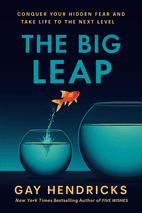
Gay Hendricks's The Big Leap presents a framework for overcoming the Upper Limit Problem, the subconscious tendency to sabotage success. It guides readers to identify hidden barriers and shift from their Zone of Competence into their Zone of Genius for greater fulfillment.
Feature
Insta.Page
Blinkist
Shortform
Summary Depth
Full Chapter-by-Chapter
15-min overview
Section-by-section guides
Audio Narration
✓
✓
✓
Visual Mindmaps
✓
✕
✕
AI Q&A
✓
✕
✕
Quizzes
✓
✕
✕
PDF Downloads
✓
✕
✓
Price
$89.99/yr
$146/yr (PRO)
$199/yr
*Competitor data last verified July 2026.
1 Page Summary
The Big Leap by Gay Hendricks presents a transformative framework for overcoming self-imposed limitations to achieve personal and professional success. The central concept is the "Upper Limit Problem," a psychological barrier where individuals subconsciously sabotage their happiness and success when they exceed their internalized threshold of what they believe they deserve. Hendricks identifies four hidden barriers—feeling fundamentally flawed, disloyalty to one's roots, believing more success brings a bigger burden, and the crime of outshining others—that keep people stuck in their "Zone of Competence" instead of operating in their "Zone of Genius," where they do their most natural and impactful work.
Historically, the book arrived during a surge in popular psychology and self-help literature focused on unlocking human potential and addressing the internal blocks that traditional success models often overlooked. Hendricks, a psychologist with decades of experience, synthesized insights from psychology, spirituality, and his clinical practice to create a practical guide. It resonated with professionals and creatives who felt stagnated despite having the skills for greater achievement, offering a lens to understand why they might be holding themselves back from peak performance and fulfillment.
The lasting impact of The Big Leap is its enduring popularity as a foundational text in the coaching and personal development world. It provided a simple yet powerful vocabulary—"Upper Limit Problem," "Zone of Genius"—that has become integrated into the lexicon of modern self-improvement. By focusing on the internal, often unconscious, ceilings people place on their potential, the book continues to inspire readers to identify and dissolve their personal barriers, encouraging a permanent shift toward living and working at their highest capacity.
Introduction
Overview
This chapter introduces a powerful concept that could be the key to unlocking your highest potential in all areas of life. It centers on the "Upper Limit Problem"—a hidden barrier that keeps people from sustaining success, happiness, and fulfillment. Through personal anecdotes and insights from working with highly successful individuals, the author reveals how this problem manifests and why addressing it is crucial for making a "Big Leap" into extraordinary abundance, love, and creativity. The narrative weaves together scientific curiosity with heartfelt stories, setting the stage for a transformative journey.
The Upper Limit Problem Explained
At its core, the Upper Limit Problem is our innate tendency to sabotage ourselves when things are going too well. It's like an internal thermostat that kicks in to bring us back to a familiar, often lower, level of comfort whenever we experience prolonged positive energy—whether in finances, relationships, or personal well-being. The author emphasizes that this isn't just a minor issue; it's the primary obstacle holding back even the most accomplished people, from billionaires like Michael Dell to everyday individuals. By recognizing this pattern, you can start to break free from self-imposed limitations and expand your capacity for joy and success.
A Turning Point: The Author's Discovery
The author's own "aha moment" came during a quiet afternoon at Stanford University, when a wave of contentment was abruptly replaced by irrational worries about his daughter. This led to a profound realization: he was unconsciously manufacturing negative thoughts to dampen his positive feelings because he had hit his "upper limit" of tolerance for happiness. This pattern repeated in other areas of his life, such as relationships and health, where periods of harmony were followed by self-sabotage. This personal story illustrates how the Upper Limit Problem operates on a subconscious level, urging readers to reflect on their own similar experiences.
Implications for Personal and Global Growth
Beyond individual lives, the Upper Limit Problem has broader implications for society. The author draws parallels to historical cycles of peace and war, or economic booms and busts, suggesting that humanity as a whole struggles to maintain positive momentum. This insight sparks hopeful questions: What if we could extend periods of contentment indefinitely? What if we could live in harmony and prosperity without self-sabotage? The chapter concludes by framing the book as a practical guide to answering these questions, promising that by solving this one problem, you can achieve a life where love, money, and creativity flourish together.
Key Takeaways
The Upper Limit Problem is a universal barrier that causes people to self-sabotage when they approach their peak potential in wealth, work, or love.
Recognizing and overcoming this problem is essential for making the "Big Leap" from ordinary success to extraordinary fulfillment.
Personal awareness, such as noticing when you manufacture negative thoughts during good times, is the first step toward change.
The solution involves cultivating openness to learning and practicing new habits to expand your tolerance for positive energy.
Addressing this problem can lead to balanced growth in all life areas, preventing the common pitfall of achieving financial success at the expense of relationships or creativity.
Key concepts: Introduction
1. Introduction
The Upper Limit Problem
Hidden barrier preventing sustained success and fulfillment
Internal thermostat that sabotages positive momentum
Primary obstacle for both highly accomplished and everyday people
Manifests in finances, relationships, and personal well-being
Personal Discovery and Recognition
Author's 'aha moment' during wave of contentment at Stanford
Unconscious manufacturing of negative thoughts to dampen happiness
Pattern repeats across relationships, health, and other life areas
Operates on subconscious level requiring personal awareness
Societal and Global Implications
Parallels historical cycles of peace/war and economic booms/busts
Humanity struggles to maintain collective positive momentum
Potential for extended periods of global harmony and prosperity
Addressing problem could transform societal growth patterns
Path to Transformation
Essential for making the 'Big Leap' to extraordinary fulfillment
Cultivating openness to learning and new habits
Expanding tolerance for positive energy in all life areas
Achieving balanced growth across wealth, love, and creativity
💡 Try clicking the AI chat button to ask questions about this book!
One
Overview
The journey begins with a simple yet profound question about increasing daily well-being, emphasizing the power of willingness to feel good and have life flow positively without sacrificing inner peace. This openness challenges common beliefs about limitations, inviting a courageous leap beyond self-imposed barriers. Real-life stories, such as Maynard Webb's move from the Zone of Excellence to the Zone of Genius and Dr. Jordan's encounter with the Upper Limit Problem, showcase how inner hurdles can either be overcome or lead to self-sabotage, highlighting the importance of recognizing and expanding one's capacity for abundance.
Resistance often arises from fears of constant positivity or owning one's full potential, but this is a natural response in a society that rarely teaches sustained success. By addressing this hesitation and understanding that fear can be transformed into exhilaration through mindful breathing, one can shift emotional states and embrace change more freely. Committing to this path unlocks a world of possibilities, often described as a "garden of miracles," where tools and insights help make a quantum leap in personal and professional life.
The Upper Limit Problem is explored as an inner thermostat that limits how much love, success, and creativity one allows, often rooted in childhood experiences. By consciously expanding this capacity through practices like appreciating current abundance, it's possible to reset this setting and attract more positive outcomes. Examples from lottery winners to high-profile individuals illustrate how this unconscious limiting leads to self-destructive patterns, underscoring the need to break free from such cycles.
The chapter also introduces the Four Zones of Activity—Incompetence, Competence, Excellence, and Genius—which categorize how we spend our time and energy. Lingering in zones like Incompetence or Competence drains vital resources, while the Zone of Excellence, though comfortable, can trap individuals from reaching their true potential. The Zone of Genius represents where unique gifts flourish, and ignoring the "Call to Genius" may result in physical, emotional, or relational consequences. Ultimately, the goal is to invest more time in this zone, fostering a life of fulfillment and effortless success.
The Power of Willingness
The journey begins with a simple yet profound inquiry: are you willing to increase the amount of time you feel good inside each day? This isn't about fleeting pleasures but a deep, natural sense of well-being that arises independently of external circumstances. Embracing this willingness is crucial because enhancing other areas of life shouldn't come at the cost of inner peace. From there, the question expands to whether you're open to having your whole life—work, relationships, creativity—flow more positively and easefully. The ultimate step is considering if you're ready to feel good and have life go well all the time, a radical idea that challenges common beliefs about limitations. The author encourages leaning into possibility, noting that arguing for limitations only keeps them in place. This willingness isn't a safety hazard; it's a courageous act that opens the door to transcending self-imposed barriers.
Learning from Others: Maynard Webb and Dr. Jordan
Maynard Webb's story illustrates the leap from the Zone of Excellence to the Zone of Genius. As COO of eBay, he had achieved remarkable success and wealth, yet he chose to leave his comfort zone to lead LiveOps, a startup revolutionizing customer service. This move allowed him to fully express his gifts and make a bigger impact. In contrast, Dr. Richard Jordan's experience shows how the Upper Limit Problem can sabotage success. After negotiating a $3 million deal for his business, he derailed it over a minor vacation detail, later realizing he subconsciously felt unworthy of such abundance. He transformed this setback into a "Three-Million-Dollar Gift" by asking himself how much love and abundance he was willing to allow and how he might be getting in his own way. Both examples highlight the importance of recognizing and overcoming inner barriers to achieve extraordinary outcomes.
Addressing Your Own Resistance
If you felt hesitation answering the initial questions, you're not alone. Resistance often stems from the belief that constant positivity is impossible or from a fear of owning your full potential. The author reassures that it's natural to feel this way, especially since society rarely teaches how to sustain success and good feelings. Delving deeper, fear of commitment arises because it eliminates excuses for failure, forcing you to confront your capabilities head-on. The ego, focused on recognition and avoidance of ostracism, may resist this shift, projecting fears of financial ruin or other disasters. However, these fears are simply smoke screens for the unknown, and acknowledging them is the first step toward dismantling them.
Transforming Fear into Exhilaration
Fear doesn't have to be a roadblock; it can be a gateway to excitement. Drawing on Fritz Perls' wisdom that "fear is excitement without the breath," the author explains that the physiological responses for both are identical. By breathing fully into fear instead of suppressing it, you can transform it into exhilaration. This practice empowers you to take charge of your emotional state, turning apprehension into a celebratory energy. As you cultivate this skill, you'll find that fear dissipates when you're fully engaged in your Zone of Genius, making room for a more vibrant and fulfilling experience of life.
Committing to Your Big Leap
Saying yes to the Big Leap is the hardest part, but it unlocks a world of possibilities. This sincere commitment is your entry into a "garden of miracles," where self-imposed limitations fade away. The author guarantees that the tools in this book can help you make a quantum jump in success, whether you're already achieving or just starting out. By learning from others who have transcended ordinary success, you'll see that the path to genius is accessible and rewarding, requiring only a willing heart and the right mindset.
The Mechanics of the Upper Limit Problem
At its core, the Upper Limit Problem is like an inner thermostat that dictates how much love, success, and creativity you allow yourself. Programmed in childhood, this setting often leads to self-sabotage when you exceed it, pulling you back to familiar zones of competence or excellence. For instance, guilt can arise when you feel too good or achieve too much, stemming from early attempts to protect others' feelings. By consciously expanding your capacity for positive energy—through practices like appreciating current abundance or love—you can reset this thermostat. This radical shift means focusing on feeling good now, rather than waiting for external changes, which in turn attracts more love, money, and creativity into your life.
Upper Limit Problems in the Spotlight
Real-world examples abound, such as lottery winners who often lose their wealth and face personal turmoil within years, illustrating how sudden abundance can trigger self-sabotage. High-profile cases like Bill Clinton, who achieved the presidency only to face scandal, or John Belushi and Boris Becker, whose rapid rises were followed by falls, show the Upper Limit Problem in action. Even Christian Bale's career fluctuations hint at these dynamics. These stories underscore that the issue isn't about being flawed or unlucky but about an unconscious tendency to limit our enjoyment of success. By recognizing and addressing this, you can break free and allow wave after wave of abundance without sabotage.
The Four Zones of Activity
Our activities in the world occur in four distinct zones, each with its own impact on our fulfillment and success.
The Zone of Incompetence
This zone contains all the activities we're not good at, where others can perform them much better. Many successful people surprisingly waste significant time and energy here. The author's friend Thomas, a business consultant who bills at $1,000 per hour, spent thirteen frustrating hours trying to install a printer - essentially wasting $13,000 of potential income on a $1,000 machine. This excursion into incompetence was capped by a family argument, adding relational costs to the financial ones. While some activities in this zone might be worth pursuing for enjoyment or mastery (like the author learning to ski), most should be delegated or avoided entirely to free up energy for more rewarding pursuits.
The Zone of Competence
Here, you perform activities competently, but others can do them just as well. This becomes a trap for successful people who expend too much energy here. The author worked with Joan, an executive suffering from chronic fatigue syndrome, who kept handling organizational tasks outside her job description because "it was quicker to do it myself." When she eliminated these competence-zone activities and delegated them, her physical symptoms cleared up. This freed her to pursue her true passion - an environmental project that represented her deeper calling.
The Zone of Excellence
This dangerous zone contains activities you perform extremely well, often providing a good living. It's particularly seductive because you're reliable here, and your family, friends, and organization want you to stay. However, remaining in this zone prevents the leap into your Zone of Genius. The addiction to comfort and external expectations can keep you trapped, causing a deep, sacred part of you to wither if you stay too long.
The Zone of Genius
This is where you find ultimate success and life satisfaction - the set of activities you're uniquely suited to do, drawing upon your special gifts and strengths. The "Call to Genius" manifests as inner promptings that grow stronger throughout life. By age forty, many people have tuned out these calls and instead experience "loud, repeated alarms" in the form of depression, illness, injuries, and relationship conflicts. The author shares the tragic story of Bill, a brilliant entrepreneur who resisted his Call to Genius due to external pressures and died of a massive heart attack weeks later. This experience cemented the author's commitment to helping people heed their call gently and gracefully, rather than waiting for painful life consequences.
Key Takeaways
Most activities fall into four zones: Incompetence, Competence, Excellence, and Genius
Time spent in Zones of Incompetence and Competence drains energy that could fuel your genius
The Zone of Excellence is a seductive trap that prevents reaching your full potential
Your Zone of Genius represents your unique gifts and ultimate path to fulfillment
Ignoring the "Call to Genius" often leads to physical, emotional, and relational consequences
Moving into your Zone of Genius can begin with small, consistent investments of time
The ultimate goal is spending up to 70% of your time expressing your natural genius
Key concepts: One
2. One
The Power of Willingness
Willingness to feel good internally as foundation for positive life flow
Challenging common beliefs about limitations and self-imposed barriers
Radical openness to feeling good and having life go well all the time
Arguing for limitations only reinforces them - leaning into possibility instead
The Upper Limit Problem
Inner thermostat limiting love, success, and creativity allowance
Rooted in childhood experiences and subconscious worthiness beliefs
Manifests as self-sabotage when abundance thresholds are exceeded
Can be reset through conscious appreciation of current abundance
Four Zones of Activity
Zone of Incompetence: Drains energy through lack of skill alignment
Zone of Competence: Functional but not fulfilling or distinctive
Zone of Excellence: Comfortable success that can trap true potential
Zone of Genius: Where unique gifts flourish with effortless success
Overcoming Resistance and Fear
Natural hesitation from societal conditioning about sustained success
Fear of owning full potential and eliminating excuses for failure
Ego resistance projecting financial or social disaster scenarios
Transforming fear into exhilaration through conscious breathing
Real-Life Transformations
Maynard Webb: Leaving Zone of Excellence for Zone of Genius impact
Dr. Jordan: Upper Limit Problem sabotaging $3 million deal
Turning setbacks into 'gifts' by examining self-imposed limitations
Recognizing and expanding capacity for extraordinary outcomes
Commitment to Quantum Leap
Embracing the 'Call to Genius' to avoid physical/emotional consequences
Investing more time in Zone of Genius for fulfillment and impact
Unlocking 'garden of miracles' through tools and insights
Creating life where fear dissipates in engaged, vibrant experience
The Mechanics of the Upper Limit Problem
Functions like an inner thermostat limiting love, success, and creativity
Programmed in childhood and triggers self-sabotage when exceeded
Manifests as guilt when feeling too good or achieving too much
Can be reset by expanding capacity for positive energy through appreciation
Focusing on feeling good now attracts more abundance than waiting for external changes
Upper Limit Problems in Real Life
Lottery winners often lose wealth due to self-sabotage triggered by abundance
High-profile cases like Bill Clinton and John Belushi demonstrate the pattern
Career fluctuations of figures like Christian Bale hint at these dynamics
Issue stems from unconscious tendency to limit enjoyment of success
Recognizing this pattern allows breaking free for sustained abundance
The Zone of Incompetence
Contains activities others perform much better than you
Successful people often waste significant time and energy here
Example: $1,000/hour consultant spending 13 hours on printer installation
Creates both financial and relational costs when pursued unnecessarily
Most activities here should be delegated or avoided to free energy
The Zone of Competence
Activities performed competently but others can do equally well
Becomes a trap for successful people expending too much energy
Example: Executive with chronic fatigue from handling others' tasks
Delegating these activities can resolve physical symptoms and burnout
Frees energy to pursue true passions and deeper callings
The Zone of Excellence
Contains activities performed extremely well, often providing good living
Particularly seductive due to reliability and external expectations
Family, friends, and organizations pressure to remain in this zone
Addiction to comfort prevents leap into Zone of Genius
Staying too long causes deep, sacred parts of self to wither
The Zone of Genius
Contains activities uniquely suited to your special gifts and strengths
Represents ultimate path to success and life satisfaction
"Call to Genius" manifests as inner promptings throughout life
Ignoring the call leads to depression, illness, and relationship conflicts
Tragic example: Entrepreneur Bill died weeks after resisting his call
Zone Navigation Strategy
Time in Incompetence and Competence zones drains genius energy
Zone of Excellence is a seductive trap preventing full potential
Moving into Genius zone can begin with small, consistent time investments
Ultimate goal: spending up to 70% of time expressing natural genius
Heeding the call gently prevents painful life consequences
Two
Overview
Success often brings an unexpected companion: the Upper Limit Problem, an invisible ceiling that snaps into place just as we achieve milestones in money, love, or creativity. This phenomenon triggers self-sabotaging behaviors—like arguments, illnesses, or negative thought spirals—that pull us back to familiar, lower levels of fulfillment, much like a thermostat resetting to a comfort zone. For example, a financial windfall might be quickly overshadowed by conflict, or moments of intimacy could inexplicably sour.
Lois’s experience vividly illustrates this dynamic; after attracting a wonderful partner, she nearly derailed the relationship by creating a financial drama that mirrored her deep-seated belief in undeserved happiness. Her story shows how confronting such limiting beliefs can transform crises into opportunities for deeper connection. Underlying these patterns are four hidden barriers rooted in fear and false beliefs. Hidden Barrier No. 1: Feeling Fundamentally Flawed arises from a sense of inherent inadequacy, as seen in Carl’s childhood experiences, where success felt threatening. Hidden Barrier No. No. 2: Disloyalty and Abandonment involves guilt over surpassing one’s roots, exemplified by Robert and Dee’s post-elopement struggles, which eased only through open communication. Hidden Barrier No. 3: Believing That More Success Brings a Bigger Burden stems from early feelings of being a load on others, a theme in the author’s own life where achievements were met with indifference, reinforcing self-punishment.
The Psychology of Outshining delves into a fourth barrier, where people fear making others feel inferior by shining too brightly. Kenny Loggins’ career exemplifies this, as he consistently undermined his joy after triumphs, tracing back to childhood warnings not to outshine siblings. His journey from self-sabotage to embracing his Zone of Genius with albums like Leap of Faith highlights how pivotal moments—like a microphone failure during a Grammy performance—can spark liberation. Similarly, Joseph’s story reveals how childhood trauma, such as guilt over his sister’s death, hexed his success until he recognized the illusion of his "crime." Breaking these patterns requires awareness, as identifying the source of outshining fears—often from past relationships—allows individuals to reframe success as a celebration rather than a burden, moving from muted enjoyment to genuine fulfillment.
The Upper Limit Problem in Action
When we experience significant success in areas like money, love, or creativity, an invisible ceiling often snaps into place. This "Upper Limit Problem" manifests as self-sabotaging behaviors that cloud our happiness and pull us back to familiar, lower levels of fulfillment. It’s as if an internal thermostat kicks in, creating dramas—arguments, illnesses, or negative thought spirals—that prevent us from fully enjoying our achievements. For instance, a financial windfall might be quickly followed by a conflict that drains the joy, or a moment of intimacy with a partner could inexplicably turn into a prolonged disagreement.
Lois's Breakthrough and Near-Sabotage
Lois, a successful businesswoman in her mid-fifties, struggled with maintaining romantic relationships despite her professional prowess. After sessions focused on shifting limiting beliefs, she committed to attracting a healthy partnership and almost immediately met a wonderful man. However, she canceled further coaching, believing the breakthrough was complete. Months later, she faced a crisis: her new husband had advised her on a stock investment that lost $200,000. In a moment of clarity, Lois realized she had subconsciously created this drama because she felt undeserving of such happiness. By confronting this belief and reframing the situation—recognizing her own role in taking investment advice outside her partner’s expertise—she transformed the incident into an opportunity for deeper connection and commitment.
Triggering the Upper Limit Problem
Beneath these self-sabotaging patterns lie four hidden barriers rooted in fear and false beliefs. These barriers feel real but are based on outdated perceptions that limit our potential. Shining awareness on them can dissolve their power, allowing us to stabilize at higher levels of success. The barriers often surface as unconscious mantras, such as:
In relationships: "I cannot enjoy abundant love and relationship harmony because..."
In finances: "I cannot expand to my full wealth potential because..."
By identifying which barriers resonate, we can begin to dismantle them.
This barrier stems from a deep-seated belief that something is inherently wrong with us, leading to cognitive dissonance when success arrives. For example, Carl internalized his father’s misplaced resentment from childhood, convinced he was flawed without understanding why. This "bug" in his mental code caused him to self-sabotage whenever he approached his creative genius, fearing that expressing his full potential would reveal inadequacy. The key insight is that these feelings often originate from external events unrelated to our true worth, and labeling them as Upper Limit bugs allows us to choose growth over retreat.
Hidden Barrier No. 2: Disloyalty and Abandonment
Here, success triggers guilt over perceived disloyalty to one’s roots or family expectations. Robert and Dee’s story illustrates this: after eloping, they subconsciously punished themselves with a poison oak incident, reflecting fears of leaving behind their backgrounds. Robert’s aristocratic family disapproved of Dee’s hippie upbringing, and their avoidance of confrontation amplified the barrier. By courageously addressing the unspoken tensions—like calling Robert’s parents to share their news—they transformed guilt into connection, showing that open communication can dissolve this barrier.
Hidden Barrier No. 3: Believing That More Success Brings a Bigger Burden
This barrier arises from an early sense of being a burden to others, causing us to hold back to avoid imposing further. The author’s personal experience highlights this: viewed as both a burden and a celebration in childhood, he repeatedly encountered proof of this belief in adulthood, such as family indifference to his achievements. Recognizing that much of this guilt was for "crimes" never committed—like simply existing during a parent’s struggle—frees us to embrace success without self-punishment.
The Psychology of Outshining
This barrier stems from an unconscious belief that expanding to one's full potential will make others feel or look inferior, often instilled in gifted children through subtle parental messages. These children may respond by dimming their brilliance or masking their enjoyment of success with suffering to garner sympathy instead of envy. The underlying fear is of "stealing" attention, leading to lifelong patterns of self-sabotage.
Kenny Loggins' Journey
Kenny Loggins' career exemplifies this dynamic. Despite achieving solo success with Grammy-winning hits, he consistently undermined his joy through personal mishaps—falling ill, having accidents, or damaging relationships—immediately after professional triumphs. This pattern traced back to childhood, where he and his musical partner, Jim Messina, both competed with favored siblings for parental attention, internalizing warnings not to outshine others. Their partnership thrived as a shared "brother" endeavor, but solo paths reignited the fear. A pivotal moment came when Kenny's microphone failed during a Grammy performance of "I'm All Right," symbolically "losing his voice" at his peak. This irony prompted deep reflection, revealing that his pop hits resided in his Zone of Excellence, not his Zone of Genius. He embraced a meditative inquiry, leading to the creation of Leap of Faith, an album with socially conscious themes like environmentalism. Its success, including performing "Conviction of the Heart" for 500,000 people at an Earth Day event, marked his transcendence of the barrier.
Joseph's Story of Guilt
Joseph, a former piano prodigy turned executive, struggled with guilt after every career breakthrough, a pattern rooted in childhood trauma. His sister, also a gifted musician, died of leukemia at age eight. On his birthday, his parents gifted him a grand piano, but his mother's remark—"We would never have been able to afford this if your sister hadn’t died"—instantly fused joy with guilt. This unconscious parental grief imposed a "hex" on Joseph, making him feel criminal for being alive and successful. Through therapy, he recognized the illusion of this "crime" and broke free, understanding that his success didn't diminish his sister's memory.
Breaking the Pattern
Identifying the outshining barrier is likened to turning on a light in a dark room—once seen, cleanup becomes manageable. The key is to question whether success fears stem from outshining someone from the past, such as a sibling or peer perceived as needing attention more. This awareness allows individuals to reframe their relationship with achievement, moving from guilt to genuine fulfillment.
Key Takeaways
The fear of outshining others often originates in childhood and can lead to self-sabotage or muted enjoyment of success.
Recognizing this pattern through personal reflection or pivotal moments—like Kenny's microphone failure or Joseph's childhood memory—is crucial for liberation.
Transcending the barrier involves acknowledging that success isn't a "crime" and embracing one's Zone of Genius without guilt.
Practical steps include examining past influences and consciously choosing to celebrate achievements fully.
Key concepts: Two
3. Two
The Upper Limit Problem
Invisible ceiling that snaps into place during success in money, love, or creativity
Triggers self-sabotaging behaviors like arguments, illnesses, or negative thought spirals
Functions like an internal thermostat resetting to familiar comfort zones
Prevents full enjoyment of achievements by creating compensatory dramas
Case Study: Lois's Relationship Sabotage
Successful businesswoman who struggled with romantic relationships despite professional success
Subconsciously created $200,000 financial drama after finding wonderful partner
Realized she felt undeserving of happiness and created crisis to match this belief
Transformed crisis into opportunity for deeper connection through awareness
Hidden Barrier 1: Feeling Fundamentally Flawed
Deep-seated belief in inherent inadequacy or something being wrong with oneself
Creates cognitive dissonance when success arrives
Often originates from external childhood events unrelated to true worth
Manifests as self-sabotage when approaching full potential
Hidden Barrier 2: Disloyalty and Abandonment
Success triggers guilt over perceived disloyalty to roots or family
Fear of leaving behind one's background or family expectations
Avoidance of confrontation amplifies the barrier
Open communication can transform guilt into connection
Hidden Barrier 3: Success as Burden
Belief that more success brings bigger responsibilities and expectations
Stems from early feelings of being a load on others
Achievements met with indifference reinforce self-punishment patterns
Creates association between success and increased pressure
Psychology of Outshining
Fear of making others feel inferior by shining too brightly
Often originates from childhood warnings not to outshine siblings or peers
Leads to undermining personal joy after triumphs
Recognizing the source allows reframing success as celebration
Hidden Barrier No. 3: Believing That More Success Brings a Bigger Burden
Rooted in early childhood sense of being a burden to others
Leads to holding back success to avoid imposing on others
Guilt often stems from 'crimes' never actually committed
Recognizing this false guilt enables embracing success without self-punishment
The Psychology of Outshining
Unconscious belief that full potential will make others feel inferior
Often instilled in gifted children through subtle parental messages
Leads to dimming brilliance or masking success with suffering
Core fear involves 'stealing' attention from others
Kenny Loggins' Journey Through Outshining
Consistently undermined joy through personal mishaps after professional triumphs
Pattern traced to childhood competition with favored siblings
Grammy microphone failure symbolized 'losing voice' at peak success
Realized pop hits were in Zone of Excellence, not Zone of Genius
Transcended barrier through meditative inquiry and socially conscious music
Joseph's Story of Guilt and Survival
Struggled with guilt after every career breakthrough
Trauma rooted in sister's death and mother's guilt-inducing remark
Felt criminal for being alive and successful due to parental grief
Broke free through therapy recognizing the illusion of his 'crime'
Breaking the Outshining Pattern
Identifying the barrier is like turning on a light in a dark room
Question whether success fears stem from outshining someone from the past
Reframe relationship with achievement from guilt to genuine fulfillment
Consciously choose to celebrate achievements without self-sabotage
Three
Overview
This chapter explores how people often sabotage their own happiness and success through a phenomenon called the Upper Limit Problem, where they unconsciously choke the flow of positive energy just when things are going well. It begins by examining common behaviors like worry, which acts as a distraction from feeling good and is only useful if it concerns something actionable; otherwise, it's mere noise that blocks deeper positive emotions. Similarly, criticism and blame often signal hitting an upper limit, as seen in stories of individuals who nitpick over trivial issues to avoid fully embracing love or success, rooted in past family patterns or beliefs about self-worth.
The discussion extends to deflection, where people dismiss compliments or positive feedback to stay within their comfort zones, preventing growth and connection. This habit is vividly illustrated through everyday scenarios, like deflecting praise on a golf course, and highlights the importance of simply receiving and savoring good feelings. Squabbling emerges as another upper limit symptom, where conflicts flare up during smooth periods, often driven by a race to claim victimhood. The chapter emphasizes that resolving such arguments requires both parties to take full responsibility, transforming wasted energy into creative collaboration.
Illnesses and accidents are reframed as expressions of the Upper Limit Problem, analyzed through the Three Ps: punishment for excessive joy that feels undeserved, and prevention and protection from unwanted activities or uncomfortable emotions. By viewing symptoms as signals, individuals can address underlying issues, such as fears of change or dishonesty. Integrity breaches, like lies or broken agreements, are shown to disrupt energy flow by creating gaps in wholeness, urging a focus on truth-telling and alignment to support progress.
To restore balance, the chapter guides readers in discovering their story by identifying inherited family narratives that limit potential, such as tales linking genius to irresponsibility or madness. Shifting fascination from these old scripts to empowering new ones helps reclaim personal power. Embracing a playful attitude—approaching setbacks with curiosity and humor, much like using "ULP" lightheartedly—accelerates growth and makes the journey enjoyable, echoing the childlike wonder of figures like Einstein.
Practical steps are provided to integrate these insights daily, including committing to a positive mindset, listing upper limit behaviors, redirecting focus during triggers, and crafting a new narrative that celebrates adventures in the Zone of Genius. The overarching message is that by recognizing and addressing these patterns with lightness and intention, individuals can expand their capacity for love, success, and abundance, moving steadily toward a life of fulfillment and creativity.
Worry
Worry is one of the most common ways we Upper-Limit ourselves, acting as a mechanism to choke the flow of positive energy when things are going well. It's often not about real issues but serves as a distraction from feeling good. For worry to be useful, it must concern something you can actually influence and take immediate action on—otherwise, it's just "Upper Limit noise."
The author shares a personal example: while walking past a jewelry store, he noticed worry-thoughts about money, specifically funding a family member's education. Instead of indulging these thoughts, he recognized them as an Upper Limit symptom. By letting go of the worry and shifting focus, he uncovered a deeper positive emergence—feelings of love and appreciation for his wife and gratitude for their abundance. This process involved a simple sequence: noticing the worry, releasing it, wondering what positive new thing is emerging, tuning into body sensations, and allowing those feelings to deepen.
Worry is addictive, much like gambling, where occasional "hits" reinforce the habit. Chronic worriers often believe their anxiety is essential, but it's usually a way to avoid intimacy or positive energy. The key is to practice dismissing worry-thoughts and redirecting attention to what's trying to break through from your Zone of Genius.
Criticism and Blame
Criticism and blame are other addictive Upper Limit behaviors that disrupt positive energy flow, especially in relationships. Like worry, they're rarely about reality; instead, they signal that you've hit your Upper Limit. The author illustrates this with the story of a billionaire client who criticized his wife over trivial expenses like toilet paper. The real issue wasn't money but a deep-seated belief that he didn't deserve both wealth and love, rooted in his family's pattern of constant arguing.
In another example, an executive named John would explode in anger after receiving good news, sabotaging positive moments by criticizing his team. This pattern stemmed from childhood experiences where compliments were laced with criticism. By recognizing this, John committed to change, leading to a transformative moment with his team.
To address criticism, sort your critical thoughts into two piles: one for actionable, reality-based criticisms (e.g., "You're standing on my toe") and another for all others. Most people find the second pile is much larger, highlighting how criticism is often just an Upper Limit symptom.
Deflection
Deflection is a subtle but common way we avoid receiving positive energy, such as compliments or appreciation. It involves dismissing or downplaying positive feedback to keep ourselves from fully experiencing good feelings. The author contrasts two responses: one where Jack deflects Joe's praise by focusing on flaws, and another where Jack graciously accepts the appreciation before sharing his reservations.
By deflecting, we prevent positive energy from "landing," which can stifle growth and connection. Learning to receive and acknowledge positive input—even with simple phrases like "Thanks, I appreciate that"—helps break this Upper Limit habit and allows us to savor success.
Deflection
When someone compliments you or beams positive energy your way, it's all too easy to deflect it with self-deprecating remarks. This habit keeps you safely within your Zone of Competence or Excellence, preventing you from expanding your capacity for joy. A vivid example unfolds on the golf course, where players often dismiss praise with phrases like "I didn't make full contact" or "I got lucky." Instead of deflecting, the key is to pause, let the positive energy land, and simply thank the person. This small shift helps you savor natural good feelings—like the satisfaction of a well-struck ball or the beauty of the course—and gradually raises your tolerance for things going well in life. Golf serves as a perfect metaphor because, much like life, the ball doesn't move until you act, leaving no one else to blame for outcomes.
Squabbling
Arguments often flare up just when life is flowing smoothly, acting as a classic Upper Limit symptom to crimp positive energy. At their core, conflicts arise from a race to claim the victim position, where each person tries to out-victim the other. This dynamic can stretch from bedroom spats to centuries-old ethnic disputes, as seen in historical conflicts like those in Bosnia. The breakthrough comes from recognizing that each person in a conflict is a 100 percent entity, meaning there's 200 percent responsibility to share. Instead of dividing blame, both parties must take full responsibility for their part. This approach transforms wasted argument energy into creative collaboration, as demonstrated by couples who've redirected conflict into co-authoring books or resolving long-standing issues.
Getting Sick, Getting Hurt
Illnesses and accidents can be subtle expressions of your Upper Limit Problem, often occurring during or after periods of success or happiness. By examining these events through the lens of the Three Ps—punishment, prevention, and protection—you can uncover their hidden messages. For instance, Ryan's "killer migraines" served as punishment for ecstatic but dishonest lunchtime affairs, while Dr. Smith's laryngitis prevented him from giving a presentation he didn't want to deliver and protected him from feeling like a phony. When you view symptoms as signals rather than random occurrences, you can address the underlying issues, such as the fear of quitting a job or embracing a new path, and expand your capacity for well-being.
The Three Ps
Punishment: This occurs when your unconscious mind inflicts pain to curb excessive joy that feels undeserved or out of integrity, like Ryan's migraines after secret trysts. The symptom acts as a killjoy, urging you to realign with your values.
Prevention and Protection: Often intertwined, these involve illnesses or accidents that stop you from engaging in unwanted activities or shield you from uncomfortable emotions. Dr. Smith's laryngitis, for example, prevented a dishonest presentation and protected his celebratory mood about a new job. By listening to these messages, you can resolve the root cause and restore health.
Integrity Breach
Committing a breach of integrity—through lies, broken agreements, or withheld truths—is a swift way to sabotage positive momentum. Think of integrity not as a moral issue but as a physics one: it's about wholeness and the uninterrupted flow of energy, much like water through a hose. When you breach integrity, you create a gap that halts this flow, leading to discomfort or stagnation. For example, if you say "I'm fine" when you're not, you block authentic communication. By focusing on keeping agreements and speaking truths, you maintain energy flow and support your journey into the Zone of Genius, where creativity and fulfillment thrive.
Discovering Your Story
To restore wholeness and integrity, begin by identifying where you feel out of alignment with yourself. Ask probing questions like: Where do I feel incomplete? What feelings am I hiding? Where have I broken promises or avoided truths? This process lifts you out of limiting narratives that have held you back. Many of us inherit family stories that discourage accessing our genius—tales of irresponsibility, madness, or poverty tied to exceptional achievement. For instance, you might recall an uncle who abandoned everything for a wild pursuit or an aunt who retreated into eccentricity. Recognizing these inherited scripts is the first step; then, gradually shift your fascination from these old tales to the exciting possibility of living in your Zone of Genius. By refocusing on this new story, you reclaim your power and move toward completeness.
Embracing a Playful Attitude
Approach your Upper Limit Problems with curiosity and lightheartedness rather than self-criticism. Adopting an attitude of wonder—like the playful use of "ULP" (Upper Limit Problem) in executive groups—can transform how you handle setbacks. Instead of fretting over flaws, chuckle at them. This mindset not only speeds up personal growth but makes the journey enjoyable for you and those around you. Remember, maintaining a spirit of play is a hallmark of operating in your Zone of Genius, much like Albert Einstein's childlike curiosity in pursuing deep truths. By staying cheerful and interested in your own behaviors, you dissolve barriers more effectively and open yourself to greater abundance and success.
Practical Action Steps
Integrate these daily practices to stay on track toward your Zone of Genius:
Commit to a positive mindset: Repeatedly affirm, "I commit to discovering my Upper Limit behaviors and having a good time while learning about them." This reinforces an attitude of enjoyment over criticism.
List your Upper Limit behaviors: Common examples include worrying, blaming others, getting sick, squabbling, hiding feelings, breaking agreements, or deflecting compliments. Keep this list handy to recognize patterns.
Shift focus during triggers: When you catch yourself in an Upper Limit behavior, consciously redirect your attention to expanding your capacity for love, success, and abundance. Engage your whole being—feel emotions in your body, savor successes mentally and physically.
Craft a new narrative: Develop or adopt a mythology that celebrates your adventures in the Zone of Genius. This new story should inspire you to live fully in your potential, replacing old, limiting beliefs.
Key Takeaways
Identify and question your inherited family stories that limit genius, then shift focus to empowering new narratives.
Adopt a playful, curious attitude toward Upper Limit Problems to accelerate growth and maintain joy in the process.
Implement daily actions like mindful commitment, behavior tracking, and narrative reframing to sustain progress toward wholeness and success.
Key concepts: Three
4. Three
The Upper Limit Problem
Unconscious self-sabotage of happiness and success
Choking positive energy flow when things are going well
Rooted in family patterns and beliefs about self-worth
Manifests through specific behavioral symptoms
Worry as Upper Limit Behavior
Distracts from feeling good rather than addressing real issues
Only useful when concerning actionable items
Addictive pattern that blocks deeper positive emotions
Can be released through noticing and redirecting focus
Criticism and Blame Patterns
Signal hitting upper limits in relationships and success
Often trivial issues masking deeper self-worth conflicts
Rooted in childhood experiences and family dynamics
Requires sorting actionable vs. upper-limit criticisms
Deflection of Positive Energy
Dismissing compliments and positive feedback
Prevents full experience of good feelings and connection
Contrast between gracious acceptance vs. defensive deflection
Keeps individuals within comfort zones
Squabbling and Conflict
Flare-ups during smooth periods as upper limit symptoms
Often driven by competition for victimhood status
Resolution requires full responsibility from both parties
Transforms wasted energy into creative collaboration
Physical Symptoms and Three Ps
Illnesses and accidents as expressions of upper limits
Punishment for excessive joy feeling undeserved
Prevention from unwanted activities or emotions
Protection from uncomfortable changes or honesty
Integrity and Energy Flow
Breaches like lies disrupt wholeness and progress
Creates gaps in energy flow through misalignment
Requires focus on truth-telling and agreement-keeping
Essential for supporting personal and professional growth
Transforming Personal Narratives
Identifying inherited family stories that limit potential
Shifting fascination from limiting to empowering scripts
Reclaiming personal power through narrative change
Crafting new stories celebrating Zone of Genius adventures
Practical Integration Strategies
Committing to positive mindset and daily practices
Listing and recognizing upper limit behaviors
Redirecting focus during triggers and symptoms
Approaching setbacks with playful curiosity and humor
Deflection
Deflecting compliments prevents positive energy from landing and limits growth
Self-deprecating remarks keep you in your Zone of Competence rather than expanding joy capacity
Simple acknowledgment like 'Thanks, I appreciate that' helps break the Upper Limit habit
Golf serves as a metaphor for taking responsibility and letting positive moments land
Savoring natural good feelings gradually raises tolerance for things going well
Squabbling
Arguments often flare during smooth periods as an Upper Limit symptom
Conflicts represent a race to claim the victim position between parties
The 200% responsibility model requires both people to take full ownership
Transforming argument energy into creative collaboration resolves conflicts
This approach can turn disputes into productive outcomes like co-authored works
Getting Sick, Getting Hurt
Illnesses and accidents can be expressions of the Upper Limit Problem
Symptoms often occur during or after success or happiness periods
The Three Ps framework reveals hidden messages in physical symptoms
Viewing symptoms as signals rather than random events addresses root causes
Understanding these patterns expands capacity for well-being and success
The Three Ps Framework
Punishment: Unconscious mind inflicts pain to curb excessive joy that feels undeserved
Prevention: Symptoms stop engagement in unwanted activities or situations
Protection: Illnesses shield from uncomfortable emotions or identities
Listening to these messages helps resolve underlying issues and restore health
Examples include migraines after dishonesty or laryngitis preventing unwanted presentations
Integrity Breach
Breaches of integrity sabotage positive momentum through lies or broken agreements
Integrity is a physics concept about wholeness and uninterrupted energy flow
Breaches create gaps that halt energy flow, leading to discomfort and stagnation
Saying 'I'm fine' when not blocks authentic communication and energy
Keeping agreements and speaking truth maintains flow toward Zone of Genius
Discovering Your Story
Restore wholeness by identifying where you feel out of alignment
Probing questions reveal incomplete areas and hidden feelings
Many inherit family stories that discourage accessing genius potential
Recognizing inherited scripts is the first step toward change
Shift fascination from limiting narratives to Zone of Genius possibilities
Embracing a Playful Attitude
Approach Upper Limit Problems with curiosity rather than self-criticism
Playful mindset transforms how setbacks are handled and speeds growth
Using 'ULP' as a lighthearted term makes the journey enjoyable
Playfulness is a hallmark of operating in the Zone of Genius
Staying cheerful and interested dissolves barriers more effectively
Daily Practices for Staying in the Zone of Genius
Commit to positive mindset through affirmations that frame learning as enjoyable rather than critical
Maintain a visible list of Upper Limit behaviors to quickly recognize personal patterns
Consciously redirect focus during triggers toward expanding capacity for love and success
Engage whole being by feeling emotions physically and savoring successes mentally and bodily
Craft new personal mythology that celebrates adventures in the Zone of Genius
Overcoming Inherited Limitations
Identify and question family stories that impose limits on genius potential
Replace limiting inherited narratives with empowering new perspectives
Recognize how generational patterns can restrict personal growth and success
Gay Hendricks is a renowned author and pioneering figure in the fields of personal growth and relationship transformation. With a career spanning decades, he has made significant contributions through his work in psychology and conscious living. He is best known for his influential books, including the classic "The Big Leap" and the co-authored "Conscious Loving," which have helped millions overcome their upper limits and achieve fulfilling relationships. As a published author, his insightful works are widely available on Amazon, continuing to inspire readers worldwide. Hendricks's expertise has established him as a leading voice in unlocking human potential for a more creative and connected life.
📚 Explore Our Book Summary Library
Discover more insightful book summaries from our collection