Chapter 1: Self-Discipline - The Biological Argument
Chapter 1 of 4
0:000:00
EN
1x
Voice
PDF
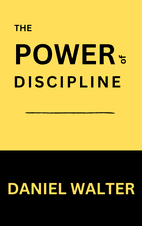
The Power of Discipline
by Daniel Walter
What is the book The Power of Discipline about?
Daniel Walter's The Power of Discipline outlines actionable strategies for building self-discipline as a learnable skill, covering goal-setting, routine creation, and overcoming procrastination. It is for anyone seeking to break unproductive habits and achieve personal or professional goals through consistent, intentional action.
Feature
Insta.Page
Blinkist
Shortform
Summary Depth
Full Chapter-by-Chapter
15-min overview
Section-by-section guides
Audio Narration
✓
✓
✓
Visual Mindmaps
✓
✕
✕
AI Q&A
✓
✕
✕
Quizzes
✓
✕
✕
PDF Downloads
✓
✕
✓
Price
$89.99/yr
$146/yr (PRO)
$199/yr
*Competitor data last verified July 2026.
1 Page Summary
The Power of Discipline by Daniel Walter is a practical guide that explores the importance of self-discipline in achieving personal and professional success. Walter emphasizes that discipline is not an innate trait but a skill that can be developed through consistent practice and mindset shifts. The book outlines actionable strategies, such as setting clear goals, creating routines, and overcoming procrastination, to help readers build habits that align with their long-term aspirations. Walter also highlights the role of motivation and accountability, stressing that discipline is the bridge between goals and accomplishments.
Historically, the concept of discipline has been central to philosophies and practices aimed at self-mastery, from ancient Stoicism to modern productivity systems. Walter draws on these traditions while incorporating contemporary psychological insights, making the book relevant to today’s fast-paced, distraction-filled world. He addresses common challenges like instant gratification and the fear of failure, offering readers tools to navigate these obstacles effectively. By framing discipline as a form of self-respect and empowerment, Walter provides a fresh perspective on an age-old principle.
The lasting impact of The Power of Discipline lies in its ability to inspire readers to take control of their lives through intentional action. Walter’s approach is both motivational and pragmatic, making the book accessible to a wide audience. By focusing on small, incremental changes, he demonstrates how discipline can lead to transformative results over time. This book serves as a valuable resource for anyone seeking to break free from unproductive habits and unlock their full potential.
Chapter 1: Self-Discipline - The Biological Argument
The Neuroscience of Self-Control
Neuroscientists Todd Hare and Colin Camerer’s 2009 study used fMRIs to observe brain activity during decision-making tasks. Participants choosing long-term rewards showed heightened activity in the ventral medial prefrontal cortex (linked to evaluating rewards) and the dorsolateral prefrontal cortex (responsible for self-control). This suggests that self-discipline isn’t about innate willpower but about how these brain regions communicate. Over time, consistently choosing delayed gratification strengthens these neural pathways, making disciplined decisions easier.
Delayed Gratification’s Lifelong Impact
The Stanford Marshmallow Experiment (1972) and its 2011 follow-up revealed that children who resisted instant rewards had more active prefrontal cortices and less reactive ventral striatums (associated with addiction). As adults, these individuals excelled in careers, relationships, and health. The takeaway? Early self-control habits rewire the brain to favor long-term thinking, proving that discipline isn’t genetic but a learned skill with compounding benefits.
Willpower: A Finite Resource
Psychologist Will Baumeister’s 1996 “radish vs. cookie” study demonstrated willpower depletion. Participants who resisted sweets (using mental energy) quit puzzles faster than those who indulged. This mirrors physical fatigue: just as muscles tire, the brain’s self-control reserves drain with use. The lesson? Protect willpower by minimizing temptations—like avoiding junk food aisles—so it’s reserved for critical decisions.
Designing a Discipline-Friendly Environment
The brain prioritizes survival, often hijacking willpower under stress or low energy. To counteract this:
Remove temptations (e.g., stock healthy foods).
Shop after meals to curb impulse buys.
Reduce decision fatigue by automating choices (e.g., meal prepping).
By controlling your environment, you sidestep constant willpower battles, freeing mental energy for meaningful goals.
Stress and the Prefrontal Cortex
Stress triggers “fight-or-flight” mode, shutting down the prefrontal cortex (responsible for rational decisions) and favoring impulsive, short-term choices. Chronic stress erodes discipline, making it harder to resist cravings or procrastination. Managing stress through mindfulness or routines keeps this brain region functional, safeguarding self-control.
Key Takeaways
Self-discipline is trainable: Target brain regions like the prefrontal cortex through consistent practice.
Delayed gratification rewires the brain: Early choices shape lifelong success by strengthening neural pathways.
Willpower is finite: Avoid depletion by designing environments that minimize temptations.
Stress sabotages self-control: Manage stress to keep the prefrontal cortex engaged.
Consistency builds momentum: Small, disciplined actions compound into lasting habits.
Key concepts: Chapter 1: Self-Discipline - The Biological Argument
1. Chapter 1: Self-Discipline - The Biological Argument
The Neuroscience of Self-Control
Self-discipline involves communication between the ventral medial prefrontal cortex (reward evaluation) and dorsolateral prefrontal cortex (self-control).
Consistent delayed gratification strengthens neural pathways, making disciplined decisions easier over time.
Self-discipline is not innate willpower but a trainable skill.
Delayed Gratification’s Lifelong Impact
Early self-control habits (e.g., Stanford Marshmallow Experiment) rewire the brain for long-term thinking.
Children who resisted instant rewards showed more active prefrontal cortices and less reactive ventral striatums (linked to addiction).
Adult success in careers, relationships, and health correlates with early self-discipline.
Willpower: A Finite Resource
Willpower depletes with use, similar to physical fatigue (Baumeister’s 'radish vs. cookie' study).
Mental energy spent resisting temptations reduces capacity for subsequent tasks.
Minimize temptations to conserve willpower for critical decisions.
Designing a Discipline-Friendly Environment
Remove temptations (e.g., stock healthy foods) to reduce willpower battles.
Shop after meals to curb impulsive purchases driven by hunger.
Automate decisions (e.g., meal prepping) to reduce decision fatigue.
Stress and the Prefrontal Cortex
Stress shuts down the prefrontal cortex, favoring impulsive, short-term choices.
Chronic stress erodes self-control, making cravings and procrastination harder to resist.
Manage stress (e.g., mindfulness, routines) to maintain prefrontal cortex function.
Key Takeaways
Self-discipline is trainable through consistent practice targeting brain regions like the prefrontal cortex.
Delayed gratification rewires the brain, with early choices shaping lifelong success.
Willpower is finite; design environments to minimize temptations and conserve mental energy.
Stress sabotages self-control; manage it to keep the prefrontal cortex engaged.
Small, disciplined actions compound into lasting habits and momentum.
💡 Try clicking the AI chat button to ask questions about this book!
Chapter 2: The Benefits of Self-Discipline
From Inaction to Empowerment
The chapter opens with a stark contrast: undisciplined individuals trapped in cycles of wishful thinking versus disciplined ones who act. Years of procrastination lead to feelings of worthlessness, while self-discipline fosters confidence. By prioritizing health, goals, and intentional living, disciplined people "stay in the driver’s seat," knowing their daily choices align with their vision. This proactive mindset transforms them into "the best version of themselves," free from the regret of wasted time.
Building Trustworthy Relationships
Trust, the chapter argues, is the bedrock of relationships—and self-discipline cements it. People who keep promises (like guarding secrets or repaying loans) become rare, valued allies. Disciplined individuals embody consistency: they act the same in private as in public, prioritizing integrity over convenience. This reliability builds a robust network of relationships, as others gravitate toward those who "live by their word."
The Calm of Self-Assurance
Why do some people crumble under criticism? The chapter ties this fragility to a lack of self-awareness. Disciplined individuals, however, face feedback with poise. Their clarity about values and goals lets them separate constructive criticism from personal attacks. They even welcome feedback as a tool for growth, avoiding the emotional turbulence that plagues the undisciplined. This emotional stability becomes a superpower in both personal and professional realms.
Self-Control as a Protective Barrier
Risky behaviors—from substance abuse to impulsive sex—often stem from poor self-control. Citing studies like Ford and Blumenstein’s 2012 research, the chapter links high self-discipline to lower rates of binge drinking, drug use, and reckless sexual choices. Even theories like Hirschi’s and Gottfredson’s self-control theory are simplified: without discipline, short-term desires (like stealing) override long-term consequences. Discipline, thus, acts as a shield against life’s pitfalls.
Key Takeaways
Confidence through action: Self-discipline replaces regret with progress, fostering unshakable self-assurance.
Trust is earned: Reliability and integrity make disciplined individuals relationship magnets.
Criticism loses its sting: A clear sense of self turns feedback into fuel, not frustration.
Risks shrink with restraint: Discipline curbs impulsive choices, protecting physical and emotional health.
Key concepts: Chapter 2: The Benefits of Self-Discipline
2. Chapter 2: The Benefits of Self-Discipline
From Inaction to Empowerment
Self-discipline transforms wishful thinking into actionable progress
Daily aligned choices foster confidence and prevent regret
Disciplined individuals become the best versions of themselves
Building Trustworthy Relationships
Keeping promises (e.g., secrets, loans) builds rare and valued trust
Consistency between private and public actions reinforces integrity
Reliability attracts strong personal and professional networks
The Calm of Self-Assurance
Self-awareness allows poised handling of criticism
Clear values help separate constructive feedback from personal attacks
Emotional stability becomes a growth superpower
Self-Control as a Protective Barrier
High discipline reduces risky behaviors (e.g., binge drinking, impulsivity)
Studies link self-control to long-term consequence awareness
Acts as a shield against physical and emotional pitfalls
Key Takeaways
Confidence through action replaces regret with progress
Trust is earned via reliability and integrity
Criticism becomes growth fuel, not frustration
Discipline curbs impulsive risks for better health
Chapter 3: The Status Quo Bias - Why We Resist Change
The Sunk Cost Fallacy
We often cling to unsatisfying jobs, relationships, or habits because we’ve already invested time, energy, or resources into them—even when letting go would be wiser. This “sunk cost fallacy” traps us in the illusion that past investments justify continued commitment. For example, staying in a dead-end job because you’ve spent years there, despite having better opportunities. Economists Zeckhauser and Samuelson coined the term in 1988, showing that people default to inertia even when alternatives exist. Recognizing this fallacy helps you cut losses and prioritize future gains over past sacrifices.
Loss Aversion Theory
Humans hate losing more than we love winning. Loss aversion theory explains why we overvalue what we already have—even if it’s subpar—and fear the uncertainty of change. For instance, we might avoid quitting a boring job because the “devil you know” feels safer than the unknown. This bias isn’t rational; it’s primal. Our brains equate change with risk, even when logic suggests improvement. Overcoming loss aversion means reframing decisions: focus on potential gains rather than imagined losses.
The Fear of Regret
Regret aversion keeps us paralyzed. We worry that making a change—like leaving a relationship or switching careers—might backfire, inviting judgment or self-reproach. Ironically, this fear often leads to greater regret over time. As the chapter notes, “People shouldn’t fear failure; they should fear regret.” Failure is temporary, but wondering “What if?” can haunt you indefinitely. Accepting that mistakes are part of growth reduces the weight of this fear.
The Mere Exposure Effect
Familiarity breeds comfort. The mere exposure effect shows that repeated exposure to something (a habit, person, or situation) increases our preference for it—even if it’s not ideal. For example, sticking to unhealthy routines simply because they’re familiar. However, this effect can also work in your favor: consistently practicing self-discipline rewires your brain to see it as the new norm. The key is intentional repetition. Want to wake up early? Keep doing it until it feels natural.
Rewiring Your Decision-Making
The chapter introduces a thought evaluation exercise to combat status quo bias:
Create a quadrant listing pros/cons of staying vs. changing.
Sleep on it to reduce emotional bias.
Seek outside input for perspective.
Commit to action based on logic, not fear.
This method forces you to confront inertia head-on, making decisions aligned with your goals rather than comfort.
Key Takeaways
Status quo bias is natural but manageable: Awareness of cognitive traps like sunk costs and loss aversion is the first step to overcoming them.
Fear of regret often outweighs fear of failure: Prioritize long-term fulfillment over short-term comfort.
Leverage the mere exposure effect: Build new habits through consistent repetition.
Use structured decision-making: Tools like the quadrant exercise help bypass emotional resistance.
Action cures inertia: Small, deliberate steps break the cycle of stagnation.
By mastering these insights, you’ll transform resistance into momentum—one rational choice at a time.
Key concepts: Chapter 3: The Status Quo Bias - Why We Resist Change
3. Chapter 3: The Status Quo Bias - Why We Resist Change
The Sunk Cost Fallacy
We cling to past investments (time, energy, resources) even when letting go is wiser.
Example: Staying in a dead-end job due to years invested, ignoring better opportunities.
Coined by Zeckhauser and Samuelson (1988) as a default to inertia.
Recognizing it helps prioritize future gains over past sacrifices.
Loss Aversion Theory
Humans hate losing more than they love winning, overvaluing what they already have.
Fear of uncertainty makes change feel riskier than it often is.
Example: Avoiding quitting a boring job due to preferring the 'devil you know.'
Overcome by reframing decisions to focus on potential gains.
The Fear of Regret
Paralysis stems from worrying that change might backfire or invite judgment.
Ironically, inaction often leads to greater long-term regret ('What if?').
Key insight: 'People shouldn’t fear failure; they should fear regret.'
Accepting mistakes as part of growth reduces this fear's weight.
The Mere Exposure Effect
Familiarity breeds comfort, even with subpar habits or situations.
Example: Sticking to unhealthy routines simply because they’re familiar.
Can be leveraged positively (e.g., repeating self-discipline until it feels natural).
Requires intentional repetition to rewire preferences.
Rewiring Your Decision-Making
Thought evaluation exercise: Quadrant listing pros/cons of staying vs. changing.
Sleep on decisions to reduce emotional bias.
Seek outside input for perspective.
Commit to action based on logic, not fear.
Key Takeaways
Awareness of cognitive traps (sunk costs, loss aversion) is the first step to overcoming them.
Fear of regret often outweighs fear of failure; prioritize long-term fulfillment.
Leverage mere exposure effect to build new habits through repetition.
Use structured tools (e.g., quadrant exercise) to bypass emotional resistance.
Chapter 4: A Reality Check - The Dunning - Kruger Effect
The Double Burden of Ignorance
The Dunning-Kruger Effect hinges on weak metacognition—the ability to self-reflect on one’s thinking. People scoring lowest in skills like humor, logic, or grammar often believe they excel because they lack the tools to judge their performance. This creates a vicious cycle: incompetence breeds overconfidence, which perpetuates incompetence. Notably, the chapter contrasts this with highly skilled individuals, who tend to underestimate their abilities due to their awareness of complexity.
Self-Discipline’s Dangerous Illusion
Self-discipline isn’t immune to the Dunning-Kruger trap. Overestimating your willpower (e.g., believing you’ve “mastered” productivity) can lead to complacency. The chapter reveals a counterintuitive truth: expertise humbles. The more you learn, the more you realize how much you don’t know. This humility acts as a safeguard against self-delusion, pushing you to seek growth rather than assume mastery.
Breaking the Cycle: Feedback and Growth
To combat the effect, the chapter proposes:
Embrace constructive criticism: Accepting hard truths (e.g., a driving instructor’s harsh review) forces self-awareness.
Pursue objective metrics: Apps, courses, or tracked progress provide tangible evidence of skill gaps.
Surround yourself with mentors: Exposure to advanced practitioners highlights benchmarks for growth.
A key warning: Resist the urge to diagnose others with the Dunning-Kruger Effect. Judging others’ incompetence risks hypocrisy and ignores your own blind spots.
Judge yourself, not others: Focus on personal growth—not others’ flaws.
This chapter sets the stage for Chapter 5, where daily habits become the practical foundation for building the self-discipline needed to avoid the Dunning-Kruger trap.
Key concepts: Chapter 4: A Reality Check - The Dunning - Kruger Effect
4. Chapter 4: A Reality Check - The Dunning - Kruger Effect
The Double Burden of Ignorance
Weak metacognition leads to overestimating one's abilities
Incompetence creates overconfidence, perpetuating a cycle of poor self-assessment
Highly skilled individuals often underestimate their abilities due to awareness of complexity
Self-Discipline’s Dangerous Illusion
Overestimating willpower (e.g., productivity mastery) leads to complacency
Expertise fosters humility by revealing gaps in knowledge
Humility acts as a safeguard against self-delusion and encourages growth
Breaking the Cycle: Feedback and Growth
Embrace constructive criticism to force self-awareness
Use objective metrics (apps, courses, tracked progress) to identify skill gaps
Surround yourself with mentors to benchmark growth
Reject perfectionism to maintain continuous improvement
Avoid diagnosing others with the Dunning-Kruger Effect to prevent hypocrisy
Key Takeaways
Confidence does not equal competence—humility drives progress
Daniel Walter is a published author whose insightful works have garnered a dedicated readership. He is best known for his practical guides that translate complex concepts into actionable strategies for personal and professional development. His notable publications, available on Amazon, empower readers to build productive habits, enhance their focus, and achieve their goals. Walter's writing is celebrated for its clarity, research-backed methodology, and its ability to inspire tangible change. His contributions have established him as a trusted voice in the fields of self-improvement and nonfiction.
📚 Explore Our Book Summary Library
Discover more insightful book summaries from our collection