Chapter 1: Embrace the Freedom of “Wants”: Avoid the Attachment of “Needs”
Chapter 1 of 4
0:000:00
EN
1x
Voice
PDF
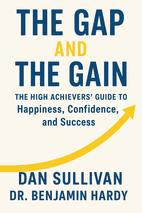
The Gap and The Gain
by Benjamin Hardy
What is the book The Gap and The Gain about?
Benjamin Hardy's The Gap and The Gain introduces a psychological framework for measuring progress by focusing on how far you've come rather than an idealized future. It's for high achievers and professionals seeking greater satisfaction by shifting from chronic dissatisfaction to acknowledging accomplishments.
Feature
Insta.Page
Blinkist
Shortform
Summary Depth
Full Chapter-by-Chapter
15-min overview
Section-by-section guides
Audio Narration
✓
✓
✓
Visual Mindmaps
✓
✕
✕
AI Q&A
✓
✕
✕
Quizzes
✓
✕
✕
PDF Downloads
✓
✕
✓
Price
$89.99/yr
$146/yr (PRO)
$199/yr
*Competitor data last verified July 2026.
1 Page Summary
In The Gap and The Gain, Benjamin Hardy introduces a powerful psychological framework for measuring personal and professional progress. The central concept distinguishes between being "in the Gap"—focusing on the distance between where you are and an idealized, often unattainable, future goal—and being "in the Gain"—measuring your progress backward from where you started. Hardy argues that the "Gap" mindset, which is the default for many high achievers, leads to chronic dissatisfaction, stress, and a feeling of never being "enough," as the goalpost for success constantly moves.
The book's philosophy is heavily influenced by the work of strategic coach Dan Sullivan, who originally coined the terms. Hardy expands upon this idea by placing it in the context of modern achievement culture, where societal pressure and social media comparisons exacerbate the feeling of being in the Gap. He provides a practical methodology for shifting one's measurement system, encouraging readers to actively track and acknowledge their accomplishments, learnings, and growth relative to their past selves, thereby fostering a sense of fulfillment and motivation.
The lasting impact of The Gap and The Gain lies in its actionable approach to well-being and success. It offers a mental model that is simple to understand but profound in its application, helping individuals break the cycle of perpetual striving without satisfaction. By teaching readers to measure backward, the book provides a tool for cultivating gratitude, resilience, and a more positive self-concept, fundamentally changing how one experiences the journey of personal and professional development.
Chapter 1: Embrace the Freedom of “Wants”: Avoid the Attachment of “Needs”
Overview
Dan Jansen's Olympic journey reveals a transformative mindset shift where he moved from focusing on what he lacked—the GAP—to appreciating his past achievements and blessings—the GAIN. This change filled him with gratitude and joy, leading to a world-record performance and gold medal. Scientific research, such as Barbara Fredrickson's broaden-and-build theory, supports this, showing that positive emotions like gratitude broaden cognitive options and enhance performance, creating a virtuous cycle of confidence driven by recalling past successes.
A central theme explores the trap of attaching happiness to external "needs," which fosters desperation and narrows focus, versus the freedom of "wants," which encourages innovation and abundance. Dan Jansen's victory came only when he stopped needing the gold and instead wanted it as an expression of gratitude. Similarly, Trevor Lawrence's experience with media criticism highlights how intrinsic motivation and harmonious passion—where dedication comes from love rather than obligation—lead to higher performance and well-being, contrasting with obsessive passion rooted in unresolved needs.
Playing the long game involves embracing harmonious passion, where you're fully committed without rushing to fill internal voids, allowing for mindful engagement and flow. This ties into the concept of freedom from versus freedom to, where external liberation removes obstacles, but internal empowerment enables conscious choices and authentic living. Ideals should serve as inspirational guides rather than rigid benchmarks, helping shift from compulsive striving to contented, purposeful action. By focusing on the GAIN, you can appreciate the present, define your own fulfillment, and pursue goals with unwavering commitment, free from the GAP's cycle of dissatisfaction.
Dan Jansen's Olympic Transformation
Dan Jansen's journey as a speed skater illustrates a profound shift in mindset. Despite being hailed as the most talented skater of his time, he faced repeated disappointments in major competitions, often falling short due to unforeseen flukes. By the 1994 Olympics, after another heartbreak in his strongest event, he approached his final race with a new perspective. Instead of fixating on the medal he felt he needed to validate his success, he focused on the GAINS in his life—the support of coaches, love from family, and the joy skating had brought him. This shift from the GAP (measuring against an ideal) to the GAIN (appreciating past achievements) filled him with gratitude and joy. Skating with a smile, he broke a world record and won his only Olympic gold, demonstrating that happiness rooted in internal appreciation precedes peak performance.
The Psychology of Positive Emotions
Scientific research, including Dr. Barbara Fredrickson's broaden-and-build theory, shows that positive emotions like gratitude broaden cognitive and behavioral options, fostering creativity and better decision-making. In high-stakes situations, individuals in a state of gratitude perceive more possibilities and perform at higher levels. Negative emotions, by contrast, narrow focus and limit flexibility. Dan Jansen's experience exemplifies this: by embracing positive emotions, he entered a virtuous cycle where joy enhanced his performance, which in turn boosted his confidence. Confidence, as studies indicate, stems from prior successes, not the other way around. Referencing one's GAINS—past achievements and blessings—can instantly elevate confidence and drive, whether in sports, law, or personal growth, as seen in Kate Dewhirst's approach to coaching health care professionals.
The Trap of "Needs" vs. the Freedom of "Wants"
A core insight in this chapter is the destructive nature of attaching happiness to external "needs." When you believe you need something—like a medal, approval, or wealth—to feel whole, you're in the GAP, chasing an unreachable target. This creates urgency and desperation, often masking internal pain. Dan Jansen's victory came only when he stopped needing the gold and instead wanted it as an expression of gratitude. Similarly, entrepreneur Naval Ravikant emphasizes that happiness is internal and self-determined. The shift from need to want is crucial: needing implies codependence and scarcity, while wanting fosters innovation and abundance. Practical exercises encourage self-reflection, such as identifying what you feel you "need" for happiness and recognizing past instances where this created an unhealthy GAP.
Trevor Lawrence and the Media Misunderstanding
Trevor Lawrence, a top football prospect, faced backlash for stating he didn't "need" football to feel worthy, highlighting a common misconception about high performance. The media interpreted his balanced perspective as a lack of commitment, but Lawrence clarified that his motivation is intrinsic—he loves the game and is driven by internal standards, not external validation. Research supports that this harmonious passion, where you control your dedication rather than being controlled by it, leads to higher performance and well-being. Unlike obsessive passion, which is impulsive and linked to low self-esteem, harmonious passion enhances other life areas and fosters flow states. Lawrence's mindset shows that you can be 100% committed without unhealthy attachment, aligning with psychological findings on grit and long-term success.
Playing the Long Game with Harmonious Passion
The distinction between obsessive and harmonious passion is key to sustainable achievement. Obsessive passion, driven by unresolved needs, leads to short-term thinking and disconnection from oneself and others. In contrast, harmonious passion, rooted in intrinsic motivation, allows for mindful engagement and flow. Dan Sullivan's observation that many high achievers are "here but wanting to be there" underscores the GAP mentality. By embracing the present and appreciating GAINS, you can play the long game—fully committed to goals without rushing to fill internal voids. The author's personal story with his wife, Lauren, illustrates how letting go of the need to be "there" and choosing to be "here" brought freedom and alignment, enabling deeper fulfillment and progress.
Playing the Long Game with the GAIN
When you're fully immersed in the GAIN, you discover that the relentless pursuit of "there" dissolves into a deep appreciation for "here." This mindset shift allows you to embrace the present moment while still pursuing ambitious goals. You're no longer trapped by the need for external validation or comparison to others' success metrics. Instead, you define what fulfillment means to you and recognize that you're already living the life you've chosen. The GAIN fosters a sense of autonomy, where you're free to love your current journey and the path ahead, unshackled from the GAP's cycle of perpetual dissatisfaction.
A series of reflective questions encourages you to explore areas of obsessive passion, identify what you genuinely love about your life and work, and clarify your long-term vision. By examining whether you have a timeline that allows for enjoyment rather than rushed achievement, you can pinpoint the GAINS you've already made and reconsider your priorities through the lens of playing the long game.
Freedom "From" vs. Freedom "To"
Drawing from Erich Fromm's Escape from Freedom, this section distinguishes between two types of liberty. "Freedom from" refers to external liberation—such as escaping hunger, coercion, or unjust laws—that removes obstacles from your path. In contrast, "Freedom to" is an internal capacity, empowering you to make conscious choices, exercise courage, and take ownership of your direction. For instance, while "freedom from" might mean not being enslaved, "freedom to" involves selecting your meals or shaping your identity.
This concept aligns with Abraham Maslow's hierarchy of needs, where lower levels represent "freedom from" basics like safety and esteem, while self-actualization embodies "freedom to" be your authentic self. In societies with ample external freedoms, like America, the real challenge lies in seizing the internal freedom to live authentically, beyond societal expectations.
Ideals Aren't for Measurement
Ideals serve as motivational guides rather than rigid benchmarks for success. When you're stuck in the GAP, you're striving to free yourself from something—a lack or need that hinders happiness. Breaking free from this cycle is the first step toward autonomy. Once you transition to the GAIN, you enter the realm of "freedom to," where you can wholeheartedly pursue your desires without unhealthy attachments, fully embracing the present.
Key Takeaways
The GAP stems from unhealthy needs or external attachments, keeping you focused on escaping "here" to reach an elusive "there."
The GAIN is rooted in harmonious passion and intrinsic motivation, allowing you to be content and free in the present moment.
"Freedom from" addresses external constraints, while "freedom to" empowers internal choice and self-direction.
Ideals should inspire rather than measure progress, helping you shift from compulsion to conscious living.
Embracing the GAIN enables full commitment and high performance, as you operate from a place of want, not need.
Key concepts: Chapter 1: Embrace the Freedom of “Wants”: Avoid the Attachment of “Needs”
1. Chapter 1: Embrace the Freedom of “Wants”: Avoid the Attachment of “Needs”
The GAP vs. GAIN Mindset Shift
Focusing on the GAP (what's missing) creates dissatisfaction and limits performance
Embracing the GAIN (past achievements and blessings) fosters gratitude and joy
Dan Jansen's Olympic victory came when he shifted from GAP to GAIN thinking
GAIN mindset creates virtuous cycle of confidence and enhanced performance
Psychology of Positive Emotions
Positive emotions broaden cognitive options and enhance creativity
Gratitude specifically improves decision-making in high-stakes situations
Negative emotions narrow focus and limit flexibility
Confidence stems from recalling past successes, not preceding them
Freedom of Wants vs. Attachment of Needs
"Needs" create desperation and mask internal pain
"Wants" foster innovation and abundance mindset
Happiness is internal and self-determined, not dependent on external validation
Shift from need to want transforms motivation from scarcity to expression
Harmonious vs. Obsessive Passion
Harmonious passion comes from love and internal standards
Obsessive passion stems from unresolved needs and external validation
Harmonious passion enhances all life areas and fosters flow states
You can be fully committed without unhealthy attachment
Playing the Long Game
Freedom from removes obstacles, freedom to enables conscious choices
Ideals serve as inspirational guides rather than rigid benchmarks
Mindful engagement replaces compulsive striving
Long-term success comes from contented, purposeful action
Obsessive vs. Harmonious Passion
Obsessive passion is driven by unresolved needs and leads to short-term thinking and disconnection
Harmonious passion is rooted in intrinsic motivation and allows for mindful engagement and flow
The GAP mentality reflects being 'here but wanting to be there' rather than appreciating the present
Letting go of the need to be 'there' brings freedom and alignment for deeper fulfillment
Playing the Long Game with the GAIN
The GAIN mindset dissolves relentless pursuit into deep appreciation for the present moment
Freedom from external validation and comparison to others' success metrics
Autonomy to define personal fulfillment and recognize you're already living your chosen life
Reflective questions help identify obsessive passions and clarify long-term vision with enjoyment
Freedom 'From' vs. Freedom 'To'
'Freedom from' refers to external liberation from obstacles like hunger, coercion, or unjust laws
'Freedom to' is an internal capacity for conscious choice, courage, and ownership of direction
In societies with external freedoms, the real challenge is seizing internal freedom to live authentically
Ideals as Motivational Guides
Ideals serve as inspiration rather than rigid benchmarks for measuring success
The GAP represents striving to free yourself from something that hinders happiness
Transitioning to the GAIN enables 'freedom to' pursue desires without unhealthy attachments
Shift from compulsion to conscious living by embracing ideals as directional guides
Core Distinctions Between GAP and GAIN
GAP stems from unhealthy needs and external attachments focused on escaping 'here'
GAIN is rooted in harmonious passion and intrinsic motivation for present contentment
GAP mentality creates perpetual dissatisfaction while GAIN enables full commitment
Operating from 'want' rather than 'need' allows for high performance without internal voids
💡 Try clicking the AI chat button to ask questions about this book!
Chapter 2: Be Self-Determined: Define Your Own Success Criteria
Overview
Overview
This chapter explores how our definitions of success are often shaped by external forces rather than our own values, trapping us in what the author calls "the GAP"—a state of constant comparison and dissatisfaction. Through vivid examples and psychological insights, it reveals how societal systems like education and social media condition us to measure ourselves against ever-shifting ideals, undermining our autonomy. The path to fulfillment lies in breaking free from these external reference points by crafting personal success criteria, fostering self-determination, and learning to measure progress based on our own growth rather than others' achievements.
The Trap of External Reference Points
Many people, like the high school student described, fall into the GAP by tying their self-worth to approval from others—whether it's college admissions, test scores, or social media validation. This stems from a childhood trained in external comparisons, where success is measured against national averages or peer performance. The education system, historically designed to produce compliant workers, reinforces this by prioritizing obedience over creativity. When we adopt society's metrics—money, fame, or likes—we end up on a "hedonic treadmill," chasing ideals that never satisfy. Key questions to reflect on include identifying your reference points and why you chose them, highlighting the importance of shifting from external to internal measures.
The Power of Self-Determination
Self-determination theory emphasizes autonomy as essential for motivation and well-being. Being self-determined means you set your own goals, define success on your terms, and no longer compete with others. It involves intrinsic motivation, where you control your destiny without needing external validation. However, modern distractions like social media make this challenging by fostering FOMO (fear of missing out) and upward social comparisons, which erode self-esteem and deepen the GAP. Research shows that over 90% of social media users compare themselves to others, often feeling inadequate. The antidote is to measure your GAINS—your personal progress—rather than gaps, as illustrated by Sandi McCoy's weight-loss journey, where she learned to ignore critics and define success based on her daily achievements.
Crafting Your Success Criteria
Defining personal success criteria is a practical step toward self-determination. Examples like entrepreneur Dean Jackson's list—"I know I'm being successful when..."—show how clear, internal benchmarks guide decisions and reduce FOMO. Similarly, Lee Brower's filtering questions help align opportunities with values and strengths. The British rowing team's simple filter, "Will it make the boat go faster?", demonstrates how a focused criterion can accelerate progress. Exercises encourage creating your own list, such as journaling responses to "I'm being successful when..." and refining it over time. This process builds confidence by ensuring your actions align with your definition of success, not society's.
Applying Your Filters in Daily Life
Once you've established success criteria, use them as filters for decisions, from small choices like daily habits to major opportunities. This involves saying "no" to anything that misaligns, as Derek Sivers suggests with his "Hell Yeah!" test. Regularly revisiting and adjusting your criteria ensures they evolve with your growth, keeping you grounded in the GAIN. For instance, simplifying your list into a quick filter—like the rowing team's—can help maintain momentum and avoid distractions.
Key Takeaways
External reference points, such as societal standards or social media comparisons, keep you in the GAP by making success unattainable and shifting.
Shifting to internal reference points through self-determination allows you to define and achieve success on your own terms, fostering happiness in the present.
Living in the GAIN means measuring your progress against yourself, not others, leading to autonomy and intrinsic motivation.
Creating and applying personal success criteria as decision filters empowers you to stay aligned with your values and accelerate toward your goals.
Key concepts: Chapter 2: Be Self-Determined: Define Your Own Success Criteria
2. Chapter 2: Be Self-Determined: Define Your Own Success Criteria
The Trap of External Reference Points
External validation traps people in 'the GAP' - constant comparison and dissatisfaction
Education systems historically prioritize obedience over creativity and self-determination
Societal metrics (money, fame, likes) create a 'hedonic treadmill' of chasing unsatisfying ideals
Childhood conditioning teaches external comparisons against peers and national averages
The Power of Self-Determination
Autonomy is essential for motivation and well-being according to self-determination theory
Intrinsic motivation means controlling your destiny without external validation
Social media fosters FOMO and upward comparisons that erode self-esteem
Measuring GAINS (personal progress) rather than gaps builds fulfillment
Crafting Personal Success Criteria
Create clear internal benchmarks using 'I know I'm being successful when...' statements
Use filtering questions to align opportunities with values and strengths
Simple, focused criteria (like 'Will it make the boat go faster?') accelerate progress
Regular journaling and refinement build confidence in personal definitions of success
Applying Success Filters in Daily Life
Use criteria as decision filters for both small habits and major opportunities
Practice saying 'no' to misaligned options using tests like 'Hell Yeah!'
Regularly revisit and adjust criteria as you grow and evolve
Simplify criteria into quick filters to maintain momentum and avoid distractions
Chapter 3: The Compound Effect of the GAP or GAIN: Train Your Brain to See GAINS
Overview
Chronic GAP thinking doesn't just drain your mental energy—it imposes a real physical burden, accelerating aging and shortening lifespan, as evidenced by studies where optimistic individuals often live over a decade longer than their pessimistic counterparts. Your perception of experiences, whether it's reframing daily chores as beneficial exercise or reacting to perceived calorie counts in a milkshake, directly shapes how your body metabolizes stress and nutrients, thanks to insights from epigenetics. This power of framing allows you to transform even deeply painful events, like a divorce, into opportunities for growth by focusing on the GAINS—such as cherished memories and lasting relationships—rather than the losses. However, it's easy to fall into the comparison trap, where measuring yourself against others triggers a scarcity mindset, but gratitude serves as a potent antidote, helping you appreciate what you have and avoid emotional reactivity. To consistently stay in the GAIN, practical tools like mental subtraction encourage you to imagine life without positive elements, heightening appreciation, while the 5-minute rule provides a structured way to limit dwelling on setbacks before shifting focus to progress. By pre-planning responses with implementation intentions and integrating Tiny Habits into daily routines, you can rewire your brain to automatically default to a GAIN perspective, fostering resilience and creating a positive compound effect that enhances both well-being and achievement.
The Physical Toll of Chronic GAP Thinking
The GAP creates a physiological burden that accelerates aging and compromises health. While short-term stress can be beneficial (hormetic stress), prolonged exposure to the GAP creates toxic stress that overwhelms your system. Each episode of GAP thinking acts as a microtrauma, and the cumulative effect can significantly shorten your lifespan through cellular damage and systemic overwork.
Research reveals that optimistic people often live 10+ years longer than their pessimistic counterparts. The landmark nun study demonstrated this dramatically—the happiest nuns lived nearly a decade longer than their less happy counterparts, with 90% of the most joyful group still alive at age 85 compared to only 34% of the least happy nuns.
How Perception Shapes Biology
Your interpretation of experiences literally determines how your body metabolizes them. The field of epigenetics confirms that your perception of events, regardless of their objective nature, dictates their physical impact on your system.
The hotel housekeeper study showed remarkable physical changes when workers simply reframed their cleaning as "good exercise"—they lost weight, reduced blood pressure, and improved body composition without changing their actual behavior. Similarly, the milkshake study demonstrated that participants' ghrelin levels (hunger hormone) responded to their perception of the shake's calorie content rather than its actual nutritional value.
Transforming Trauma Through Reframing
Two people can experience identical events with radically different outcomes based on how they frame the experience. The context you assign determines the psychological and physical impact of the content.
Jeff's divorce story illustrates this powerfully. Despite enduring what he called "the most painful experience" of his life, he chose to frame it with compassion and gratitude—appreciating 15 years of beautiful marriage and three children as permanent GAINS. This reframing allowed him to process the stress in a way that made him "healthier and better, not worse."
The Comparison Trap
Comparison consistently triggers GAP thinking, creating scarcity mindsets even in abundance. The author's children provide simple but powerful examples: his daughter Zorah became miserable over losing one of six spoons, unable to appreciate the five she retained, while his son complained about receiving the "smallest" piece of a shared cookie rather than appreciating receiving any cookie at all.
Research shows that people with low emotional intelligence are highly sensitive to "fairness violations" and will often reject beneficial offers entirely if they perceive inequality. Gratitude serves as a powerful antidote, helping people appreciate their GAINS and make smarter economic decisions rather than getting emotionally reactive.
Practical Strategies for Staying in the GAIN
Catch yourself and call it out when you slip into the GAP. The author shares his own moment of snapping at his son during garage cleaning, then modeling accountability by apologizing and explaining the GAP concept. Simple acknowledgment—"Whoops, I went into the GAP. Sorry about that"—can quickly reset the dynamic.
Create accountability systems by teaching the GAP/GAIN framework to five trusted people and giving them permission to call you out. Colleen's story demonstrates how both her team member and son helped her recognize her perpetual dissatisfaction, leading to implementing celebration rituals that immediately improved office morale.
Measure your own progress rather than comparing against others. The key is recognizing that being in the GAIN doesn't mean accepting unfair treatment—it means appreciating your forward movement without getting derailed by temporary inequalities or setbacks.
Mental Subtraction
The chapter introduces mental subtraction as a transformative practice for shifting perspective from the GAP to the GAIN. Inspired by the classic film It's a Wonderful Life, where George Bailey sees the world without his influence, this technique involves imagining the absence of positive elements in your life—like relationships, health, or achievements—to heighten appreciation. Research confirms that mentally subtracting a good thing, such as a romantic partner or a cherished possession, boosts gratitude and happiness more than simply recalling it. For instance, studies show that people who imagined never meeting their partner reported higher relationship satisfaction afterward. The exercise is simple: write down how life would differ without something important, then refocus on the present to recognize it as a GAIN. This practice helps combat taking things for granted and reinforces measuring progress backward, against where you started, rather than against idealistic forward measures.
The 5-Minute Rule
A powerful real-world application comes from a college soccer coach who implemented a "5-minute rule" to manage setbacks. After losses, players were allowed only five minutes to dwell in the GAP—feeling upset or defeated—before shifting focus to the GAIN. The coach used timed intervals: five minutes for sulking, ten minutes to discuss positive game moments, and twenty minutes to highlight teammates' good actions, after which the game was never mentioned again. This approach, emphasizing mindset and endurance over skill, transformed the team from constant losers to NCAA Division II champions. Kim Butler, a former player, later applied this principle to her financial advising business, shifting from forward-focused metrics like net worth to backward measures like savings and investment income over the past 90 days. By limiting GAP time to five minutes and then moving to the GAIN, she regained happiness and success, demonstrating how this rule fosters resilience and tangible progress.
Implementation Intentions
To proactively handle obstacles, the chapter explores implementation intentions—a strategy from performance psychology that involves pre-planning responses to potential setbacks. For example, if you're dieting, you might decide in advance to do push-ups instead of eating sugar when tempted. This reduces decision fatigue and willpower burnout by removing guesswork in challenging moments. The soccer coach's 5-minute rule serves as a perfect implementation intention, training players to have a set response for when they fall into the GAP. Research shows that such plans increase self-control, as they provide a clear path to regain focus and avoid spiraling into negative patterns. The key is to anticipate difficulties and craft simple, actionable responses that align with your goals, turning potential failures into opportunities for growth.
Tiny Habits
Building on implementation intentions, BJ Fogg's Tiny Habits method offers a practical way to embed new behaviors by attaching them to existing routines. This involves creating "Tiny Habit Recipes" where a desired action follows a habitual trigger. Examples from the chapter include: after comparing yourself to others, asking "Are you in the GAP or the GAIN?" or after feeling discouraged, listing three recent GAINS. These small, consistent actions help rewire your brain to default to the GAIN perspective over time. By integrating these habits into daily life, you can automatically shift out of the GAP, reinforcing positive patterns without relying on sheer willpower. The method emphasizes starting small to build momentum, making it easier to maintain a GAIN-focused mindset in the long run.
Key Takeaways
Being in the GAP creates a negative compound effect, while being in the GAIN fosters a positive one, with happy people often living 10+ years longer.
How you frame experiences influences how your body processes them, and having language for the GAP and GAIN helps you perceive and use these concepts.
Call yourself out when in the GAP and encourage loved ones to do the same, fostering accountability.
Practice mental subtraction to appreciate GAINS by imagining life without positive elements.
Use implementation intentions and Tiny Habits, like the 5-minute rule, to pre-plan responses to setbacks and build new, GAIN-focused behaviors.
Key concepts: Chapter 3: The Compound Effect of the GAP or GAIN: Train Your Brain to See GAINS
3. Chapter 3: The Compound Effect of the GAP or GAIN: Train Your Brain to See GAINS
The Physical Toll of Chronic GAP Thinking
Chronic GAP thinking creates physiological burden that accelerates aging and shortens lifespan
Each GAP episode acts as microtrauma with cumulative cellular damage
Optimistic people live 10+ years longer than pessimistic counterparts
Nun study showed happiest nuns lived nearly a decade longer with 90% survival at age 85
How Perception Shapes Biology
Epigenetics confirms perception dictates physical impact of experiences
Hotel housekeepers lost weight and improved health by reframing cleaning as exercise
Milkshake study showed hunger hormones responded to perceived calorie content
Interpretation of events determines how body metabolizes stress and nutrients
Transforming Trauma Through Reframing
Identical events produce different outcomes based on framing
Context assigned determines psychological and physical impact
Divorce example shows focusing on GAINS (memories, children) rather than losses
Reframing painful experiences allows processing stress in healthier ways
The Comparison Trap
Comparison triggers GAP thinking and scarcity mindset
Examples: daughter miserable over one lost spoon, son complaining about cookie size
Low emotional intelligence increases sensitivity to fairness violations
Gratitude serves as antidote to comparison and emotional reactivity
Practical Strategies for Staying in the GAIN
Catch and call out GAP thinking with simple acknowledgment
Create accountability systems by teaching framework to trusted people
Measure personal progress rather than comparing against others
Mental subtraction: imagine life without positives to heighten appreciation
5-minute rule: limit dwelling on setbacks before shifting to progress
Implementation Tools for GAIN Perspective
Implementation intentions pre-plan responses to potential setbacks
Tiny Habits integrate GAIN thinking into daily routines
Rewire brain to automatically default to GAIN perspective
Create positive compound effect enhancing well-being and achievement
Mental Subtraction
Imagine life without positive elements to heighten appreciation and gratitude
Research shows this boosts happiness more than simply recalling good things
Write down how life would differ without something important, then refocus on the present
Helps combat taking things for granted and reinforces measuring progress backward
The 5-Minute Rule
Limit dwelling in the GAP to only five minutes after setbacks
Shift focus to GAINS through structured positive reflection periods
Transformed a soccer team from losers to NCAA champions
Applied to business by shifting from forward metrics to backward measures
Fosters resilience by preventing extended negative spiraling
Implementation Intentions
Pre-plan responses to potential obstacles and setbacks
Reduces decision fatigue and willpower burnout
Provides clear path to regain focus when falling into the GAP
Research shows increased self-control through planned responses
Turns potential failures into growth opportunities
Tiny Habits Method
Attach new GAIN-focused behaviors to existing routines
Create 'Tiny Habit Recipes' with triggers and desired actions
Rewire brain to default to GAIN perspective automatically
Examples include asking 'GAP or GAIN?' after comparisons
Build momentum through small, consistent actions
Practical Applications
Call yourself out when in the GAP and encourage accountability
Shift from forward-focused metrics to backward progress measures
Use language of GAP and GAIN to frame experiences consciously
Limit negative thinking time while expanding positive reflection
Build systems that automatically redirect toward GAIN perspective
Chapter 4: Always Measure Backward: Increase Your Hope and Resilience
Overview
Jill Bishop, a public school physical therapist, demonstrates the profound impact of looking back at progress through her emotional phone calls to parents of children with extreme disabilities. By reminding them of milestones once deemed impossible, like Rosie navigating uneven surfaces after being told she couldn't learn, Jill highlights how backward measurement fosters hope and resilience. This practice reveals that our brains often overlook growth due to automaticity, where skills become so ingrained we forget the struggles to achieve them. The Conscious Competence Learning Model explains this, showing how we move from unconscious incompetence to unconscious competence, making it easy to dismiss past challenges.
To counter this, strategies like the A.M.B. principle—Always Measure Backward—help reframe perspectives, as seen with entrepreneurs who compare current successes to humble beginnings. Documenting progress through journaling, with prompts on wins and future goals, creates tangible snapshots of growth. Specificity is crucial; vague assessments fall short, while concrete examples, like listing financial gains or personal milestones, provide undeniable evidence of advancement. Embracing the joy of being wrong, as practiced by Josh Waitzkin and admired in Daniel Kahneman, encourages continuous learning by reflecting on how beliefs evolve over time.
Practical steps include regular 90-day reflections on GAINS, covering professional, personal, and emotional domains, such as ending unproductive relationships or celebrating family achievements. Sharing these GAINS in supportive environments, without falling into comparison traps, amplifies motivation and builds community. By integrating backward measurement into daily routines, individuals boost confidence and resilience, setting the stage for sustained momentum in personal growth.
Jill Bishop's Transformative Practice
Jill Bishop, a public school physical therapist, makes emotional phone calls to parents of children with extreme disabilities. During these calls, she reminds them of milestones their children have achieved that once seemed impossible. Her patient Rosie, diagnosed with lissencephaly ("smooth brain"), was told by doctors she couldn't learn or develop. Yet Jill recently reminded Rosie's parents that just one year earlier, walking on grass had been an overwhelming challenge—now Rosie navigates uneven surfaces with ease.
These annual reviews became humbling moments for Jill herself. By consciously looking backward, she could see tangible proof that Rosie was capable of growth despite medical predictions. This backward measurement provided hope and motivation for everyone involved.
The Psychology of Forgetting Progress
Why We Overlook Gains
Human brains are wired to adapt quickly to new circumstances through automaticity—the process where conscious actions become unconscious competence. This neurological efficiency comes with a cost: we forget our struggles and growth. The Conscious Competence Learning Model illustrates this progression:
Unconscious Incompetence - Not knowing what you don't know
Conscious Incompetence - Aware of your limitations
Conscious Competence - Can perform with focused effort
Once we reach stage four, we operate so differently that we can't simply return to our former perspective. Memory reconstruction means we constantly reinterpret past events through our current mental framework, making it easy to forget earlier struggles and the progress we've made.
Practical Applications of Backward Measurement
Strategic Coach's Reality Check
Entrepreneurs earning $200,000+ frequently don't consider themselves successful. Coach Chad Johnson demonstrates this by asking groups to raise hands if they feel successful—typically, no hands go up. These high achievers measure themselves against future ideals rather than past starting points.
Johnson introduces the A.M.B. principle: Always Measure Backward. He guides them to recall their original goals ("If I could make $50,000, that would be awesome!") and compare them to current achievements. This reframing creates immediate perspective shifts about their teams, families, and personal growth.
Documenting Progress Systems
The author maintains a simple journaling system answering five questions every few months:
Where am I right now?
What are my wins from the past 90 days?
What are my desired wins for the next 90 days?
Where will I be in 12 months?
Where will I be in 3 years?
This creates snapshots that make progress visible when reviewed later. Don Bradley reported that enumerating daily wins created an "upward spiral" in self-efficacy, making him feel unstoppable.
The Power of Specificity
Vague assessments like "things are pretty good" don't ground us in reality. Specific measurements ("this project earned ten times more than last year") provide concrete evidence of progress. The author models this by listing specific gains across different timeframes—from decade-long transformations to recent 90-day achievements—demonstrating how backward measurement builds confidence and momentum.
Reflection and the Joy of Being Wrong
Josh Waitzkin’s practice of asking himself every 90 days, “What did I believe 3 months ago that I no longer believe today?” serves as a powerful tool for continuous growth. By journaling on this question, he aims to be “less wrong” over time, embodying the GAIN mindset. Similarly, Adam Grant’s exploration of “the joy of being wrong” highlights how embracing intellectual humility fuels learning. In a conversation with Daniel Kahneman, Grant noted Kahneman’s willingness to update his views, even on his own seminal work Thinking, Fast and Slow. Kahneman’s response—expressing delight in learning and evolution—showcases how measuring backward isn’t about perfection, but progress.
Practical Steps for Measuring Your GAINS
To apply this in your own life, the chapter encourages a structured approach to reflection. Every 90 days, pull out a journal and list your GAINS, focusing on both tangible accomplishments and shifts in mindset. Key prompts include:
What is the most important progress you’ve made in the past 90 days?
What lessons have you learned?
What are you proud of from the past 90 days?
This practice acts as a personal “update” for your perspectives, much like software upgrades for a device, ensuring you function better and stay aligned with your growth.
Personal Examples of GAINS in Action
The author shares specific GAINS from their recent 90-day period to illustrate this process:
Ending a relationship with a literary agent that no longer served their goals.
Terminating an undesirable book contract and securing a four-book deal with Hay House.
Learning from a financial mistake in cryptocurrency by shifting to a long-term, emotion-free investment strategy.
Family milestones, such as a child attending space camp and planning a trip to Europe.
Personal health improvements through consistent running with a coach.
These examples demonstrate that GAINS encompass professional, personal, and emotional domains, reinforcing that growth is multidimensional.
Sharing GAINS Without Comparison
Many people feel uncomfortable sharing their progress, often due to a culture that emphasizes comparison (the “GAP”). However, the GAIN approach is not about boasting; it’s about genuine self-measurement and fostering a supportive community. Starting with private journaling can build confidence, but sharing GAINS with trusted individuals can amplify motivation and create a positive feedback loop, free from competition.
Building Momentum for Daily GAINS
As you integrate this backward measurement into your routine—monthly or weekly—it boosts confidence and resilience. The chapter sets the stage for the next focus: measuring DAILY GAINS to maintain momentum and stay consistently in the GAIN.
Key Takeaways
Regular reflection on past beliefs and achievements helps you recognize growth, boosting hope and resilience.
Journaling or annual reviews provide context to see how far you’ve come, counteracting the tendency to forget GAINS.
Embracing the “joy of being wrong” fosters continuous learning and personal evolution.
Measuring GAINS across different time frames (e.g., 90 days) reinforces progress and motivates future action.
Sharing GAINS in a supportive environment enhances motivation without falling into comparison traps.
Always measure backward to anchor your growth and build a foundation for moving forward.
Key concepts: Chapter 4: Always Measure Backward: Increase Your Hope and Resilience
4. Chapter 4: Always Measure Backward: Increase Your Hope and Resilience
The Power of Backward Measurement
Jill Bishop's emotional calls to parents highlight transformative impact of reviewing progress
Comparing current achievements to past struggles reveals growth that brains often overlook
Backward measurement fosters hope and resilience by making progress visible
Provides tangible proof of capability against limiting predictions and beliefs
Psychological Barriers to Recognizing Progress
Automaticity causes us to forget struggles as skills become unconscious competence
Conscious Competence Learning Model explains progression from unaware to automatic mastery
Memory reconstruction filters past events through current mental frameworks
We operate so differently at mastery level that we lose perspective on former limitations
Practical Implementation Strategies
A.M.B. principle (Always Measure Backward) reframes perspective by comparing current success to humble beginnings
Regular journaling with specific prompts creates snapshots of growth over time
Specific measurements provide concrete evidence versus vague assessments
90-day reflection cycles on GAINS across professional, personal, and emotional domains
Growth Through Intellectual Humility
Josh Waitzkin's practice: 'What did I believe 3 months ago that I no longer believe today?'
Embracing 'the joy of being wrong' as celebrated by Daniel Kahneman and Adam Grant
Journaling to track evolution of beliefs and become 'less wrong' over time
Measuring backward as progress-focused rather than perfection-focused approach
Community and Momentum Building
Sharing GAINS in supportive environments amplifies motivation
Avoiding comparison traps while building community through progress sharing
Documenting wins creates upward spiral in self-efficacy and confidence
Integrating backward measurement into routines sustains growth momentum
Practical Steps for Measuring Your GAINS
Conduct structured reflection every 90 days using journaling
Focus on both tangible accomplishments and mindset shifts
Use specific prompts to identify important progress and lessons learned
Treat this practice as a personal 'update' for better functioning
Personal Examples of GAINS in Action
Professional gains include ending unproductive relationships and securing better opportunities
Financial learning from mistakes leads to improved long-term strategies
Family milestones and personal health improvements count as meaningful GAINS
Demonstrates that growth spans professional, personal, and emotional domains
Shows GAINS are multidimensional and encompass all life areas
Sharing GAINS Without Comparison
Overcome discomfort by recognizing GAINS are about self-measurement, not boasting
Start with private journaling to build confidence before sharing
Share with trusted individuals to create positive feedback loops
Maintain focus on genuine progress rather than competitive comparison
Foster supportive communities free from comparison culture
Building Momentum for Daily GAINS
Integrate backward measurement into regular routines (monthly or weekly)
Use consistent reflection to boost confidence and resilience
Transition from periodic to daily GAINS measurement for sustained momentum
Maintain consistent presence in the GAIN mindset through regular practice
Core Principles of the GAINS Approach
Regular reflection on past beliefs and achievements boosts hope and resilience
Journaling provides essential context to recognize progress that might otherwise be forgotten
Embrace the 'joy of being wrong' as a catalyst for continuous learning
Measure GAINS across different time frames to reinforce progress and motivation
Always measure backward to anchor growth and build forward momentum
You've reached the end of the free chapters
Next chapter: “Transform EVERY Experience into a GAIN: Take Ownership of Your Past” is locked
Keep reading The Gap and The Gain — and unlock all 600+ book summaries with audio, mindmaps and AI Q&A.
$0.00 due today · 7 days free, then $89.99/year ($7.49/mo) · Cancel anytime before day 7