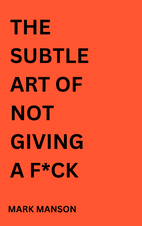
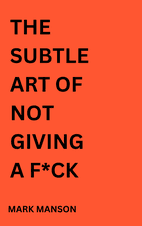
What is the book The Subtle Art of Not Giving a F*ck about?
Mark Manson's The Subtle Art of Not Giving a F*ck challenges feel-good self-help by advocating for selective caring and embracing life's inevitable struggles. It's for readers seeking a blunt, counterintuitive approach to building resilience and focusing on what truly matters.
Feature
Insta.Page
Blinkist
Shortform
The Subtle Art of Not Giving…
✓
✕
✓
Summary Depth
Full Chapter-by-Chapter
15-min overview
Section-by-section guides
Audio Narration
✓
✓
✓
Visual Mindmaps
✓
✕
✕
AI Q&A
✓
✕
✕
Quizzes
✓
✕
✕
PDF Downloads
✓
✕
✓
Price
$89.99/yr
$146/yr (PRO)
$199/yr
*Competitor data last verified July 2026.
1 Page Summary
Overview
Mark Manson challenges conventional self-help tropes, arguing that relentless positivity and obsessive goal-chasing are unrealistic and harmful. Instead, he advocates prioritizing what truly matters and accepting life’s inevitable struggles.
Key Themes
Selective Caring
We have limited energy; choose carefully where to invest your "fucks."
Focus on values that improve your life (e.g., honesty, kindness) over superficial metrics (e.g., wealth, status).
Embrace Negative Experiences
Pain and failure are inevitable; growth comes from confronting them, not avoiding them.
"The key to a good life is not giving a fuck about more things, but giving a fuck only about the right things."
Take Responsibility
Your problems are yours to solve, even if they aren’t your fault.
Ownership of your choices empowers change.
Death as Motivation
Mortality reminds us to prioritize what’s meaningful now.
Key Takeaways
Stop trying to be "positive" all the time; aim for resilience instead.
You’re not special; entitlement blocks progress.
Action > Passivity – Do something, even if it’s imperfect.
Choose struggles that align with your values.
"Who you are is defined by what you’re willing to struggle for." — Mark Manson
Chapter 1 Don’t Try.pdf
Overview
Chapter 1: Don’t Try dives headfirst into the messy contradictions of modern self-improvement culture. It starts by dismantling the myth of “positive” obsession—the relentless chase for happiness, success, or perfection that leaves people feeling emptier than before. The chapter argues that fixating on affirmations or external validation doesn’t heal insecurity; it amplifies it, trapping people in a Feedback Loop from Hell where anxiety about anxiety, or guilt about guilt, becomes its own prison. Social media’s highlight reels only deepen this spiral, framing normal struggles as personal failures.
Here’s the twist: the backwards law of happiness reveals that the harder you chase joy, the more elusive it becomes. Craving love magnifies loneliness; wanting wealth highlights scarcity. Instead, the chapter champions embracing pain as fuel. Growth isn’t about avoiding suffering but leaning into it—whether through grueling workouts, business failures, or raw honesty about insecurities. This isn’t nihilism; it’s about selective investment. True “not giving a fuck” means caring fiercely about what aligns with your values—relationships, purpose, growth—while shrugging off trivialities like others’ opinions or petty frustrations.
But why do people sweat the small stuff? The chapter pins it on a void of meaning. Without real challenges, humans invent dramas: coupon battles, social media feuds, or rage at a slow driver. These trivial concerns are bandaids for deeper existential aches. As people mature, though, they shed this noise. Practical enlightenment emerges not from blissful detachment but from accepting life’s inherent messiness. Middle age brings clarity: energy is finite, so fucks are reserved for family, passions, and the handful of things that truly matter.
The chapter closes with a bold promise: this book isn’t about fixing your problems. It’s about choosing better problems—ones worth struggling for. It rejects quick fixes and toxic positivity, urging readers to fall backward into life’s chaos, trust their resilience, and laugh at the absurdity of caring about everything. The goal? To suffer better, with humor and humility, and to stop wasting fucks on what doesn’t move the needle.
The Trap of “Positive” Obsession
Modern culture bombards us with messages to be more: happier, richer, fitter, perfect. But Manson points out that fixating on these ideals only amplifies our sense of inadequacy. Affirmations, visualization exercises, and chasing external validation become reminders of what we lack. For instance, repeating “I am beautiful” in the mirror reinforces the insecurity that drove you to say it in the first place. This obsession with positivity, Manson argues, is a feedback loop of self-judgment—a desperate scramble to fill an existential void with superficial fixes.
The Feedback Loop from Hell
Anxiety about anxiety. Anger about anger. Guilt about guilt. Manson describes this spiral as the “Feedback Loop from Hell,” where fixating on negative emotions magnifies them. Social media exacerbates this by showcasing curated, “perfect” lives, making our struggles feel uniquely shameful. Grandpa might’ve shrugged off a bad day, but today’s culture tells us feeling bad is a personal failure. Manson’s solution? Stop giving a fuck about the loop itself. By accepting negative emotions as inevitable, we disarm their power—like saying, “I feel like shit, but who cares?”
The Backwards Law of Happiness
Philosopher Alan Watts’ “backwards law” reveals a paradox: Chasing happiness guarantees unhappiness. The more you crave positivity—wealth, love, status—the more you highlight their absence. Wanting to be rich makes you feel poor; wanting to be desired magnifies insecurity. Manson flips the script: Embracing negative experiences generates growth. Pain in the gym builds strength. Business failures teach resilience. Honesty about insecurities breeds confidence. Suffering isn’t a bug in the system—it’s the system. Avoiding it only creates more suffering.
What “Not Giving a Fuck” Actually Means
Contrary to pop-culture indifference, “not giving a fuck” isn’t about apathy. It’s about selective investment. Bukowski succeeded because he owned his flaws instead of masking them. Manson contrasts this with “indifferent” people—those who pretend not to care but are actually paralyzed by fear of judgment. True non-fuckery means prioritizing what matters (values, relationships, purpose) and shrugging off the rest (others’ opinions, trivial stressors). It’s the difference between raging at a rude cashier and calmly addressing your maxed-out credit card.
Key Takeaways
Success ≠ self-improvement: Bukowski thrived by accepting his flaws, not fixing them.
Positivity backfires: Obsessing over “happiness” highlights what you lack.
Embrace the negative: Growth comes from confronting pain, not avoiding it.
Fucks are finite: Prioritize them on what aligns with your values—let everything else go.
Indifference ≠ strength: True non-fuckery is caring deeply, but selectively.
The Problem with Trivial Concerns
The chapter uses the example of an elderly woman fixated on a 30-cent coupon to illustrate how misplaced priorities stem from a lack of meaningful focus. When people have nothing significant to dedicate their energy to, they obsess over minor inconveniences—like social media drama, dead TV remote batteries, or expired coupons. These trivialities become proxies for deeper voids: loneliness, unfulfilled desires, or existential uncertainty. The author argues that “life problems” for many (especially privileged groups) are often self-invented distractions, a consequence of not having genuinely important challenges to tackle.
The Evolution of "Giving a Fuck"
As people age, they naturally become more selective about what they care about. Children obsess over everything (e.g., mismatched socks, birthday balloon colors), but maturity teaches us to prioritize what truly matters. By middle age, energy wanes, identities solidify, and people accept life’s imperfections. This leads to a liberating simplicity: reserving fucks for family, close friends, and personal passions. The author ties this to “practical enlightenment”—not a state of eternal bliss, but a grounding in life’s inevitable suffering.
The Book’s Radical Purpose
The chapter concludes by framing the book as a guide to “losing and letting go,” not achieving greatness. It rejects the cultural obsession with constant positivity, instead advocating for embracing pain as a tool and transforming problems into “slightly better problems.” The goal is to fall backward into life’s chaos, trusting you’ll survive, and to shed societal pressures to care about everything. The book promises no solutions to suffering but offers a roadmap to suffer better—with humor, humility, and clarity about what’s truly worth your limited fucks.
Key Takeaways
Trivial concerns dominate when there’s nothing meaningful to care about.
Maturity is the practice of selectively investing energy in what truly matters.
“Practical enlightenment” means accepting suffering as inevitable and using it to grow.
The book’s aim isn’t to fix problems but to help you choose better ones.
Key concepts: Chapter 1 Don’t Try.pdf
1. Chapter 1 Don’t Try.pdf
The Trap of 'Positive' Obsession
Fixating on happiness or perfection amplifies feelings of inadequacy.
Affirmations and external validation often reinforce insecurities rather than heal them.
Modern culture's pressure to 'be more' creates a feedback loop of self-judgment.
The Feedback Loop from Hell
Anxiety about anxiety or guilt about guilt magnifies negative emotions.
Social media exacerbates this by showcasing curated 'perfect' lives.
Accepting negative emotions as inevitable disarms their power.
The Backwards Law of Happiness
Chasing happiness (wealth, love, status) highlights their absence.
Avoiding suffering often creates more suffering in the long run.
What 'Not Giving a Fuck' Actually Means
It's about selective investment, not apathy—caring deeply about what aligns with your values.
True strength comes from owning flaws rather than masking them.
Prioritize energy on meaningful things (relationships, purpose) and let go of trivialities.
The Problem with Trivial Concerns
Misplaced priorities (e.g., coupon battles) stem from a lack of meaningful challenges.
Trivial dramas act as proxies for deeper existential voids.
Maturity involves shedding invented problems and focusing on what truly matters.
Practical Enlightenment and Selective Investment
Growth comes from accepting life's messiness, not detached bliss.
Middle age brings clarity—energy is finite, so reserve it for what matters.
The goal is to 'suffer better' with humor and humility, not to eliminate suffering.
Choosing Better Problems
The book isn't about fixing problems but selecting ones worth struggling for.
Reject quick fixes and toxic positivity—embrace life's chaos.
Resilience comes from trusting yourself and laughing at absurdity.
The Evolution of 'Giving a Fuck'
Children obsess over trivial things, while maturity teaches selective care about what truly matters.
Aging leads to energy conservation and acceptance of life's imperfections.
Prioritizing fucks for family, close friends, and passions creates liberating simplicity.
'Practical enlightenment' is grounding oneself in life's inevitable suffering, not eternal bliss.
The Book’s Radical Purpose
The book is a guide to 'losing and letting go,' not achieving greatness or constant positivity.
Embraces pain as a tool and transforms problems into 'slightly better problems.'
Encourages falling backward into life's chaos with trust in survival.
Rejects societal pressures to care about everything indiscriminately.
Offers no solutions to suffering but a roadmap to suffer better with humor and clarity.
Key Takeaways
Trivial concerns dominate when meaningful priorities are absent.
Maturity is selectively investing energy in what truly matters.
'Practical enlightenment' means accepting suffering as inevitable and using it for growth.
The book's goal is not to fix problems but to help choose better ones.
💡 Try clicking the AI chat button to ask questions about this book!
Chapter 2 Happiness Is a Problem.pdf
Overview
Chapter 2: Happiness Is a Problem dives into the paradoxical truth that fulfillment isn’t found in avoiding pain but in embracing it. The chapter begins with Siddhartha Gautama’s journey from sheltered prince to the Buddha, whose revelation—life is suffering—sets the tone. His story mirrors a universal human condition: whether rich or poor, everyone grapples with dissatisfaction. This isn’t a flaw but a biological reality. Our brains evolved to crave progress, not contentment, which means pain—whether physical or emotional—isn’t an enemy. It’s a feedback system, nudging us to address what’s broken.
Enter Disappointment Panda, a metaphor for society’s discomfort with harsh truths. The chapter argues that numbing pain through materialism or distraction only deepens our disconnect. Instead, happiness emerges from leaning into life’s never-ending cycle of problems. Solving one creates another—like trading financial stress for the grind of a demanding career—but this isn’t a bug. It’s the feature. Happiness is the act of solving, not the absence of struggle. Those who adopt a victim mindset stagnate, while those who engage with challenges find purpose.
The narrative weaves in the author’s own failed music career, where he idolized the image of success but recoiled from the grind. This illusion of desire—wanting outcomes without the messy process—traps many. True success, he argues, belongs to those who enjoy the struggle. Gym rats thrive on exertion; artists embrace instability. Emotions, meanwhile, aren’t commands but signals. Sadness or anger flags unresolved issues; joy rewards progress. The key is to listen without letting feelings hijack decisions.
The chapter closes with a punchy question: What pain do you want to sustain? Meaningful goals—love, career, creativity—require choosing specific struggles. Avoiding pain is impossible, but curating it isn’t. Like the Buddha learned, resisting reality fuels suffering; accepting it fuels growth. Life isn’t a climb to a summit but an endless hike where the struggle itself becomes the reward. Happiness isn’t a destination—it’s the grit, the grind, and the grace of moving forward.
The Buddha’s Quest for Meaning
The chapter opens with the story of Siddhartha Gautama, a sheltered prince who fled his life of luxury to confront human suffering firsthand. After years of extreme asceticism, he realized that neither indulgence nor self-denial brought enlightenment. His revelation? Life is suffering—rich or poor, everyone experiences pain. The Buddha’s philosophy centered on accepting suffering rather than resisting it, a theme that anchors Manson’s argument.
Disappointment Panda’s Harsh Truths
Enter Disappointment Panda, a satirical superhero who delivers uncomfortable truths. His role is to highlight society’s avoidance of pain and the consequences of chasing superficial highs. Manson uses this metaphor to argue that suffering is biologically ingrained: dissatisfaction drives human progress. Pain—physical or emotional—is a feedback mechanism, signaling when something needs attention. Avoiding it, he warns, disconnects us from reality.
The Biology of Suffering
Manson explains suffering through evolution: our brains are wired to seek improvement, not contentment. Physical pain (like stubbing a toe) and psychological pain (like heartbreak) serve similar purposes—they teach us to avoid harmful behaviors. Modern society’s attempts to numb discomfort (via materialism, distraction, or denial) backfire, depriving us of the growth that comes from confronting problems.
The Never-Ending Cycle of Problems
Life, Manson asserts, is a series of problems. Solving one creates another (e.g., buying a gym membership leads to waking up early). Happiness comes from the act of solving problems, not their absence. Those who deny their problems or adopt a victim mentality remain stuck, while those who engage with challenges find purpose. Manson critiques self-help culture for peddling “highs” (quick fixes) instead of addressing root issues.
Emotions as Feedback, Not Commands
Emotions are biological signals, not absolute truths. Negative emotions (sadness, anger) indicate unresolved problems, while positive emotions reward progress. Manson warns against overidentifying with feelings—repressing them stifles growth, but letting them dictate decisions leads to chaos. Balance comes from acknowledging emotions without letting them dominate.
Choosing Your Pain
The chapter concludes with a provocative question: “What pain do you want to sustain?” Manson argues that meaningful goals require enduring struggle. Want a great career? Embrace long hours and stress. Want love? Accept vulnerability and rejection. True fulfillment comes not from avoiding pain but from choosing struggles aligned with your values. As the Buddha learned, resisting reality perpetuates suffering; embracing it unlocks growth.
Key Takeaways
Suffering is universal and inevitable—how you respond defines your happiness.
Problems never disappear; happiness stems from solving them, not their absence.
Emotions are feedback, not mandates—use them to navigate challenges, not avoid them.
Choose struggles that matter—enduring pain for meaningful goals is the path to fulfillment.
The Illusion of Desire
The author reflects on his abandoned dream of becoming a musician, confessing that while he idolized the image of success—adoring crowds, creative fulfillment—he couldn’t stomach the grueling reality of the journey. Practicing for hours, coordinating band logistics, hauling heavy gear, and enduring empty gigs felt like insurmountable obstacles. He admits he romanticized the outcome but despised the process, leading to half-hearted efforts and eventual abandonment of the goal. This wasn’t a failure of talent or willpower, but a mismatch between his desires and the sacrifices required.
Embracing the Struggle
The narrative shifts to a universal truth: struggles define success. The author argues that people who thrive in specific domains aren’t necessarily more disciplined—they simply enjoy the inherent challenges. Gym enthusiasts relish physical exertion, corporate climbers navigate office politics with gusto, and starving artists embrace financial instability for their craft. These individuals don’t just tolerate the grind; they find meaning in it. The “struggle” isn’t a barrier—it’s the very foundation of achievement.
The Never-Ending Climb
Life, the author asserts, is an ongoing series of “upgraded problems.” Happiness isn’t a final destination but a byproduct of engaging with challenges that align with your values. The climb itself—the daily effort, setbacks, and incremental progress—is where fulfillment lies. Stopping or resisting the climb misses the point: growth and joy are intertwined with the pursuit, not the endpoint.
Key Takeaways
Wanting a result isn’t enough—you must want the process that leads to it.
Success isn’t about gritting your teeth through misery; it’s about finding purpose in the struggle.
Happiness emerges from pursuing challenges that resonate with your identity, not from reaching a static “finish line.”
Key concepts: Chapter 2 Happiness Is a Problem.pdf
Fulfillment comes from curating struggles, not avoiding pain
Key Takeaways
Suffering is universal; response defines happiness
Problems persist—happiness is in solving them
Emotions are navigational tools, not mandates
Choose meaningful struggles for fulfillment
The Illusion of Desire
Desires often focus on idealized outcomes while ignoring the demanding process required to achieve them.
Romanticizing success without embracing the necessary sacrifices leads to half-hearted efforts and failure.
Abandoning goals may stem from a misalignment between desires and the reality of the journey, not lack of talent or willpower.
Embracing the Struggle
Success is defined by engaging with and enjoying the inherent challenges of a pursuit.
Those who thrive in a domain don’t just tolerate the struggle—they find meaning and purpose in it.
The grind isn’t an obstacle; it’s the foundation of meaningful achievement.
The Never-Ending Climb
Happiness is not a final destination but a byproduct of pursuing challenges aligned with personal values.
Life consists of 'upgraded problems,' where fulfillment comes from continuous engagement and growth.
Resisting the climb or seeking a static endpoint misses the essence of joy, which lies in the ongoing pursuit.
Key Takeaways
Desiring an outcome is insufficient—you must also embrace the process that leads to it.
Success isn’t about enduring misery but finding purpose in the struggle itself.
Happiness emerges from pursuing meaningful challenges, not from reaching a fixed 'finish line.'
Chapter 3 You Are Not Special.pdf
Overview
Chapter 3: You Are Not Special unravels the dangerous allure of believing we’re inherently exceptional—a myth that traps people in cycles of delusion, blame, and stagnation. Through the story of Jimmy, a self-proclaimed “genius” with no real achievements, the chapter exposes how unearned self-esteem breeds entitlement. Jimmy’s grandiosity—sponging off others while spinning fantasies of success—mirrors a broader cultural shift rooted in the 1960s–70s self-esteem movement, where schools prioritized feeling special over actual growth. This well-meaning but misguided focus, Manson argues, left generations emotionally brittle, crumbling under criticism or failure.
The problem isn’t just arrogance; it’s also victimhood. Entitlement wears two masks: the delusion of superiority (“I’m amazing, everyone else sucks”) and the self-pity of inferiority (“I suck, everyone else is amazing”). Both mindsets share a toxic core: avoiding accountability. Manson illustrates this through his own adolescence—a time of rebellion and manipulation fueled by unresolved trauma from his parents’ divorce. Like Jimmy, he hid behind entitlement to dodge pain, proving that unaddressed wounds often morph into selfishness.
Modern culture amplifies these patterns. From campus censorship to online outrage, society increasingly prioritizes comfort over resilience. Technology acts as an accomplice, bombarding us with curated highlights of others’ lives—99.999th percentile achievements—that warp our sense of normalcy. This media-driven tyranny of exceptionalism makes ordinary existence feel inadequate, pushing people to extremes: chasing fame, wealth, or even infamy just to feel seen. But Manson challenges this obsession, arguing that true worth isn’t earned through radicalism but through humility.
The chapter closes with a counterintuitive antidote: embracing ordinariness. By rejecting the pressure to be extraordinary, we free ourselves to find meaning in mundane, universal experiences—friendships, creativity, quiet joys. It’s not resignation; it’s liberation. Life’s richness, Manson suggests, lies not in standing out but in showing up—consistently, authentically—for the unremarkable moments that truly define us.
Jimmy: The Poster Child for Entitlement
Jimmy is a walking contradiction: a self-proclaimed “genius” entrepreneur who leeches off others while spinning tales of future success. Manson uses Jimmy to expose the dark side of high self-esteem divorced from action. Despite zero tangible achievements, Jimmy’s delusional confidence shields him from accountability, allowing him to exploit relationships and dodge reality. His story becomes a cautionary tale: feeling exceptional without earning it breeds entitlement, leaving individuals trapped in a cycle of denial and stagnation.
The Self-Esteem Movement’s Unintended Consequences
Manson traces entitlement’s roots to the 1960s–70s, when educators and psychologists prioritized making people feel successful over actual achievement. Grade inflation, participation trophies, and affirmations like “you’re special” aimed to boost confidence but instead created generations ill-equipped for adversity. The data is clear: artificial self-esteem without struggle produces fragile adults who crumble under failure or criticism. Jimmy’s delusions, Manson argues, are the logical endpoint of this cultural shift.
A Personal Descent into Entitlement
Manson pivots to his own adolescence—a period of rebellion, expulsion for drug possession, and his parents’ emotionally detached divorce. Traumatized and isolated, he coped by adopting entitled behaviors: manipulating relationships for validation, avoiding responsibility, and justifying selfish actions. His story underscores a key insight: entitlement often stems from unresolved pain. By refusing to acknowledge his flaws, Manson perpetuated a cycle of superficiality and self-sabotage, mirroring Jimmy’s avoidance tactics.
The Two Faces of Entitlement
Entitlement isn’t just arrogance; it also masquerades as victimhood. Manson identifies two patterns:
“I’m amazing, everyone else sucks”: Jimmy’s grandiosity, where failure is others’ fault.
“I suck, everyone else is amazing”: A self-pitying mindset that demands special treatment for perceived inadequacies.
Both mindsets share a “selfish creamy core”—a refusal to confront problems honestly. Manson warns that entitlement, in any form, distorts reality and prevents growth.
Modern Culture’s Exceptionalism Trap
The chapter closes by linking entitlement to modern trends: campus censorship, emotional fragility, and outrage over minor disagreements. Manson argues that technology exacerbates these issues, allowing insecurities to flourish. The more connected we are, the more we demand insulation from discomfort—a toxic cycle that prioritizes feeling “special” over resilience. This “tyranny of exceptionalism” leaves society unprepared for life’s inevitable challenges.
Key Takeaways
The self-esteem movement’s focus on feeling special, rather than earning it, created generations prone to entitlement.
Entitlement manifests as grandiosity or victimhood—both avoid accountability.
Unresolved trauma often fuels entitlement, trapping people in cycles of denial.
Modern culture’s avoidance of discomfort (e.g., censorship, emotional coddling) deepens entitlement’s grip.
True self-worth requires confronting flaws, not masking them with delusion or blame.
The Tyranny of Exceptionalism
The chapter argues that while technology and media have democratized access to extraordinary achievements, they’ve also warped our perception of what’s “normal.” We’re bombarded daily with the 99.999th percentile of human experience—record-breaking feats, viral fame, catastrophic news—which creates an illusion that exceptionalism is the baseline. But statistically, most people are average at most things. Even those who excel in one area (e.g., athletes, CEOs, celebrities) often falter in others. The problem? This constant exposure to extremes fuels insecurity, making ordinary lives feel inadequate by comparison.
Psychological Effects of Media-Driven Exceptionalism
The relentless flood of “exceptional” content conditions us to equate self-worth with standing out. People cope by overcompensating: chasing fame, wealth, validation, or even infamy. Entitlement grows as a defense mechanism—“If I’m not extraordinary, I’ll make myself matter.” This isn’t limited to millennials; it’s a societal shift. Technology amplifies insecurity by “open-sourcing” shame: a quick Google search shows thousands of people seemingly living flawlessly, deepening feelings of inadequacy. The pressure to be radical, extreme, or hypervisible becomes a trap.
The Problem with “Extraordinary” as a Cultural Standard
The chapter critiques the cultural mantra that everyone is destined for greatness. “If everyone is extraordinary, no one is.” This paradox creates a toxic hierarchy where mediocrity is deemed a failure, pushing people to the extremes—even self-destruction—just to feel “special.” The author warns that equating worth with exceptionalism devalues ordinary lives, fostering self-loathing and societal division. True mastery, however, comes from anti-entitlement: recognizing mediocrity and committing to incremental growth, not chasing validation.
The Value of Embracing Ordinariness
Rejecting the pressure to be extraordinary isn’t resignation—it’s liberation. The chapter likens self-acceptance to “eating your veggies”: unglamorous but nourishing. By acknowledging that most of life is mundane, we shed the stress of unrealistic expectations. This frees us to find meaning in simple, universal experiences: friendships, creativity, kindness, quiet joys. Ordinary moments aren’t failures; they’re the foundation of a fulfilling life. The author concludes that chasing greatness often distracts from what truly matters—showing up, consistently, for the unremarkable but deeply human parts of existence.
Key Takeaways
Media’s focus on extremes warps our self-perception, making “average” feel inadequate.
Entitlement and extremism are coping mechanisms for feeling unexceptional.
True growth stems from humility, not the delusion of inherent greatness.
Ordinary experiences—connection, creativity, small acts of care—are the bedrock of a meaningful life.
Key concepts: Chapter 3 You Are Not Special.pdf
3. Chapter 3 You Are Not Special.pdf
The Myth of Inherent Exceptionalism
Believing in unearned specialness leads to delusion and stagnation.
Jimmy's story exemplifies entitlement without achievement.
The self-esteem movement prioritized feeling special over actual growth.
The 1960s–70s self-esteem movement created fragile, adversity-illiterate adults.
Modern technology amplifies entitlement by warping perceptions of normalcy.
Modern Culture’s Role in Entitlement
Campus censorship and outrage culture prioritize comfort over resilience.
Social media showcases unrealistic 99.999th percentile achievements.
The 'tyranny of exceptionalism' makes ordinary life feel inadequate.
The Antidote: Embracing Ordinariness
Rejecting the pressure to be extraordinary liberates meaning in mundane life.
True worth comes from humility and consistent, authentic engagement.
Life’s richness lies in unremarkable moments (friendships, creativity, small joys).
Key Takeaways
Unearned self-esteem breeds entitlement and fragility.
Entitlement masks itself as grandiosity or victimhood—both refuse accountability.
Cultural avoidance of discomfort (e.g., censorship) deepens entitlement.
Growth requires confronting flaws, not masking them with delusion.
The Tyranny of Exceptionalism
Technology and media distort perceptions by showcasing the 99.999th percentile of human experience as 'normal.'
Most people are statistically average at most things, even those who excel in one area.
Constant exposure to extremes fuels insecurity, making ordinary lives feel inadequate.
Psychological Effects of Media-Driven Exceptionalism
Equating self-worth with standing out leads to overcompensation (e.g., chasing fame, wealth, or infamy).
Entitlement grows as a defense mechanism against feeling unexceptional.
Technology amplifies insecurity by making it easy to compare oneself to seemingly flawless lives online.
The Problem with 'Extraordinary' as a Cultural Standard
The paradox: 'If everyone is extraordinary, no one is.'
Toxic hierarchy forms where mediocrity is seen as failure, pushing people to extremes.
True mastery comes from anti-entitlement—accepting mediocrity and committing to incremental growth.
The Value of Embracing Ordinariness
Rejecting exceptionalism is liberating, not resigning.
Ordinary moments (friendships, creativity, kindness) form the foundation of a fulfilling life.
Chasing greatness often distracts from meaningful, everyday human experiences.
Key Takeaways
Media's focus on extremes makes 'average' feel inadequate.
Entitlement and extremism are coping mechanisms for feeling unexceptional.
True growth comes from humility, not the delusion of inherent greatness.
Ordinary experiences (connection, small acts of care) are the bedrock of meaning.
Chapter 4 The Value of Suffering.pdf
Overview
Chapter Overview: The Value of Suffering
This chapter unravels the paradox of suffering—how pain becomes bearable, even noble, when tethered to values we consciously embrace, and how it festers when rooted in illusions. It begins with Hiroo Onoda, the Japanese soldier who endured 29 years of isolation, clinging to loyalty long after World War II ended. His suffering felt purposeful because it served a self-made mission, a stark contrast to his disillusionment upon returning to a Japan obsessed with consumerism. Similarly, adventurer Norio Suzuki chased “glory” through absurd quests, finding camaraderie with Onoda in their shared devotion to self-defined meaning. Both men’s stories reveal a truth: suffering gains significance not from external validation, but from internal narratives we choose to uphold.
The narrative then peels back the layers of self-awareness, likening it to an onion. Most people recognize surface emotions (“I’m angry”) and dig into their triggers (“Why am I angry?”), but few reach the core: questioning the values that define their metrics for success. This oversight traps individuals like Dave Mustaine, the Megadeth founder who measured himself against Metallica’s fame. Despite achieving wealth and acclaim, he remained haunted by a shitty value—comparison—that turned his accomplishments into ash.
In contrast, Pete Best, the Beatles’ ousted drummer, initially crumbled under societal metrics of fame. Yet his redemption came not from chasing lost glory, but from redefining success around good values—family, stability, simplicity. His shift mirrors the chapter’s central argument: values dictate the quality of our problems. While pleasure, materialism, perfectionism, and forced positivity breed anxiety and emptiness, values like honesty, curiosity, and vulnerability foster resilience.
The chapter dissects how shitty values—obsessions with being right, staying “positive,” or chasing fleeting highs—chain us to unsustainable struggles. Conversely, reality-based, socially constructive values act as compasses, turning adversity into growth. By embracing discomfort, questioning societal benchmarks, and prioritizing internal metrics (like integrity over wealth), we transform suffering from a burden into a forge for meaning. The stage is set for a deeper dive into unconventional virtues—uncertainty, mortality, radical responsibility—that promise not just to endure pain, but to alchemize it.
The Soldier Who Wouldn’t Surrender
Hiroo Onoda, a Japanese lieutenant, was deployed to Lubang Island in 1944 with orders to fight “at all costs.” Even after Japan’s surrender in 1945, Onoda dismissed evidence of the war’s end—leaflets, family letters, even a note from the emperor—as enemy tricks. For 29 years, he waged a solo guerrilla campaign, burning crops and ambushing locals, convinced his loyalty held value. When finally persuaded to surrender in 1974, he returned to a Japan he no longer recognized, disillusioned by its consumerist culture. His story underscores a brutal truth: suffering feels meaningful only when tied to a purpose we choose to believe in.
The Adventurer and the Abominable Snowman
Norio Suzuki, a dropout-turned-wanderer, sought Onoda in 1972 as part of a quirky quest to find “a panda, the Abominable Snowman, and Lieutenant Onoda.” His unorthodox approach—yelling Onoda’s name in the jungle—worked. The two formed an unlikely bond, united by their devotion to seemingly absurd causes. Suzuki later died pursuing the Yeti, mirroring Onoda’s fixation: both men embraced suffering for self-defined “glory,” highlighting how meaning can transform even futile struggles into endurable—or even desirable—experiences.
Asking Why: Digging into the roots of emotions (e.g., “Why does this anger me?”).
Examining Values: Questioning the metrics we use to judge success/failure (e.g., “Why do I measure myself this way?”).
Most people (and self-help gurus) stop at the first two layers, ignoring the core issue: values. For instance, Manson’s frustration with his brother stemmed from valuing “closeness” as frequent contact, a flawed metric that skewed his self-assessment.
The Rock Star Who Measured Himself Against a Ghost
Dave Mustaine, founder of Megadeth, was kicked out of Metallica just before their rise to fame. His burning desire to outshine his former bandmates fueled decades of success—yet he still saw himself as a failure. Manson argues that Mustaine’s misery arose from his chosen metric: “beating Metallica.” This story exposes how values act as double-edged swords: they can drive achievement and perpetuate suffering if tied to unhealthy comparisons.
The Beatle Who Faded Away
The section concludes with a teaser about an unnamed drummer from a legendary 1960s band (implied to be The Beatles’ original drummer, Pete Best). This setup primes the reader to reflect on how societal metrics—like fame or recognition—can distort our self-worth, a theme expanded in the next section. Key Takeaways (Note: As per guidelines, “Key Takeaways” will appear in the final section of the full chapter summary.)
Pete Best’s Redemption and the Power of Values
Pete Best’s abrupt firing from the Beatles led to a downward spiral of depression and failed ventures. Yet, decades later, he found deeper fulfillment by redefining his values. Unlike Dave Mustaine (who achieved fame but felt like a failure), Best shifted his focus to family, stability, and simplicity. His story underscores that values determine the quality of our problems—and ultimately, our happiness.
Shitty Values and Their Consequences
The chapter identifies four “shitty values” that create unsustainable or destructive problems:
Pleasure: Prioritizing short-term highs (e.g., drugs, affairs) leads to anxiety and emptiness. Pleasure is a by-product of better values, not a goal itself.
Material Success: Beyond basic needs, wealth and status correlate poorly with happiness. Overvaluing materialism often breeds selfishness and neglect of deeper relationships.
Always Being Right: Clinging to infallibility stifles growth, empathy, and learning. Embracing ignorance fosters curiosity and adaptability.
Staying Positive: Denying negativity amplifies suffering. Healthy emotional processing—expressing anger, grief, or fear without harm—fuels resilience.
Defining Good and Bad Values
Good Values are:
Reality-based (e.g., honesty, curiosity).
Socially constructive (e.g., charity, humility).
Immediate and controllable (e.g., creativity, self-respect).
External and uncontrollable (e.g., wealth, constant adulation).
Good values, like vulnerability or standing up for others, are internally achieved and align with reality. Bad values, like dominance or feeling good 24/7, rely on fleeting external validation.
Key Takeaways
Values shape your problems: Better values (family, honesty) lead to “good problems” that foster growth; shitty values (pleasure, fame) create unsolvable crises.
Embrace negativity: Suppressing emotions backfires; expressing them constructively (e.g., anger without violence) is key to mental health.
Prioritize internal metrics: Self-worth based on controllable, reality-aligned values (e.g., integrity) trumps external validation.
Up next: The chapter teases five counterintuitive values—radical responsibility, uncertainty, failure, rejection, and mortality contemplation—as tools to transform suffering into meaning.
Key concepts: Chapter 4 The Value of Suffering.pdf
4. Chapter 4 The Value of Suffering.pdf
The Paradox of Suffering and Values
Suffering gains meaning when tied to consciously chosen values, not external validation.
Examples like Hiroo Onoda and Norio Suzuki show how self-defined purpose makes suffering bearable.
Values dictate the quality of our problems—shitty values lead to unsustainable struggles, while good values foster resilience.
Hiroo Onoda: The Soldier Who Wouldn’t Surrender
Onoda endured 29 years of isolation due to his loyalty to a self-made mission.
His suffering felt meaningful until he confronted a consumerist Japan that invalidated his values.
Highlights how suffering loses meaning when detached from a chosen purpose.
Norio Suzuki: The Adventurer and the Abominable Snowman
Suzuki sought absurd quests (e.g., finding Onoda, the Yeti) as self-defined 'glory.'
His bond with Onoda reveals shared devotion to unconventional meaning.
Demonstrates how even futile struggles become endurable when tied to personal narratives.
Mark Manson is a bestselling author and thought leader renowned for his unflinching and practical insights into personal development and modern relationships. He gained international acclaim with his groundbreaking book, *The Subtle Art of Not Giving a F*ck*, a global phenomenon that has sold millions of copies and redefined the self-help genre. His follow-up, *Everything Is F*cked: A Book About Hope*, further cemented his reputation for blending raw honesty with profound philosophical inquiry. Manson's work, celebrated for its counterintuitive advice and accessible wisdom, has resonated with a massive global audience, establishing him as a leading voice for a generation seeking authentic guidance. His influential books are available for purchase on Amazon.
📚 Explore Our Book Summary Library
Discover more insightful book summaries from our collection