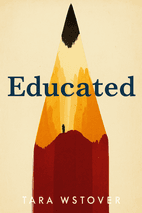
Tara Westover's Educated chronicles her journey from an isolated survivalist childhood in Idaho to earning a PhD, exploring the wrenching conflict between family loyalty and self-invention. This powerful memoir resonates with anyone grappling with identity, truth, and the transformative power of knowledge.
Feature
Insta.Page
Blinkist
Shortform
Summary Depth
Full Chapter-by-Chapter
15-min overview
Section-by-section guides
Audio Narration
✓
✓
✓
Visual Mindmaps
✓
✕
✕
AI Q&A
✓
✕
✕
Quizzes
✓
✕
✕
PDF Downloads
✓
✕
✓
Price
$89.99/yr
$146/yr (PRO)
$199/yr
*Competitor data last verified July 2026.
1 Page Summary
Educated is a memoir by Tara Westover that chronicles her extraordinary journey from a survivalist childhood in the mountains of Idaho to earning a PhD from Cambridge University. Born to a father deeply distrustful of the government, public education, and modern medicine, Westover was not enrolled in school, had no birth certificate until she was nine, and spent her youth working in her father's junkyard and assisting her mother, an unlicensed midwife and herbalist. The narrative powerfully explores the tension between familial loyalty and the pursuit of self-invention, detailing the physical dangers and psychological control she endured, including the denial of documented historical events like the Holocaust and the escalating violence from an older brother.
The book is situated within the broader context of American isolationist and extremist movements, though it focuses intimately on the family unit as a microcosm of these ideologies. Westover's awakening begins when a brother leaves for college, prompting her to secretly study for the ACT. Her entry into Brigham Young University—a world whose social codes and foundational knowledge she lacked—initiates a brutal and disorienting process of re-education. This intellectual transformation forces a painful reckoning with her past, as academic history and scientific consensus directly contradict the reality she was raised to believe, leading to a profound estrangement from her family.
The lasting impact of Educated lies in its raw examination of the malleability of truth and the cost of constructing one's own identity. It is a testament to the transformative power of education in its broadest sense—not merely formal schooling, but the acquisition of tools for critical thought and self-trust. The memoir resonates as a stark commentary on memory, narrative, and the ways in which families can both shape and shackle an individual, ultimately posing a universal question: how much of our past must we relinquish in order to define our own future?
Chapter 1: Choose the Good
Overview
Overview
This opening chapter establishes the powerful and often contradictory forces that shape the narrator Tara’s childhood: her father’s absolute, revelatory authority and the simmering resistance represented by her grandmother. It sets the stage for a life governed by a strict, survivalist interpretation of scripture and the constant, looming fear of a hostile outside world, all filtered through the malleable lens of memory.
The narrative begins with Tara’s “strongest memory,” a vividly imagined scene of federal agents surrounding her home and shooting her mother, born from a story her father told. This introduces the book's central theme: the tension between constructed family narratives and verifiable reality. The story that spawned this memory is the Ruby Ridge standoff, involving the Weaver family, a real-life tragedy that her father uses as a cautionary tale about government persecution.
Her father, Gene, is portrayed as a commanding, weary patriarch who finds divine instruction in obscure biblical passages. His reading of Isaiah 7:15 leads to a revelation that dairy products are evil, prompting him to purge the family’s kitchen of milk and stock the basement with gallons of honey. This arbitrary decree, based on his personal interpretation, demonstrates the absolute and unpredictable nature of his authority over the family’s daily life.
This authority is directly challenged by Tara’s Grandma-down-the-hill, who fills her refrigerator with milk in defiance. Their conflict extends to education, as Grandma believes Tara should be in school, not “roaming the mountain like savages.” In a clandestine offer, she plots to take Tara with her to Arizona to enroll her in school, requiring Tara to secretly leave at dawn. Tara spends a sleepless night wrestling with this decision, ultimately paralyzed by a complex web of loyalty, fear, and imagined consequences for her family if she disappears.
The chapter meticulously details the survivalist preparations fueled by the Weaver story. The family packs “head for the hills” bags with supplies, buries rifles, and stockpiles home-canned food. For Tara, the world becomes charged with potential danger; the chirp of crickets transforms into the sound preceding gunfire. This pervasive anxiety underscores how her father’s ideology isn’t abstract but a framework that dictates their physical reality and psychological state.
In the quiet morning after her grandmother departs for Arizona without her, Tara chooses her family and the mountain. She performs her chores and looks out over the valley from a railway car, her fantasy of escape failing to take hold. Her gaze turns instead to Buck’s Peak, the “Princess,” a constant, watchful presence that symbolizes the rooted, isolated life she cannot yet leave.
Key Takeaways
The foundation of Tara’s world is her father’s absolutist beliefs, which are presented as divine revelations and dictate everything from diet to a preparedness for a coming conflict with the government.
Memory and story are powerfully intertwined; family lore (like the embellished Weaver story) shapes personal identity and perception more forcefully than documented history.
A stark internal conflict is established between the isolated, ideological life on the mountain and the “normal” world of formal education and societal rules, represented by Grandma-down-the-hill.
The mountain, Buck’s Peak, is more than a setting; it is an active character—an ally, a protector, and a prison that defines the family’s existence.
The chapter establishes a palpable atmosphere of fear and siege mentality, showing how a parent’s paranoia becomes a child’s foundational understanding of safety and danger.
Key concepts: Chapter 1: Choose the Good
1. Chapter 1: Choose the Good
Foundational Memory and Family Narrative
Tara's 'strongest memory' is a vividly imagined scene of federal agents shooting her mother, born from her father's story
The story is based on the real-life Ruby Ridge standoff involving the Weaver family
Demonstrates the tension between constructed family narratives and verifiable reality
Shows how family lore shapes personal identity and perception more forcefully than documented history
Father's Absolute Authority and Revelations
Gene interprets obscure biblical passages as divine instruction for daily life
His reading of Isaiah 7:15 leads to decree that dairy products are evil
Demonstrates arbitrary and unpredictable nature of his authority over family
His ideology dictates physical reality and psychological state of the family
Grandmother's Resistance and Alternative Path
Grandma-down-the-hill defies Gene by keeping milk in her refrigerator
Believes Tara should be in school rather than 'roaming the mountain like savages'
Plots to take Tara to Arizona to enroll her in school secretly
Represents the 'normal' world of formal education and societal rules
Tara's Internal Conflict and Decision
Spends sleepless night wrestling with decision to leave with grandmother
Paralyzed by complex web of loyalty, fear, and imagined consequences for family
Ultimately chooses her family and the mountain over escape
Her fantasy of escape fails to take hold as she returns to chores
Survivalist Reality and Siege Mentality
Family packs 'head for the hills' bags and buries rifles in preparation
Stockpiles home-canned food based on Weaver story fears
Pervasive anxiety transforms ordinary sounds (crickets) into potential danger signals
Father's paranoia becomes child's foundational understanding of safety and danger
Buck's Peak as Symbolic Presence
The mountain is described as the 'Princess', a constant watchful presence
Functions as more than setting - an active character in the narrative
Represents rooted, isolated life Tara cannot yet leave
Serves as ally, protector, and prison that defines family's existence
💡 Try clicking the AI chat button to ask questions about this book!
Chapter 2: The Midwife
Overview
This chapter charts the profound transformation of the author's mother, Faye, from a nervous, makeup-wearing herbalist into a commanding, unlicensed midwife. What begins as a reluctant submission to her husband's ideal of family self-reliance evolves into a source of personal power, financial independence, and a quiet rebellion that reshapes the family's relationship with the outside world.
The Reluctant Apprentice
The chapter opens with the formidable midwife, Judy, arriving to collect herbs from Faye. Tara observes the stark contrast between Judy’s heavy, authoritative presence and her mother’s “weightless,” apologetic demeanor. Under pressure from her husband, Gene, who sees midwifery as a vital skill for surviving the End of Days and subverting the government, Faye becomes Judy’s terrified assistant. Her first birth is a traumatic ordeal involving a hemorrhage and a baby born with the cord around its neck, leaving her pale and trembling. She continues only out of a sense of religious duty, but each departure is filled with anxiety.
A Forced Independence and a Growing Command
Faye’s wish to stop after gaining basic experience is overruled by fate when Judy’s family moves to Wyoming. Almost overnight, Faye becomes the only midwife for a hundred miles. Though initially resistant, she is worn down by the desperate pleas of women who cannot afford hospitals and by her father’s barely concealed enthusiasm. Her first solo delivery is a success, and a practice slowly builds. This responsibility fundamentally changes her. She sheds her makeup and apologetic air, adopting some of Judy’s forceful mannerisms. Midwifery becomes her classroom, where she teaches Tara and her sister Audrey about herbs and anatomy with newfound authority.
The Ripple Effects of Power
Faye’s new role brings tangible changes. She earns her own money—a rare occurrence in a household where women weren't supposed to work—using it to take her daughters to restaurants, buy medical equipment, and, most significantly, install a telephone for her practice. This act is a major subversion of Gene’s anti-government stance, which she deftly frames as a necessity for her midwifery “calling.” Her growing agency extends to the family’s legal status. Using the momentum of her new identity, she begins the arduous process of obtaining delayed birth certificates for her children, battling bureaucracy over unknown birth dates and a lack of documentation, ultimately securing a legal identity for Tara.
The Weight and Cunning of the Role
Tara accompanies her mother to a birth and witnesses the terrifying duality of her position. On the drive, Faye is fragile and fearful, whispering about the risk of prison if anything goes wrong. Upon arrival, she instantly transforms into a figure of command. Tara comes to understand the constant danger her mother operates under. This is highlighted in a later incident where Faye must rush a mother to the hospital and, once there, expertly performs “the scatterbrained-woman routine” to deflect suspicion from doctors and police, proving her cunning in navigating the world she supposedly rejects.
Key Takeaways
Midwifery as Transformation: For Faye, becoming a midwife was less a choice than an imposed duty, but it became the vehicle for her to develop autonomy, confidence, and a respected identity separate from her role as a wife and mother.
Contradictions of Self-Reliance: The family’s ideology of radical independence is constantly undermined by practical necessities. The need for a phone and birth certificates forces them to engage with the very systems they despise, revealing the paradox of their isolation.
Performance and Survival: Faye learns to expertly perform different roles—the submissive wife, the authoritative midwife, the “brain-dead” woman—as tools for survival and to achieve her goals within the constraints of her family and the law.
The Birth of Legal Identity: The struggle to obtain birth certificates underscores the family’s intentional statelessness. For Tara, receiving her certificate is a confusing moment that introduces the concept that her existence requires governmental proof.
Key concepts: Chapter 2: The Midwife
2. Chapter 2: The Midwife
The Reluctant Apprentice
Faye's initial contrast with the authoritative midwife Judy highlights her submissive demeanor
Pressure from husband Gene frames midwifery as survival skill for End of Days
First traumatic birth experience leaves her trembling but continuing from religious duty
Her participation begins as reluctant submission rather than personal choice
Forced Independence and Growing Command
Judy's departure makes Faye the only midwife for a hundred miles overnight
Desperate pleas from women who cannot afford hospitals pressure her to continue
First solo delivery success builds her confidence and practice
Transformation visible through shedding makeup and adopting authoritative mannerisms
Uses midwifery as classroom to teach daughters with newfound authority
Financial Independence and Practical Rebellion
Earns her own money in household where women weren't supposed to work
Uses earnings for daughters' restaurants, medical equipment, and crucially a telephone
Frames telephone as necessity for her 'calling' to subvert husband's anti-government stance
Initiates process to obtain delayed birth certificates for her children
Battles bureaucracy over unknown birth dates and lack of documentation
Duality and Survival Strategies
Witnessed transformation from fragile fear to commanding authority at births
Constant danger of prison if anything goes wrong during deliveries
Performs 'scatterbrained-woman routine' to deflect suspicion from authorities
Develops cunning to navigate the world she supposedly rejects
Role-playing becomes essential tool for survival within family and legal constraints
Paradoxes of Isolation and Identity
Family ideology of radical independence undermined by practical necessities
Engagement with government systems contradicts professed self-reliance
Birth certificates introduce concept that existence requires governmental proof
Midwifery creates respected identity separate from wife/mother roles
Transformation shows how imposed duty can become vehicle for personal autonomy
Chapter 3: Cream Shoes
Overview
Overview
This chapter delves into the origins of the narrator's parents, Faye and Gene, exploring how their union represented a deliberate break from one world and the troubled creation of another. It contrasts the grandmother's obsessive pursuit of social respectability with the parents' retreat into mountain isolation, setting the stage for the family's growing insularity and the father's deepening paranoia.
Faye's Uphringing and LaRue's Project
Faye's mother, LaRue, grew up stigmatized in her pious Mormon community as the daughter of an alcoholic "drunk." Determined to spare her own daughters this shame, she dedicated herself to constructing a façade of perfect, respectable normality. This manifested in their yellow house with a white picket fence and an extensive wardrobe of impeccably tailored clothes. For LaRue, details like the precise choice between "white or cream" shoes for church were of critical social importance. This environment of intense scrutiny and performance is presented as the cage from which Faye longed to escape.
The Rebellion: Choosing Gene and the Mountain
Faye's rebellion was not against her faith but against this smothering respectability. She found her escape in Gene, a stern, mischievous, and independent young man from the mountain. To Faye, Gene represented a thrilling otherness—he was serious, physically impressive, and formed by the "alpine hypnosis" and "tranquillity born of sheer immensity" of Buck's Peak. On the mountain, the gossip and judgment of the valley fell away. Their engagement caused a rift with Faye's family, particularly her brother Lynn, who saw Gene's family as uncouth ruffians. The narrator understands that "the dissolution of Mother's family was the inauguration of ours."
Gene's Transformation and the Unraveling
The chapter traces Gene's unsettling transformation from the happy, mustachioed young man in a cream wedding suit to the fearful, survivalist father the narrator knows. This change is presented not as a single event but as a series of escalating decisions: employing herbalist midwives, refusing to file birth certificates, pulling his sons from school, disposing of the telephone and driver's license, and finally hoarding food. The 1992 siege of the Weaver family is noted as a catalytic event that confirmed his paranoia when he was forty. The narrator later considers, in a university classroom, whether her father might have had a mental illness like bipolar disorder, onset around age twenty-five, but recognizes his paranoia would forever prevent diagnosis.
The Haunting Parallel
The chapter closes with the death of Grandma LaRue. At her funeral, the narrator sees her grandmother's ever-present, polite smile finally absent. This leads to a painful epiphany: her grandmother was perhaps the only person who could have understood her own experience, as both women endured a "severing of mother and daughter." LaRue watched her daughter Faye vanish into the mountain, walled in by phantoms, just as the narrator feels herself being carved up by paranoia and fundamentalism, losing her family for an "air of respectability" in the form of degrees. The tragedy is presented as a loop.
Key Takeaways
The family's isolation on the mountain began as Faye's conscious rebellion against her mother's stifling, performance-based respectability.
Gene's character radically transformed over time from a confident, unconventional young man into a paranoid survivalist, a change potentially linked to undiagnosed mental illness.
The standoff at Ruby Ridge acted as a powerful confirmation bias for Gene's fears, accelerating the family's withdrawal.
A central, tragic irony is revealed: in fleeing one form of confinement (social judgment), Faye embraced another (ideological and physical isolation).
The narrator sees a direct, haunting parallel between her grandmother losing a daughter to the mountain and her own experience of being severed from her family by the very fundamentalism that defined their life.
Key concepts: Chapter 3: Cream Shoes
3. Chapter 3: Cream Shoes
Faye's Uphringing and LaRue's Project
LaRue's childhood stigma as daughter of an alcoholic drove her obsession with respectable normality
Manifested in perfect home and wardrobe, where details like 'cream shoes' held critical social importance
Created an environment of intense scrutiny and performance that Faye experienced as a cage
The Rebellion: Choosing Gene and the Mountain
Faye rebelled against smothering respectability, not her faith, finding escape in Gene
Mountain offered escape from valley's gossip and judgment
Engagement caused family rift, with dissolution of Faye's family inaugurating their own
Gene's Transformation and the Unraveling
Gene transformed from happy young man to fearful survivalist through escalating decisions
Series of withdrawals: herbalist midwives, no birth certificates, pulling sons from school, disposing of phone and license
1992 Ruby Ridge siege acted as catalytic confirmation of his paranoia
Narrator later considers undiagnosed mental illness (bipolar) but recognizes paranoia prevented diagnosis
The Haunting Parallel
Grandma LaRue's death reveals her polite smile was finally absent
Narrator realizes LaRue was perhaps the only person who could understand her experience
Both women endured 'severing of mother and daughter' - LaRue lost Faye to the mountain, narrator loses family to fundamentalism
Tragedy presented as a loop: fleeing one confinement (social judgment) for another (ideological isolation)
Chapter 4: Apache Women
Overview
This chapter centers on a pivotal car accident that fractures the family's already precarious reality. The event is framed by a trip to Arizona, taken to alleviate their father's debilitating seasonal depression, and is forever intertwined in Tara’s memory with the haunting legend of the Apache women—a story of fate, sacrifice, and unseen consequences.
The Trip to Arizona
Driven by their mother’s hope that sunshine will cure their father’s winter collapse, the family journeys to their grandparents’ Arizona trailer. The change in location does little to improve the atmosphere. Instead, a more fanatical version of their father emerges, who launches into obsessive lectures denouncing doctors and modern medicine as tools of the Illuminati. His tirades create a tense rift, causing their mother to withdraw in silent disagreement. Tara observes her grandmother’s weary, amused tolerance of these outbursts, a stark contrast to the high-strung fervor at the table.
Apache Tears
During a desert excursion, Grandma shares the legend of the Apache tears. She explains that the smooth, black obsidian stones are the petrified tears of Apache women who witnessed their warriors, facing certain defeat, ride their horses off a mountain cliff. The story ends with the warriors’ deaths, leaving the fate of the women untold—a “blank page” in history. For Tara, the legend becomes a powerful metaphor for how countless small choices, layered over time, harden into an unchangeable reality, determining how people live and die long before the final moment arrives.
The Accident
On the drive home to Idaho, Tara’s seventeen-year-old brother Tyler falls asleep at the wheel. The station wagon veers off the road, shearing through utility poles before slamming into a tractor. In the violent aftermath, Tara witnesses her siblings’ injuries—most horrifically, Tyler’s mouth shattered and bleeding. The most severe damage, however, is to their mother in the passenger seat. Her face is shattered by the windshield, resulting in massive, disfiguring swelling and deep black eyes. Their father, in a moment of uncharacteristic helplessness, hesitates before deciding against an ambulance.
Aftermath and Shifting Blame
The family deals with the injuries entirely at home. Mother suffers what is clearly a severe brain injury, spending a week in the basement and emerging with “racoon eyes”—a clinical sign she would never acknowledge. Her memory and personality are permanently altered, and she often confuses her children’s names. Tyler bears a crushing, lifelong guilt for the accident, claiming sole ownership of the event and all its repercussions. Initially, Tara sees the crash as a random tragedy, blaming no one. Yet, as she matures, her understanding deepens. She comes to view it not as a single, isolated mistake, but as the inevitable result of a cascade of prior choices: the decision to drive through the night, the lack of seatbelts, the rejection of professional medical help, and the entire insulated, risky framework of their family life. The grains of sand from the Apache legend have coalesced into stone.
Key Takeaways
The car accident is a physical and psychological turning point, causing permanent injury to Mother and installing a permanent burden of guilt in Tyler.
The legend of the Apache women serves as the chapter’s central metaphor, illustrating Tara’s dawning realization that present realities are shaped by countless past decisions, both individual and collective.
The event starkly highlights the dangers of the family’s ideology, as their distrust of institutions leads to a refusal of hospital care for critical injuries.
Tara’s perspective on causality evolves from seeing the crash as a random accident to understanding it as the inevitable consequence of her family’s entrenched patterns and choices.
Key concepts: Chapter 4: Apache Women
4. Chapter 4: Apache Women
The Trip to Arizona
Journey motivated by hope that sunshine would cure father's severe seasonal depression
Father's behavior becomes more fanatical, delivering obsessive anti-medicine/Illuminati tirades
Mother withdraws in silent disagreement, creating family tension
Grandmother displays weary tolerance, contrasting with the family's high-strung fervor
Apache Tears Legend
Grandma shares story of Apache women witnessing warriors ride off cliff to certain death
Obsidian stones represent the petrified tears of these women
Legend leaves the fate of the women as a 'blank page' in history
Metaphor for how small choices harden into unchangeable reality over time
The Car Accident
Tyler falls asleep at wheel during drive home to Idaho
Station wagon veers off road, shearing utility poles and slamming into tractor
Mother suffers severe facial injuries from windshield with disfiguring swelling
Father hesitates and decides against calling ambulance despite severe injuries
Aftermath and Medical Neglect
Family treats injuries entirely at home with no professional medical care
Mother suffers clear brain injury with 'raccoon eyes' and memory/personality changes
Tyler bears crushing lifelong guilt, claiming sole ownership of the event
Family's distrust of institutions leads to refusal of hospital care for critical injuries
Evolving Understanding of Causality
Tara initially views crash as random tragedy with no one to blame
Mature perspective sees accident as inevitable result of cascade of prior choices
Recognizes contributing factors: driving through night, no seatbelts, rejection of medical help
Sees accident as consequence of family's insulated, risky lifestyle framework
Chapter's Central Metaphor
Apache tears represent how countless small choices layer over time into hardened reality
Metaphor illustrates how present realities are shaped by past individual and collective decisions
The 'grains of sand' from the legend coalesce into the stone of the family's fate
Connects untold fate of Apache women to unacknowledged consequences in family's life
You've reached the end of the free chapters
Next chapter: “Honest Dirt” is locked
Keep reading Educated — and unlock all 600+ book summaries with audio, mindmaps and AI Q&A.
$0.00 due today · 7 days free, then $89.99/year ($7.49/mo) · Cancel anytime before day 7
Tara Westover is an American memoirist, historian, and speaker best known for her bestselling memoir Educated. Born in rural Idaho to a survivalist family, Westover grew up without formal schooling and faced extreme isolation. Through extraordinary determination, she taught herself enough to be admitted to Brigham Young University at age seventeen, eventually earning a PhD in history from the University of Cambridge. Her work explores themes of identity, family, resilience, and the transformative power of education, inspiring millions around the world.
📚 Explore Our Book Summary Library
Discover more insightful book summaries from our collection