Chapter 1: From Tough Coaches, Tough Parents, and Tough Guys to Finding Real Inner Strength
Chapter 1 of 4
0:000:00
EN
1x
Voice
PDF
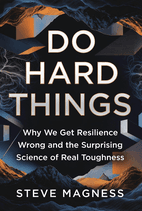
Do Hard Things
by Steve Magness
What is the book Do Hard Things about?
Steve Magness's Do Hard Things dismantles the broken "toughness" model of stoic suppression and authoritarian control, offering a science-backed framework for genuine resilience through self-awareness, acceptance, and autonomy. Written for coaches, leaders, athletes, and anyone seeking to transform hardship into growth.
Feature
Insta.Page
Blinkist
Shortform
Summary Depth
Full Chapter-by-Chapter
15-min overview
Section-by-section guides
Audio Narration
✓
✓
✓
Visual Mindmaps
✓
✕
✕
AI Q&A
✓
✕
✕
Quizzes
✓
✕
✕
PDF Downloads
✓
✕
✓
Price
$89.99/yr
$146/yr (PRO)
$199/yr
*Competitor data last verified July 2026.
1 Page Summary
This book challenges the conventional definition of toughness, arguing that the traditional model—rooted in stoicism, bulldozing through pain, and authoritarian control—is fundamentally broken. Drawing on examples from sports, military training, and parenting, Steve Magness exposes how approaches like "sink or swim" boot camps and "tough love" coaching actually produce fragile, externally motivated individuals. True resilience, he argues, is not about suppressing emotion or ignoring pain, but about experiencing discomfort, leaning into it, and creating space for thoughtful decisions. The author’s personal collapse on a track led him to discover that genuine strength comes from preparation, self-awareness, and honest self-assessment, which he distills into four pillars: Ditch the Facade, Listen to Your Body, Respond Instead of React, and Transcend Discomfort.
The book builds a rigorous, science-backed framework for real toughness, exploring how the brain’s predictive nature governs our experience of pain and fear. Magness explains that helplessness is the brain’s default response to stress, and that what we actually learn is hopefulness through a sense of control. He redefines confidence as quiet and internally rooted—not the loud, performative “fake it till you make it” approach that creates contingent self-worth. Emotions are reframed as messengers, not dictators, with the chapter on alexithymia showing how ignoring feelings destroys crucial data. The internal voice is not to be silenced but negotiated with, and the key to mental steadiness is acceptance—creating space between stimulus and response—rather than gritting one’s teeth to bulldoze through pain.
Ultimately, Magness provides a practical guide for building toughness from the inside out. He demonstrates that real resilience is not about grinding indefinitely but about knowing when to reengage, cultivated through autonomy-supportive leadership that satisfies our basic psychological needs: autonomy, competence, and relatedness. The book culminates in the search for meaning, arguing that purpose—forged through Frankl’s idea that happiness is a byproduct of meaning—allows us to push past perceived limits. The intended audience includes coaches, parents, leaders, athletes, and anyone who feels trapped in a cycle of external pressure. Readers will gain a redefined understanding of strength that emphasizes mindfulness, honest self-appraisal, and the ability to not just endure hardship, but to find genuine motivation and growth within it.
Chapter 1: From Tough Coaches, Tough Parents, and Tough Guys to Finding Real Inner Strength
Overview
The traditional definition of toughness has long been associated with stoicism, grit, and bulldozing through pain—an ideal embodied by figures like Bobby Knight, whose authoritarian coaching style relied on fear and control. This same flawed model appears in authoritarian parenting, where high demandingness and low responsiveness create fragile individuals who only respond to external pressure. The consequences are severe, from heatstroke deaths in sports to fragile motivation when authority is absent. But real toughness is something else entirely. It means experiencing discomfort, leaning in, and creating space to make thoughtful decisions—as exemplified by Pete Carroll’s coaching philosophy and supported by research on mental toughness. The author’s own collapse from a breathing problem on the track shattered his belief in the “push through it” model. He had to learn to relax precisely when every instinct screamed to tighten up, discovering that genuine strength comes from preparation, self-awareness, and honest self-assessment. This chapter lays the groundwork for the four pillars of real toughness: Ditch the Facade, Listen to Your Body, Respond Instead of React, and Transcend Discomfort, arguing that most people carry a broken definition that prioritizes appearance over true resilience.
The traditional view of toughness conjures images of stoic athletes playing through pain, military heroes, and mothers fighting through discomfort for their children. When college students and elite athletes described toughness, words like gritty, persevering, and emotionally stoic consistently surfaced. This definition—overcoming obstacles through discipline and perseverance—has dominated our culture, often tied to a masculine ideal of bulking through adversity without complaint.
Bobby Knight’s Version of Toughness
Bobby Knight’s career exemplifies this old-school approach. The legendary Indiana coach racked up over 900 wins, three national championships, and the unbeaten 1976 season. He defined toughness as “being able to overcome obstacles” and “not feeling sorry for yourself.” His team’s relentless pressing defense demanded discipline and hard work, and it worked spectacularly. Yet Knight’s methods were abusive: he famously choked a player, used humiliating tactics like hanging tampons in lockers of players he deemed “soft,” and delivered profanity-laced tirades. His version of toughness was founded on fear, control, and the absence of weakness—a model now called “old-school” but still pervasive in sports and beyond.
Authoritarian Parenting and the Callous Model
This misunderstanding extends to parenting. In the 1960s, psychologist Diana Baumrind identified parenting styles based on responsiveness and demandingness. Authoritarian parents are high in demandingness but low in responsiveness—they rely on fear, threats, and punishment, expecting obedience without warmth. Many parents see harsh discipline as necessary, with 81% of Americans believing parents are too soft on their children. Yet research shows authoritarian parenting leads to lower independence, higher aggression, and more misbehavior.
Our language around toughness reinforces this callousness. We tell children to “man up,” “suck it up,” and “stop being a pussy.” We equate toughness with machismo and brute strength, favoring The Rock over a small female athlete. But this external show of strength is often fake—hiding insecurity behind control and bluster.
The Consequences of Fake Toughness
The dangers are real and sometimes deadly. In 2018, University of Maryland football player Jordan McNair died of heatstroke after coaches pushed him through extreme conditioning, refusing to recognize his body’s distress signals. A growing number of rhabdomyolysis cases in sports result from workouts designed to “toughen up” athletes rather than condition them. Authoritarian approaches also fail in classrooms, homes, and even the military. They create fragile individuals who only respond to external fear and control—when the authority figure disappears, so does their motivation.
Redefining Real Toughness
Real toughness isn’t about bulldozing through pain or suppressing emotion. It’s about experiencing discomfort, leaning in, paying attention, and creating space to make thoughtful decisions. Pete Carroll, the only coach to win both a college football championship and a Super Bowl, exemplifies this. He doesn’t scream or dominate—he encourages meditation, yoga, and positive reframing of mistakes. He believes toughness comes from inner drive, confidence, and the ability to bounce back. Research supports this: a 2008 study of nearly 200 basketball players found that mental toughness is best promoted not by autocratic oppression, but by environments of trust, inclusion, and service.
This approach requires many tools, not just a hammer. Toughness means navigating discomfort—sometimes going through, around, under, or waiting for it to pass. The military itself has been perfecting this model for decades, focusing on training and support rather than just drill sergeants.
The chapter ends with a personal anecdote: the author standing on the starting line of the Don Bowden Mile, one of seven runners chasing the four-minute barrier, wearing Houston red against six Cal athletes.
The moment his body betrayed him on that track—the sudden inability to breathe, the collapse onto his knees—shattered everything he thought he knew about toughness. For years, he had defined strength by his ability to push through pain, to grind until he threw up, to dominate through sheer force of will. But his vocal cords had other plans. A vocal cord issue turned his greatest weapon—his relentless drive—into a trigger for disaster. The airway that kept him breathing during exertion was now slamming shut under stress. The more he tried to muscle through it, the worse it got.
He had to unlearn everything he thought he knew about being tough. Instead of bulldozing through discomfort, he had to learn to relax at the exact moment every instinct screamed to tighten up. He had to steady his breath, his neck, his mind, all while his body was sounding alarms. It was the hardest thing he'd ever attempted—and it taught him more than any victory ever could.
This book grew out of that collapse. It's not just about running, though running will be a central thread because it's a pure laboratory for studying how we handle hardship. The real lessons extend everywhere: parenting, leadership, navigating grief, managing teams. We all face obstacles. Nobody gets a pass. The question is whether we have a framework that actually helps us handle them, or whether we're still clinging to a broken model of toughness that leaves us broken, too.
What he discovered is simple but profound: most of us are walking around with the wrong definition of toughness. It's not about suppressing emotion, pushing through at all costs, or wearing a mask of invulnerability. Real toughness is something far more nuanced—and far more accessible. It's about preparation, self-awareness, and the ability to respond rather than react. It's about being honest with yourself about what you're experiencing, and then choosing a path that serves you, not one that just looks strong from the outside.
In the chapters ahead, we'll explore the four pillars of real toughness. But first, we need to understand where we went off track. Why do so many of us carry around the same broken model that Bobby Knight and authoritarian parents swore by? The answer lies in the facade we've been taught to uphold—and why it's time to let it go.
Key Takeaways
The author's collapse from a breathing problem revealed the limits of the "push through it" model of toughness
Real toughness requires relaxation and control precisely when discomfort peaks
The same principles apply far beyond sports—to parenting, leadership, and everyday life
Most people operate with a fundamentally flawed definition of toughness that prioritizes appearance over genuine strength
The book will introduce four pillars: Ditch the Facade, Listen to Your Body, Respond Instead of React, and Transcend Discomfort
Key concepts: Chapter 1: From Tough Coaches, Tough Parents, and Tough Guys to Finding Real Inner Strength
1. Chapter 1: From Tough Coaches, Tough Parents, and Tough Guys to Finding Real Inner Strength
The Flawed Traditional Definition of Toughness
Stoicism, grit, and bulldozing through pain
Masculine ideal of enduring without complaint
Prioritizes appearance over true resilience
Bobby Knight's Authoritarian Model
Toughness as overcoming obstacles without self-pity
Methods based on fear, control, and humiliation
Winning results but abusive coaching style
Authoritarian Parenting and Callous Language
High demandingness, low responsiveness parenting style
Leads to lower independence and higher aggression
Phrases like 'man up' reinforce fake toughness
Deadly Consequences of Fake Toughness
Jordan McNair died from heatstroke in 2018
Rhabdomyolysis cases from 'toughen up' workouts
Creates fragile individuals dependent on external fear
Redefining Real Toughness
Experiencing discomfort and leaning in thoughtfully
Pete Carroll's approach: meditation, yoga, trust
Research shows trust promotes mental toughness
The Four Pillars of Real Toughness
Ditch the Facade of fake strength
Listen to Your Body's distress signals
Respond Instead of React to challenges
Transcend Discomfort through preparation
Author's Personal Collapse and Lesson
Vocal cord issue triggered breathing failure on track
Pushing through made the problem worse
Learned to relax when instinct said tighten up
💡 Try clicking the AI chat button to ask questions about this book!
Chapter 2: Sink or Swim: How We Took the Wrong Lesson from the Military
Overview
The legendary story of Bear Bryant’s 1954 Junction Boys camp—where nearly seventy players quit after ten days of hellish heat and scrimmages—is often held up as the ultimate test of toughness. But the real outcome tells a different tale: that season ended with one win, and the surviving players barely contributed to the championship two years later. The camp wasn't about building grit; it was about weeding out players after a coaching change. That flawed "sink or swim" model, borrowed from a popular image of military boot camp, has been widely misunderstood. The military itself has long moved on. The Navy SEALs' Hell Week was never meant to develop toughness, only to sort who already had it. Modern military training, like SERE, flips the script: soldiers learn mental skills—stress inoculation, coping strategies, self-talk—before they ever face the fire. By the 2000s, every branch had embraced classroom-based psychological performance coaching, a fact that contradicts our cultural obsession with throwing people into the deep end.
What separates those who thrive under pressure is not an immunity to fear or the urge to quit. Research on soldiers who maintained clarity found they appraised stress as a challenge, used a wide range of coping tactics, and could shift their physiological state. They didn't bulldoze through discomfort; they trained their biology and psychology to navigate it. Negative thoughts aren't weakness—they're the brain's protective alarm. The real challenge is the inner spiral: a sequence from feel → inner debate → urge → decision (freak out or find a way through). The brain, desperate to reduce uncertainty, will grab the fastest exit, whether that means quitting or firing off a regretful text. Real toughness isn't ignoring the alarm or powering through at any cost. It's learning to pause between the unease and the reaction, creating space to choose a purposeful response instead of the instinctive one. The chapter reframes resilience as steering the spiral, not fighting it.
The Misguided Myth of the Junction Boys
In 1954, Texas A&M coach Paul "Bear" Bryant took his football team to the remote town of Junction for a preseason camp that would become legendary—but not for the reasons most people think. What was supposed to be a vacation with swimming and green grass turned into a brutal ordeal: blistering heat, dust-bowl fields, and full-contact scrimmages from the very first practice. Players vomited, collapsed, and quit in droves. By the end of ten days, nearly seventy of the original one hundred players had fled, hopping on the first bus out of town. The story has been memorialized as a triumph of toughness—a Darwinian sorting that turned boys into men and paved the way for A&M's undefeated 1956 season.
But the real picture is far messier. The 1954 season ended with one win and nine losses. Only eight of the Junction survivors played on that championship team two years later. The star quarterback, the All-American tackle, and the Heisman Trophy winner? None of them had even attended the camp. As an A&M player later summed it up, the freshman class that stayed home won the conference. Bryant himself admitted to bending recruiting rules to bring in better talent. The camp wasn't about developing toughness; it was about weeding out players after a coaching change—and even that was flawed. Future NFL players and a decorated Navy fighter pilot quit, not because they were soft, but because mindless suffering lost its appeal. Success, it turns out, is more complex than surviving ten days in hell.
What the Military Actually Teaches
The irony is that our culture borrowed this "sink or swim" model from the military—but we got the lesson backwards. Bear Bryant served in the Navy during WWII, and the Junction Boys camp mirrors our popular image of boot camp. Yet the military itself has long moved past that approach. The Navy SEALs' Hell Week, for example, was never about developing toughness; it was about sorting who could already handle extreme stress. In sports and life, we mistakenly turned that sorting into a training method.
The military's real breakthrough came with SERE (Survival, Evasion, Resistance, and Escape) training. Yes, the later phases involve simulated captivity and psychological beatings. But the critical, often overlooked first phase is classroom training. Soldiers spend hours learning everything from river hydraulics to coping with boredom and hopelessness—before they ever face the stress. This is based on stress inoculation: you teach the skills first, then gradually expose people to controlled doses of hardship. As one sports psychologist put it, "Telling people to relax doesn’t work unless you've taught them how to actually relax." You don't throw non-swimmers into the deep end and expect them to learn.
By the 1990s and 2000s, every branch of the military had adopted mental skills coaching—goal setting, self-talk, attention control, arousal management. The RAND Corporation's 2014 review of Air Force stress training put two recommendations at the top: emphasize core mental skills, and ensure those skills are mastered before exposure to stress. The US Army's more recent Human Dimension Strategy focuses on holistic development: intellectual optimization, social intelligence, emotional regulation. Even the Navy SEALs now include a classroom phase teaching psychological performance.
The Inner Battle Everyone Faces
So what separates those who thrive under pressure from those who crumble? It's not an absence of fear or desire to quit. When researchers studied soldiers who maintained clarity during extreme stress, they found four key patterns: they appraised stress as a challenge rather than a threat, they used a wide range of coping strategies, they processed internal signals without reacting impulsively, and they could shift their physiological state. In other words, they had trained their biology and psychology to work together. The toughest people aren't immune to discomfort—they've simply learned to navigate it.
And they all want to quit. I've surveyed dozens of high achievers—authors, entrepreneurs, soldiers, athletes—and nearly every one admitted to moments of wanting to throw in the towel. Negative thoughts are not signs of weakness; they're your brain's protective mechanism. The difference is what you do with them. Understanding this inner struggle is the first step toward choosing the difficult path—not bulldozing through, but moving forward with grit and grace.
We ride the spiral from a faint notification to full-blown freak-out, and it’s a well-worn path. That initial unease—tense shoulders, a growing knot—is just your brain’s dashboard light flashing. You brush it off, then check your phone more. Distractions fail. The alarm blares. Inner debates rage: text or wait? Snapchat or space? Before you know it, you’ve slid from respected adult to a puddle of irrational desperation, firing off texts you’ll regret. Whether the trigger is a silent phone or a quitting urge on a hard project, the anatomy is the same.
Here’s the sequence, stripped down: Feel → Inner Debate → Urge → Decision (freak out or find a way through). Sensations and thoughts tangle together, nudging us toward action. A single feeling can mushroom into a spiral if “what if” thoughts feed it. When we’re already drained or anxious, we grab the fastest exit. The brain, according to the latest science, is an uncertainty-reduction engine. It hates surprise and will do almost anything to restore order—even if that means quitting, changing expectations, or avoiding the discomfort altogether. Uncertainty demands closure, and we scramble for it.
Real toughness, then, isn’t about bulldozing through. It’s about training the mind to sit with uncertainty long enough to choose the right response instead of the quickest one. It’s creating space between the unease and the reaction, so you can guide yourself through the cacophony rather than get steamrolled by it. That’s the pivot: stop fighting the spiral and learn to steer it.
Key Takeaways
The feel-debate-urge-decision cycle drives both freak-outs and purposeful responses.
The brain craves certainty and will take shortcuts to end discomfort, even costly ones.
Toughness isn’t ignoring the alarm—it’s learning to pause before reacting, so you can choose wisely.
Key concepts: Chapter 2: Sink or Swim: How We Took the Wrong Lesson from the Military
2. Chapter 2: Sink or Swim: How We Took the Wrong Lesson from the Military
The Junction Boys Myth
Bryant's 1954 camp: 70 of 100 players quit
Season ended with 1 win, 9 losses
Only 8 survivors played on 1956 championship team
Camp was about weeding out, not building grit
Misunderstood Military Model
Culture borrowed 'sink or swim' from military image
Hell Week sorts existing toughness, doesn't develop it
Military has moved past this approach
SERE Training: The Real Lesson
Classroom training comes before stress exposure
Stress inoculation: teach skills first, then apply
Coping strategies learned before facing hardship
Modern Military Mental Coaching
All branches adopted psychological performance coaching by 2000s
Skills: goal setting, self-talk, attention control
RAND: master mental skills before stress exposure
The Inner Spiral
Sequence: feel → inner debate → urge → decision
Brain seeks fastest exit from uncertainty
Negative thoughts are protective alarms, not weakness
Real Toughness Defined
Not ignoring alarm or powering through
Pause between unease and reaction
Choose purposeful response over instinctive one
Thriving Under Pressure
Appraise stress as challenge, not threat
Use wide range of coping tactics
Train biology and psychology to navigate discomfort
Chapter 3: Accept What You Are Capable Of
Overview
The central tension in this chapter is that the brain constantly compares what it expects to what it actually experiences—and that gap determines everything from how much pain you feel to whether you persist or quit. The elementary school mile run illustrates this perfectly: kids sprint off the line because their expected effort is zero, then yo-yo between walking and sprinting when reality hits. The formula Performance = Actual demands + Expected demands explains why experienced endurance athletes pace steadily—they’ve aligned their expectations with reality. The real magic isn’t blind confidence; it’s honest expectations.
That same calculation governs fear. Alex Honnold’s amygdala showed zero response to disturbing images because his brain didn’t register them as threats—but he still bailed on his first El Capitan attempt when the actual situation felt genuinely dangerous. His internal alarm fires only when something is truly off, fine-tuned through genetics, luck, and thousands of hours of rehearsal. The rest of us can adjust our own sensitivity by learning to perceive stressful situations as challenges rather than threats. A challenge feels difficult but manageable; a threat triggers survival mode. The difference comes down to an honest appraisal of your abilities versus the demands you face.
That appraisal starts before you even act. Novice skydivers secrete cortisol; veterans secrete adrenaline and testosterone—same event, different chemistry driven entirely by expectations. Downplaying difficulty is a trap: if you expect a cakewalk, the first sign of struggle triggers panic. Exaggerating difficulty kills effort entirely. The sweet spot is accurate appraisal, where real toughness lives. Drevan Anderson-Kaapa saw this firsthand in the military and on the track: those who projected a false image crumbled under stress; those who stayed honest appraised the situation clearly and executed based on what they could actually do.
Two practical strategies help align expectations with reality. First, set appropriate goals that stretch you without triggering “What’s the point?” mode—manageable challenges just beyond your current capabilities. Second, set authentic goals that reflect your true self, not goals imposed by others. Authenticity fuels persistence because you see the path clearly and can appraise your strengths and weaknesses honestly. When success is defined too narrowly—for example, anything less than first place is failure—the brain slips into protection mode and shuts down. Shifting to process-oriented goals gives actionable feedback: judge yourself on whether you executed your plan or gave full effort, and you’ve got a clear road map for improvement.
Stress distorts your perception of what you’re capable of. Sleep-deprived participants underestimated how high they could step; people in chronic pain overestimated distances to a target. Even cross-country runners, who normally see hills accurately, started overestimating slopes after a long run because fatigue shifted their capabilities. Part of accurate self-appraisal is recognizing that stress is warping your view and course-correcting accordingly. Under stress, the brain defaults to a negative bias, scanning for threats. The fix is to prime your mind before a performance by focusing on strengths and opportunities, not weaknesses—save the corrections for practice.
True toughness begins long before the challenge. It starts with how you assess the situation and your own capabilities. Your expectations set the stage for your biological reaction, bias how much pain you feel, and determine whether you freeze or fight. By defining success in terms of effort, correcting for stress, and priming your mind to see opportunities, you set yourself up to see reality clearly—and that clear sight is the foundation of real grit.
Key Takeaways
Process-oriented goals give you actionable feedback and protect motivation when outcomes are uncertain.
Stress and fatigue distort your perception of your own abilities—recognize that you may be underestimating yourself and adjust accordingly.
Under stress, the brain defaults to a negative bias; prime yourself by focusing on strengths and opportunities before a performance.
Key concepts: Chapter 3: Accept What You Are Capable Of
3. Chapter 3: Accept What You Are Capable Of
The Expectation-Reality Gap
Brain compares expectations to actual experiences
Performance = Actual demands + Expected demands
Honest expectations enable steady pacing
Blind confidence is less effective than accurate appraisal
Challenge vs. Threat Mindset
Perceiving stress as challenge keeps you functional
Course-correct by focusing on strengths and opportunities
Priming for Accurate Appraisal
True toughness starts before the challenge
Expectations set stage for biological reactions
Prime mind by focusing on strengths, not weaknesses
Clear sight of reality is foundation of real grit
Chapter 4: True Confidence Is Quiet; Insecurity Is Loud
Overview
The quietest confidence often belongs to those who have the most reason to doubt themselves. Consider Buddy Edelen, a world-class marathoner who shattered records yet could not trust his own training plan; his obsessive overworking was a clear manifestation of insecurity, a pattern seen in entrepreneurs and CEOs who grind not out of passion but out of fear of stopping. Research on elite athletes reveals that even the best suffer from debilitating low confidence, but the difference lies in how they use confidence as a filter—not to eliminate doubt, but to keep it from corrupting their cognition, emotions, and behavior. True toughness means acting despite the whisper of insecurity.
For decades, we have been sold a counterfeit version of confidence: puffing out your chest, faking it until you make it. This approach fails because it ignores human reality. The self-esteem movement of the 1980s, which promised that telling kids they were special would inoculate them against crime and addiction, was built on shaky research; the scientist behind it later admitted the correlations were weak. Seeking self-worth as a goal creates contingent self-worth, where value depends on praise and approval from others—a handover of control that backfires. Studies on college runners show that those who ran for external rewards improved the least. Meanwhile, we confuse confidence with arrogance. Research across 12,000 people demonstrates that fake confidence barely moves the needle on genuine motivation, while inner confidence scores dramatically higher. Overconfidence doesn't protect; it triggers an action crisis when reality doesn't match the boast.
Building real confidence requires a shift in strategy. First, lower the bar and raise the floor: stop chasing your best performance and instead focus on what you can reliably repeat. Consistency breeds security. Second, shed perfection and embrace vulnerability—acknowledge weaknesses without shame, because hiding them gives them power. Use evaluative integration to see the good and bad in every outcome without crumbling. Third, trust your training: confidence is earned in quiet hours of deliberate, growth-oriented practice, not fear-based repetition. Finally, develop a quiet ego—turn down the volume of defensiveness, blame, and self-protection, so you can absorb criticism and setbacks without losing footing. This is the calm, grounded confidence that doesn't need to shout.
Leonard "Buddy" Edelen: A Case Study of Quiet Insecurity
Buddy Edelen was the picture of professional dedication. A world-class distance runner in the early 1960s, he tracked every metric and sent it to his coach Fred Wilt. Their partnership produced astonishing results: Edelen shattered the marathon world record by nearly a minute. Yet for all his discipline, Edelen harbored a glaring insecurity. Wilt once scolded him for a short jog two days before a big race: "This is a manifestation of uncertainty. There is a time to train and a time to rest—not halfway rest." Edelen admitted that resting left him irritable and nervous, as if something had been stolen. He ran not just to improve, but to quell the doubts. This pattern—obsessive overwork masking insecurity—appears across domains: the entrepreneur who can't stop grinding, the CEO who never unplugs. If even a world-record holder couldn't trust his coach's plan to rest, how can we mere mortals build real confidence?
Confidence as a Filter: The Inside Story
A 2009 study interviewed fourteen of the world's most accomplished athletes. Despite their elite status, all had experienced debilitating periods of low confidence. When confidence waned, their cognition turned faulty, their emotions soured, and their behavior became timid and indecisive. Confidence acts as a filter—tinting how we see challenges and our ability to handle them. High confidence expands our toolbox, allowing focus, positive emotions, and resilience. Low confidence constricts it, priming us for a spiral of doubt and poor performance. True toughness isn't about eliminating doubt; it's about keeping it in check so we can still act.
The Wrong Kind of Confidence: Fake It Till You Break
For too long, we've been sold an external model of confidence: puffing out your chest, "faking it until you make it." This approach prioritizes appearance over substance. Real confidence must be founded in reality—not ignoring the dark voices, but acknowledging them while knowing you'll find a way through. The self-esteem movement of the 1980s and '90s tried to boost kids' self-worth through compliments and affirmation posters. California's Task Force to Promote Self-Esteem claimed it was a "social vaccine" against crime and addiction—except the research never supported that. The scientist behind the report later admitted the correlations were weak.
Contingent Self-Worth: When Praise Backfires
Seeking self-esteem as a goal creates contingent self-worth. Your sense of value depends on external praise, rewards, or approval—giving control to others. The author's research on college runners found that athletes who ran for praise or to avoid criticism showed the least improvement over their careers. Real self-esteem isn't built by being told you're great; it's built by doing the work, overcoming challenges, and making genuine connections. We confuse confidence with arrogance. Research shows that people who shout the loudest do so precisely because they lack inner security. A study of 12,000 people found that outer confidence (faking it) barely nudges self-motivation from 35 to 42 out of 100, while genuine inner confidence scores in the 70s and 80s. Fake confidence works only on easy tasks where you don't need it anyway. For real challenges, it crumbles.
The Four Steps to Inner Confidence
1. Lower the bar. Raise the floor. Stop judging yourself by your best performance ever. Focus on your average—what you can reliably repeat. Consistency breeds security.
2. Shed perfection. Embrace who you are. Acknowledge your weaknesses without shame. When you hide your insecurities, they control you. Practice evaluative integration: see the good and bad in every outcome.
3. Trust your training. Trust yourself. Confidence is earned in the quiet hours of preparation. Do the work from a place of growth, not fear. When your practice is driven by a love of mastery, insecurity dissolves.
4. Develop a quiet ego. Quieting the ego means turning down the volume so you can listen without defensiveness. A secure sense of who you are allows you to withstand criticism and setbacks without losing your footing.
Key Takeaways
Real confidence is quiet and grounded in experience; loud arrogance is a mask for insecurity.
Overconfidence causes an action crisis—it tricks your brain into thinking the task is easy, then crashes when reality hits.
Build confidence by raising your floor (consistent performance) instead of only chasing your ceiling.
Embrace vulnerability; acknowledging weaknesses disarms them and prevents defensiveness.
Trust the work—confidence comes from purposeful practice, not fear-based repetition.
Quiet your ego by staying open, self-aware, and flexible; evaluative integration strengthens you.
Key concepts: Chapter 4: True Confidence Is Quiet; Insecurity Is Loud
4. Chapter 4: True Confidence Is Quiet; Insecurity Is Loud
The Quiet Insecurity of High Achievers
Buddy Edelen shattered records but couldn't trust rest
Obsessive overwork masks fear of stopping
Pattern seen in entrepreneurs and CEOs
Confidence as a Cognitive Filter
Elite athletes all experience low confidence
Confidence tints how we see challenges
High confidence expands focus and resilience
True toughness means acting despite doubt
The Failure of Fake Confidence
Faking it until you make it ignores reality
Self-esteem movement was built on weak research
Overconfidence triggers crisis when reality hits
Contingent Self-Worth Traps
Seeking self-esteem creates dependence on praise
External rewards lead to least improvement
Genuine confidence comes from doing the work
Lower the Bar, Raise the Floor
Focus on what you can reliably repeat
Consistency breeds security over perfection
Stop chasing best performance
Embrace Vulnerability and Evaluation
Acknowledge weaknesses without shame
Use evaluative integration for balanced view
Hiding flaws gives them power
Develop a Quiet Ego
Turn down defensiveness and self-protection
Absorb criticism without losing footing
Calm confidence doesn't need to shout
You've reached the end of the free chapters
Next chapter: “Know When to Hold ’Em and When to Fold ’Em” is locked
Keep reading Do Hard Things — and unlock all 600+ book summaries with audio, mindmaps and AI Q&A.
$0.00 due today · 7 days free, then $89.99/year ($7.49/mo) · Cancel anytime before day 7
Steve Magness is a performance scientist and author known for his expertise in endurance sports, coaching, and the psychology of human performance. He co-wrote the bestselling book "Peak Performance" and authored "The Science of Running," drawing on his experience coaching elite athletes and his background in exercise physiology. Magness also explores the intersection of toughness and well-being in his work "Do Hard Things."
Frequently Asked Questions about Do Hard Things
What is Do Hard Things about?
The book redefines toughness, moving away from the traditional stoic, push-through-pain model. It argues that real inner strength comes from honest self-assessment, accepting discomfort, and responding thoughtfully rather than reacting. The author presents four pillars: ditching the facade, listening to your body, responding instead of reacting, and transcending discomfort. It covers topics like confidence, emotions, internal dialogue, acceptance, meaning, and autonomy-supportive leadership.
Who is the author of Do Hard Things?
Steve Magness is a performance scientist and writer who has coached elite athletes. His own experience as a runner and his research into mental toughness inform the book. He challenges conventional wisdom about grit and resilience by blending science with practical insights.
Is Do Hard Things worth reading?
Yes, because it provides a science-backed, nuanced understanding of toughness that is more effective than the outdated 'grind it out' approach. The book offers practical strategies for building genuine resilience, confidence, and inner strength in sports, work, and life. It’s a refreshing take that debunks myths and empowers readers to handle hard things with clarity and purpose.
What are the key lessons from Do Hard Things?
Key lessons include: real toughness is about honest self-assessment and accepting discomfort rather than ignoring it; confidence is quiet and comes from within, not from external validation. We must learn to listen to our emotions as messengers and create space between stimulus and response. Additionally, meaning and purpose help us push through suffering, and building autonomy, competence, and relatedness fosters true inner drive.
📚 Explore Our Book Summary Library
Discover more insightful book summaries from our collection