2. Jim's View From 2020: Great Vision Without Great People Is Irrelevant
Overview
This chapter opens with a heartfelt reflection on how profound influence from others, like Bill's impact on Jim, shapes a life well-led, measured by the positive changes inspired in people. It then pivots to Steve Jobs' dramatic return to Apple, where his first move wasn't to dream up iconic products but to seek out the "hidden Jedi"—those who still believed in Apple's core vision. This underscores a universal truth: even the most brilliant ideas fall flat without the right team to bring them to life. Central to this is the "first who" principle, which argues that getting the right people on board is more critical than any business strategy, as adaptable individuals can pivot through change, much like Apple's shift from computers to iPhones.
Pixar's creative process reinforces this, showing that great teams, not perfect ideas, drive success—Ed Catmull's approach of betting on people led to a string of hits by refining flawed concepts through collaboration. In an unpredictable world, this principle acts as a safeguard, where resilient teams, like reliable climbing partners, navigate surprises better than any forecast. A key metric emerges here: the percentage of key seats filled with the right people, which should dominate leadership discussions. When someone underperforms in such a role, leaders face the develop-or-replace dilemma, guided by reflective questions that blend courage with compassion, ensuring decisions are rigorous yet humane.
Anne Bakar's journey from an unexpected CEO to a evolved leader illustrates that greatness isn't innate but grown through continuous self-improvement, echoing Dwight Eisenhower's transformation. This ripple effect highlights that to elevate others, leaders must first invest in themselves. The narrative then explores how leadership matures over time, debunking myths that founders can't scale—Steve Jobs' evolution from a temperamental youth to a reflective leader saved Apple, while figures like Katharine Graham defied expectations by steering the Washington Post through crises. Serendipitous "who luck" plays a role too, where chance encounters with talent, like discovering a server who became a key team member, can redefine trajectories.
Focusing on unit-level leadership, stories from West Point and Anne Mulcahy's rise at Xerox show that excellence in small teams naturally attracts greater responsibility. Jorge Paulo Lemann's "People Machine" demonstrates how assembling driven individuals creates a virtuous cycle, pushing organizations to pursue bigger dreams to keep talent engaged. Crucially, the chapter reveals that top performers are motivated by intrinsic factors—like the Cleveland Clinic's collaborative spirit or the Navy SEALs' camaraderie—not financial incentives. The Wells Fargo scandal serves as a cautionary tale, where misaligned rewards eroded culture and trust. Instead, compensation should attract those aligned with core values, fostering a culture of mutual commitment where people feel accountable to each other, transforming work into meaningful pursuit. Ultimately, building enduring greatness hinges on prioritizing people at every turn, ensuring that vision and values are carried forward by those who embody them.
The Personal Foundation
Jim reflects on the profound impact Bill had on his life, contrasting it with the absence of guidance from his own father. He describes Bill's memorial service at Stanford, where over a thousand people gathered, each representing a life altered by Bill's influence. This experience underscores a central theme: a life well-led is measured by the positive changes one inspires in others, setting the stage for the chapter's focus on the irreplaceable value of great people in any endeavor.
Steve Jobs' People-First Turnaround
When Steve Jobs returned to Apple in 1997, the company was on the brink of collapse. In a revealing conversation, Jobs shared that his first step wasn't to focus on groundbreaking products like the iPod or iPhone, but to seek out the right people—those who still harbored a passion for Apple's original vision. He likened them to "hidden Jedi," ready to reignite the company's core values. This approach highlights that even the most visionary ideas are futile without a team that embodies the culture and drive to execute them. Jobs' transformation of Apple, which saw its market capitalization soar, stemmed from prioritizing people over products, proving that enduring greatness depends on building a team that can thrive beyond the founder's presence.
The "First Who" Principle in Action
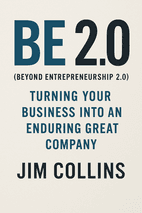
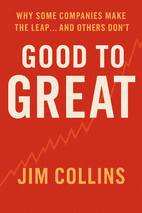
Drawing from research in Good to Great, the chapter emphasizes that "first who"—getting the right people on the bus before deciding where to drive it—is the most critical principle for building a great company. It's more important than any business idea because strategies often fail or evolve, and adaptable people can pivot to new opportunities. For instance, Apple's shift from computers to iPods and iPhones was possible because they had the right people in place. The text argues that hiring for specific roles limits flexibility; instead, focus on individuals who align with core values and can grow with the company.
Learning from Pixar's Creative Process
Ed Catmull of Pixar Animation Studios exemplifies this principle by starting with people, not ideas. He notes that all Pixar films begin as flawed concepts and are refined through iteration by talented teams. For example, Monsters, Inc. underwent multiple story changes before finding success. Catmull's philosophy—bet on great people, not just great stories—led to 14 consecutive number-one movies, demonstrating that the right team can transform mediocre ideas into excellence, while the wrong team can ruin even the best vision.
Thriving in an Unpredictable World
The chapter connects this to modern realities: uncertainty is constant, and disruption is inevitable. In such a landscape, relying on the "first who" principle acts as a hedge against the unknown. Just as climbers need reliable partners to tackle unforeseen challenges on a mountain, companies need resilient, adaptable people to navigate surprises. This reinforces that predicting the future is less important than ensuring your team can handle whatever comes their way.
The Paramount Metric: Key Seats Filled
A crucial takeaway is the need to obsess over one metric above all others: the percentage of key seats filled with the right people. Aim for 90% or higher, as any lower indicates a top priority for improvement. Key seats are defined by three criteria:
- The role involves significant people-deciding power.
- Failure in the role could cause major risk or catastrophe.
- Success would have an outsized positive impact on the company.
This metric should dominate management discussions, as it directly influences the company's ability to achieve greatness.
Navigating the Develop-or-Replace Decision
Leaders often face the dilemma of whether to invest in developing an underperforming person in a key seat or to replace them. Historical examples show a split: some leaders like Anne Mulcahy of Xerox tilt toward development, while others like Andy Grove of Intel favor replacement. Most executives admit to waiting too long before acting, a common mistake. To guide this decision, the chapter offers seven reflective questions:
- Is retaining this person causing other talented people to leave?
- Is the issue related to values, will, or skills?
- Does the person demonstrate window-and-mirror maturity?
- Do they see their role as a job or a responsibility?
- Has your confidence in them increased or decreased over the past year?
- Is it a bus problem (wrong person) or a seat problem (wrong role)?
- How would you feel if they quit?
These questions help leaders assess when to shift from patience to action, emphasizing the need for rigor without ruthlessness—blending courage in decision-making with compassion in execution.
Anne Bakar's Evolution as a Leader
The story of Anne Bakar, who unexpectedly became CEO of Telecare at 29, illustrates that great leaders grow into their roles. Starting with passion and strategic insight, she evolved through versions of herself—Bakar 1.0, 2.0, and beyond—by learning to hire for values, delegate effectively, and foster a strong culture. Her commitment to personal growth, including seeking external mentors during crises, enabled Telecare to expand significantly and achieve recognition. This underscores that leadership isn't innate; it's developed through continuous self-improvement, driven by a desire to be worthy of the team.
The Ripple Effect of Self-Growth
Echoing Bakar's journey, the chapter concludes that to elevate others, leaders must first elevate themselves. Dwight Eisenhower's transformation from a middling officer to Supreme Commander exemplifies how growth is possible with the right mindset and opportunities. The key insight is that exceptional leaders aren't born; they cultivate their capabilities over time, inspired by their responsibility to those they lead. This reinforces the chapter's core message: investing in people starts with investing in oneself.
From Entrepreneurial Immaturity to Mature Leadership
The narrative opens with a powerful reflection on Steve Jobs, illustrating how his leadership evolved dramatically over time. In his twenties, Jobs was known for his temperamental and often demeaning behavior, a far cry from the reflective, company-building leader he became. His journey underscores a critical insight: leadership isn't about static genius but about continuous growth. The myth that founders inevitably hit a ceiling and must be replaced by "real" CEOs is debunked here—Jobs himself nearly fell victim to this belief, but his maturation into "Steve Jobs 2.0" saved Apple and redefined his legacy. This sets the stage for understanding leadership as a dynamic, evolving process rather than a fixed trait.
Defying Myths: Founders and Family Leaders
A compelling list of entrepreneurial founders—from Bill Gates and Jeff Bezos to Walt Disney and Sam Walton—demonstrates that many of history's great companies were built by leaders who grew alongside their organizations. The text challenges the notion that founders can't scale, highlighting how their average tenure spans decades, not years. Similarly, family successors like Peter Lewis of Progressive Insurance, J.W. Marriott Jr., and Katharine Graham shattered expectations. Graham's story is particularly poignant: thrust into leadership after her husband's suicide, she steered the Washington Post through pivotal moments like publishing the Pentagon Papers and supporting the Watergate investigation, embodying courage that transformed a regional paper into a journalistic icon. These examples reinforce that leadership potential isn't bound by origin or circumstance.
The Serendipity of "Who Luck"
Shifting focus, the concept of "who luck" emerges as a transformative force—the unexpected encounters with people who profoundly shape our lives and work. The author shares personal anecdotes, like discovering Terrence, a diligent server who became a key research team member, illustrating how staying attuned to talent in everyday settings can yield remarkable dividends. This "first who" mindset encourages reframing questions from "what" to "who," emphasizing that the right people drive meaningful accomplishments. Whether it's mentors, colleagues, or partners, these connections often define our trajectory more than any plan or idea, fostering a culture where serendipitous relationships fuel growth and satisfaction.
Leading from the Unit Level
The discussion turns to the foundational role of unit leadership, drawing from experiences at West Point and beyond. Great organizations thrive on well-led units where cohesion and audacious goals converge. Anne Mulcahy's rise at Xerox exemplifies this: she never sought the CEO role but earned it by consistently delivering exceptional results in every responsibility she held. Similarly, General Lloyd Austin III's shift from career-focused to people-centric leadership unlocked his success, as he prioritized his team's well-being over personal advancement. Both stories highlight a universal truth: focusing on your people and your immediate unit—rather than your career—creates pockets of excellence that naturally attract greater responsibility.
The Momentum of Great People
Jorge Paulo Lemann's approach introduces a virtuous cycle: by obsessively recruiting and developing driven individuals, his team built a "People Machine" that demanded ever-larger challenges. This "Jorge Paulo dilemma"—having too many talented leaders—forces organizations to pursue bigger dreams to sustain momentum. The logic is simple: great people need grand opportunities, which in turn attract more great people, creating a self-reinforcing loop. This mindset flips traditional strategy on its head, proving that culture and talent precede market opportunities, and that nurturing ambition within a meritocratic framework can propel a company to unprecedented heights.
Why Money Isn't the Motivator
Finally, the text dismantles the reliance on financial incentives, arguing that true high performers are driven by inner passion, not external rewards. Examples from education, healthcare, and the military show that exceptional results often stem from intrinsic motivation and collaborative cultures. The Cleveland Clinic, for instance, attracts elite physicians through its mission-driven environment rather than pay-for-performance models. This reinforces the core message: if you need money to motivate someone, they're likely not the right fit. Instead, cultivating a culture where people are aligned with purpose and values ensures sustained excellence without the crutch of financial incentives.
Excellence Beyond Financial Incentives
The chapter illustrates how the most skilled professionals are driven by factors far beyond money. At the Cleveland Clinic, surgical teams operate with seamless precision, not because of financial rewards, but because they are united by a shared commitment to excellence and collaboration. Similarly, elite military units like the Navy SEALs thrive on mutual respect and an unbreakable bond—where reputation and the promise to never leave a comrade behind outweigh any monetary gain. These examples underscore that for the best people, intrinsic motivations like pride in work and camaraderie are what fuel peak performance.
The Wells Fargo Cautionary Tale
Misaligned incentives can unravel even the strongest organizations, as seen in the Wells Fargo scandal. Once praised by Warren Buffett for its leadership, the company later faced a crisis when an aggressive sales culture and flawed incentive system pressured employees to open unauthorized accounts. This not only breached customer trust but also highlighted how wrong incentives can attract and retain the wrong people, ultimately degrading the culture. The board's report identified this as a root cause, showing that when compensation systems clash with core values, they can trigger a "doom loop" that drives away the right people and amplifies destructive behaviors.
Aligning Compensation with Values
Compensation should serve a fundamental purpose: to attract and retain self-motivated individuals who embody the company's core values, rather than trying to motivate those who don't fit. Great companies use pay systems that are fair and aligned with their ethos, ensuring they reward the right behaviors. As emphasized, the goal isn't to eliminate incentives but to design them so they support a culture where people feel valued and motivated by shared success, not just personal gain.
The Culture of Mutual Commitment
Stories from William Manchester's wartime experiences and Fred Smith's founding of Federal Express reveal the profound impact of building a culture where people depend on each other. Manchester risked his life out of love for his fellow Marines, while Smith applied this principle to create a company where employees would go to extraordinary lengths to uphold promises like "absolutely, positively overnight." This culture of trust and mutual reliance—where people feel accountable to their peers—often inspires greater dedication than any external reward. It transforms work into something meaningful, giving people a sense of purpose that transcends routine tasks.
Key Takeaways
- Non-financial motivations like respect, trust, and shared purpose are often more powerful than financial incentives in driving top performers.
- Misaligned incentives can dangerously undermine company values, attract the wrong people, and lead to cultural decay, as evidenced by the Wells Fargo case.
- Compensation systems should primarily focus on attracting and retaining the right people who align with core values, not on motivating through money alone.
- Building a culture of mutual dependence—where people feel accountable to each other—fosters resilience, commitment, and a deeper sense of meaning in work.
Key concepts: 2. Jim's View From 2020: Great Vision Without Great People Is Irrelevant
2. Jim's View From 2020: Great Vision Without Great People Is Irrelevant
The Personal Foundation
- Life well-led measured by positive impact on others
- Bill's profound influence contrasted with absent father guidance
- Memorial service demonstrated scale of one person's positive ripple effect
Steve Jobs' People-First Turnaround
- First priority was finding 'hidden Jedi' who believed in Apple's vision
- People prioritization preceded product innovation (iPod/iPhone)
- Transformation proved great teams outlast individual founders
The 'First Who' Principle
- Get right people on bus before deciding direction
- Adaptable people can pivot through strategic changes
- Apple's shift from computers to iPhones enabled by right team
Pixar's Creative Process
- Bet on people, not perfect ideas
- All films start as flawed concepts refined through collaboration
- 14 consecutive hits demonstrate team-driven excellence
Leadership Development Framework
- Key metric: percentage of key seats filled with right people
- Develop-or-replace dilemma for underperformers
- Greatness grown through continuous self-improvement
Evolution of Leadership
- Steve Jobs evolved from temperamental to reflective leader
- Anne Bakar's journey from unexpected CEO to evolved leader
- Founders can scale with personal growth and adaptation
Motivation and Culture
- Top performers driven by intrinsic factors, not financial incentives
- Wells Fargo scandal shows dangers of misaligned rewards
- Compensation should attract values-aligned individuals
Building Enduring Organizations
- Culture of mutual commitment transforms work into meaningful pursuit
- Unit-level excellence naturally attracts greater responsibility
- People machines create virtuous cycles of talent and ambition
The Paramount Metric: Key Seats Filled
- Focus obsessively on the percentage of key seats filled with the right people, aiming for 90% or higher
- Key seats are defined by significant people-deciding power, potential for major risk if failed, and outsized positive impact if successful
- This metric should dominate management discussions as it directly influences company greatness
Navigating the Develop-or-Replace Decision
- Leaders commonly wait too long before acting on underperforming key seat holders
- Seven reflective questions guide the decision between development and replacement
- Blend courage in decision-making with compassion in execution - rigor without ruthlessness
- Assess whether issues relate to values, will, or skills, and whether it's a bus problem (wrong person) or seat problem (wrong role)
Anne Bakar's Evolution as a Leader
- Unexpectedly became CEO at 29 and evolved through multiple versions of leadership
- Grew by learning to hire for values, delegate effectively, and foster strong culture
- Demonstrates that leadership isn't innate but developed through continuous self-improvement
- Sought external mentors during crises to enable significant company expansion
The Ripple Effect of Self-Growth
- To elevate others, leaders must first elevate themselves
- Exceptional leaders cultivate capabilities over time, inspired by responsibility to those they lead
- Investing in people starts with investing in oneself
- Growth is possible with the right mindset and opportunities, as exemplified by Eisenhower's transformation
From Entrepreneurial Immaturity to Mature Leadership
- Steve Jobs evolved from temperamental behavior to reflective, company-building leadership
- Leadership is not static genius but continuous growth and evolution
- Debunks the myth that founders inevitably hit a ceiling and must be replaced
- Leadership should be understood as a dynamic, evolving process rather than a fixed trait
Defying Myths: Founders and Family Leaders
- Many great companies were built by founders who grew alongside their organizations for decades
- Challenges the notion that founders can't scale their leadership capabilities
- Family successors like Katharine Graham shattered expectations and transformed organizations
- Leadership potential isn't bound by origin or circumstance but by growth and courage
The Serendipity of "Who Luck"
- Unexpected encounters with people can profoundly shape lives and work trajectories
- Reframe questions from "what" to "who" - the right people drive meaningful accomplishments
- Stay attuned to talent in everyday settings, as illustrated by discovering Terrence the server
- Serendipitous relationships often define trajectory more than any plan or idea
Navigating Constant Uncertainty
- In a landscape of constant uncertainty and inevitable disruption, the "first who" principle acts as a hedge
- Predicting the future is less important than ensuring your team can handle whatever comes their way
- Companies need resilient, adaptable people to navigate surprises, similar to climbers needing reliable partners
- Great people provide the adaptability needed to handle unforeseen challenges
The Foundation of Unit Leadership
- Great organizations thrive on well-led units where cohesion and audacious goals converge
- Focusing on people and immediate unit rather than career creates pockets of excellence
- Exceptional results in current responsibilities naturally attract greater responsibility
- People-centric leadership prioritizes team well-being over personal advancement
The Momentum of Great People
- Obsessive recruitment and development creates a 'People Machine' that demands bigger challenges
- Great people need grand opportunities, which in turn attract more great people
- Culture and talent precede market opportunities in driving organizational success
- Nurturing ambition within meritocratic frameworks propels companies to unprecedented heights
Excellence Beyond Financial Incentives
- True high performers are driven by inner passion and intrinsic motivation
- Shared commitment to excellence and collaboration drives peak performance
- Intrinsic motivations like pride in work and camaraderie fuel exceptional results
- Mission-driven environments attract elite professionals more effectively than financial rewards
The Dangers of Misaligned Incentives
- Wrong incentives can attract and retain the wrong people, degrading organizational culture
- Compensation systems that clash with core values trigger destructive 'doom loops'
- Aggressive incentive structures can pressure employees into unethical behaviors
- Misaligned incentives breach customer trust and drive away the right people
Building Cultures of Mutual Commitment
- Cultures where people depend on each other inspire extraordinary dedication
- Mutual accountability to peers creates deeper motivation than external rewards
- Trust and mutual reliance transform work into meaningful purpose
- Shared commitment fosters resilience and willingness to go to extraordinary lengths
Strategic Compensation Alignment
- Compensation should attract self-motivated individuals who embody company values
- Pay systems should reward behaviors aligned with organizational ethos
- Fair compensation supports cultures where people feel valued by shared success
- Incentives should reinforce rather than replace intrinsic motivation