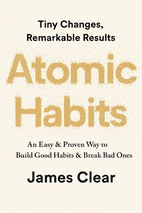
What is the book The Atomic Habits Workbook about?
James Clear's The Atomic Habits Workbook translates his core principles into actionable exercises and templates, guiding readers through the Four Laws of Behavior Change to build sustainable systems through small daily improvements.
Feature
Insta.Page
Blinkist
Shortform
Summary Depth
Full Chapter-by-Chapter
15-min overview
Section-by-section guides
Audio Narration
✓
✓
✓
Visual Mindmaps
✓
✕
✕
AI Q&A
✓
✕
✕
Quizzes
✓
✕
✕
PDF Downloads
✓
✕
✓
Price
$89.99/yr
$146/yr (PRO)
$199/yr
*Competitor data last verified July 2026.
1 Page Summary
The Atomic Habits Workbook by James Clear serves as a practical companion to his bestselling book Atomic Habits, translating its core principles into actionable exercises. The key concept is that remarkable results come not from single, massive actions but from the compound effect of small, daily improvements—termed "atomic habits." The workbook systematically guides readers through Clear's Four Laws of Behavior Change: make it obvious, make it attractive, make it easy, and make it satisfying. Through templates, checklists, and reflective prompts, it helps individuals diagnose their current habits, design new systems, and overcome common barriers, emphasizing identity-based change ("I am a reader" vs. "I need to read").
The book's methodology is rooted in a modern understanding of behavioral psychology, neuroscience, and the stories of successful individuals across fields. It distills lessons from figures like Jerry Seinfeld's "don't break the chain" technique and the marginal gains philosophy of the British cycling team into a universal framework. Historically, it responds to a cultural shift from seeking quick fixes to valuing sustainable systems, positioning habit formation as a foundational skill for personal and professional mastery in an increasingly distracted world.
The lasting impact of the workbook lies in its transformation of abstract self-help theory into a personalized, structured practice. By making the process of habit formation tangible and trackable, it empowers readers to move beyond motivation and rely on consistent process. Its emphasis on tiny changes reduces the intimidation of large goals, making self-improvement accessible and sustainable, thereby cementing Clear's "atomic" approach as a cornerstone of contemporary productivity and behavior change literature.
Introduction
Overview
Imagine starting with the idea that real transformation doesn't require monumental effort, but rather the consistent power of tiny, 1% improvements. These small gains, when compounded daily, can lead to extraordinary results over time, while emphasizing that time itself magnifies the gap between success and failure. This sets the stage for understanding that progress isn't always visible; it often accumulates on a Plateau of Latent Potential before a breakthrough appears, which explains why "overnight success" is usually years in the making.
This foundation shifts the focus from fixating on goals to building systems. You don’t rise to your goals; you fall to the level of your systems, making the daily processes you follow far more important than the finish line. Lasting change, however, goes deeper than action—it's rooted in identity. True habit change is identity change, where every small action is a vote for the type of person you wish to become.
To understand how habits form, we explore the neurological Habit Loop of cue, craving, response, and reward. This loop is the engine of all behavior, and to master it, you are introduced to a practical framework: The Four Laws of Behavior Change. To build good habits, you make them Obvious, Attractive, Easy, and Satisfying. To break bad ones, you invert the laws.
Before applying these laws, you need a clear starting point and destination, which is provided by the ABZ Framework. Here, you honestly assess your current reality (A), vividly envision your ideal future and identity (Z), and then identify the very next right step or habit (B) to get you moving. This involves practical self-audits and the empowering exercise of designing your ideal life from scratch, clarifying what you truly want to say "yes" and "no" to.
With a clear vision, you translate goals into systems and select a single, foundational habit to focus on. This choice is tested against two criteria: whether it solves a problem at the root level and whether it realistically fits the shape of your current life. Once a habit is chosen, the practical work begins with The First Law: Make It Obvious. You learn to create undeniable cues using implementation intentions ("I will [behavior] at [time] in [location]") and habit stacking, which links a new habit to an existing routine.
To break bad habits, you first must make the automatic conscious, using techniques like pointing-and-calling to identify hidden triggers. The most powerful strategy, however, is environmental design. By redesigning your surroundings, you make the cues for good habits obvious and the cues for bad ones invisible. This challenges the myth of self-control, revealing that disciplined people often simply structure their environments better. Advanced tactics include starting fresh habits in new locations and adhering to the principle of one space, one use to create clear, context-driven cues for your desired behaviors.
The journey is iterative, encouraging you to experiment with different triggers and designs until your habits fit seamlessly into your life, proving that mastery is less about willpower and more about wise, consistent design.
The chapter opens with a personal anecdote about a conversation with a college soccer coach, which leads into a foundational revelation: the power of tiny, 1% improvements. The math is compelling—getting 1% better each day compounds to a 37-fold improvement over a year, while a 1% daily decline leads to near-zero. This underscores that success is less about dramatic leaps and more about the trajectory set by daily habits. Time magnifies the margin between success and failure; good habits make time an ally, while bad habits make it an enemy.
The Plateau of Latent Potential
A critical insight follows: change is rarely linear. We often expect immediate, visible results and can become discouraged during the "Valley of Disappointment," where efforts seem to yield nothing. However, progress is accumulating beneath the surface on the "Plateau of Latent Potential." The breakthrough, when it comes, feels sudden—an "overnight success" that was actually built by consistent, unseen work. Mastery, therefore, requires patience and trust in the process.
Systems Trump Goals
A common mistake is overemphasizing goals. While goals are useful for setting direction, they are fleeting endpoints. Systems—the processes you follow daily—are what drive sustained progress. You don’t rise to the level of your goals; you fall to the level of your systems. If you want different results, you must design better systems. The real key is to fall in love with the process itself, finding satisfaction in the system's operation rather than waiting for a distant outcome.
Identity-Based Habits
Lasting change isn't just about what you do, but who you believe you are. True behavior change is identity change. Your current habits are a reflection of your current self-image. To change a habit for good, you must start by believing new things about yourself. The process is a two-step loop:
Decide the type of person you want to be.
Prove it to yourself with small wins.
Every small action is a vote for that new identity. Over time, these votes build the evidence that solidifies the belief, making the desired behaviors feel natural and effortless.
The Habit Loop: Cue, Craving, Response, Reward
All habits form through a four-step neurological feedback loop:
Cue: A trigger that predicts a reward.
Craving: The motivational force, the desire for the reward or change in state.
Response: The actual habit or action you perform.
Reward: The satisfying end goal that fulfills the craving and teaches the brain to remember the loop.
This cycle automates behavior, saving mental energy. Understanding and dissecting your own habits into these four components is the first step toward reshaping them.
The Four Laws of Behavior Change
To make the habit loop practical, the author introduces the Four Laws, a set of rules for building good habits and breaking bad ones by manipulating each step of the loop:
To Build a Good Habit: Make the cue obvious, the craving attractive, the response easy, and the reward satisfying.
To Break a Bad Habit: Make the cue invisible, the craving unattractive, the response difficult, and the reward unsatisfying.
These laws serve as levers for influencing behavior, transforming theory into actionable strategy.
Beginning with Assessment: The ABZ Framework
Before charging into change, it’s crucial to understand your starting point. The ABZ Framework provides structure:
A: Your honest current reality.
Z: The person you want to become and the life you want to live.
B: The very next right step or habit that moves you from A toward Z.
You don't need to map the entire path from B to Y; you only need to identify and master the first "B." The rest of the journey is just a series of subsequent "B" steps. The chapter provides practical tools for this assessment, including a Time and Energy Audit, an analysis of Past Attempts at habit change, and a Current Habit Inventory using "Habits Scorecards" for mornings, evenings, and other key routines. The goal is to move from assumption to awareness, ensuring you solve the right problem in the right way.
Envisioning Your Ideal Life
The chapter suggests a radical reset: instead of being constrained by existing obligations, you are prompted to design your life from scratch. This "clearing the slate" exercise asks you to list the commitments you truly want and, perhaps more importantly, those you don't want. A key insight is framed: "When you say no, you are only saying no to one option. When you say yes, you are saying no to every other option." This foundational work expands into visualizing your ideal day, setting goals across specific timelines (six months, two years, ten years), and defining success on your own terms across various life domains—from physical well-being to legacy. Finally, you are guided to envision your ideal identity, identifying the person you hope to be and the habits that would support those identities, creating a powerful, identity-driven target for change.
From Goals to Systems
With a clearer vision of your destination (Z) and an understanding of your starting point (A), the focus shifts to the first step (B). The chapter clarifies that B represents the beginning of a system. A goal sets the direction, but a system is what makes achievement possible. You are walked through a practical exercise to translate each goal into an ideal system, breaking that system down into its component habits. The core instruction is to choose only one habit to focus on at a time, with two caveats: you might work on one personal and one professional habit simultaneously, and you are always allowed to change your chosen habit if it proves unhelpful.
Choosing and Testing Your Habit
Before committing, two crucial "double checks" are required for your selected habit:
Root vs. Branch Level: Does the habit solve your problem at its root, or is it merely a temporary, branch-level fix? The example given is treating phone scrolling before bed with melatonin (branch) versus keeping the phone out of the room (root).
The Shape of Your Life: Does the habit fit the realities of your current life, or are you trying to resurrect a habit from a past life phase that no longer aligns? The text warns against the discouragement of forcing an old habit into a new reality.
After passing these tests, you formally name and commit to your chosen habit, reinforcing that "The most important habit is choosing the right habit to work on."
Introducing the Four Laws of Behavior Change
The summary introduces the core framework for the practical work ahead: The Four Laws of Behavior Change. These laws are presented as the actionable counterparts to the four steps of the neurological habit loop (cue, craving, response, reward).
To build a good habit, you make it Obvious, Attractive, Easy, and Satisfying.
To break a bad habit, you invert the laws to make it Invisible, Unattractive, Difficult, and Unsatisfying.
The section concludes by beginning an in-depth exploration of The First Law: Make It Obvious. It explains that every habit needs a cue to trigger it, and introduces the five fundamental categories of cues (Time, Location, Preceding Event, Emotional State, Other People). Two key strategies for cue creation are presented:
Implementation Intentions: The simple, powerful plan of "I will [BEHAVIOR] at [TIME] in [LOCATION]."
Habit Stacking: The formula of "Before/After [CURRENT HABIT], I will [NEW HABIT]," which ties a new habit to an existing, reliable one.
Exercises guide you to brainstorm and test specific implementation intentions for both building new habits and breaking existing ones.
Habit Stacking Within a Routine
The concept expands beyond linking a new habit to a single trigger. You can also slot a new behavior directly into the middle of an existing routine. By consulting your Habit Scorecard, you can identify a reliable daily sequence and choose a precise spot to insert your new action. The key to success here is choosing a routine that isn't already rushed or chaotic; select a part of your day where you have the greatest mental and physical capacity to accommodate change.
This method is also powerfully adapted for breaking bad habits. Instead of adding a new habit, you can redesign a routine to bypass or replace an unwanted behavior. For example, if coming home cues you to watch TV, you could redesign the stack so that walking through the door cues you to change into workout clothes instead, effectively cutting the TV habit out of the sequence. Alternatively, you could replace TV time with a different, more beneficial activity like reading.
Making the Automatic Conscious
To break a habit, you must first make its cue visible. This is the "Inverted First Law": make the cue invisible to stop the habit, but you can't hide what you haven't identified. Since habits are automatic, we often perform them without conscious awareness of what triggers them. The first step is to deliberately write down all the potential cues for the habit you want to break, remembering they can be visual, auditory, or related to time, location, or emotional state.
A powerful technique to surface these hidden triggers is pointing-and-calling. By verbally stating the habit as you perform it ("I am scrolling on my phone"), you force conscious awareness onto the automatic behavior. This heightened awareness helps you notice the context, timing, and sensations that act as cues. This same strategy can be used to build good habits by making their intended cues more obvious to you.
The Power of Environmental Design
Our behavior is profoundly shaped by our environment, often more than by conscious choice. The most obvious option in any given space is the one we are most likely to choose. Therefore, the most reliable way to change habits is to redesign your surroundings to make the cues of good habits obvious and the cues of bad habits invisible.
This begins with an environmental assessment. In each key space, identify the obvious and hidden cues, noting which habits they facilitate or hinder. With this map, you can then deliberately redesign the environment. This often means manipulating visual cues, as sight is our dominant sense. To eat more fruit, place it in a bowl on the counter. To play fewer video games, put the console in a closet.
The Myth of Self-Control
A crucial insight emerges: people who appear to have high self-control often don't rely on willpower at all. Instead, they are adept at structuring their environments to avoid temptation and reduce friction. The goal is not to become a person of immense willpower, but to become the architect of your surroundings so that the right behavior is the easiest behavior. Willpower is a limited resource; a well-designed environment works automatically.
Advanced Environmental Strategy
Sometimes, small tweaks aren't enough because entire spaces become cues themselves. A bedroom associated with screen time can undermine sleep. In such cases, it can be more effective to start a new habit in a completely new environment that lacks old associations. If that's not possible, create a distinct "new" space within an old one, like a dedicated writing nook in a corner.
This leads to the principle of One Space, One Use. When a single environment cues multiple, competing behaviors, the easiest or most ingrained one will usually win. To support a specific habit, dedicate a specific space to it. This clear context makes the desired cue unmistakable and the intended action almost inevitable.
Key Takeaways
Design over Willpower: Lasting change comes more reliably from designing an environment that makes good habits easy and bad habits hard than from brute-force self-control.
Identify to Eliminate: You must first make the subconscious cues of a bad habit conscious through techniques like pointing-and-calling before you can effectively remove or redesign them.
Context is King: A habit is far more likely to stick if it has a dedicated, obvious cue and a clear, consistent location in your physical space and daily routine.
Iterate and Experiment: Habit formation is a trial-and-error process. Use the weekly reflection prompts to test different triggers, routines, and environmental designs until you find what works seamlessly for your life.
Key concepts: Introduction
1. Introduction
The Power of Tiny Improvements
Real transformation comes from consistent 1% improvements, not monumental effort
Small daily gains compound over time to create extraordinary results
Time magnifies the gap between success and failure based on daily habits
Getting 1% better daily compounds to 37x improvement over a year
The Plateau of Latent Potential
Progress is rarely linear and often accumulates invisibly
Breakthroughs feel sudden but are built by consistent, unseen work
The 'Valley of Disappointment' occurs when efforts seem to yield no visible results
Mastery requires patience and trust in the process
Systems Over Goals
Systems (daily processes) drive sustained progress more than goals
You don't rise to your goals; you fall to the level of your systems
Goals are useful for direction but systems create lasting results
The key is to fall in love with the process itself
Identity-Based Habits
True behavior change is identity change
Current habits reflect your current self-image
Every small action is a vote for the type of person you want to become
Change requires believing new things about yourself first
The Habit Loop
All habits form through a four-step neurological feedback loop
Cue: A trigger that predicts a reward
Craving: The motivational force or desire
Response: The actual habit or action performed
Reward: The satisfying end goal that reinforces the loop
The Four Laws of Behavior Change
Practical framework for building and breaking habits
To build good habits: Make them Obvious, Attractive, Easy, and Satisfying
To break bad habits: Invert the four laws
This framework provides actionable strategies for habit mastery
The ABZ Framework
Provides clear starting point and destination for habit change
A: Honestly assess current reality
Z: Vividly envision ideal future and identity
B: Identify the very next right step or habit to begin movement
Making Habits Obvious (First Law)
Create undeniable cues using implementation intentions
Use habit stacking to link new habits to existing routines
Make the automatic conscious to identify hidden triggers
Environmental design makes cues for good habits obvious and bad ones invisible
Environmental Design Strategies
Redesign surroundings to support desired behaviors
The 'myth of self-control' - disciplined people structure environments better
Start fresh habits in new locations for clearer cues
One space, one use principle creates context-driven cues
The Four Laws of Behavior Change
Framework for building good habits: Make cue obvious, craving attractive, response easy, reward satisfying
Framework for breaking bad habits: Make cue invisible, craving unattractive, response difficult, reward unsatisfying
Transforms theoretical habit loop into actionable behavioral strategy
Provides specific levers to influence each stage of the habit cycle
The ABZ Framework for Assessment
A: Honest assessment of current reality and starting point
Z: Clear vision of desired identity and life outcomes
B: The immediate next step or habit that moves from A toward Z
Focus on mastering the first B step rather than mapping entire journey
Uses practical tools like Time/Energy Audit and Habit Scorecards for awareness
Envisioning Your Ideal Life and Identity
Radical reset exercise: Design life from scratch rather than being constrained by existing obligations
Key insight: Saying yes to one option means saying no to all others
Visualize ideal day and set goals across specific timelines (6 months, 2 years, 10 years)
Define success across life domains: physical, mental, relational, legacy
Create identity-driven targets by envisioning ideal identity and supporting habits
From Goals to Systems
B represents the beginning of a system, not just a goal
Goal sets direction but system enables achievement
Practical exercise: Translate each goal into ideal system, then break system into component habits
Core principle: Focus on only one habit at a time (with possible exception of one personal and one professional)
Permission to change chosen habit if it proves unhelpful
Choosing and Testing Your Habit
Root vs. Branch Level test: Does habit solve problem at root or provide temporary fix?
Shape of Your Life test: Does habit fit current life reality or force old habit into new phase?
Formal naming and commitment to chosen habit reinforces importance of selection
Key insight: Most important habit is choosing the right habit to work on
Prevents discouragement from misaligned habit choices
The First Law: Make It Obvious
Every habit needs a cue to trigger it
Five fundamental cue categories: Time, Location, Preceding Event, Emotional State, Other People
Implementation Intentions: "I will [BEHAVIOR] at [TIME] in [LOCATION]"
Habit Stacking: "Before/After [CURRENT HABIT], I will [NEW HABIT]"
Exercises guide testing specific implementation intentions for building and breaking habits
Habit Stacking Within a Routine
Expands beyond single triggers to inserting behaviors into existing routine sequences
Use Habit Scorecard to identify reliable daily sequences for insertion points
Choose precise spots within routines to slot new behaviors
Critical success factor: Select routines that aren't rushed or chaotic
Insert habits where you have greatest mental and physical capacity for change
Breaking Bad Habits with Habit Stacking
The habit stacking method can be adapted to break unwanted behaviors by redesigning routines.
An existing cue can be linked to a new, beneficial action to bypass or replace the unwanted habit.
Example: Redesigning the 'coming home' cue to trigger changing into workout clothes instead of watching TV.
Making the Automatic Conscious (Inverted First Law)
To break a habit, you must first identify and make its subconscious cue visible.
Techniques like deliberately writing down potential cues (visual, auditory, time, location, emotion) are essential.
Pointing-and-calling—verbally stating the habit as you perform it—forces conscious awareness of the automatic behavior.
This heightened awareness helps identify the context, timing, and sensations that act as hidden triggers.
The Power of Environmental Design
Behavior is shaped more by environment than by conscious choice; we tend to choose the most obvious option.
The most reliable way to change habits is to redesign surroundings to make good habit cues obvious and bad habit cues invisible.
Begin with an environmental assessment to map obvious and hidden cues in key spaces.
Manipulate visual cues (our dominant sense) to facilitate desired behaviors, like placing fruit on the counter.
The Myth of Self-Control
People with apparent high self-control often rely on environmental design, not willpower.
The goal is to become the architect of your surroundings so the right behavior is the easiest.
Willpower is a limited resource, while a well-designed environment works automatically.
Advanced Environmental Strategy
When entire spaces become cues for unwanted habits, starting a new habit in a completely new environment can be effective.
If a new environment isn't possible, create a distinct 'new' space within an old one (e.g., a dedicated writing nook).
The principle of One Space, One Use: dedicate a specific space to a specific habit to avoid competing cues.
A clear context makes the desired cue unmistakable and the intended action almost inevitable.
💡 Try clicking the AI chat button to ask questions about this book!
Conclusion: The First Law of Behavior Change
Overview
This chapter solidifies the First Law of Behavior Change with a practical guide to making it obvious—using implementation intentions and habit stacking to craft undeniable cues, while redesigning environments to hide triggers for bad habits through the inverted law of making it invisible. A reflective check-in framework encourages a scientist’s mindset, treating each habit attempt as an experiment to learn from successes and setbacks. The focus then shifts to the Second Law: Make It Attractive, which operates on the level of craving, where the anticipation of reward driven by dopamine fuels action. To build a craveable habit, strategies like Temptation Bundling link necessary behaviors with enjoyable ones, and injecting fun through motivation rituals or seeking the most enjoyable version of a habit enhances sustainability. Breaking unwanted habits requires making them unattractive by identifying the deeper craving behind the behavior and shifting your mindset or choosing a better alternative that fulfills the same need. The chapter reveals how powerfully social influence dictates what we find attractive, as humans instinctively imitate the habits normalized by their groups—the close, the many, and the powerful. By intentionally joining communities where desired behaviors are valued and distancing from those that undermine goals, change becomes more appealing. Practical steps include designing a supportive social environment through assessing current circles and creating actionable plans, as well as identifying key support partners who energize and align with your growth. Ultimately, habits gain their appeal from social alignment, and proactively curating your relationships and communities turns social pressure into a force for positive transformation.
Cheat Sheet: The First Law in Practice
The section begins by consolidating the core principles of the First Law into a practical cheat sheet. The fundamental rule is Make It Obvious. To build a habit, you must make its cue unmistakable. Key exercises for this include:
Crafting Strong Cues: Using implementation intentions ("I will [BEHAVIOR] at [TIME] in [LOCATION]") and habit stacking ("After I [CURRENT HABIT], I will [NEW HABIT]") to embed new behaviors into your existing routine.
Designing Your Environment: Redesigning your surroundings so that the cues for good habits are highly visible. The principle of "one space, one use" is highlighted as a powerful method for creating clear behavioral triggers.
Conversely, the Inverted First Law is Make It Invisible. To break a habit, you must remove or hide its cues. This involves identifying the cues through techniques like pointing-and-calling and then redesigning your environment to make those cues disappear.
CHECK-IN: A Framework for Reflection
A structured check-in prompts you to evaluate your progress with a scientist's mindset, viewing each attempt as an experiment and each mistake as a clue. Key reflection questions include:
Rating your overall progress on a scale.
Assessing whether your habits are reinforcing your desired identity.
Identifying at least one tiny victory.
Analyzing what's working, what's not, and what obstacles are present.
Planning how to overcome those obstacles.
Considering the single habit that, if maintained, would be most transformative.
Introducing The Second Law: Make It Attractive
The narrative then pivots to introduce the Second Law of Behavior Change: Make It Attractive. This law operates at the level of craving—the anticipation of a reward that motivates action. The text explains the dopamine feedback loop, noting that our brains release dopamine not only when we experience pleasure but, crucially, when we anticipate it. This makes craving a powerful driver of behavior.
Therefore, to build a habit, you must make it attractive and craveable. The inverse, the Inverted Second Law, is Make It Unattractive—decrease the craving to break a habit.
Practical Strategy: Temptation Bundling
The first practical strategy for applying the Second Law is Temptation Bundling. This involves linking a new habit you need to do with a habit you already want to do. By bundling them, you begin to crave the new habit by association. For example, only watching your favorite TV show while on the exercise bike.
The text provides a framework to:
Identify attractive habits you already perform.
Choose one to bundle with your new habit.
Plan the bundling and try it for a week.
Reflect on its effectiveness.
It also suggests combining temptation bundling with habit stacking, creating a formula: After I [CURRENT HABIT], I will [NEW HABIT I NEED]. After [HABIT I NEED], I will [ATTRACTIVE HABIT I WANT].
Building Attraction Through Ritual and Fun
Two additional methods for making habits attractive are presented:
Motivation Rituals: Creating a short, simple ritual encoded with positive feelings (e.g., taking two deep breaths and smiling before a joyful activity) and then performing that ritual before a new habit. This transfers the positive association to the new behavior.
Making It Fun: Actively seeking the most enjoyable version of a habit. The premise is that the fun version is far more sustainable and, therefore, ultimately more beneficial. The exercise prompts you to ask, "What would this habit look like if it was fun?" and to test that version for a week.
Applying the Inverted Law: Making Bad Habits Unattractive
To break a habit using the Inverted Second Law, you must first identify the craving. The text guides you to pause at the moment of craving and document your thoughts and feelings. It emphasizes that cravings have layers: a surface-level desire (e.g., for a cigarette) and a deeper desire to change your internal state (e.g., to feel less stressed).
Strategies to then make the habit unattractive include:
Mindset Shift: Actively listing reasons why the habit is ineffective at fulfilling the deeper craving and highlighting the benefits of not performing it. This can also be used in reverse to make good habits more attractive by framing them positively (e.g., "I get to run" vs. "I have to run").
Choosing a New Solution: Recognizing that a craving signals a legitimate need. Instead of ignoring it, you swap the bad habit for a better one that addresses the same underlying craving (e.g., squeezing a stress ball instead of scrolling social media when stressed).
The Power of Social Influence
Finally, the section explores how our social environment is a dominant factor in what we find attractive. We are wired to seek belonging and approval, making us likely to adopt the habits normalized by our groups. You are encouraged to assess your current social landscape by identifying:
The groups you belong to.
The habits they value and normalize.
How that normalization is shown.
The text notes we especially imitate three groups: The Close (those around us), The Many (the group consensus), and The Powerful (those we aspire to be like). The lever for change is to consciously join groups where your desired habits are the norm and distance yourself from groups where your unwanted habits are normalized.
The chapter prompts deep reflection on how your social circles shape your habits and identity. It asks pointed questions: Which communities influence your behaviors? How have your habits shifted since joining these groups? Do any groups hinder the changes you're trying to make? The core insight is that change becomes attractive when it means fitting in with your tribe, and unattractive when it challenges group norms.
Designing a Supportive Social Environment
To build better habits, you need to engineer your social surroundings. The text provides a practical framework: assess your current groups based on whether they support or undermine your desired behavior change. It includes a template to list habits alongside groups that help, groups that don't, and potential new groups to join. You're then guided to create an action plan—like researching a local running club to join or limiting exposure to negative influences. This process turns vague intentions into clear steps, ensuring your environment actively pulls you toward better behaviors.
Identifying Key Support Partners
The influence extends beyond groups to individual relationships. The chapter emphasizes that the people you choose today shape your habits tomorrow. You're asked to identify the three to five most impactful relationships in your life, noting which drain or energize you, and which make you feel like your best self. For your specific habit goal, you should pinpoint who will support you and define what that support looks like, turning abstract social pressure into concrete, positive reinforcement. This personal audit helps you nurture connections that align with your growth and thoughtfully navigate those that don't.
Key Takeaways
Social Attractiveness: Habits are more attractive when they align with your social group's norms and values, making change feel natural and rewarding.
Active Environmental Design: Proactively curate your social circles by joining supportive groups and distancing from detrimental ones to create a ecosystem that fosters good habits.
Relationship Audit: Regularly assess key personal relationships to ensure they energize you and support your growth, recognizing that close bonds significantly influence daily behaviors.
Action-Oriented Planning: Move from reflection to action by creating specific plans to engage with supportive communities and individuals, solidifying your commitment to change.
Key concepts: Conclusion: The First Law of Behavior Change
2. Conclusion: The First Law of Behavior Change
The First Law of Behavior Change: Make It Obvious
Use implementation intentions to specify behavior, time, and location
Apply habit stacking to link new habits to existing routines
Design environments to make cues for good habits highly visible
Follow the 'one space, one use' principle for clear behavioral triggers
Inverted First Law: Make It Invisible
Break habits by removing or hiding their cues
Identify cues through techniques like pointing-and-calling
Redesign environments to eliminate triggers for unwanted behaviors
Check-In Framework for Reflection
Adopt a scientist's mindset treating habits as experiments
Rate progress and assess alignment with desired identity
Identify tiny victories and analyze what's working versus what's not
Plan obstacle solutions and identify the most transformative habit
The Second Law of Behavior Change: Make It Attractive
Operates at the level of craving and anticipation of reward
Dopamine drives action through anticipation of pleasure
Inverted Second Law: Make It Unattractive to decrease craving
Temptation Bundling Strategy
Link needed habits with wanted habits to create craving by association
Combine with habit stacking for enhanced effectiveness
Use formula: After [CURRENT HABIT], I will [NEW HABIT]. After [NEW HABIT], I will [ATTRACTIVE HABIT]
Building Attraction Through Ritual and Fun
Create motivation rituals to transfer positive associations to new habits
Actively seek the most enjoyable version of each habit
Ask 'What would this habit look like if it was fun?' and test that version
Social Influence on Habit Attractiveness
Humans imitate habits normalized by their social groups
Join communities where desired behaviors are valued
Distance from groups that undermine goals
Curate relationships to turn social pressure into positive transformation
Breaking Habits with the Inverted Second Law
Begin by identifying the craving, pausing to document thoughts and feelings at the moment of temptation.
Recognize that cravings have layers: a surface-level desire and a deeper desire to change your internal state.
Employ a mindset shift by listing why the habit is ineffective and highlighting benefits of not performing it.
Choose a new solution by swapping the bad habit for a better one that addresses the same underlying craving.
The Influence of Social Environment on Attractiveness
Our social environment is a dominant factor in what we find attractive, driven by a need for belonging and approval.
We tend to adopt habits normalized by our groups, especially imitating The Close, The Many, and The Powerful.
Change becomes attractive when it means fitting in with your tribe and unattractive when it challenges group norms.
The lever for change is to join groups where desired habits are the norm and distance from groups where unwanted habits are normalized.
Reflecting on Social Circles and Identity
Conduct a deep reflection on how your social circles shape your habits and identity.
Identify which communities influence your behaviors and how your habits have shifted since joining them.
Assess whether any groups hinder the changes you're trying to make, prompting conscious realignment.
Engineering a Supportive Social Environment
Proactively design your social surroundings to build better habits, moving from vague intentions to clear steps.
Use a practical framework to assess current groups based on whether they support or undermine desired behavior change.
Create an action plan, such as researching supportive clubs or limiting exposure to negative influences.
Ensure your environment actively pulls you toward better behaviors by curating your social circles.
Auditing Key Personal Relationships
Recognize that the people you choose today shape your habits tomorrow, extending influence beyond groups to individual bonds.
Identify the three to five most impactful relationships, noting which drain or energize you and align with your best self.
For specific habit goals, pinpoint who will support you and define what that support looks like concretely.
Nurture connections that align with your growth and thoughtfully navigate those that don't.
Conclusion: The Second Law of Behavior Change
Overview
At its heart, this chapter presents a powerful counterintuitive idea: building lasting habits isn't about mustering more willpower, but about strategically reducing effort. It argues that human behavior is governed by the Law of Least Effort, meaning we naturally gravitate toward the path of least resistance. Therefore, the surest way to make a behavior stick is to make it incredibly easy to do. This principle, the Third Law of Behavior Change, flips the script on motivation, suggesting that consistency comes from designing low-friction routines that can be maintained even on days when motivation is low.
A brilliant starting point for any new habit is the Two-Minute Rule, which dictates that a new habit should take less than two minutes to perform. This isn't about achieving the end goal, but about mastering the art of starting. By making the initial action impossibly simple, one builds the crucial ritual and identity vote that leads to consistency. From this tiny seed, the process of habit shaping allows the behavior to grow. One gradually scales the habit in small, effortless increments, only moving to the next phase when the current one feels automatic, thereby creating a seamless path from a two-minute start to a robust, ideal routine.
Success often hinges on decisive moments, those small daily choices that disproportionately influence what follows. By identifying these pivotal points and attaching an easy, two-minute action to the better choice, one can steer an entire day in a positive direction. To support this, the environment must be engineered for low friction. This involves auditing physical and digital spaces to make cues for good habits obvious and easy to access, while adding friction to the triggers for bad ones. A proactive step within this is priming, or preparing one's surroundings in advance—like laying out gym clothes—to make future desired actions the default, effortless option.
The inverse of making good habits easy is making bad habits difficult or impossible. This is achieved through clever environmental design. Commitment-keeping devices are choices made in the present that lock in future behavior, raising the cost of breaking a promise to oneself. Taking this further, automating your habits creates set-and-forget systems that handle positive behaviors indefinitely, freeing mental energy for more complex decisions. The most potent tool, however, is the power of one-time actions. These single decisions—like deleting a distracting app or investing in convenient kitchen tools—create permanent shifts in the environment, forever making the right choice the easier one. Ultimately, the chapter guides one to architect a life where the desired behavior isn't a struggle, but simply the most obvious and effortless path forward.
The Third Law: Make It Easy
This section introduces a fundamental shift in perspective: the primary driver of our habitual behavior is not motivation, but ease. We're told that evolution has wired us to follow the Law of Least Effort, naturally choosing options that deliver the most value for the least work. Therefore, the key to performing a habit consistently is to reduce the friction associated with it. Motivation is variable, but a low-friction habit can be executed even on low-motivation days. The Third Law is succinct: to build a habit, make it easy. Its inverse is equally important: to break a habit, make it difficult.
The Two-Minute Rule
A common failure point is attempting too much too soon. The solution is the Two-Minute Rule: when starting a new habit, it should take less than two minutes to do. This isn't about the final goal, but about the ritual of starting. The rule ensures the habit is so easy you can’t say no, building consistency. Examples include reading one page, putting on workout clothes, or writing one sentence. The exercise prompts us to define an "Ideal Version" of a habit and then brainstorm its "Two-Minute Version," committing to the easy version for a week. The rule works because it casts a vote for our desired identity and, crucially, it’s the starting ritual that is often the hardest part.
Habit Shaping: From Easy to Ideal
Once the two-minute version is mastered, we don’t stop there. Habit shaping is the process of gradually scaling the habit up in tiny, easy increments. You only level up once the current stage feels effortless. The two-minute ritual becomes the consistent starting point for a larger routine. For example, Phase 1 might be changing into workout clothes, Phase 2 could be stepping outside for a walk, and Phase 5 might be a full gym session three times a week. The provided exercise has us map out these phases for a chosen habit, creating a clear, graduated path from the easy start to the ideal behavior.
Mastering Decisive Moments
Our days are filled with small decisions that have an outsized impact on our subsequent behavior—these are decisive moments. Choosing to sit on the couch versus putting on running shoes can dictate the entire course of an evening. The strategy is to identify these pivotal choice points in our daily routine (through a weekly inventory exercise) and then attach a two-minute habit to the desired path. By making the better choice incredibly easy at the decisive moment, we can steer our entire day in a positive direction.
Designing for Low Friction
Our physical and digital environments have a massive influence on friction. Things that are visible and easy to access (low friction) are used more often. To build good habits, we must design our environments to make those behaviors as frictionless as possible. Conversely, to break bad habits, we add friction. The chapter guides us through an Environmental Assessment, analyzing spaces (like the kitchen or our phone) to see what habits they currently facilitate or hinder based on the friction of associated objects. We then brainstorm and implement specific changes—like moving a blender to the counter or uninstalling a distracting app—to redesign our surroundings for success.
Priming for Future Success
A proactive subset of environmental design is priming: preparing our environment in advance to make future actions easier. This could mean laying out workout clothes the night before or prepping healthy snacks on Sunday. The exercise asks us to brainstorm ways to prime our environment for a target habit, turning future decisions into effortless executions.
Making It Impossible to Stray
This section expands on the principle of using difficulty as a tool, moving from theory to practical application. It introduces three powerful strategies for engineering your environment so that only your desired behavior is the obvious, easy path forward.
Commitment-Keeping Devices
A commitment-keeping device is a choice you make in the present that locks in a future action, effectively restricting your ability to make a poor choice later. The core idea is to make it more effortful to break your commitment than to follow through with it. This strategy allows you to leverage your present motivation to protect your future self from temptation.
Examples include downloading website-blocking software to prevent distractions or prepaying for a class to ensure attendance. The text provides a practical framework: brainstorm devices for your specific habit, implement one for a week, and then reflect on its effectiveness, considering if it needs adjustment.
Automating Your Habits
Automation takes the concept of commitment devices a step further by creating systems that run indefinitely with little to no ongoing effort. It makes good habits inevitable and bad ones impossible by removing the need for repeated decision-making. Common examples include setting up automatic bill payments, retirement savings contributions, or grocery subscriptions.
While powerful for daily habits, automation is presented as particularly transformative for infrequent but important tasks—like annual check-ups or birthday reminders—that never become habitual and are vulnerable to being forgotten. Freeing up the mental energy spent on these tasks allows you to devote more focus to your primary behavior-change goals.
The Power of One-Time Actions
The most potent form of environmental design is the one-time action that creates a permanent shift in your available choices. These are single decisions that pay dividends forever by shaping your default options. Many involve removing temptations or adding simple conveniences.
The text provides a categorized list of examples:
Nutrition: Buying Tupperware to make bringing lunch easy.
Happiness: Moving closer to family or displaying art you love.
Sleep: Purchasing a white-noise machine or moving your alarm clock across the room.
Productivity: Deleting social media apps from your phone or having a friend change your password.
Finance: Canceling unused subscriptions or investing in an index fund.
The exercise encourages brainstorming your own one-time actions, which can directly support your current habit work or simply improve your general context for success.
Key Takeaways
The flip side of making good habits easy is making bad habits difficult or impossible through deliberate environmental design.
Commitment-keeping devices bind your future behavior by raising the effort required to break a promise you make to your present self.
Automation creates set-and-forget systems that make good behaviors the default path, conserving willpower for more complex decisions.
One-time actions are the most powerful lever, as a single decision can eliminate a negative choice or install a positive default permanently.
The goal is to strategically use these tools to create an environment where your desired behavior is the most obvious and easiest course of action.
Key concepts: Conclusion: The Second Law of Behavior Change
3. Conclusion: The Second Law of Behavior Change
The Third Law: Make It Easy
Human behavior follows the Law of Least Effort, gravitating toward paths of least resistance
Consistency comes from designing low-friction routines, not from mustering willpower
To build a habit, make it easy; to break a habit, make it difficult
Low-friction habits can be executed even on low-motivation days
The Two-Minute Rule
New habits should take less than two minutes to perform initially
Focus is on mastering the art of starting, not achieving the end goal
Makes habits so easy they're impossible to refuse, building consistency
Casts a vote for desired identity through the starting ritual
Habit Shaping
Process of gradually scaling habits in small, effortless increments
Only move to next phase when current one feels automatic
Two-minute ritual becomes consistent starting point for larger routine
Creates seamless path from easy start to robust, ideal behavior
Mastering Decisive Moments
Small daily choices that disproportionately influence subsequent behavior
Identify pivotal choice points through weekly inventory exercises
Attach two-minute habits to desired paths at decisive moments
Steer entire days in positive direction by making better choices easy
Designing for Low Friction
Engineer physical and digital environments to reduce friction for good habits
Make cues for good habits obvious and easy to access
Add friction to triggers for bad habits
Use priming to prepare surroundings in advance for effortless actions
Making Bad Habits Difficult
Use commitment-keeping devices to lock in future behavior
Automate habits to create set-and-forget systems
Leverage power of one-time actions for permanent environmental shifts
Single decisions can forever make the right choice the easier one
Environmental Assessment for Friction Control
Analyze physical and digital spaces to identify how they currently facilitate or hinder habits based on friction levels
Design environments to make good behaviors as frictionless as possible and bad behaviors more difficult
Implement specific changes like moving objects or uninstalling apps to redesign surroundings for success
Priming for Future Success
Proactively prepare the environment in advance to make future actions easier to execute
Examples include laying out workout clothes or prepping healthy snacks ahead of time
Turns future decisions into effortless executions by removing preparatory friction
Commitment-Keeping Devices
Present choices that lock in future actions by making it more effortful to break commitments than to follow through
Leverage present motivation to protect future self from temptation
Examples include website-blocking software or prepaying for classes to ensure attendance
Automating Your Habits
Create systems that run indefinitely with minimal ongoing effort or decision-making
Particularly transformative for infrequent but important tasks that never become habitual
Examples include automatic bill payments, retirement contributions, or subscription services
The Power of One-Time Actions
Single decisions that create permanent shifts in available choices and default options
Pay continuous dividends by shaping the environment long-term
Examples span nutrition, happiness, sleep, productivity, and finance domains
Strategic Environmental Engineering
Goal is to create environments where desired behavior is the most obvious and easiest path
Combine friction control, priming, commitment devices, automation, and one-time actions
Conserve willpower by making good habits inevitable and bad habits impossible through design
Conclusion: The Third Law of Behavior Change
Overview
This section serves as a practical wrap-up for the Third Law of Behavior Change—Make It Easy—inviting you to transition from learning to doing. It emphasizes personal experimentation over rigid templates, encouraging you to reflect on what has worked and craft your own strategies for reducing friction around good habits and increasing it for bad ones. Through exercises, a concise cheat sheet, and a progress check-in, it solidifies the core concepts while preparing you to move forward with confidence.
Reflective Application
The chapter prompts you to actively engage with the Third Law by listing specific ways you'll influence the ease of your chosen habits. It's a call to action, asking you to think critically about past successes and failures, and to combine principles creatively. For instance, you might consider how to standardize first before optimizing, or how to design your environment to minimize effort for desired behaviors. The goal is to commit to these personalized strategies, ensuring they become integral as you progress.
Core Principles and Exercises
A handy cheat sheet distills the Third Law into actionable insights. For building habits, the key is to make them easy through principles like standardizing first, using the Two-Minute Rule to start small, mastering decisive moments that have outsized impact, designing your environment to reduce friction, and locking in future behavior with commitment devices or automation. Conversely, to break habits, the inverted law advises making them difficult by increasing friction, optimizing decisive moments against bad behaviors, and using automation to block them. Each principle is paired with practical exercises, such as focusing on doable versions of habits or employing one-time actions to set up automatic systems.
Progress Assessment
A check-in section encourages you to pause and evaluate your journey so far. It includes rating your overall progress on a scale, reflecting on whether your habits reinforce your desired identity, and identifying tiny victories. Questions guide you to assess what's working well, what obstacles are holding you back, and how to plan for overcoming them. This reflective practice underscores the idea that all big things come from small beginnings, reinforcing the importance of consistent, tiny decisions in habit formation.
Key Takeaways
Personalization is Key: There's no one-size-fits-all template; effective habit formation requires experimenting with the Third Law to find what makes behaviors easy or difficult for you.
Actionable Frameworks: The cheat sheet provides clear principles—like the Two-Minute Rule and environment design—that can be immediately applied to both build and break habits.
Progress Over Perfection: Regular check-ins help maintain momentum by celebrating small wins and addressing obstacles, emphasizing that consistency trumps perfection.
Foundation for Growth: Mastering the ease of habits sets the stage for integrating the final law, ensuring you have a solid base for sustainable behavior change.
Key concepts: Conclusion: The Third Law of Behavior Change
4. Conclusion: The Third Law of Behavior Change
Transition from Learning to Doing
Emphasizes personal experimentation over rigid templates
Encourages reflection on what has worked previously
Focuses on crafting personalized strategies for habit ease
Prepares for practical application of the Third Law
Reflective Application of the Third Law
Prompts listing specific ways to influence habit ease
Encourages critical thinking about past successes and failures
Suggests combining principles creatively (e.g., standardize before optimizing)
Focuses on designing environment to minimize effort for desired behaviors
Goal is to commit to personalized strategies
Actionable Principles for Habit Formation
Standardize first before optimizing habits
Use the Two-Minute Rule to start small
Master decisive moments with outsized impact
Design environment to reduce friction
Lock in future behavior with commitment devices or automation
Strategies for Breaking Habits
Make bad habits difficult by increasing friction
Optimize decisive moments against unwanted behaviors
Use automation to block bad habits
Apply inverted Third Law principles
Progress Assessment and Reflection
Rate overall progress on a scale
Reflect on whether habits reinforce desired identity
Identify and celebrate tiny victories
Assess what's working well and what obstacles exist
Plan for overcoming challenges
Core Mindset for Sustainable Change
Personalization is key—no one-size-fits-all template
Focus on progress over perfection
Consistency trumps perfection in habit formation
All big things come from small beginnings
Mastering habit ease sets foundation for final law integration
You've reached the end of the free chapters
Next chapter: “The Fourth Law of Behavior Change” is locked
Keep reading The Atomic Habits Workbook — and unlock all 600+ book summaries with audio, mindmaps and AI Q&A.
$0.00 due today · 7 days free, then $89.99/year ($7.49/mo) · Cancel anytime before day 7
James Clear is the author of the #1 New York Times bestseller "Atomic Habits," which has sold millions of copies worldwide and established him as a leading voice in the fields of habit formation and continuous improvement. His work distills complex topics into actionable strategies that help individuals and organizations build systems for sustained success. Clear's expertise is further amplified through his popular website and newsletter, where he shares evidence-based ideas for mastering habits, decision-making, and continuous improvement. A sought-after speaker, he has worked with leaders from Fortune 500 companies and sports teams. His books are available for purchase on Amazon.
📚 Explore Our Book Summary Library
Discover more insightful book summaries from our collection