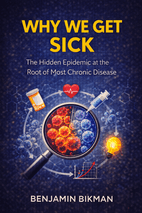
Benjamin Bikman's Why We Get Sick identifies insulin resistance as the root cause of modern chronic diseases like diabetes and heart disease, offering a clear lifestyle framework centered on diet and exercise for anyone seeking to improve their metabolic health.
Feature
Insta.Page
Blinkist
Shortform
Summary Depth
Full Chapter-by-Chapter
15-min overview
Section-by-section guides
Audio Narration
✓
✓
✓
Visual Mindmaps
✓
✕
✕
AI Q&A
✓
✕
✕
Quizzes
✓
✕
✕
PDF Downloads
✓
✕
✓
Price
$89.99/yr
$146/yr (PRO)
$199/yr
*Competitor data last verified July 2026.
1 Page Summary
In Why We Get Sick, Benjamin Bikman presents a compelling case that insulin resistance is the central, often overlooked driver of most modern chronic diseases. He argues that while medical science typically treats conditions like type 2 diabetes, heart disease, Alzheimer's, and polycystic ovary syndrome as separate disorders, they are in fact manifestations of a common underlying problem: the body's cells becoming resistant to the hormone insulin. This forces the pancreas to produce ever-higher levels of insulin, creating a state of hyperinsulinemia that disrupts metabolic processes system-wide, leading to inflammation, fat storage, and organ dysfunction.
Bikman roots his explanation in evolutionary biology, contrasting our current environment of constant caloric abundance—particularly from refined carbohydrates and sugars—with the conditions in which human metabolism evolved. Historically, humans faced periods of feast and famine, and insulin functioned primarily as a fat-storage hormone to help survive lean times. The modern diet, however, perpetually spikes blood sugar and insulin, overwhelming our biological design. This chronic hyperinsulinemia, he explains, is not merely a symptom of type 2 diabetes but is the primary pathological force that precedes and promotes a vast array of chronic illnesses, fundamentally reframing our understanding of disease progression.
The book's lasting impact lies in its actionable, unifying framework for prevention and management. Rather than targeting individual diseases, Bikman advocates for addressing the root cause through lifestyle interventions focused on improving insulin sensitivity. His prescription centers on three pillars: reducing dietary carbohydrates to lower insulin demand, incorporating periods of fasting to allow insulin levels to fall, and engaging in resistance training to make muscles more insulin-sensitive. By shifting the focus from treating symptoms to restoring metabolic health, Why We Get Sick provides a powerful and accessible model for combating the epidemic of chronic disease.
Foreword by Dr. Jason Fung
Overview
The foreword frames a critical shift in modern medicine: while infectious diseases were the primary killers a century ago, today's greatest health threats are chronic metabolic conditions like heart disease, cancer, and diabetes. Dr. Jason Fung introduces the core argument of the book—that insulin resistance and hyperinsulinemia (high insulin levels) are the central, often overlooked, root cause behind this alarming rise in chronic illness.
The New Paradigm of Disease
He illustrates this by contrasting historical and contemporary leading causes of death, underscoring that five of the top seven killers today are metabolic in nature. This sets the stage for the book's central premise: to understand why we get sick now, we must look beyond germs and focus on the hormone insulin.
Insulin Resistance: The Unifying Culprit
Dr. Fung clarifies that insulin resistance and hyperinsulinemia are two sides of the same coin—a state where the body's cells become less responsive to insulin, prompting the pancreas to produce ever-greater amounts. He draws from his clinical experience as a nephrologist, noting the devastating and widespread complications of type 2 diabetes, which is the "prototypical state" of this condition. He stresses that the medical system fails by only diagnosing diabetes when blood glucose is already high, missing the long-developing precursor of insulin resistance.
Bridging the Clinic and the Lab
The foreword highlights Dr. Benjamin Bikman’s unique qualifications, noting how his rigorous scientific research into insulin's molecular mechanisms perfectly complements Dr. Fung's own clinical observations. He praises Bikman’s rare ability to translate complex science into accessible knowledge for a general audience, ensuring the book is both authoritative and understandable.
A Hopeful, Empowering Solution
Crucially, Dr. Fung emphasizes that the book is not just a warning but a guide to empowerment. While insulin resistance is shockingly prevalent—potentially affecting up to 85% of American adults—it is reversible. The solution is not more medication or surgery, but purposeful diet and lifestyle changes. He notes that Bikman moves beyond the simplistic "eat less, move more" model to a more effective physiological approach focused on managing insulin.
Key Takeaways
The primary cause of sickness and death has shifted from infectious diseases to chronic metabolic disorders.
Insulin resistance and the resulting hyperinsulinemia are the fundamental, unifying root causes of most modern chronic diseases.
This condition develops long before a formal diagnosis of type 2 diabetes and is implicated in a vast array of health issues.
Despite its prevalence and severity, insulin resistance can be reversed through targeted diet and lifestyle interventions, not merely managed with medication.
Key concepts: Foreword by Dr. Jason Fung
1. Foreword by Dr. Jason Fung
The Modern Health Crisis: From Infections to Metabolism
Primary cause of sickness/death shifted from infectious diseases to chronic metabolic conditions
Five of top seven leading causes of death today are metabolic diseases
Heart disease, cancer, and diabetes represent the new greatest health threats
Insulin Resistance as the Central Root Cause
Insulin resistance and hyperinsulinemia are two sides of the same metabolic dysfunction
Cells become less responsive to insulin, forcing pancreas to produce excessive amounts
Type 2 diabetes represents the prototypical state of this condition
Medical system fails by only diagnosing when blood glucose is already elevated
The Author's Unique Qualifications
Benjamin Bikman bridges rigorous scientific research with clinical relevance
His work explores insulin's molecular mechanisms at cellular level
Possesses rare ability to translate complex science for general audience
Research complements clinical observations of practitioners like Dr. Fung
Reversibility and Empowerment Through Lifestyle
Insulin resistance affects up to 85% of American adults but is reversible
Solution lies in purposeful diet and lifestyle changes, not more medication
Moves beyond simplistic 'eat less, move more' model to physiological approach
Book provides actionable guidance for managing insulin through targeted interventions
💡 Try clicking the AI chat button to ask questions about this book!
Chapter 1: What Is Insulin Resistance?
Overview
Here’s a pervasive and often invisible condition affecting a staggering number of people worldwide, with estimates suggesting nearly 90% of adults in some populations could be impacted. It’s emerging in younger ages than ever before, and most who have it don’t even know. This condition is insulin resistance. To understand it, you first need to meet insulin itself—a master hormone that does far more than manage blood sugar. It acts as a cellular key, directing energy storage, growth, and function in nearly every tissue, from your liver and muscles to your fat and brain.
Yet, for over a century, medicine has been looking in the wrong place. Our diagnostic focus has been locked on blood glucose, a legacy of how diabetes was first identified. This created a critical blind spot because insulin resistance can simmer for decades, with rising insulin levels trying to compensate, long before blood glucose finally spikes and leads to a diagnosis of type 2 diabetes. In reality, type 2 diabetes is just the late, hyperglycemic stage of this deeper, more widespread problem.
Leaving insulin resistance unchecked is where the true danger lies. While not directly fatal, it acts as a powerful and reliable vehicle for a host of life-threatening diseases. It is a common root cause for disorders of the brain, like Alzheimer’s disease, the heart and blood vessels—the leading cause of death for those with the condition—and even cancers of reproductive organs. This makes tackling it one of the most important steps you can take for long-term health. The journey ahead explores exactly how this single hormonal dysfunction wreaks such havoc throughout the body. Buckle up—it’s a bumpy ride.
The Alarming Scale of a Hidden Epidemic
Insulin resistance is presented not as a rare condition, but as a pervasive and often silent global epidemic. The statistics are staggering: while official estimates suggest half of all US adults have it, the true prevalence may be as high as 88%. This is not a Western problem alone; 80% of affected individuals live in developing countries, with half the adult populations in China and India being insulin resistant. The trend is accelerating, with global cases having doubled in the past thirty years and projected to double again. Most alarmingly, the condition is appearing in younger populations, including four-year-olds, and the overwhelming majority of those who have it are completely unaware.
Understanding the Hormone at the Center of It All
To grasp insulin resistance, one must first understand insulin. It is a hormone, produced by the pancreas, with a famously known role in regulating blood glucose. After a meal, insulin acts like a key, unlocking cells to allow glucose to move from the bloodstream into tissues like the brain, heart, muscle, and fat for use or storage.
However, its influence is far more extensive. Insulin is a master anabolic hormone, affecting every cell in the body. Its specific action depends on the cell type: in the liver, it promotes fat production; in muscle, it stimulates protein synthesis; in fat tissue, it encourages fat storage. It influences energy use, cell growth, hormone production, and even cell survival from head to toe.
The Flawed Historical Focus on Glucose
The modern medical system’s focus on blood glucose as the primary marker for metabolic disease is a historical artifact with significant consequences. For millennia, diabetes was identified by its obvious symptom: sweet, glucose-laden urine. This observation linked the disease inextricably to glucose. While types 1 and 2 diabetes share this symptom, their root causes are opposites: type 1 is a lack of insulin, while type 2 is driven by too much insulin due to insulin resistance.
This critical distinction was obscured. Scientifically, glucose was far easier and cheaper to measure than insulin for most of medical history. As a result, clinical diagnostic standards were built entirely around glucose levels. This creates a major blind spot: a person can be insulin resistant for years or even decades, with elevated insulin levels, while their pancreas works overtime to keep blood glucose within the normal range. The problem only becomes officially recognized as "type 2 diabetes" when insulin resistance progresses to the point where the pancreas can no longer compensate, and blood glucose finally rises.
Thus, insulin resistance is the true underlying disease, and type 2 diabetes is its advanced, hyperglycemic stage. The book argues that by focusing on glucose, we are diagnosing the problem far too late, often missing a critical window for intervention. Insulin levels themselves are a much earlier and more predictive marker of metabolic dysfunction.
The Dire Consequences of Untreated Insulin Resistance
While insulin resistance itself is not the direct cause of death, the text powerfully frames it as a "reliable vehicle" that accelerates the development of life-threatening conditions. This is the central danger: it acts as a common, often hidden, root cause for a diverse array of serious health problems. The passage stresses that this is far from a minor metabolic hiccup—it is a serious pathological state with grave implications for long-term health and mortality.
The chapter outlines a sobering list of organs and systems harmed by this condition. Insulin resistance is implicated in disorders of:
The Head: Notably, Alzheimer's disease is highlighted as a potential consequence.
The Heart and Blood Vessels: Cardiovascular complications are identified as the leading cause of death for most people with insulin resistance.
Reproductive Organs: The text links it to cancers such as breast and prostate cancer.
By connecting one underlying mechanism to so many different diseases, the author underscores a critical point for the reader: many seemingly separate health issues may share a single, addressable origin. This sets the stage for the entire premise of the book—that managing insulin resistance could have wide-ranging, protective benefits.
The final sentences serve as a direct bridge to the rest of the book. They state that understanding how insulin resistance causes these disorders is essential to appreciating insulin's vital role in health. This declarative purpose—to explore the mechanics of insulin throughout the body and its dysfunctional state—prepares the reader for the detailed science to come, ending with a note of warning and anticipation: "Buckle up—it's a bumpy ride."
Key Takeaways
Insulin resistance is not directly fatal but is a primary driver of numerous lethal chronic diseases.
It functions as a common root cause for diverse health problems affecting the brain, heart, blood vessels, and reproductive systems.
The most likely outcomes of untreated insulin resistance are death from heart disease or the development of conditions like Alzheimer's and specific cancers.
Understanding the mechanistic link between insulin resistance and these diseases is crucial, which is the focus of the upcoming chapters.
Key concepts: Chapter 1: What Is Insulin Resistance?
2. Chapter 1: What Is Insulin Resistance?
The Hidden Epidemic: Scale and Awareness
Affects up to 88% of adults in some populations, making it a global epidemic
Majority of affected individuals (80%) live in developing countries
Cases have doubled in 30 years and are projected to double again
Increasingly appearing in younger populations, including children
Most people with insulin resistance are completely unaware they have it
Insulin: The Master Hormone
Acts as a cellular key directing energy storage, growth, and function
Regulates blood glucose by allowing cells to absorb it from bloodstream
Functions as a master anabolic hormone affecting every cell in the body
Has tissue-specific actions: promotes fat production in liver, protein synthesis in muscle, fat storage in fat tissue
Influences energy use, cell growth, hormone production, and cell survival
The Glucose-Centric Diagnostic Blind Spot
Medical focus on blood glucose is a historical artifact from diabetes identification
Creates critical blind spot where insulin resistance can simmer for decades before detection
Type 2 diabetes is actually the late, hyperglycemic stage of insulin resistance
Insulin levels are a much earlier and more predictive marker than glucose levels
By focusing on glucose, medicine diagnoses the problem far too late for optimal intervention
Systemic Health Consequences
Acts as a reliable vehicle for life-threatening diseases rather than being directly fatal
Common root cause for brain disorders including Alzheimer's disease
Leading cause of death is cardiovascular complications (heart and blood vessel disease)
Linked to cancers of reproductive organs (breast and prostate cancer)
Represents a serious pathological state with grave implications for long-term health and mortality
The Unifying Mechanism of Chronic Disease
Insulin resistance serves as a single, addressable origin for many seemingly separate health issues.
Connecting one underlying mechanism to diverse diseases underscores its critical role in systemic health.
This connection sets the premise that managing insulin resistance offers wide-ranging, protective benefits.
Purpose and Direction of the Book
Understanding how insulin resistance causes various disorders is essential to appreciating insulin's vital role.
The book will explore the mechanics of insulin function and dysfunction throughout the body.
The narrative prepares the reader for detailed scientific explanations of insulin's systemic impact.
Concluding Warning and Anticipation
The chapter ends with a direct note to the reader: "Buckle up—it's a bumpy ride."
This signals that the upcoming scientific exploration will be detailed and potentially challenging.
It creates anticipation for the complex mechanistic links to be uncovered in subsequent chapters.
Core Implications of Insulin Resistance
Insulin resistance is a primary driver of lethal chronic diseases, though not directly fatal itself.
It acts as a common root cause for problems affecting the brain, heart, blood vessels, and reproductive systems.
The most likely severe outcomes are death from heart disease or development of conditions like Alzheimer's and specific cancers.
Chapter 2: Heart Health
Overview
At the heart of many cardiovascular issues lies insulin resistance, a condition that orchestrates a cascade of effects threatening heart health. It starts by ramping up blood pressure through several interconnected pathways. Chronically high insulin levels stimulate the release of aldosterone, prompting the kidneys to retain sodium and water, which increases blood volume. Simultaneously, excess insulin acts as a growth signal, thickening the walls of blood vessels and narrowing their passage. This structural change is compounded by a breakdown in function: insulin resistance blunts the production of nitric oxide, a compound that normally helps vessels relax and widen. To top it off, persistent hyperinsulinemia keeps the sympathetic nervous system subtly activated, constricting vessels and elevating heart rate. Together, these forces sustain hypertension.
Beyond blood pressure, insulin resistance profoundly disrupts blood lipids, leading to dyslipidemia. It shifts the body toward producing smaller, denser LDL particles (Pattern B), which are more likely to contribute to plaque formation than larger, buoyant ones. A key indicator of this risky shift is the Triglyceride-to-HDL ratio; when it climbs above 2.0, it signals a move toward more dangerous particles. While medications like statins are commonly used, they may inadvertently worsen this LDL pattern and increase the risk of type 2 diabetes, highlighting the complexity of cholesterol management.
The real danger isn't cholesterol itself but what happens to it. Cholesterol and fats become harmful only when oxidized, a process fueled by oxidative stress. Highly oxidizable polyunsaturated fats like linoleic acid from seed oils are often the primary culprits, hitching rides on cholesterol molecules. Insulin resistance exacerbates this by increasing those small, dense LDL carriers and raising oxidative stress. This oxidation triggers inflammation, a critical player in heart disease. Ironically, while insulin typically has anti-inflammatory effects, in an insulin-resistant state, it flips to promote inflammation, creating a perfect storm for atherosclerosis. Inflammation damages vessel walls, accelerates plaque formation, and is a better predictor of heart disease than cholesterol alone.
The impact even reaches the heart muscle itself. Insulin resistance is linked to cardiomyopathy, where the heart becomes weak or overly thickened. Heart muscle cells rely on glucose for energy, and insulin resistance impairs their ability to use it, leading to an energy deficit that compromises pumping efficiency. Ultimately, addressing heart disease requires confronting insulin resistance directly, as it sits at the center of blood pressure problems, lipid disorders, oxidative damage, inflammation, and heart muscle dysfunction.
Salt and Water Retention
One of the primary ways insulin resistance drives high blood pressure is through the hormone aldosterone. Insulin stimulates the adrenal glands to release aldosterone, which signals the kidneys to retain sodium. Where sodium goes, water follows. This increases overall blood volume, which in turn raises blood pressure. In an insulin-resistant state, chronically high insulin levels mean this sodium-retaining signal is constantly active, contributing to sustained hypertension. This mechanism also explains why some individuals are "salt-sensitive"—their insulin-resistant physiology prevents the proper excretion of salt, leading to fluid accumulation.
Thicker, Narrower Blood Vessels
Excess insulin acts as a potent growth signal for the cells lining blood vessels, known as endothelial cells. This is a normal anabolic function, but hyperinsulinemia causes an exaggerated response, leading to a thickening of the vessel walls. As these walls encroach inward, the passage for blood narrows. Think of a garden hose whose walls are getting thicker from the inside; the pressure inside the hose inevitably rises. This structural remodeling is a direct contributor to increased blood pressure.
Impaired Blood Vessel Dilation
Normally, insulin helps lower blood pressure by signaling endothelial cells to produce nitric oxide (NO), a powerful compound that relaxes and widens blood vessels. However, in insulin resistance, the endothelial cells become less responsive to this signal. The body's ability to produce NO in response to insulin is blunted. Consequently, blood vessels lose their capacity to dilate properly, causing blood pressure to remain elevated. This loss of vasodilation is a critical breakdown in cardiovascular regulation.
Sympathetic Nervous System Activation
Insulin also subtly activates the sympathetic nervous system—our "fight or flight" response. One effect of this activation is the constriction of blood vessels and an increase in heart rate, both of which raise blood pressure. While this is a mild, temporary effect under normal conditions, the persistent hyperinsulinemia of insulin resistance means this pressure-raising system is chronically and inappropriately "on," adding another steady push toward hypertension.
Dyslipidemia and Altered Cholesterol Profiles
Insulin resistance profoundly disrupts blood lipids, a condition known as dyslipidemia. It's not just about high "bad" cholesterol (LDL). A key insight is that the type of LDL particle matters greatly. Insulin drives the liver to produce smaller, denser LDL particles (known as Pattern B). These particles are more likely to penetrate blood vessel walls and contribute to plaque formation than the larger, buoyant LDL particles (Pattern A).
A practical way to gauge this risk is through the Triglyceride-to-HDL ratio (TG/HDL). A ratio below 2.0 suggests a healthier Pattern A profile, while a ratio above 2.0 indicates a dangerous shift toward the atherogenic Pattern B. Since insulin resistance typically elevates triglycerides and lowers HDL, it directly worsens this ratio, creating a lipid environment that aggressively promotes heart disease.
A Note on Statins
The chapter briefly addresses statins, common cholesterol-lowering drugs. It notes that while they may benefit those with specific genetic disorders, their benefit for others at risk based on conventional markers is surprisingly small. Importantly, statins may worsen the LDL pattern by increasing the proportion of small, dense Pattern B particles and have been linked to a significantly increased risk of developing type 2 diabetes, particularly in postmenopausal women.
The True Culprit: Oxidized Fats and Cholesterol
The chapter clarifies that cholesterol deposited in the blood vessel wall isn't inherently harmful; it only becomes problematic when oxidized. This oxidation occurs under conditions of high oxidative stress. Once oxidized, these lipids are engulfed by macrophages—white blood cells that digest debris. These lipid-filled macrophages become "foam cells," which recruit more immune cells, triggering an inflammatory response that forms the core of an atherosclerotic plaque.
Critically, the text shifts blame from cholesterol alone to include polyunsaturated fats, particularly linoleic acid from seed oils (like soybean oil). Linoleic acid oxidizes far more readily than cholesterol and is likely a primary culprit, often hitching a ride on cholesterol molecules. Insulin resistance fuels this process by increasing the small, dense LDL particles (Pattern B) that carry these oxidizable fats and by raising oxidative stress itself.
Inflammation: The Connecting Thread
The narrative establishes that markers of inflammation are better predictors of heart disease than cholesterol. Here, insulin resistance plays a paradoxical and damaging role. While insulin normally has anti-inflammatory effects, in insulin-resistant individuals with chronically high insulin levels, it instead activates inflammatory pathways. This places insulin resistance at the center of a perfect storm for atherosclerosis: it increases blood pressure (damaging vessel walls), promotes lipid deposition, and directly drives the inflammation that accelerates plaque formation.
Cardiomyopathy: A Failure of Fuel
The discussion extends to disorders of the heart muscle itself, known as cardiomyopathy. Insulin resistance is strongly linked to dilated cardiomyopathy (DCM), where the heart muscle becomes stretched and weak. Heart muscle cells primarily use glucose for fuel, and insulin resistance impairs their ability to take in glucose, leading to an energy deficit that compromises pumping ability. Evidence also suggests that chronically high insulin may contribute to hypertrophic cardiomyopathy by promoting excessive growth of the heart muscle.
Key Takeaways
Atherosclerosis is driven by oxidation: Cholesterol and fats become harmful only when oxidized, a process heavily influenced by the highly oxidizable linoleic acid found in common seed oils.
Insulin resistance is a master regulator: It promotes atherosclerosis by increasing problematic LDL particles, raising oxidative stress, and—critically—switching insulin's role from anti-inflammatory to pro-inflammatory.
Heart disease is multifaceted: Insulin resistance contributes not only to blocked arteries but also to direct weakening of the heart muscle (cardiomyopathy) by disrupting the heart's primary energy source.
The central cause must be addressed: The chapter concludes that successfully reducing heart disease risk requires confronting insulin resistance directly, moving beyond simply treating its symptoms.
Key concepts: Chapter 2: Heart Health
3. Chapter 2: Heart Health
Insulin Resistance as Central Mechanism
Orchestrates multiple pathways threatening cardiovascular health
Drives hypertension through sodium retention, vessel thickening, and impaired dilation
Causes dyslipidemia by promoting smaller, denser LDL particles (Pattern B)
Increases oxidative stress and inflammation despite insulin's normal anti-inflammatory role
Leads to cardiomyopathy by impairing heart muscle cells' glucose utilization
Hypertension Pathways
Aldosterone release causes sodium and water retention, increasing blood volume
Impaired nitric oxide production reduces vessel dilation capacity
Chronic sympathetic nervous system activation constricts vessels and raises heart rate
Explains salt-sensitivity in insulin-resistant individuals
Cholesterol and Lipid Dysregulation
Triglyceride-to-HDL ratio above 2.0 signals dangerous LDL pattern shift
Small, dense LDL particles (Pattern B) more likely to form plaque than larger ones (Pattern A)
Cholesterol becomes harmful primarily through oxidation, not inherently
Polyunsaturated fats from seed oils are highly oxidizable culprits
Statins may worsen LDL patterns and increase diabetes risk
Inflammation and Oxidative Damage
Insulin resistance flips insulin's effect from anti-inflammatory to pro-inflammatory
Oxidation of cholesterol triggers inflammatory response in vessel walls
Inflammation is a better predictor of heart disease than cholesterol alone
Oxidative stress accelerates plaque formation and atherosclerosis
Damaged vessel walls create foundation for cardiovascular events
Direct Cardiac Impact
Insulin resistance linked to cardiomyopathy (weak or thickened heart muscle)
Heart muscle cells experience energy deficit due to impaired glucose utilization
Compromised pumping efficiency results from cellular energy problems
Represents direct metabolic damage beyond vascular effects
Triglyceride-to-HDL Ratio as a Risk Gauge
A TG/HDL ratio below 2.0 indicates a healthier, less atherogenic lipid pattern (Pattern A).
A ratio above 2.0 signals a dangerous shift toward the atherogenic Pattern B profile.
Insulin resistance directly worsens this ratio by elevating triglycerides and lowering HDL cholesterol.
This ratio provides a practical measure of the lipid environment's aggressiveness in promoting heart disease.
Limitations and Risks of Statin Therapy
Statins show surprisingly small benefit for those at risk based on conventional cholesterol markers alone.
They may worsen the LDL particle pattern by increasing the proportion of small, dense Pattern B particles.
Statin use is linked to a significantly increased risk of developing type 2 diabetes, especially in postmenopausal women.
Their primary benefit may be limited to individuals with specific genetic lipid disorders.
The Role of Oxidized Fats in Atherosclerosis
Cholesterol becomes harmful primarily when oxidized under conditions of high oxidative stress.
Polyunsaturated fats, particularly linoleic acid from seed oils, oxidize more readily than cholesterol and are likely primary culprits.
Oxidized lipids are engulfed by macrophages to form 'foam cells,' triggering the inflammatory cascade that builds plaque.
Insulin resistance fuels this process by increasing small, dense LDL carriers and raising systemic oxidative stress.
Inflammation as the Central Driver
Markers of inflammation are better predictors of heart disease risk than cholesterol levels alone.
In insulin-resistant states, chronically high insulin switches from an anti-inflammatory to a pro-inflammatory signal.
Insulin resistance creates a perfect storm for atherosclerosis by damaging vessels, promoting lipid deposition, and driving inflammation.
This places insulin resistance at the center of the inflammatory processes that accelerate plaque formation.
Insulin Resistance and Cardiomyopathy
Insulin resistance is strongly linked to dilated cardiomyopathy (DCM), where the heart muscle becomes weak and stretched.
Heart muscle cells rely on glucose for fuel, and insulin resistance impairs their glucose uptake, creating an energy deficit.
Chronically high insulin may contribute to hypertrophic cardiomyopathy by promoting excessive growth of heart muscle tissue.
This demonstrates insulin resistance's role in directly weakening the heart muscle, not just blocking its arteries.
Core Conclusions on Heart Disease Pathogenesis
Successfully reducing heart disease risk requires directly addressing insulin resistance, not just treating its symptoms.
Atherosclerosis is driven by the oxidation of lipids, with seed oils being a major contributor.
Insulin resistance acts as a master regulator, influencing lipid patterns, oxidative stress, and inflammatory pathways.
Heart disease manifests through both vascular blockages and direct muscle dysfunction, both tied to metabolic dysfunction.
Chapter 3: The Brain and Neurological Disorders
Overview
This chapter explores the profound connection between insulin and brain health, dismantling the old belief that the brain was immune to insulin's effects. It details how insulin is crucial for normal cognitive functions like learning, memory, and appetite regulation, and then investigates the damaging consequences when the brain becomes insulin resistant. The narrative establishes insulin resistance as a central, contributing factor in a spectrum of neurological disorders, from Alzheimer's disease and other dementias to Parkinson's disease, migraines, and neuropathy.
Insulin’s Crucial Role in the Brain
We now understand that brain cells are studded with insulin receptors. Insulin helps these cells take in glucose for fuel, supports their growth and survival, regulates appetite, and is vital for learning and memory formation. Studies, such as one involving diabetic rats struggling to learn a maze, underscore that normal brain function is dependent on proper insulin signaling. The central problem begins when the brain becomes resistant to insulin, a state that often develops concurrently with resistance in other tissues like muscle and liver.
The Consequences of Brain Insulin Resistance
When the brain stops responding properly to insulin, its structure and function are compromised. Research indicates that prolonged insulin resistance can age the brain prematurely, with every decade of resistance making the brain appear two years older. Functionally, this leads to impaired short-term learning, potential long-term memory damage, and disrupted appetite regulation that can contribute to overeating. This state of impaired fuel access sets the stage for serious neurological diseases.
Alzheimer’s Disease as "Type 3 Diabetes"
Alzheimer's disease, the most common form of dementia, is now strongly linked to insulin resistance in the brain—a connection so significant it has earned the moniker "type 3 diabetes." While older theories focused on the accumulation of amyloid-beta plaques and tau protein tangles, insulin resistance appears to play a key role in both processes. It can increase plaque formation and promote the hyperactive tau that creates tangles. Perhaps more fundamentally, brain insulin resistance leads to "glucose hypometabolism," where the brain’s high-energy engine is starved of its primary fuel (glucose), directly impairing function. Notably, in population studies, markers of insulin resistance (like fasting insulin levels) show a stronger statistical association with Alzheimer's risk than many traditional factors like hypertension.
Other Forms of Dementia and Parkinson’s Disease
The impact of insulin resistance extends to other brain disorders. Vascular dementia, often related to impaired blood flow in the brain, is twice as likely in individuals with insulin resistance, linking back to the cardiovascular damage caused by metabolic dysfunction. Parkinson’s disease, characterized by the loss of dopamine-producing neurons, is also closely associated with insulin resistance. The relationship appears bidirectional: insulin affects dopamine signaling in the brain, and altering dopamine (e.g., via certain medications) can induce insulin resistance. A high percentage of Parkinson’s patients also have insulin resistance or type 2 diabetes.
Migraines, Neuropathy, and Other Conditions
The chapter notes associations between insulin resistance and other common neurological issues. For instance, individuals with insulin resistance are more likely to suffer from migraine headaches, possibly due to the same brain energy deficit seen in Alzheimer’s. Furthermore, neuropathy—the nerve damage often felt as tingling or burning in the extremities—can begin before the high blood sugar of full-blown diabetes appears, suggesting that insulin resistance itself is an early culprit in damaging nerve function throughout the body.
Key Takeaways
The brain is highly responsive to insulin, which is essential for cognitive function, memory, and metabolism.
Insulin resistance in the brain disrupts its energy supply and contributes to structural aging and functional decline.
Alzheimer’s disease has such a strong metabolic component that it is often called "type 3 diabetes," with brain insulin resistance being a key driver of its pathology.
The detrimental effects of insulin resistance are not limited to Alzheimer’s but are also significant risk factors for vascular dementia, Parkinson’s disease, migraines, and peripheral neuropathy.
This new understanding reframes many neurological disorders through a metabolic lens, opening potential avenues for prevention and intervention focused on improving insulin sensitivity.
Key concepts: Chapter 3: The Brain and Neurological Disorders
4. Chapter 3: The Brain and Neurological Disorders
Insulin's Crucial Role in Brain Function
Brain cells have insulin receptors for glucose uptake, growth, and survival
Insulin regulates appetite and is vital for learning and memory formation
Proper insulin signaling is essential for normal cognitive function
Brain insulin resistance often develops alongside resistance in other tissues
Consequences of Brain Insulin Resistance
Premature brain aging: each decade of resistance makes brain appear two years older
Impaired short-term learning and potential long-term memory damage
Disrupted appetite regulation leading to overeating
Impaired fuel access sets stage for serious neurological diseases
Alzheimer's Disease as Type 3 Diabetes
Strong link between Alzheimer's and brain insulin resistance
Insulin resistance increases amyloid-beta plaque formation and promotes tau protein tangles
Leads to glucose hypometabolism - brain starved of its primary fuel
Markers of insulin resistance show stronger association with Alzheimer's risk than traditional factors
Other Neurological Disorders Linked to Insulin Resistance
Vascular dementia: twice as likely in individuals with insulin resistance
Parkinson's disease: closely associated with insulin resistance in bidirectional relationship
Migraines: more common with insulin resistance due to brain energy deficit
Neuropathy: can begin before high blood sugar appears, with insulin resistance as early culprit
Metabolic Reframing of Neurological Disorders
Neurological disorders now understood through metabolic lens
Insulin resistance is central contributing factor across spectrum of brain diseases
New understanding opens avenues for prevention focused on improving insulin sensitivity
Brain health is profoundly connected to metabolic health
You've reached the end of the free chapters
Next chapter: “Reproductive Health” is locked
Keep reading Why We Get Sick — and unlock all 600+ book summaries with audio, mindmaps and AI Q&A.
$0.00 due today · 7 days free, then $89.99/year ($7.49/mo) · Cancel anytime before day 7
Benjamin Bikman is a biomedical scientist and professor at Brigham Young University whose research focuses on insulin resistance and metabolic health. He is the author of the popular book *Why We Get Sick: The Hidden Epidemic at the Root of Most Chronic Disease—and How to Fight It*. His work explores the critical role of hormones, particularly insulin, in obesity, diabetes, and related conditions.
📚 Explore Our Book Summary Library
Discover more insightful book summaries from our collection