Introduction: Ideas Are the Currency of the Twenty-first Century
Chapter 1 of 4
0:000:00
EN
1x
Voice
PDF
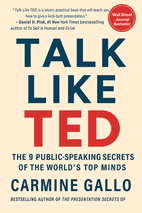
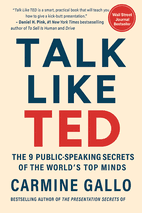
Talk Like TED
by Carmine Gallo
What is the book Talk Like TED about?
Carmine Gallo's Talk Like TED distills the principles of compelling TED Talks into a practical public speaking guide, focusing on storytelling, passion, and novelty. It's for entrepreneurs, executives, and anyone who needs to present ideas persuasively.
Feature
Insta.Page
Blinkist
Shortform
Summary Depth
Full Chapter-by-Chapter
15-min overview
Section-by-section guides
Audio Narration
✓
✓
✓
Visual Mindmaps
✓
✕
✕
AI Q&A
✓
✕
✕
Quizzes
✓
✕
✕
PDF Downloads
✓
✕
✓
Price
$89.99/yr
$146/yr (PRO)
$199/yr
*Competitor data last verified July 2026.
1 Page Summary
In his book Talk Like TED, Carmine Gallo distills the most compelling elements of the world's most popular TED Talks into a practical guide for public speaking. Gallo argues that the most successful presentations are not merely informative but are emotionally resonant and structured like a powerful story. He identifies a core set of principles that transform a standard presentation into an inspiring and memorable event, moving beyond simple data delivery to create a genuine connection with the audience.
The book is structured around three fundamental pillars that Gallo derived from analyzing hundreds of TED presentations. These are: mastering the art of storytelling to make ideas relatable and unforgettable, delivering content with genuine passion and emotion to engage listeners on a human level, and presenting with the novelty and freshness that makes an idea stand out. Each principle is supported by specific examples from renowned TED speakers, case studies from the business world, and insights from neuroscience on how the brain processes and retains information.
Talk Like TED has had a significant and lasting impact by demystifying the qualities of elite public speaking and making them accessible to a broad audience. It serves as a powerful toolkit for anyone—from entrepreneurs and executives to educators and students—looking to persuade, inspire, and lead. By codifying the elements of a truly great talk, Gallo’s work has become a modern classic in the field of communication, empowering people to present their ideas with the confidence and clarity of the world's most admired speakers.
Introduction: Ideas Are the Currency of the Twenty-first Century
Overview
In an era where ideas hold immense value, the ability to present them compellingly sets exceptional communicators apart. This chapter introduces TED as a transformative platform where master speakers share insights that resonate globally, backed by the author's analysis of over 500 presentations. It reveals that captivating talks—whether emotional narratives or data-driven stories—share nine universal secrets, all grounded in science and practical experience. Whether you're pitching a product, leading a team, or sharing innovations, these techniques can elevate your influence and turn ideas into impactful actions.
The Impact of Masterful Communication
Bryan Stevenson's TED talk, delivered without slides or props, moved audiences to donate $1 million to his nonprofit through sheer storytelling power. Similarly, David Christian's "Big History" presentation used vivid visuals to condense 13 billion years into 18 minutes, sparking a global educational movement. Both examples highlight that effective communication isn't about the tools you use, but how you engage hearts and minds. Their success underscores that persuasion blends emotional connection with intellectual stimulation, a balance achievable through the methods explored in this book.
TED's Journey to Global Influence
From its origins as a one-time event in 1984, TED has grown into a worldwide phenomenon under Chris Anderson's leadership. The launch of TED.com in 2006 amplified its reach, with videos now viewed 1.5 million times daily and translated into dozens of languages. The rise of TEDx events—hosted in over 130 countries—demonstrates a universal hunger for ideas presented with clarity and passion. This expansion reflects how digital platforms have democratized access to inspiration, making TED a benchmark for modern public speaking.
Bridging Tradition and Innovation
The author connects TED's principles to his earlier work on Steve Jobs, whose Stanford commencement speech mirrors TED's ethos of authenticity and impact. This continuity shows that great communication is learnable, not innate. The book also updates Dale Carnegie's timeless advice with contemporary science, using fMRI and other tools to explain why techniques like storytelling and passion resonate so deeply. By blending historical wisdom with cutting-edge research, it offers a comprehensive guide for today's communicators.
The Science Behind Captivating Talks
Neuroscience reveals that novelty triggers attention, stories synchronize brains between speaker and listener, and passion is contagious. Studies cited in the chapter explain why 18-minute talks are ideal for retention and how humor, when genuine, enhances connection. These insights validate the nine secrets, showing they're not just art but science—equipping readers to apply evidence-based strategies for more persuasive presentations.
A Roadmap to Inspiring Presentations
The book is structured around three core elements: Emotional, Novel, and Memorable. Each section delves into specific skills, from harnessing personal passion to crafting unforgettable moments. For instance, emotional talks use storytelling to build empathy, novel presentations introduce fresh perspectives, and memorable ones employ multisensory experiences. This framework ensures readers can systematically develop a communication style that stands out and drives change.
Key Takeaways
Ideas are the currency of the 21st century, and mastering their delivery can significantly boost your influence and success.
TED's global appeal stems from presentations that blend emotion, novelty, and memorability, all backed by scientific research.
Effective communicators, like Bryan Stevenson and David Christian, use universal techniques—such as storytelling and visual aids—to connect deeply with audiences.
Modern tools, including brain imaging, provide evidence for why these methods work, making them accessible and actionable for anyone.
By adopting the nine secrets outlined, you can transform your presentations into inspiring experiences that motivate action and leave a lasting impact.
Key concepts: Introduction: Ideas Are the Currency of the Twenty-first Century
1. Introduction: Ideas Are the Currency of the Twenty-first Century
The Power of Ideas in Modern Communication
Ideas are the currency of the 21st century, driving influence and success
Exceptional communicators distinguish themselves through compelling presentation
TED serves as a transformative platform for sharing globally resonant insights
Nine universal secrets of captivating talks are grounded in science and experience
Masterful Communication Examples and Impact
Bryan Stevenson's storytelling raised $1 million without slides or props
David Christian condensed 13 billion years into 18 minutes with vivid visuals
Effective communication engages hearts and minds, not just tools
Persuasion requires balancing emotional connection with intellectual stimulation
TED's Evolution and Global Reach
Grew from 1984 one-time event to worldwide phenomenon under Chris Anderson
TED.com launch in 2006 amplified reach to 1.5 million daily views
TEDx events in 130+ countries show universal hunger for clear, passionate ideas
Digital platforms democratized access to inspiration and set public speaking benchmarks
Connecting Communication Principles Across Eras
Links TED principles to Steve Jobs' Stanford speech authenticity and impact
Demonstrates great communication is learnable, not innate
Updates Dale Carnegie's advice with contemporary neuroscience
Blends historical wisdom with cutting-edge research for comprehensive guidance
Neuroscience of Effective Presentations
Novelty triggers attention, stories synchronize brains, passion is contagious
18-minute talks optimize retention and engagement
Genuine humor enhances connection between speaker and audience
Scientific validation shows communication techniques are evidence-based, not just artistic
Framework for Inspiring Communication
Three core elements: Emotional, Novel, and Memorable
Emotional talks use storytelling to build empathy and connection
Novel presentations introduce fresh perspectives and ideas
Memorable communications employ multisensory experiences for lasting impact
💡 Try clicking the AI chat button to ask questions about this book!
Part I: Emotional
Overview
This chapter opens with a powerful insight from Chris Anderson, the curator of TED, who frames the essence of TED talks as a raw, human-to-human connection. He emphasizes that the most impactful presentations thrive on vulnerability, where speakers strip away pretenses to reveal their true emotions, dreams, and imagination. It’s not just about sharing ideas but about creating a genuine bond that resonates deeply with the audience, almost like standing on stage with nothing to hide.
At the heart of this approach is the idea that authenticity breeds connection. When speakers allow themselves to be vulnerable, they tap into universal human experiences—whether it’s the joy of a dream realized, the pain of a setback, or the spark of creativity. This isn’t about polished perfection; it’s about letting the audience see the real person behind the talk. For instance, Anderson’s metaphor of being “on stage naked” isn’t just about physical exposure but emotional transparency, where every gesture and word invites listeners into a shared space of empathy and understanding.
What makes this so effective is how it transforms a presentation from a monologue into a dialogue. By focusing on emotions, dreams, and imagination, speakers can bridge gaps between diverse backgrounds, making complex ideas feel personal and relatable. Think of it as weaving a tapestry of human experience—where stories of hope, fear, or innovation become threads that bind speaker and audience together. This emotional layer doesn’t just add depth; it makes the message memorable, lingering long after the talk ends.
Key Takeaways
Vulnerability is a strength: Embracing openness and authenticity in communication fosters deeper human connections.
Emotions drive engagement: Talks that highlight feelings, dreams, and imagination are more relatable and impactful.
Humanity over perfection: The best presentations prioritize genuine interaction over flawless delivery, creating a sense of shared experience.
Key concepts: Part I: Emotional
2. Part I: Emotional
The Power of Vulnerability in Communication
Vulnerability creates raw human-to-human connection
Authenticity breeds deeper audience resonance
Emotional transparency invites shared empathy and understanding
Stripping away pretenses reveals true emotions and dreams
Emotional Engagement as Connection Tool
Emotions, dreams and imagination drive relatability
Transforms presentations from monologue to dialogue
Bridges gaps between diverse backgrounds
Makes complex ideas feel personal and memorable
Humanity Over Perfection
Genuine interaction trumps flawless delivery
Focus on real person behind the talk
Creates shared space of human experience
Messages linger through emotional authenticity
1. Unleash the Master Within
Overview
This chapter explores how passion transforms communication and personal achievement, beginning with Aimee Mullins, who redefined disability by embracing prosthetic limbs as tools for empowerment, inspiring others to see potential in every individual. Cameron Russell then challenges the illusion of image in fashion, revealing that her true drive lies in boosting self-esteem rather than superficial appearances. The discussion shifts to the contagious nature of passionate communication, where figures like Howard Schultz and Tony Hsieh demonstrate that core motivations—such as fostering community or delivering happiness—make messages more persuasive and authentic.
Matthieu Ricard embodies this through altruism, showing how genuine care for others reduces nervousness and deepens connections, while Larry Smith injects urgency into pursuing one's dreams to avoid unfulfilling careers. Scientific insights from researchers like Melissa Cardon reveal that passion is a measurable force tied to identity, driving creativity and persistence, and that perceived enthusiasm can outweigh credentials in scenarios like investor pitches. Jill Bolte Taylor's personal journey after a stroke illustrates how authentic stories rooted in deep experiences captivate audiences, supported by neuroplasticity—where repeated, passionate practice physically reshapes the brain for clearer, more confident communication.
The chapter also highlights the contagious power of charisma, as Howard Friedman's research shows that nonverbal cues like enthusiasm can uplift others silently, making speakers more influential. Practical wisdom from leaders like Richard St. John and Ernesto Sirolli emphasizes that success stems from embracing and listening to others' passions, fostering environments where innovation thrives. Ultimately, the key lies in uncovering what makes your heart sing, as this genuine energy not only enhances personal fulfillment but also inspires those around you to reach their own potential.
Aimee Mullins: Transforming Limitations into Superpowers
Aimee Mullins' journey began with a childhood leg amputation, but she refused to accept the label of "disabled." Instead, she embraced her prosthetic limbs as tools of empowerment, allowing her to become a record-breaking Paralympic athlete, fashion model, and influential speaker. Her TED talk highlighted how prosthetics can symbolize human potential rather than loss, inspiring innovators to reimagine disability through creativity and identity. Mullins' passion isn't for the mechanics of prosthetics but for unleashing the boundless possibilities within every individual.
Cameron Russell: Challenging Superficial Images
As a successful fashion model, Cameron Russell used her TEDx stage to peel back the layers of an industry built on genetics and illusion. By swiftly changing from a glamorous outfit to modest clothing, she demonstrated how image is both powerful and shallow. Russell's core passion lies in boosting self-esteem among young girls, not in the art of modeling itself. She candidly shared how professional constructions—not her true self—create the seductive ads, urging audiences to look beyond surface appearances to find deeper meaning.
The Heart of Passionate Communication
Passion is the engine that drives masterful presentations, and it's contagious. Science confirms that enthusiastic speakers ignite similar feelings in their listeners, making messages more persuasive. For instance, Howard Schultz of Starbucks isn't passionate about coffee but about creating a "third place" that fosters community and respect. Similarly, Tony Hsieh of Zappos focuses on "delivering happiness" through employee and customer joy. Shifting the question from "What do you do?" to "What makes your heart sing?" reveals profound motivations, like the strawberry grower who connects his work to the American dream of immigrant success.
Matthieu Ricard: The Joy of Altruism
Matthieu Ricard, dubbed the "happiest man in the world" due to brain scan studies, radiates a deep serenity rooted in wisdom and compassion. His TED talk on happiness resonated because he embodies his message—viewing altruism as essential, not optional. Ricard emphasizes that speaking from a place of genuine care for the audience's well-being reduces nervousness and fosters connection. His calm demeanor stems from a motivation to share transformative ideas, not to gain personal acclaim, illustrating how selfless intent can make communication effortless and impactful.
Larry Smith: The Urgency of Following Passion
University of Waterloo economist Larry Smith channels decades of frustration into a powerful TEDx talk, arguing that fear holds people back from great careers. He asserts that only by pursuing what you love can you avoid "soul-destroying" jobs and achieve true fulfillment. Smith's own passion for helping students create "kick-ass" technology makes his presentation riveting, as he dismantles excuses with humor and urgency. His message echoes Steve Jobs' advice to never settle, reminding us that courage to follow dreams is the key to both career success and inspiring others.
The Science Behind Passionate Influence
Research by Melissa Cardon defines passion as a positive, intense feeling tied to one's core identity, such as Majora Carter's advocacy for urban renewal or Richard Branson's drive to challenge the status quo. This entrepreneurial passion mobilizes energy and commitment, making speakers more charismatic and effective. Cardon's studies show that when people engage in deeply meaningful activities, they experience full emotional and physiological engagement, which in turn captivates audiences. Passion isn't just a trait; it's a measurable force that elevates communication from mundane to transformative.
The Science of Passion in Presentations
Melissa Cardon's research highlights that genuine passion isn't just a nice-to-have trait—it's a critical driver of success in public speaking and business. She found that passionate leaders are more creative, set higher goals, and persist through challenges, leading to better performance. In a landmark study with angel investors, Cardon and her colleagues discovered that "perceived passion" ranked third in importance for funding decisions, above factors like education or experience. Investors could intuitively sense when a presenter's enthusiasm was authentic, and this emotional connection significantly increased the likelihood of securing support. Cardon emphasizes that faking passion rarely works; audiences are savvy and respond best to speakers who have a deep, personal connection to their topic.
A Personal Journey of Passion
Neuroanatomist Jill Bolte Taylor's TED talk, "My Stroke of Insight," exemplifies how profound personal experiences can fuel transformative communication. After suffering a severe stroke, Dr. Jill used her expertise to analyze her own brain's deterioration and recovery, leading to a spiritual awakening. Her story resonated globally, amassing over 10 million views and earning her a spot in TIME's 100 Most Influential People. Dr. Jill attributes her success not to superior science, but to her ability to tell a compelling, authentic story rooted in passion. She advises speakers to share what fascinates them, as that genuine interest naturally captivates audiences and fosters deeper connections.
How Passion Reshapes Your Brain
Advances in neuroplasticity reveal that passion and repeated practice physically change the brain. Dr. Pascale Michelon explains that intense focus on a skill—like public speaking—strengthens neural pathways, making communication more efficient over time. Studies on taxi drivers and musicians show that specialized brain areas grow with use, and the same applies to language and presentation skills. When you speak frequently about topics you love, the brain's language centers become more developed, enhancing clarity and confidence. This biological reinforcement means that passionate speakers aren't just emotionally engaging—they're neurologically primed to excel.
The Contagious Power of Charisma
Psychologist Howard Friedman's research on charisma demonstrates that passionate individuals can influence others without saying a word. In his Affective Communications Test, high-charisma people—who scored well on traits like enthusiasm and expressiveness—could uplift the moods of low-charisma individuals in just two minutes of silent interaction. This "mood contagion" effect shows that nonverbal cues like smiling and energetic body language transmit passion, making charismatic speakers more persuasive. Similarly, studies by Joyce Bono and Remus Ilies confirm that leaders who express positive emotions, such as excitement and optimism, are perceived as more effective and inspire followers to adopt their enthusiasm.
Practical Wisdom from Passionate Leaders
Real-world examples underscore passion's role in achievement. Richard St. John's survey of 500 TED speakers identified passion as the top secret to success, with figures like Aimee Mullins thriving through love for their work. Ernesto Sirolli's experiences in sustainable development taught him that listening to others' passions is key to effective collaboration—imposing ideas without understanding people's intrinsic motivations leads to failure. Ultimately, as investor Ron Baron notes, the best leaders are those most passionate about their endeavors. Surrounding yourself with enthusiastic individuals, as Howard Schultz advises, amplifies this energy, creating environments where communication and innovation flourish.
Key Takeaways
Genuine passion is detectable and highly influential, often outweighing credentials in persuasive scenarios like investor pitches.
Personal stories rooted in deep emotional experiences, like Dr. Jill Bolte Taylor's, can make presentations unforgettable and widely shared.
Neuroplasticity allows the brain to develop stronger communication skills through repeated, passionate practice.
Charisma and positive emotions are contagious, enabling speakers to uplift and persuade audiences through nonverbal cues.
Success in speaking and leadership hinges on embracing and sharing your passion, while also fostering it in others through active listening and collaboration.
Key concepts: 1. Unleash the Master Within
3. 1. Unleash the Master Within
Transforming Limitations into Superpowers
Aimee Mullins redefined disability by embracing prosthetic limbs as empowerment tools
Prosthetics symbolize human potential rather than loss when approached with passion
Passion unleashes boundless possibilities within every individual
Inspires innovators to reimagine limitations through creativity and identity
Challenging Superficial Images
Cameron Russell reveals fashion industry's reliance on genetics and illusion
Core passion lies in boosting self-esteem rather than superficial appearances
Professional constructions create seductive images, not authentic identity
Urges audiences to look beyond surface appearances for deeper meaning
The Heart of Passionate Communication
Passion is contagious and makes messages more persuasive and authentic
Shift focus from 'What do you do?' to 'What makes your heart sing?'
Core motivations like community-building (Howard Schultz) or delivering happiness (Tony Hsieh) drive impact
Enthusiastic speakers ignite similar feelings in listeners through emotional resonance
The Power of Altruistic Communication
Matthieu Ricard demonstrates how genuine care for others reduces nervousness
Speaking from selfless intent fosters deeper connections with audiences
Altruism makes communication effortless and impactful
Calm demeanor stems from motivation to share transformative ideas, not personal acclaim
The Urgency of Following Passion
Larry Smith argues passion prevents 'soul-destroying' careers
Fear holds people back from pursuing what they truly love
Pursuing passion leads to true fulfillment and career success
Courage to follow dreams inspires others and creates meaningful impact
Scientific Foundations of Passionate Influence
Passion is a measurable force tied to core identity and positive intense feelings
Entrepreneurial passion mobilizes energy, creativity, and persistence
Perceived enthusiasm can outweigh credentials in persuasive scenarios
Full emotional and physiological engagement captivates audiences and makes communication transformative
The Neuroscience of Passionate Practice
Neuroplasticity allows repeated passionate practice to physically reshape the brain
Authentic stories rooted in deep experiences captivate audiences (Jill Bolte Taylor)
Passionate engagement leads to clearer, more confident communication
Brain adapts through consistent passionate effort, enhancing communication skills
The Contagious Power of Charisma
Nonverbal cues like enthusiasm can silently uplift others (Howard Friedman's research)
Genuine passion makes speakers more influential and charismatic
Charismatic communication inspires others to reach their potential
Listening to others' passions fosters environments where innovation thrives
The Science of Passion in Persuasion
Genuine passion ranks higher than education or experience in funding decisions
Investors can intuitively detect authentic enthusiasm in presenters
Faking passion rarely works as audiences respond best to deep personal connections
Passionate leaders demonstrate more creativity and persistence through challenges
Transformative Power of Personal Stories
Profound personal experiences fuel compelling communication
Authentic storytelling rooted in passion creates global impact
Sharing what genuinely fascinates you naturally captivates audiences
Personal connection to topic fosters deeper audience relationships
Neurological Foundations of Passionate Speaking
Intense focus on skills strengthens neural pathways over time
Brain's language centers develop through passionate practice
Neuroplasticity enables biological reinforcement of communication skills
Passionate speakers become neurologically primed for excellence
The Contagious Nature of Charisma
Nonverbal cues transmit passion without words
High-charisma individuals can uplift moods in minutes
Positive emotions make leaders appear more effective
Mood contagion inspires followers to adopt enthusiasm
Practical Applications from Successful Leaders
Passion identified as top success factor among high achievers
Listening to others' passions enables effective collaboration
Surrounding yourself with enthusiastic individuals amplifies energy
Understanding intrinsic motivations prevents failure in partnerships
2. Master the Art of Storytelling
Overview
At the heart of powerful communication lies storytelling, a skill that transforms abstract ideas into relatable experiences. Bryan Stevenson’s journey from a hesitant speaker to a TED legend shows how personal narratives, like his grandmother’s wisdom or a janitor’s encouragement, build trust and break down barriers on tough issues. This emotional connection isn’t accidental; it’s rooted in persuasion principles where pathos—emotional appeal—often outweighs logic and credibility, as seen in Stevenson’s talk where emotion made complex justice reforms unforgettable.
Neuroscience backs this up, revealing that stories synchronize brains between speaker and listener through brain-to-brain coupling, creating shared experiences that activate sensory and emotional centers. This makes messages stick far better than dry data alone. Brené Brown’s insight that "stories are data with a soul" underscores how narratives give humanity to facts, whether in business pitches or personal brands. Effective stories come in many forms—personal journeys, like Dan Ariely’s burn unit revelation, tales of others, such as Gillian Lynne’s creative awakening, or brand narratives that highlight uniqueness, as Seth Godin demonstrates with examples like Wonder Bread.
From Joel Osteen’s empathetic sermons to Malcolm Gladwell’s exploration of hidden consumer desires through Prego’s success, storytelling bridges gaps and fosters empathy. It’s universal, turning products like DryBath into lifelines or Toshiba’s CT scans into life-saving tools through character-driven plots. Peter Guber’s experiences show that stories persuade by engaging hearts, not just minds, while vivid language avoids clichés to make descriptions immersive. Kurt Vonnegut’s story shapes, like the "Man in a Hole" arc, prove that simple emotional patterns resonate deeply, as seen when thrift-store items soared in value with attached narratives.
Ultimately, embracing personal stories—such as a Chase executive’s transformative United Way journey—can turn presentations into moving experiences that inspire action. By crafting dynamic characters and channeling passion, storytellers create connections that data alone never could, affirming that every idea gains power when wrapped in a compelling narrative.
Bryan Stevenson's Storytelling Mastery
Bryan Stevenson's journey from a hesitant TED speaker to one of the most persuasive presenters in the event's history illustrates the profound impact of personal narratives. Initially reluctant due to pressing Supreme Court cases, Stevenson was persuaded by his staff to speak, and his 18-minute talk captivated the audience, leading to $1 million in donations for his nonprofit. He opened with a heartfelt story about his grandmother, who instilled in him a powerful sense of identity through three simple promises: always love his mother, do the right thing even when it's hard, and never drink alcohol. This anecdote, laced with humor and vulnerability, transitioned into a deeper reflection on how identity shapes our actions, silencing the audience as they absorbed his message. Stevenson's ability to weave such personal tales—like his encounter with a janitor who urged him to "keep your eyes on the prize"—demonstrated that stories aren't just embellishments; they're essential tools for building trust and breaking down preconceived barriers, especially on contentious topics like social justice.
The Role of Emotion in Persuasion
Stevenson's talk was a masterclass in balancing Aristotle's components of persuasion: ethos (credibility), logos (logic and data), and pathos (emotional appeal). An analysis of his 4,057-word presentation revealed that pathos dominated at 65%, while ethos and logos accounted for only 10% and 25%, respectively. This emphasis on emotion didn't dilute his message; instead, it amplified it, making his arguments on criminal justice reform more relatable and memorable. As Stevenson noted, stories allow speakers to connect with audiences on a human level, making complex issues accessible. For instance, by sharing experiences about family or vulnerable individuals, he engaged listeners who might otherwise dismiss statistical evidence. This approach underscores a critical insight: logic alone rarely sways hearts and minds; emotional resonance is what transforms data into compelling narratives that inspire action.
Neuroscience Behind Storytelling
Modern brain science validates what intuitive communicators like Dale Carnegie long suspected: stories synchronize brains between speaker and listener. Uri Hasson's research at Princeton used fMRI scans to show that when a person tells a personal story, like a graduate student recounting her prom night, the brains of listeners mirror the speaker's activity in regions responsible for emotion and cognition. This "brain-to-brain coupling" means that a well-told story can plant ideas and emotions directly into the audience's mind, creating a shared experience. Unlike dry, bullet-pointed slides that only engage language centers, stories activate sensory, visual, and motor areas, making the content more immersive and memorable. For anyone aiming to influence others, this research highlights that storytelling isn't just an art—it's a neurological strategy for fostering deeper connections and ensuring messages stick.
Stories as the Soul of Data
Brené Brown's TEDx talk on vulnerability reinforced the idea that stories give data its humanity. Initially hesitant to be labeled a "storyteller" over a "researcher," Brown came to embrace the term, noting that "stories are just data with a soul." Her anecdote about an event planner's dilemma illustrated how narratives make abstract concepts tangible and engaging. This perspective reminds us that in business contexts—from presentations to job interviews—we're all storytellers, shaping our brands and ideas through personal and relatable accounts. Andrew Stanton, the writer of "Toy Story," echoes this, emphasizing that stories affirm our identities and create bridges across time and differences. The key takeaway is that every situation holds a story; the challenge is to uncover and share it in a way that resonates, turning mundane information into meaningful communication.
Effective Story Types in Practice
Inspiring communicators often rely on three core types of stories: personal experiences, tales about others, and narratives involving products or brands. Personal stories, like Dan Ariely's harrowing account from a burn unit that sparked his career in behavioral economics, use unexpected outcomes to captivate audiences. Ariely's revelation that slower bandage removal reduced pain—contrary to nurses' beliefs—showcased how personal journeys can challenge assumptions and drive home lessons. Similarly, a congressman's story about his mother facing the "fiscal cliff" made abstract policy debates relatable and media-friendly. These examples demonstrate that whether sharing family anecdotes or professional insights, stories should be vivid and descriptive, inviting listeners to imagine themselves in the scenario. By choosing stories with emotional depth and unexpected twists, speakers can transform presentations from informative to unforgettable, ensuring their messages not only inform but inspire.
Sir Ken Robinson's Storytelling Mastery
Sir Ken Robinson's TED talk, the most popular of all time, demonstrates how storytelling can captivate an audience without any visual aids. He skillfully blends analysis, data, humor, and narrative to reinforce his theme that schools often stifle creativity. His most compelling story involves Gillian Lynne, a choreographer for Cats and Phantom of the Opera. As a child in the 1930s, Lynne was mislabeled with a learning disorder due to her restlessness, but a specialist recognized her talent for dance after observing her move to music. This anecdote transforms Robinson's abstract argument into a tangible, emotional example, illustrating how educating the "whole being" can unlock potential. Stories like this make complex ideas memorable and relatable, showing that empathy and human connection are at the heart of effective communication.
Joel Osteen's Empathetic Narratives
Joel Osteen, though not a TED speaker, employs similar storytelling techniques in his sermons to engage millions. He often starts with a theme, such as "Yes Is in Your Future," and supports it with relatable anecdotes. For instance, he shares a story about a friend who was passed over for a promotion but persevered, eventually securing a better position. Osteen combines pathos with logos, citing statistics like the 90% failure rate of first businesses to emphasize resilience. By weaving in stories of biblical figures, historical personalities, and everyday people, he creates a sense of shared experience. This approach highlights how storytelling fosters empathy, allowing audiences to see themselves in the narratives and feel inspired to overcome challenges.
Seth Godin's Brand Storytelling
Seth Godin excels at using brand stories to convey marketing insights. In his TED talk, he argues that being "remarkable" is key to standing out, and he illustrates this with simple, impactful stories. For example, he discusses Wonder Bread's failure to gain traction for sliced bread until the idea was effectively spread, emphasizing that innovation alone isn't enough—storytelling drives adoption. Similarly, he points to Frank Gehry's architectural designs and Silk soymilk's placement in grocery stores as examples of how uniqueness captures attention. Godin's narratives show that brands can become memorable by telling stories that highlight their distinctiveness, turning ordinary products into symbols of creativity and connection.
Malcolm Gladwell and the Spaghetti Sauce Revelation
Malcolm Gladwell uses the story of Howard Moskowitz and Prego spaghetti sauce to explore consumer behavior and happiness. Moskowitz's research revealed that one-third of Americans preferred extra-chunky sauce, a desire previously unexpressed in focus groups. This led Prego to reformulate its product, dominating the market and earning $600 million. Gladwell's narrative underscores that people often don't know what they want, and storytelling can uncover hidden truths. By framing Moskowitz as a hero who challenged assumptions, Gladwell makes data-driven insights engaging and relatable, showing how stories can simplify complex concepts and inspire audiences to embrace diversity in preferences.
The Universality of Product Stories
Every product has a story that can humanize it and deepen consumer engagement. Ludwick Marishane's invention of DryBath stemmed from a personal need in water-scarce South Africa, and his TED talk vividly explains how it addresses global sanitation issues. Similarly, brands like Lush soap include photos of the real employees who make each product, creating an emotional bond. These examples illustrate that storytelling isn't just for individuals—it can transform faceless corporations into relatable entities. By sharing the "why" behind products, from DryBath's lifesaving potential to Lush's artisanal touch, storytellers turn mundane items into narratives of innovation and care.
Peter Guber's Persuasive Storytelling
Peter Guber, a seasoned film producer, emphasizes that storytelling is a powerful tool for persuasion in business. He recalls how Magic Johnson and Ken Lombard pitched movie theaters in urban communities by having Guber close his eyes and imagine a "promised land," framing themselves as heroes in the narrative. This emotional engagement led to successful ventures, proving that stories can overcome data-heavy pitches. Guber advises that every discussion aimed at persuasion should incorporate storytelling to connect with listeners' hearts and minds. His experiences show that narratives create a competitive edge by making visions feel attainable and personal.
The Impact of Vivid Language
Effective storytelling relies on avoiding clichés and buzzwords in favor of vivid, sensory language. Research cited in The New York Times shows that metaphors like "a velvet voice" activate the brain's sensory cortex, making descriptions more immersive. For instance, in presentations, using evocative phrases can help audiences "experience" the content, much like how stories about lavender engage the sense of smell. By replacing jargon with tangible imagery, storytellers can maintain audience interest and make their messages stick, turning abstract ideas into felt experiences.
Toshiba's Character-Driven Narrative
Toshiba Medical Systems used storytelling to launch a new CT scan by introducing fictional characters, David and Susan, to demonstrate how the technology could save lives. This approach made the technical details emotionally resonant, as physicians connected with the human elements of the story. It shows that even in highly specialized fields, narratives can bridge the gap between data and empathy, making complex innovations accessible and memorable. This case underscores that stories don't require grand products—they can be tailored to any context, from job interviews to product launches, to create lasting impressions.
The Power of Simple Story Shapes
Kurt Vonnegut’s exploration of story shapes reveals that emotionally resonant tales often follow straightforward patterns. He illustrated this with a graph where the y-axis represents fortune (from Ill Fortune to Good Fortune) and the x-axis marks the story’s progression from Beginning to End. Vonnegut identified key archetypes: “Man in a Hole,” where a character faces trouble and overcomes it, and “Boy Gets Girl,” which begins with ordinary circumstances, introduces good fortune, nearly loses it, and restores it for a happy ending. His most celebrated example is the Cinderella arc, starting deep in misfortune—a motherless girl with a cruel stepfamily—and climbing to “off-scale happiness” through twists and triumphs. Vonnegut emphasized that audiences crave characters they can root for, making these shapes timelessly effective.
This concept is powerfully demonstrated by the Significant Objects experiment, where researchers Rob Walker and Joshua Glenn transformed thrift-store items into valuable collectibles simply by attaching fictional stories. For instance, a 25-cent fake banana sold for $76, and a free miniature turkey dinner fetched $30 after a narrative was crafted. The project proved that stories can amplify an object’s value by an average of 2,700 percent, highlighting how narrative imbues ordinary things with emotional significance.
Transforming Presentations Through Personal Narrative
A compelling application of storytelling emerged in work with a Chase executive preparing a United Way keynote. Initially, his presentation relied on corporate statistics and employee contributions, lacking emotional depth. When prompted to share his personal connection, he revealed a harrowing childhood marked by abandonment and abuse, and how United Way programs helped him channel anger into positive change, shaping him into a proud father and leader. By replacing data-heavy slides with photos and this heartfelt story—from old family images to current snapshots of his fulfilled life—he moved audiences to tears, received standing ovations, and inspired record-breaking donations. This underscores that while not every story needs to expose deep vulnerabilities, embracing a meaningful personal narrative can forge powerful connections and drive action.
Characters That Captivate
In storytelling, the dynamics of heroes and villains are crucial, much like in films or novels. A strong presentation frames challenges as “villains”—whether they’re industry obstacles or competitors—and positions the brand or idea as the “hero” that resolves them, ultimately benefiting the “townspeople” or customers. However, caution is advised when vilifying real entities to maintain professionalism. TED’s emphasis on storytelling is echoed by novelist Isabel Allende, who argues that compelling characters are not “nice people with common sense” but passionate mavericks, dissidents, and rebels. These figures, driven by heart and risk-taking, captivate audiences and mirror the qualities of great speakers who use stories to express passion and foster connection.
Key Takeaways
Embrace Archetypal Shapes: Stories like “Man in a Hole” or the Cinderella arc resonate deeply because they tap into universal emotional journeys.
Amplify Value with Narrative: Even mundane objects can gain significant worth through storytelling, proving its power to create emotional investment.
Personalize Your Message: Sharing authentic, personal stories—rather than relying solely on data—can transform presentations and inspire action.
Craft Dynamic Characters: Incorporate heroes and villains to structure narratives, ensuring your idea or product emerges as the solution to a compelling challenge.
Channel Passion and Risk: Like great novelists, effective speakers use stories to showcase passion, connect with audiences, and exchange ideas meaningfully.
Key concepts: 2. Master the Art of Storytelling
4. 2. Master the Art of Storytelling
The Power of Personal Narratives
Transforms abstract ideas into relatable experiences
Builds trust and breaks down barriers on tough issues
Demonstrated through Bryan Stevenson's journey from hesitant to legendary speaker
Creates emotional connections that make messages unforgettable
Emotional Appeal in Persuasion
Pathos (emotional appeal) often outweighs logic and credibility
Stevenson's talk used 65% emotional content vs 25% logic
Makes complex issues accessible and relatable
Transforms data into compelling narratives that inspire action
Neuroscience of Storytelling
Brain-to-brain coupling synchronizes speaker and listener brains
Stories activate sensory, visual, and emotional centers
Creates shared experiences more memorable than dry data
Neurological strategy for fostering deeper connections
Types of Effective Stories
Personal journeys and revelations (Dan Ariely, Gillian Lynne)
Character-driven plots that bridge gaps and foster empathy
Universal applications from products to personal brands
Story Structure and Patterns
Kurt Vonnegut's story shapes like 'Man in a Hole' arc
Simple emotional patterns resonate deeply with audiences
Vivid language avoids clichés for immersive descriptions
Engages hearts rather than just minds for persuasion
Effective Story Types in Practice
Inspiring communicators often rely on three core types of stories: personal experiences, tales about others, and narratives involving products or brands.
Personal stories, like Dan Ariely's harrowing account from a burn unit that sparked his career in behavioral economics, use unexpected outcomes to captivate audiences.
Ariely's revelation that slower bandage removal reduced pain—contrary to nurses' beliefs—showcased how personal journeys can challenge assumptions and drive home lessons.
Sir Ken Robinson's Storytelling Mastery
Sir Ken Robinson's TED talk, the most popular of all time, demonstrates how storytelling can captivate an audience without any visual aids.
He skillfully blends analysis, data, humor, and narrative to reinforce his theme that schools often stifle creativity.
His most compelling story involves Gillian Lynne, a choreographer for Cats and Phantom of the Opera.
Joel Osteen's Empathetic Narratives
Joel Osteen, though not a TED speaker, employs similar storytelling techniques in his sermons to engage millions.
He often starts with a theme, such as "Yes Is in Your Future," and supports it with relatable anecdotes.
For instance, he shares a story about a friend who was passed over for a promotion but persevered, eventually securing a better position.
Seth Godin's Brand Storytelling
Seth Godin excels at using brand stories to convey marketing insights.
In his TED talk, he argues that being "remarkable" is key to standing out, and he illustrates this with simple, impactful stories.
For example, he discusses Wonder Bread's failure to gain traction for sliced bread until the idea was effectively spread, emphasizing that innovation alone isn't enough—storytelling drives adoption.
Malcolm Gladwell and the Spaghetti Sauce Revelation
Malcolm Gladwell uses the story of Howard Moskowitz and Prego spaghetti sauce to explore consumer behavior and happiness.
Moskowitz's research revealed that one-third of Americans preferred extra-chunky sauce, a desire previously unexpressed in focus groups.
This led Prego to reformulate its product, dominating the market and earning $600 million.
The Universality of Product Stories
Every product has a story that can humanize it and deepen consumer engagement.
Ludwick Marishane's invention of DryBath stemmed from a personal need in water-scarce South Africa, and his TED talk vividly explains how it addresses global sanitation issues.
Similarly, brands like Lush soap include photos of the real employees who make each product, creating an emotional bond.
Storytelling as Persuasion Tool
Peter Guber demonstrates storytelling's power to overcome data-heavy pitches
Magic Johnson's 'promised land' narrative framed business partners as heroes
Emotional engagement through stories creates competitive advantage
Stories make visions feel attainable and personal to listeners
The Impact of Vivid Language
Avoid clichés and buzzwords in favor of sensory language
Metaphors like 'velvet voice' activate brain's sensory cortex
Evocative phrases help audiences 'experience' content rather than just hear it
Tangible imagery replaces jargon to make messages memorable
Character-Driven Business Narratives
Toshiba used fictional characters David and Susan to demonstrate CT scan benefits
Human elements bridge gap between technical data and emotional resonance
Stories make complex innovations accessible in specialized fields
Narratives can be tailored to any context from job interviews to product launches
Universal Story Shapes
Kurt Vonnegut identified emotionally resonant story archetypes
'Man in a Hole' features character overcoming adversity
'Boy Gets Girl' follows fortune gained, nearly lost, then restored
Cinderella arc moves from deep misfortune to 'off-scale happiness'
Audiences crave characters they can root for in these universal patterns
Narrative Value Amplification
Significant Objects experiment proved stories increase value by 2,700% on average
25-cent fake banana sold for $76 with attached fictional story
Free miniature turkey dinner fetched $30 through narrative enhancement
Stories imbue ordinary objects with emotional significance
Personal Narrative Transformation
Chase executive replaced corporate statistics with personal childhood story
Revealed how United Way helped transform trauma into positive leadership
Personal photos replaced data-heavy slides to create emotional impact
Resulted in standing ovations and record-breaking donations
Meaningful personal narratives forge powerful connections and drive action
Character Dynamics in Storytelling
Frame challenges as 'villains' and solutions as 'heroes'
Position brand or idea as resolving problems for 'townspeople' (customers)
Avoid vilifying real entities to maintain professionalism
Compelling characters are passionate mavericks, not 'nice people with common sense'
Great speakers use stories to showcase passion and foster connection
You've reached the end of the free chapters
Next chapter: “Have a Conversation” is locked
Keep reading Talk Like TED — and unlock all 600+ book summaries with audio, mindmaps and AI Q&A.
$0.00 due today · 7 days free, then $89.99/year ($7.49/mo) · Cancel anytime before day 7
Carmine Gallo is a bestselling author and internationally acclaimed communication expert who helps leaders craft powerful stories and deliver dynamic presentations. He is the author of several influential books, including the international bestsellers "Talk Like TED" and "The Presentation Secrets of Steve Jobs," which have been translated into dozens of languages. A former journalist and anchor for CNN and CBS, Gallo now works with Fortune 500 executives and top brands to transform their communication strategies. His insights on public speaking and leadership have been featured in The Wall Street Journal, Harvard Business Review, and The New York Times. His books are available for purchase on Amazon.
📚 Explore Our Book Summary Library
Discover more insightful book summaries from our collection