Chapter 2: Making Magic in a World That Could Use More of It
Chapter 1 of 4
0:000:00
EN
1x
Voice
PDF
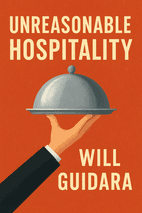
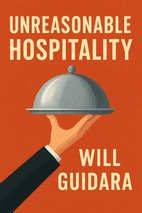
Unreasonable Hospitality
by Will Guidara
What is the book Unreasonable Hospitality about?
Will Guidara's Unreasonable Hospitality details how creating unforgettable, personalized moments forges deeper customer connections than flawless service alone. Drawing from his experience elevating Eleven Madison Park to World's Best Restaurant, it provides leaders in any service-driven business with a framework for empowering teams to deliver surprising generosity and build legendary loyalty.
Feature
Insta.Page
Blinkist
Shortform
Summary Depth
Full Chapter-by-Chapter
15-min overview
Section-by-section guides
Audio Narration
✓
✓
✓
Visual Mindmaps
✓
✕
✕
AI Q&A
✓
✕
✕
Quizzes
✓
✕
✕
PDF Downloads
✓
✕
✓
Price
$89.99/yr
$146/yr (PRO)
$199/yr
*Competitor data last verified July 2026.
1 Page Summary
Unreasonable Hospitality by Will Guidara argues that true excellence in the service industry—and by extension, any business—transcends flawless execution. The core concept, drawn from Guidara's experience co-owning the celebrated New York City restaurant Eleven Madison Park, is that while "reasonable hospitality" meets expectations, "unreasonable hospitality" creates unforgettable, personalized moments that forge deep emotional connections. This philosophy is about empowering staff to go beyond the script, using creativity and generosity to deliver surprising acts of kindness tailored to individual guests, thereby transforming a transaction into a meaningful human experience.
The book's context is the modern evolution of fine dining, where technical perfection became the standard. Guidara details how, despite achieving operational excellence, he realized his world-class restaurant felt cold. The pivotal shift occurred with a simple, spontaneous gesture: providing hot dogs to guests who lamented missing a street cart meal. This historical turning point at Eleven Madison Park demonstrated that the magic lay not in the kitchen alone but in the dining room's emotional engagement, a lesson that propelled the restaurant to global acclaim and the title of World's Best Restaurant.
The lasting impact of Guidara's philosophy extends far beyond restaurants. It provides a actionable framework for any leader seeking to build a culture of empowerment and obsessive guest-centricity. By championing the idea that the greatest competitive advantage is a team encouraged to be genuinely, unreasonably generous, the book redefines luxury as heartfelt connection rather than mere opulence, offering a timeless blueprint for creating raving fans and building legendary institutions in any field.
Chapter 2: Making Magic in a World That Could Use More of It
Overview
This chapter establishes the profound, personal origins of Will Guidara's philosophy of hospitality. Through formative experiences—from a childhood birthday dinner to his mother's illness and a pivotal meal after her death—he discovers that true service is about creating transformative emotional connections, offering solace, joy, and a sense of belonging during life's highest and lowest moments.
The Spell of the Four Seasons
A twelfth birthday dinner at New York’s iconic Four Seasons restaurant with his father was a revelation. Unaware of its historical significance, young Will was mesmerized by the elegance, the ceremony of tableside carving, and the respectful treatment where he was called “sir.” The experience taught him that a restaurant could create magic—a suspended reality where everything else falls away. This feeling, not the specific details of the food or decor, is what stayed with him for thirty years, cementing the idea that people never forget how you make them feel.
A Mother's Welcome
Guidara's understanding of welcome was deeply shaped by his mother, who battled brain cancer throughout much of his youth. Despite her progressive physical limitations, which eventually left her a quadriplegic and unable to speak, she consistently found ways to make him feel loved and welcomed. She waited patiently in the car during his tennis practices and, later, had her health aide wheel her to the end of the road every day to greet him with a huge smile when he returned from school. Her unwavering presence, even in silence, taught him the power of a genuine, heartfelt welcome.
A Meal That Provided Refuge
Tragedy crystallized these lessons. Shortly after his college graduation, Guidara's mother passed away. In the depths of grief, his father encouraged him to keep a pre-planned internship in Spain. Before leaving, Will reached out to famed chef Daniel Boulud, whom he had hosted as a student. Boulud responded with extraordinary grace, inviting Will and his father to his legendary restaurant, Daniel.
The experience was transformative. Upgraded to the exclusive Skybox overlooking the kitchen, personally attended to by Boulud, and treated to an exquisite, hours-long meal, father and son found a temporary respite from their sorrow. That night, in the midst of profound sadness, they experienced some of the best hours of their lives. Guidara realized the nobility of service: hospitality has the privilege of providing an oasis of care and light during people's darkest times, not just celebrating their joys.
Key Takeaways
Emotional Resonance Over Everything: The core of unforgettable hospitality is the feeling it creates, not the operational details. People remember how you made them feel long after they forget what you did or said.
Welcome is an Action of the Heart: A true welcome, as demonstrated by his mother, is about purposeful, loving presence. It’s a selfless act that makes others feel seen and valued.
Hospitality as a Noble Service: The highest calling of service is to provide comfort and connection. It has the power to offer solace in grief and elevate joy, making it a profoundly meaningful pursuit.
Personal Experience Fuels Philosophy: Guidara's professional ethos is directly born from his most personal moments of being on the receiving end of extraordinary care and kindness.
Key concepts: Chapter 2: Making Magic in a World That Could Use More of It
1. Chapter 2: Making Magic in a World That Could Use More of It
The Spell of the Four Seasons
A childhood birthday dinner revealed a restaurant's power to create a magical, suspended reality.
The elegance and respectful treatment (being called 'sir') made a lasting emotional impact.
The core lesson: people never forget how you make them feel, not the operational details.
A Mother's Welcome
Guidara's mother, despite severe physical limitations from illness, consistently made him feel loved and welcomed.
Her daily, purposeful presence—like waiting to greet him—demonstrated welcome as an action of the heart.
A genuine welcome is a selfless act that makes others feel seen and valued, even in silence.
A Meal That Provided Refuge
After his mother's death, a meal at Daniel Boulud's restaurant offered a temporary respite from grief.
The extraordinary hospitality created some of the best hours during one of life's darkest times.
Revealed the nobility of service: providing an oasis of care and light during people's lowest moments.
Foundational Philosophy of Hospitality
True service is about creating transformative emotional connections, not just executing tasks.
Hospitality has the dual power to offer solace in sorrow and elevate joy.
A professional ethos is born from personal experiences of receiving extraordinary care and kindness.
💡 Try clicking the AI chat button to ask questions about this book!
Chapter 4: Lessons in Enlightened Hospitality
Overview
In this chapter, the author immerses himself in the vibrant world of Tabla, where the principles of Enlightened Hospitality come alive through daily practice. Under the guidance of passionate leaders like Chef Floyd Cardoz and general manager Randy Garutti, he discovers how a culture rooted in care, intentional language, and shared purpose can elevate both team morale and guest satisfaction. These early experiences lay the groundwork for his understanding of hospitality as a transformative force.
The Underdog Spirit and Kitchen Respect
Tabla, led by Chef Floyd Cardoz, carved out a niche as a pioneer in upscale Indian cuisine, earning three stars from The New York Times despite feeling like an outsider in the dining scene. The author's initiation included a humbling stint deveining shrimp and a lesson in chopping onions, where Floyd's intense focus on even the simplest tasks revealed a deep respect for craft. This taught the value of embracing an underdog mentality—using it as motivation to excel with pride and precision, fostering a team willing to go the extra mile for a leader who inspired both diligence and joy.
Systemizing Small Acts of Kindness
Inspired by stories from Danny Meyer's book, the team at Tabla sought to create seamless, delightful experiences for guests. One iconic example was offering to feed parking meters for diners, a simple gesture that often amazed people. By systematizing this into a standard step of service, it transformed from a rare act of heroism into an expected grace note. This practice underscored a key insight: consistency in small, thoughtful actions can have an outsized impact, making hospitality feel both personal and effortless.
The Contagion of Enthusiasm
Randy Garutti, the general manager, embodied unwavering positivity and energy, often declaring he aimed to make each day "the very best day of his life." His sports-inspired pep talks and genuine belief in his team lifted everyone's spirits, demonstrating that enthusiasm is infectious. By trusting young staff with responsibilities like closing the restaurant, Randy instilled a sense of ownership that motivated harder work. This experience highlighted how a leader's authentic energy can shape a team's dynamics, turning routine shifts into motivated collaborations.
Language as a Cultural Foundation
Danny Meyer's coined phrases, such as "constant, gentle pressure," "athletic hospitality," and "make the charitable assumption," provided a shared shorthand that reinforced the company's values. These terms were woven into daily interactions, from pre-meal meetings to problem-solving with guests. For instance, applying the charitable assumption meant giving people the benefit of the doubt, which improved service and team cohesion. This focus on language helped cement a culture where everyone understood the "why" behind their actions, fostering a sense of belonging and purpose from day one.
Embracing a Positive "Cult" Culture
Outside observers sometimes mocked USHG's devoted culture as cult-like, but internally, it was a source of pride. The environment made it "cool to care," with employees happily hustling not out of fear but from a desire to contribute to something meaningful. This strong culture ensured that both staff and guests left fulfilled, reinforcing the idea that investing in people pays dividends in loyalty and performance. The chapter closes with the author reflecting on this positive foundation, setting the stage for future opportunities despite initial hesitations.
Key Takeaways
Embrace the underdog mindset: Using outsider status as motivation can drive excellence and team unity.
Consistency in small gestures: Systemizing acts of kindness, like feeding parking meters, makes hospitality feel personal and reliable.
Lead with authentic enthusiasm: Positive energy from leaders can inspire ownership and elevate team performance.
Craft a shared language: Phrases that encapsulate core values, such as "making the charitable assumption," build a cohesive culture and guide behavior.
Invest in culture deliberately: A people-first environment, even if perceived as cult-like, fosters loyalty, joy, and exceptional guest experiences.
Key concepts: Chapter 4: Lessons in Enlightened Hospitality
2. Chapter 4: Lessons in Enlightened Hospitality
The Underdog Spirit and Kitchen Respect
Embrace an underdog mentality as motivation to excel with pride and precision
Deep respect for craft is shown through intense focus on even the simplest tasks
A leader who inspires diligence and joy fosters a team willing to go the extra mile
Systemizing Small Acts of Kindness
Transform rare heroic gestures into consistent, expected steps of service
Small thoughtful actions like feeding parking meters have an outsized impact
Consistency makes hospitality feel both personal and effortless for guests
The Contagion of Enthusiasm
A leader's authentic positive energy is infectious and lifts team spirits
Trusting staff with responsibility instills ownership and motivates harder work
Enthusiasm transforms routine shifts into motivated collaborations
Language as a Cultural Foundation
Coined phrases like 'constant, gentle pressure' provide shared shorthand for values
Applying 'the charitable assumption' improves service and team cohesion
Shared language helps everyone understand the 'why' behind their actions
Embracing a Positive 'Cult' Culture
Creating an environment where it's 'cool to care' about meaningful work
Strong culture ensures both staff and guests leave fulfilled
Investing in people pays dividends in loyalty and performance
Chapter 5: Restaurant-Smart vs. Corporate-Smart
Overview
The chapter opens with a pivotal conversation where the author’s father frames a lifelong career dilemma using the concepts of restaurant-smart and corporate-smart organizations. One thrives on autonomy and human connection but often lacks systemic discipline, while the other masters efficiency and control at the risk of stifling creativity and frontline empowerment. This insight sends the author on a deliberate quest for a complete education, trading a dream restaurant job for a hybrid role deep in the corporate basement of Restaurant Associates. There, he learns the language of numbers with a mentor whose passion for spreadsheets matches any chef’s passion for food, witnessing how timely data could protect profits without hindering the kitchen.
This foundational training emphasized trusting the process, building granular knowledge from daily reports before ever viewing a full financial statement. However, a promotion to manage a steakhouse revealed the dark side of an imbalanced system, where rigid corporate control overruled better judgment on the front lines, creating frustrating and disempowering scenarios. The ideal test to blend these two worlds arrived with an opportunity from his former mentor, Danny Meyer, to run operations at the Museum of Modern Art. Here, the daily tension between cost-control and creative hospitality demanded constant ingenuity, a restless drive that ultimately crystallized into a guiding philosophy: The Rule of 95/5.
This principle advocated for managing 95% of resources with rigorous discipline to earn the right to spend the final 5% “foolishly” on transformative details—whether a perfect gelato spoon, an extraordinary glass of wine for a guest, or an unforgettable staff retreat. It proved that strategic, emotionally intelligent generosity was the ultimate synthesis of corporate-smart discipline and restaurant-smart heart, turning operational excellence into a platform for creating genuine magic.
The Fatherly Advice That Framed a Career
The author’s excitement about a dream job offer from Danny Meyer’s Blue Smoke is met not with celebration, but with thoughtful caution during a late-night call with his father. His father introduces a critical framework: the distinction between restaurant-smart and corporate-smart companies. The defining question is where the highest-paid people work—in the restaurants or in corporate offices.
Restaurant-smart companies prioritize autonomy, creativity, and human connection on the ground. Team members have great latitude and feel ownership, leading to passionate hospitality. However, they often lack the back-end systems (accounting, purchasing, HR) that ensure profitability and scalability.
Corporate-smart companies excel in those essential systems and controls, typically running more profitable and efficient operations. But the very systems that create efficiency can stifle creativity and nimble guest service, as control is centralized away from the front lines.
The father’s advice is clear: the author is getting a world-class education in restaurant-smart operations with Danny Meyer, but to one day run a great company, he needs to become corporate-smart, too.
Boot Camp in the Basement: Learning the Numbers
Heeding this advice, the author leaves the glamorous front door of Tabla for a hybrid assistant role in the basement of Restaurant Associates (RA). His days are split: mornings in a chef’s coat learning hands-on purchasing, inventory, and receiving; afternoons in a blazer with controller Hani Ichkhan, analyzing the financial reports stemming from those morning decisions.
This dual immersion is transformative. The food is no longer just a spreadsheet line item—it’s the physical product he counted and handled. He witnesses Hani’s “unreasonable passion” for numbers, mirroring the culinary passion he saw at Tabla. A pivotal moment occurs when Hani, through a series of daily reports, identifies skyrocketing lobster costs at a restaurant. He swiftly coordinates with purchasing and the chef, leading to the temporary removal of the lobster dish to protect profits. This demonstrates the power of corporate-smart systems: they provide the information and authority to solve problems efficiently, freeing the chef to focus on creativity.
The Foundation of Trusting the Process
Hani becomes a formative mentor, but he initially frustrates the author by refusing to let him see a restaurant’s Profit & Loss (P&L) statement, the ultimate business snapshot. For six months, Hani insists he only run the underlying daily reports. When Hani finally presents a P&L, the author realizes the wisdom of this delay. Because of his granular, hands-on work, he can instantly diagnose every irregularity on the statement—like a high cost for disposables being due to a delivery of too many custom-printed bags, not waste. Hani’s lesson was about building an unshakeable foundational knowledge before tackling the big picture.
When Corporate-Smart Becomes Restaurant-Dumb
Promoted to a dual role at Nick + Stef’s Steakhouse, the author successfully improves profitability but encounters the limitations of excessive corporate control. Two incidents stand out:
The Vase: He moves a floral arrangement blocking bartender-guest sightlines, only to be told by corporate’s Arts and Design department to move it back. Control overrode a better guest experience.
The Unfireable Server (“Felix”): He fires a chronically late but guest-beloved server for disrespect and negligence. Human Resources overrules him, rehiring Felix without consulting him, prioritizing check averages over team culture and managerial authority.
These experiences teach a harsh lesson: in overly corporate-smart structures, the people on the front lines with all the information have no authority, while those in offices with all the authority lack the on-the-ground information. This imbalance can be deeply disempowering and harmful to the business.
The MoMA Challenge: Blending Both Worlds
An unexpected email from Danny Meyer leads to a new opportunity: running all the casual food operations at the newly renovated Museum of Modern Art (MoMA). This is the perfect test case—bringing corporate-smart discipline to Danny’s restaurant-smart company.
In the cafés, the inherent tension between the two philosophies becomes a daily exercise. For example, to reduce waste (a corporate-smart goal) without sacrificing quality for late-coming guests (a restaurant-smart priority), he and the chef compromise: they stop restocking pre-made cases late in the day but make all items to order during the final hour. The solution isn’t perfect, but it’s creative. The author concludes that finding the true balance between control and creativity would require constant ingenuity. This restless drive for improvement leads him to a new passion project: designing the perfect gelato cart for MoMA’s famed Sculpture Garden.
The narrative of the MoMA gelato cart crystallizes into a powerful, guiding principle: The Rule of 95/5. By aggressively managing 95% of a budget to secure deep discounts and favorable terms, one earns the right to spend the remaining 5% “foolishly”—on seemingly extravagant details that transform an ordinary experience into an unforgettable one. The proof was in the tiny, expensive blue spoon that captured the admiration of even the museum’s director.
Applying the Principle
This rule became a versatile tool far beyond spoons. In the wine program at Eleven Madison Park, it meant allocating the pairing budget unevenly: selecting excellent but slightly less expensive wines for most courses, thereby creating the financial room to pour a spectacular, rare glass like a Grand Cru Burgundy for the final course. This deliberate imbalance created a moment of genuine surprise and delight that guests would remember.
The same disciplined creativity applied to team management. While vigilantly controlling routine staffing costs to avoid turnover and overtime, the saved resources funded extraordinary investments in staff morale—like closing for a lavish team retreat or throwing legendary staff parties. This “unreasonable” 5 percent spent on the team fostered loyalty and pride, which directly benefited the guest experience.
The Ultimate Expression
The philosophy reached its peak with spontaneous acts of guest-centric generosity. For a Spanish family witnessing snow for the first time, the “foolish” 5 percent translated into brand-new sleds and a chauffeured trip to Central Park for a midnight play session. This moment, entirely unplanned and emotionally resonant, demonstrated that the rule wasn’t about frivolity, but about the intentional, strategic allocation of resources to create magic.
Key Takeaways
The Rule of 95/5: Rigorously manage 95% of your resources to create the freedom to spend the final 5% lavishly on details that profoundly elevate the experience.
Strategic Splurging: This “foolish” 5 percent is actually highly strategic, targeting areas—whether a unique utensil, a rare wine, a staff celebration, or a guest surprise—with an outsized emotional return on investment.
Synthesis of Skills: This principle embodies the successful marriage of “corporate-smart” financial discipline with “restaurant-smart” intuitive generosity, proving that operational excellence and memorable hospitality are not just compatible, but mutually reinforcing.
Key concepts: Chapter 5: Restaurant-Smart vs. Corporate-Smart
3. Chapter 5: Restaurant-Smart vs. Corporate-Smart
The Father's Framework: Restaurant-Smart vs. Corporate-Smart
Restaurant-smart prioritizes autonomy, creativity, and human connection but often lacks systemic discipline.
Corporate-smart masters efficiency, control, and back-end systems but can stifle creativity and frontline empowerment.
The defining question: Where are the highest-paid people—in the restaurants or in corporate offices?
Complete education requires mastering both worlds to run a great company.
Basement Boot Camp: Immersion in Corporate-Smart Systems
Hybrid role at Restaurant Associates: mornings in hands-on purchasing/inventory, afternoons in financial analysis.
Witnessed the power of timely data (e.g., lobster cost report) to protect profits without hindering kitchen creativity.
Learned that passion for numbers can mirror culinary passion—both are essential for operational excellence.
Foundational Training: Trusting the Process
Mentor Hani enforced building granular knowledge from daily reports before viewing a full P&L statement.
Delayed access to the big picture ensured deep, practical understanding of every line item's origin.
Unshakeable foundational knowledge enables accurate diagnosis of financial irregularities.
The Dark Side: When Corporate Control Overrides Frontline Judgment
Promotion to steakhouse management revealed rigid corporate systems disempowering local leaders.
Example: Arts and Design department overruling a bartender's sightline improvement for guest experience.
Example: HR rehiring a fired server ('Felix') without consulting manager, prioritizing check averages over culture.
The Synthesis: The Rule of 95/5
Philosophy crystallized while running operations at the Museum of Modern Art, balancing cost-control and creative hospitality.
Manage 95% of resources with rigorous discipline to earn the right to spend the final 5% 'foolishly'.
Strategic, emotionally intelligent generosity transforms operational excellence into genuine magic.
Synthesizes corporate-smart discipline with restaurant-smart heart for transformative hospitality.
The Corporate-Restaurant Tension in Practice
Corporate-smart structures create an imbalance where frontline staff have information but no authority, while management has authority but lacks on-the-ground information
This structural imbalance is disempowering to employees and harmful to business operations
The MoMA project presented a perfect test case for blending corporate discipline with restaurant creativity
MoMA: A Laboratory for Balance
Daily operations required creative compromises between corporate-smart efficiency and restaurant-smart hospitality
Example: Stopping pre-made case restocking late in the day while offering made-to-order items preserved both waste reduction and quality
Finding true balance between control and creativity required constant ingenuity and adaptation
The drive for improvement led to passion projects like designing the perfect gelato cart for the Sculpture Garden
The Rule of 95/5: A Guiding Principle
Aggressively manage 95% of a budget to secure deep discounts and favorable terms
Earn the right to spend the remaining 5% 'foolishly' on transformative details
The MoMA gelato cart's expensive blue spoon demonstrated how small extravagances create memorable experiences
This principle emerged from practical problem-solving rather than theoretical management
Practical Applications of 95/5
In wine programs: Allocate pairing budgets unevenly to create room for one spectacular pour that becomes a memorable highlight
In team management: Control routine staffing costs rigorously to fund extraordinary investments in staff morale and development
These 'unreasonable' 5% expenditures on staff foster loyalty and pride that directly benefit guest experiences
The rule creates financial discipline that enables creative generosity
Emotional Impact Through Strategic Generosity
The 5% can fund spontaneous, guest-centric acts that create emotional resonance
Example: Providing brand-new sleds and transportation for a Spanish family experiencing snow for the first time
These moments demonstrate that the 'foolish' spending is actually highly strategic
The rule enables operational excellence and memorable hospitality to become mutually reinforcing
Synthesis of Corporate and Restaurant Intelligence
The 95/5 principle embodies the successful marriage of corporate-smart financial discipline with restaurant-smart intuitive generosity
Operational excellence and memorable hospitality are not just compatible but mutually reinforcing
Strategic splurging targets areas with outsized emotional return on investment
This approach proves that control and creativity can coexist productively when properly balanced
Chapter 6: Pursuing a True Partnership
Overview
This chapter opens with a formative moment from the author's early career, a humiliating incident at Spago that taught him the profound impact of leadership. It then traces his journey from skepticism about fine dining to a pivotal opportunity at Eleven Madison Park, culminating in a fateful meeting with chef Daniel Humm. Together, they forge a radical commitment to a balanced partnership between kitchen and dining room, setting the foundation for their future success.
A Crashing Lesson in Respect
Working as a busboy at Wolfgang Puck's famed Spago, the author experienced a defining moment of public shame when he accidentally shattered a stack of plates. The chef de cuisine's furious, humiliating reprimand in front of guests and staff left a permanent mark. It became a personal benchmark for how not to lead, emphasizing that respect for every team member is foundational to true hospitality. This contrasted sharply with a cherished childhood memory of a magical dinner at the Four Seasons, where the entire experience—not just the food—made him feel important.
The Pendulum Swing in Dining
The narrative reflects on a cultural shift in restaurants. For much of the 20th century, dining out was a social event centered on atmosphere and service. The rise of the celebrity chef in the 1980s swung the pendulum toward kitchen supremacy, often at the expense of hospitality. The author loved restaurants but felt alienated by a fine-dining world where the chef's vision could override a guest's desires, cementing his belief that the dining room experience was equally vital.
An Unexpected Offer for a Grand Room
Eleven Madison Park is described as a breathtaking, historically significant space with soaring ceilings and grand Art Deco details that naturally evoked celebration. Danny Meyer had created a successful brasserie there, but the room's magnificence felt disconnected from its casual purpose. After hiring renowned chef Daniel Humm to elevate the food, the restaurant struggled with internal culture. The general manager wasn't fitting in, and Humm suggested the author as a replacement. Danny Meyer then offered the author the GM position, a proposal met with immediate reluctance due to the author's misgivings about chef-dominated fine dining.
Counsel and a Conditional Yes
Seeking advice, the author called his father. His dream was to run the burgeoning Shake Shack, but his father offered guiding wisdom: to run toward what you want and to be there for your company when it needs you. With this in mind, the author negotiated a one-year deal with Danny Meyer: he would take the job at Eleven Madison Park, with the understanding that he could move to Shake Shack afterward.
Building a Bridge Over Pasta and Barolo
The crucial step was a dinner meeting with Daniel Humm at Crispo restaurant. Both were perfectionists and ambitious, but came from different worlds—Humm from rigorous European kitchens, the author from a service-oriented, hospitality-first background. Over pasta and drinks, the author voiced his core requirement: he needed a true partnership where the dining room mattered as much as the kitchen. Humm, who had experienced the isolating divide between front and back of house in his own career, agreed. They bonded over a shared frustration with systems that prevented cooks from seeing guests' joy.
Key Takeaways
Leadership is defined by how you treat people in moments of failure; public shaming erodes respect and team cohesion.
Exceptional hospitality is a holistic experience where food, service, and atmosphere are equally important, not a hierarchy.
The most successful partnerships often arise from complementary differences, not identical perspectives.
A restaurant thrives when decisions are made collaboratively between kitchen and dining room, ensuring what's best for the entire guest experience.
Sometimes, saying "yes" to an unexpected opportunity is a strategic step toward a long-term goal.
Key concepts: Chapter 6: Pursuing a True Partnership
4. Chapter 6: Pursuing a True Partnership
A Crashing Lesson in Respect
A humiliating public reprimand at Spago became a benchmark for how not to lead
Respect for every team member is foundational to true hospitality
Contrast with a magical childhood dining experience where the entire atmosphere made him feel important
Leadership is defined by how you treat people in moments of failure
The Cultural Shift in Dining
20th century dining centered on social atmosphere and service
Rise of celebrity chefs in 1980s created kitchen supremacy at expense of hospitality
Fine dining often alienated guests by prioritizing chef's vision over guest desires
Belief that dining room experience is equally vital to the food
The Opportunity at Eleven Madison Park
Magnificent Art Deco space felt disconnected from its casual brasserie concept
Daniel Humm was hired to elevate the food but cultural struggles persisted
Author was offered GM position despite reluctance about chef-dominated fine dining
Room's grandeur naturally evoked celebration but needed proper execution
Negotiating the Partnership Path
Father's advice: run toward what you want and be there when your company needs you
Author negotiated one-year deal with option to move to Shake Shack afterward
Strategic 'yes' to unexpected opportunity as step toward long-term goal
Conditional acceptance based on need for true partnership
Forging the Kitchen-Dining Room Partnership
Dinner meeting at Crispo established foundation for collaboration
Author required true partnership where dining room mattered as much as kitchen
Humm agreed, having experienced isolating divide between front and back of house
Bonded over shared frustration with systems preventing cooks from seeing guests' joy
Partnership built on complementary differences rather than identical perspectives
Core Principles of True Partnership
Restaurant thrives when kitchen and dining room make collaborative decisions
Exceptional hospitality requires food, service, and atmosphere as equal partners
Successful partnerships arise from complementary differences in perspective
Decisions must prioritize the entire guest experience, not just one aspect
You've reached the end of the free chapters
Next chapter: “Setting Expectations” is locked
Keep reading Unreasonable Hospitality — and unlock all 600+ book summaries with audio, mindmaps and AI Q&A.
$0.00 due today · 7 days free, then $89.99/year ($7.49/mo) · Cancel anytime before day 7