Brianna Wiest's The Mountain Is You explores self-sabotage as an internal barrier built from unresolved emotions and limiting beliefs, offering a framework to transform these patterns into self-mastery. It is for anyone seeking to overcome internal obstacles and achieve personal growth.
Feature
Insta.Page
Blinkist
Shortform
Summary Depth
Full Chapter-by-Chapter
15-min overview
Section-by-section guides
Audio Narration
✓
✓
✓
Visual Mindmaps
✓
✕
✕
AI Q&A
✓
✕
✕
Quizzes
✓
✕
✕
PDF Downloads
✓
✕
✓
Price
$89.99/yr
$146/yr (PRO)
$199/yr
*Competitor data last verified July 2026.
1 Page Summary
The Mountain Is You: Transforming Self-Sabotage Into Self-Mastery by Brianna Wiest is a self-help book that explores the psychological barriers preventing individuals from reaching their full potential. Wiest frames self-sabotage as an internal "mountain" built from unresolved emotions, limiting beliefs, and fear-based patterns. She argues that these behaviors often stem from subconscious attempts to protect oneself, even when they hinder growth. Key concepts include emotional intelligence, the importance of discomfort in growth, and the need to reframe challenges as opportunities for self-mastery.
The book draws on modern psychology, neuroscience, and mindfulness practices, offering a contemporary take on personal development. Wiest emphasizes that self-sabotage is not a flaw but a signal—a call to address deeper wounds and unmet needs. Historical context is woven in through references to cognitive behavioral therapy (CBT) and attachment theory, grounding her advice in evidence-based practices. Readers are encouraged to cultivate self-awareness, rewrite negative narratives, and embrace radical responsibility for their lives.
The Mountain Is You has resonated widely for its compassionate yet actionable approach to overcoming internal obstacles. Its lasting impact lies in its ability to reframe self-sabotage as a solvable puzzle rather than a personal failing. By blending introspection with practical strategies, Wiest empowers readers to dismantle their "mountain" and achieve lasting transformation. The book’s accessibility and relatable tone make it a standout in the crowded self-help genre.
Introduction
Overview
Brianna Wiest’s introduction frames life’s struggles as essential catalysts for growth, using vivid natural metaphors. Endorsements highlight the book’s transformative potential, with Jenna Black, Yung Pueblo, Dawn Zulueta, and Dr. Steven Eisenberg praising its insights on overcoming self-sabotage.
The Natural Blueprint for Transformation
Wiest parallels human challenges with ecological processes: forest fires renew ecosystems, stars implode before becoming supernovas, and mountains form from tectonic collisions. Similarly, personal "breakdowns"—like hitting rock bottom or confronting chronic issues—are repositioned as necessary precursors to breakthroughs. These moments force us to abandon outdated coping mechanisms and confront long-ignored problems.
Your Mountain as the Inner Conflict
The "mountain" symbolizes the internal clash between conscious desires and unconscious barriers (e.g., self-doubt, fear, or trauma). Unlike circumstantial hardships, chronic struggles—addiction, anxiety, unfulfilling relationships—stem from accumulated emotional "fault lines." Wiest argues that these imperfections aren’t failures but proof of untapped potential, emphasizing: "Without breaks, faults, and gaps, nothing could grow."
The Path Through the Fire
Reaching the mountain’s base represents a pivotal awakening: a trigger exposes a wound, which reveals a path toward destiny. This juncture demands radical reinvention—releasing the "older self" that’s ill-equipped for future growth. The process requires mourning past identities while embodying the "future self" through resilience, self-understanding, and mental agility.
Key Takeaways
Adversity as Fuel: Life’s toughest moments (breakdowns, rock bottoms) are natural catalysts for renewal, mirroring ecological rebirth.
The Internal Mountain: Chronic struggles stem from inner conflicts between conscious goals and unconscious self-sabotage, not external circumstances.
Imperfection as Potential: Human flaws are prerequisites for growth, creating the "fault lines" where transformation begins.
Reinvention Ritual: Overcoming your mountain requires releasing past identities, developing resilience, and aligning with your "future self."
The Ultimate Mastery: Conquering the mountain means mastering yourself—the culmination of confronting wounds to unlock purpose.
Key concepts: Introduction
1. Introduction
Life's Struggles as Catalysts for Growth
Adversity and breakdowns are natural precursors to personal breakthroughs
Endorsements highlight the book's transformative potential on overcoming self-sabotage
Uses vivid natural metaphors to frame human challenges
The Natural Blueprint for Transformation
Parallels human challenges with ecological processes (forest fires, supernovas, tectonic collisions)
Personal 'breakdowns' force abandonment of outdated coping mechanisms
Rock bottom moments reveal long-ignored problems needing confrontation
The Mountain of Inner Conflict
Symbolizes clash between conscious desires and unconscious barriers (self-doubt, fear, trauma)
Chronic struggles stem from accumulated emotional 'fault lines'
Imperfections are proof of untapped potential, not failures
The Transformation Process
Reaching the mountain's base represents a pivotal awakening
Requires radical reinvention and releasing the 'older self'
Demands mourning past identities while embodying the 'future self'
Involves developing resilience, self-understanding, and mental agility
Core Principles of Growth
Adversity serves as fuel for renewal and rebirth
Chronic struggles originate internally rather than circumstantially
Human flaws are prerequisites for transformation
Ultimate mastery comes from self-confrontation and purpose discovery
💡 Try clicking the AI chat button to ask questions about this book!
The Mountain Is You
Overview
This chapter explores the pervasive challenge of self-sabotage—the unconscious patterns that create a gap between our aspirations and reality. It reframes self-sabotage not as self-hatred but as a misguided attempt to fulfill unmet needs, rooted in trauma, fear, or outdated beliefs. Through psychological insights and real-world examples, the chapter maps the origins of these behaviors and outlines a path toward radical self-transformation.
Self-Sabotage as a Coping Mechanism
Self-sabotage arises when we avoid confronting our deepest needs, often due to fear of failure or vulnerability. Examples include:
Ruining relationships to evade loneliness.
Undermining careers to escape societal expectations.
Intellectualizing emotions instead of feeling them.
These behaviors offer temporary relief but perpetuate cycles of stagnation by masking core issues.
The Roots of Self-Sabotage
Irrational Fears
Unexamined fears morph into attachments, redirecting anxiety toward "safe" targets (e.g., fearing elevators when the real issue is loss of control). Surface-level fixes fail because they ignore the underlying wound.
Unconscious Associations
Limiting self-narratives, formed by childhood influences and societal conditioning, trigger sabotage. For instance:
Associating wealth with corruption may block financial growth.
Linking health with vulnerability prevents self-care.
Confirmation bias reinforces these false beliefs, making them self-fulfilling prophecies.
Resistance to the Unfamiliar
Humans instinctively reject the unknown, misinterpreting discomfort as danger. Gay Hendricks’ "upper limit" theory explains this: we self-sabotage when happiness exceeds our tolerance, reverting to familiar misery.
Outdated Belief Systems
Core beliefs like "I’m unworthy" or "Suffering is noble" cement self-destructive patterns. Identifying these narratives—whether about capability, relationships, or identity—is crucial for change.
Breaking Denial and Taking Accountability
Healing begins by confronting reality:
Acknowledge dissatisfaction without blame or justification.
Document specifics: List financial debts, self-criticisms, or anxiety triggers.
Choose action: Accept circumstances or commit to transformation.
Affirmations fail without honesty; true self-love rejects complacency.
The Catalyst of Rock Bottom
Profound change often starts at breaking points, where compounded failures force reckoning. Key realizations include:
"I never want to feel this way again" becomes a non-negotiable resolution.
Fault becomes irrelevant; focus shifts to self-reinvention.
As Ayodeji Awosika notes, rage toward one’s own stagnation fuels the climb out.
Preparing for Radical Change
Ending self-sabotage demands sacrifice:
Loss of the familiar: Comfort zones, toxic relationships, and old identities.
Embracing discomfort: Temporary uncertainty precedes growth.
The trade-off? Authentic connection, purpose, and a life aligned with your evolved self. Clinging to the past is the ultimate act of self-betrayal.
Key Takeaways
Self-sabotage fulfills unconscious needs—address the root, not the behavior.
Limiting beliefs (e.g., "Money corrupts") must be challenged to unlock potential.
Document your dissatisfaction precisely to break denial.
Rock bottom is a catalyst when stagnation becomes unbearable.
Transformation requires releasing the old life; what you lose makes space for what aligns.
Key concepts: The Mountain Is You
2. The Mountain Is You
Understanding Self-Sabotage
Self-sabotage is a misguided attempt to fulfill unmet needs, not self-hatred.
Examples include ruining relationships, undermining careers, and intellectualizing emotions.
These behaviors offer temporary relief but perpetuate cycles of stagnation.
Resistance to the unfamiliar makes us misinterpret discomfort as danger.
Outdated belief systems (e.g., 'I’m unworthy') cement destructive patterns.
Breaking Denial and Accountability
Acknowledge dissatisfaction without blame or justification.
Document specifics (debts, self-criticisms, triggers) to confront reality.
Choose action: accept circumstances or commit to transformation.
The Role of Rock Bottom
Profound change often starts at breaking points of compounded failure.
Key realization: 'I never want to feel this way again' becomes non-negotiable.
Rage toward stagnation can fuel the climb out.
Preparing for Radical Change
Sacrifice comfort zones, toxic relationships, and old identities.
Embrace discomfort—uncertainty precedes growth.
Trade-offs include authentic connection and a life aligned with your evolved self.
Key Takeaways
Address the root of self-sabotage, not just the behavior.
Challenge limiting beliefs (e.g., 'Money corrupts') to unlock potential.
Document dissatisfaction precisely to break denial.
Rock bottom catalyzes change when stagnation becomes unbearable.
Transformation requires releasing the old to make space for what aligns.
There’s No Such Thing As Self-Sabotage
Overview
Here's an overview capturing the entire chapter's essence:
What we often label as self-sabotage isn't a character flaw, but a subconscious protector. These frustrating behaviors—like procrastination, self-doubt, or chaotic disorganization—actually shield us from perceived threats tied to unmet emotional needs. They emerge when conscious goals conflict with hidden priorities, such as avoiding vulnerability or recreating familiar childhood dynamics. Common manifestations include resistance to new opportunities, hitting an upper limit when happiness feels unfamiliar, or perfectionism paralyzing progress. Each pattern serves a purpose: playing small might dodge scrutiny, while staying "busy" could mask deeper insecurities.
Many grapple with specific emotional roadblocks. The guilt of succeeding, especially amid global suffering, can trigger reckless spending or self-imposed scarcity. Fear of failing might paralyze effort or breed irrational anxiety about losing gains. Others downplay success, minimizing achievements due to fear of envy or believing growth has peaked. Unhealthy habits often hide discomfort with change, while spending time with the wrong people fuels insecurity. Obsessing over irrational fears usually signals unmet core needs like safety or control.
Breaking these cycles starts with recognizing red flags: fixating on what you don't want, denying reality, or prioritizing appearances over authenticity. Underlying every struggle are hidden core commitments—like craving control or approval—that mask deeper core needs such as trust or self-worth. Healing requires confronting repressed emotions through journaling or reflection, understanding that feelings are echoes of the past, not indicators of capability. Crucially, progress demands disconnecting action from feeling. Waiting for motivation backfires; acting despite discomfort builds momentum. By embracing logic and vision over emotional inertia, initial unease becomes transformative friction. Repeated practice rewires comfort zones, turning effort into instinct. True growth means honoring feelings without letting them veto change—fulfilling core needs while stepping courageously toward a reimagined life.
The Protective Nature of Self-Sabotage
Self-sabotage isn’t accidental weakness but a subconscious strategy to fulfill unmet emotional needs. When behaviors like procrastination or self-doubt derail progress, they’re often shielding us from perceived threats—vulnerability, rejection, or discomfort. These patterns emerge from conflicting desires: conscious goals (e.g., career success) clash with unconscious priorities (e.g., avoiding envy). For example:
Someone avoids wealth-building due to associating riches with loneliness.
Another stays in toxic relationships, reenacting childhood dynamics to "fix" past helplessness.
Destructive habits persist because they meet hidden needs: playing small avoids scrutiny, disorganization delays accountability, and perfectionism masks fear of vulnerability.
Common Forms and Resolutions
Resistance
Manifestation: Avoiding new opportunities (e.g., bailing on plans, avoiding creative work).
Resolution: Identify unconscious fears. Refocus on why you want the goal. Act only when inspired.
Hitting Your Upper Limit
Manifestation: Self-sabotage when happiness exceeds comfort (e.g., headaches after achievements).
Resolution: Gradually acclimate to positive changes. Redefine your "normal" slowly.
Uprooting
Manifestation: Constant restarts (new jobs, relationships) to avoid confronting problems.
Resolution: Trace past instability patterns. Commit to staying through discomfort.
Perfectionism
Manifestation: Paralysis by unrealistic standards.
Resolution: Prioritize action over quality. Embrace "done, not perfect."
Limited Emotional Processing
Manifestation: Avoiding risks due to unprocessed anger/sadness.
Progress starts by replacing justification with action and perfection with iteration.
Guilt of Succeeding
Many people feel undeserving when achieving financial success or abundance, especially amid global suffering. This guilt manifests as reckless spending, reduced work effort, or self-imposed scarcity to return to a "comfortable" state of lack. To resolve this, reframe success as a tool for positive impact—reclaiming time, helping others, or creating change—rather than a status symbol that breeds discomfort.
Fear of Failing
This fear paralyzes effort (avoiding new challenges) or fuels irrational anxiety about losing hard-won gains (e.g., imagining betrayal or disaster). Differentiate between failure from negligence (harmful) and failure from daring attempts (growth-oriented). Embrace the latter: setbacks from bold efforts are stepping stones, not defeats.
Downplaying Success
Minimizing achievements stems from fearing others’ envy or believing success means "peaking" with nowhere left to grow. This leads to perpetual dissatisfaction. Counter this by:
Acknowledging accomplishments (e.g., "Thank you, I worked hard").
Viewing progress as cumulative—each win equips you for future growth, not decline.
Unhealthy Habits
Procrastinating on goals (e.g., fitness or career shifts) often hides discomfort with change. Break the cycle by:
Defining personal health standards (not others’).
Starting small (e.g., 15-minute workouts) and designing habits around your lifestyle.
Being "Busy"
Chronic busyness signals avoidance—using chaos to dodge deeper issues or seek false importance. Fix this by:
Streamlining tasks: Prioritize top 5 daily goals, delegate, and eliminate non-essentials.
Examining if busyness masks insecurity; replace it with genuine confidence or boundary-setting.
Phase out draining connections without confrontation.
Cultivate relationships leaving you energized, not depleted.
Worrying About Irrational Fears
Obsessing over unlikely catastrophes (e.g., job loss or accidents) often symbolizes real fears (e.g., insecurity or lack of control). Decode these by asking:
"What core need does this fear represent?" (e.g., safety or autonomy).
Address the underlying need instead of the imagined scenario.
Identifying Self-Sabotage Cycles
Key red flags include:
Fixating on what you don’t want versus what you do.
Seeking approval from detractors over nurturing loving relationships.
Denying reality (e.g., ignoring debts or conflicts).
Prioritizing appearing okay over being okay.
Letting fear of emotions override action.
Core Commitments and Needs
Subconscious "core commitments" (e.g., craving control or approval) drive self-sabotage. They mask unmet core needs (e.g., trust or self-love). To heal:
Identify your commitments through recurring struggles.
Fulfill the underlying need (e.g., build trust if committed to control).
Resistance signals deeper emotions (e.g., anger or inadequacy); ask why it arises.
Process emotions through journaling or mantras (e.g., writing to your younger self).
Let feelings guide insight but not actions.
Disconnecting Action and Feeling
Feelings prioritize familiarity ("safety"), not growth. To move forward:
Act despite discomfort—motivation follows action, not vice versa.
Separate your vision (clarity on goals) from fleeting emotions.
Key Takeaways
Self-sabotage stems from unmet needs (e.g., security or self-worth), not intentional failure.
Guilt, fear, or busyness are distractions; reframe them as signals for deeper work.
Break cycles by fulfilling core needs, decoding fears, and acting before feeling "ready."
Progress requires tolerating emotional discomfort—allow feelings without letting them veto change.
Navigating Discomfort for Growth
This section explores the mechanics of transforming uncomfortable actions into positive habits. When facing unfamiliar or challenging situations—even those objectively beneficial—our initial resistance stems from emotional patterns anchored in past experiences. These feelings, while valid, often distort reality: they might signal worthlessness, hopelessness, or social anxiety that exaggerates perceived judgment. Crucially, emotions function as historical echoes rather than accurate predictors of capability.
The path forward involves consciously overriding this emotional inertia with logic and vision. By clearly imagining an improved life—one evoking peace and inspiration—we create a psychological blueprint. Actualizing this vision requires action before motivation appears. Momentum builds through deliberate movement, not spontaneous desire. Each step taken rewires our comfort zone, gradually replacing self-limiting behaviors with forward-focused actions. The process demands embracing early discomfort as the necessary friction for change, trusting that repeated practice transforms effort into instinctual preference.
Key Takeaways
Emotions ≠ Capability: Feelings reflect past patterns, not present potential or objective reality.
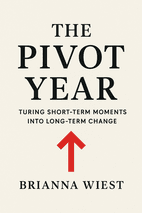
Brianna Wiest is a bestselling author and thought leader whose work explores the intersection of self-discovery, personal growth, and purposeful living. She is celebrated for her profound insights into the human psyche, offering readers practical wisdom for navigating life's complexities. Wiest is the acclaimed author of the international bestseller "The Mountain Is You," a transformative guide to self-sabotage and building a better life, along with other influential titles such as "101 Essays That Will Change The Way You Think." Her writing has resonated with a global audience, establishing her as a leading voice in modern mindfulness and introspection. All of her published works are available for purchase on Amazon.
📚 Explore Our Book Summary Library
Discover more insightful book summaries from our collection