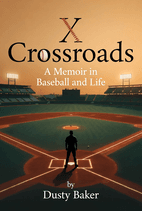
Dusty Baker's Crossroads uses baseball as a vehicle for deeper truths about resilience, identity, and grace, weaving together lessons from Hank Aaron, Bill Walsh, and his own father. Written for readers interested in leadership, race in America, fatherhood, and spiritual resilience, it shows how character is forged in moments of uncertainty.
Feature
Insta.Page
Blinkist
Shortform
Summary Depth
Full Chapter-by-Chapter
15-min overview
Section-by-section guides
Audio Narration
✓
✓
✓
Visual Mindmaps
✓
✕
✕
AI Q&A
✓
✕
✕
Quizzes
✓
✕
✕
PDF Downloads
✓
✕
✓
Price
$89.99/yr
$146/yr (PRO)
$199/yr
*Competitor data last verified July 2026.
1 Page Summary
This memoir weaves together Dusty Baker’s life in baseball with the broader lessons of resilience, identity, and grace. Raised by strict, loving parents who taught him to resist bitterness despite the realities of being Black in America, Baker navigated the segregated South as a young player, learning from mentors like Hank Aaron to “rechannel” anger into purpose. The book traces his journey from a sharecropper’s grandson to a Major League star, manager, and World Series champion, with each chapter anchored in a specific crossroads—a trade, an injury, a racial confrontation, a financial collapse, or a health scare—showing how character is forged in moments of uncertainty.
What makes the book distinctive is Baker’s insistence that baseball is merely a vehicle for deeper truths. He shares the practical wisdom passed down from figures like Hank Aaron (trust your feelings), Bill Walsh (focus on the Standard of Performance), and his own father (cash is not king; God is), while never shying away from painful subjects: his parents’ divorce, a $4 million IRS debt, the suicide of his brother Vic, his own prostate cancer and stroke, and the painful aftermath of the 2002 World Series collapse. The memoir is also deeply personal in its portraits of friendship—the white teammate who drove cross-country to prove their bond, the long-suffering love with his wife Melissa, and the raw grief of his son Darren’s childhood plea, “I don’t want my daddy to die.”
The intended audience extends well beyond baseball fans. Readers interested in leadership, race in America, fatherhood, financial failure and recovery, or spiritual resilience will find rich material here. Baker’s voice is conversational, anecdotal, and often humorous, but the book’s real offering is a philosophy of living: choose forgiveness over resentment, walk through the door that opens rather than the one you planned, and remember that every trial is, as his father taught him, just a road sign pointing toward the right direction.
Chapter 1: Mom and Dad Gave Us Our Strength
Overview
From the beginning, his parents taught him to give everyone a chance, look for the good in people, and not be bitter about being Black in America. Born Johnnie B. Baker Jr. in 1949, he was raised with a strong sense of responsibility that kept him steady through the 1960s. The nickname “Dusty” came from his mother or aunt—either because he ate dirt or couldn’t stay clean from playing outside. Growing up “country” in Riverside meant collecting eggs, hunting with his father, and gardening, which sparked passions he still has. Church was central, and the whole community helped raise him.
Family routines were strict and filled with music. His mother woke them with Lou Rawls, filled the house with Johnny Mathis and Mahalia Jackson, while his father preferred Miles Davis and the blues. She pushed piano lessons and classical concerts, even as he secretly listened to Vin Scully call Dodger games. Discipline came from his father, who never cursed or drank but expected “Yes, sir” and “Yes, ma’am.” Whippings were deserved, and lessons stuck—like paying back a stolen candy bar or having hidden dice pounded to dust. “No son of mine is going to be a liar, a thief, or a gambler,” his father would say. The most important lesson was the difference between outer dignity—what you do to keep a job—and inner dignity, the fixed points of self-respect no one can touch. His mother modeled defiance by suing a modeling school that rejected her for being Black and starting her own charm school.
The 1960s brought constant racial tension, but his parents gave him tools to think through it. His father admired Jackie Robinson and Martin Luther King Jr., while his mother had a picture of Malcolm X on the wall. They filled the house with Black literature and news magazines. In Riverside, racial tolerance was just life—his closest friends were Mexican American, and he called himself the Black Mexican. Sports were everything. His father coached him hard, even cutting him from teams for bad attitudes, but never let him quit. After a pouty performance in an all-star game cost his team, his father’s silence taught him more than words ever could. He studied Ted Williams’s hitting science, emulated Elgin Baylor’s moves, and wore high-tops to look like Lenny Moore. Practice was everything.
In 1965, his father’s job moved the family to Carmichael, an all-white suburb near Sacramento. They drove north just after the Watts riots, and he felt no fear, confident his parents could handle anything. On the first day of school, his brother Rob was called a racial slur from a passing car, but a Jewish student reached out in kindness. He met a white boy also new to the school, and they became great friends. At lunch, he and Rob realized they were the only Black students in the entire school. That move taught the power of small acts of kindness and the importance of finding friends who see you for who you are. Through every lesson—from his mother’s defiance and his father’s tough love to the value of practice and the reality of racism—his parents gave him strength. They taught him that love is discipline, that you don’t quit, and that every new person is a crossroads. He’s still working on keeping his heart open.
Parents' Philosophy
My parents raised me with a simple conviction: give everyone a chance. They taught me to keep my eyes open, trust my feelings about people, and let them show me who they really are. Most people have good in them, so why not look for it? Both Mom and Dad built in me a sense of responsibility and possibility. Dad instilled common sense, while Mom pushed book-learning and intelligence. Being Black in America meant having to see more and think more about getting along with white people than they ever had to think about getting along with me. No use being bitter—it’s just reality. Every new person is a crossroads: Do I keep my heart open? I’m still working on that.
Early Life and Identity
Born Johnnie B. Baker Jr. in June 1949. If I hadn’t been raised with that sense of responsibility, I probably would have wound up in trouble during the 1960s—Vietnam, Civil Rights, Black Power. We hosted NAACP meetings at our house. I learned young about unfair hiring practices, pay disparities, and how some racism is triggered by economic success. There was also a separation of dark skin and light skin within our race before Black Power united us. The world wasn’t always fair.
The “Dusty” Nickname
In my family, there was only one Johnnie B.—my dad. The nickname “Dusty” came either from my mom or Aunt Loreena. My mom claimed I used to eat dirt. My aunt said she gave me the name because I was always out in the yard playing and couldn’t keep my clothes clean. I wasn’t about to argue with either of them.
Growing Up Country in Riverside
We lived in Riverside, but we were raised country. We had a chicken coop—I collected eggs most mornings until I dropped one, and I still can’t eat eggs over easy with runny yolks. We hunted and fished to put food on the table. My dad could shoot, but with his bad leg he couldn’t run, so I was his hunting dog. That turned me into a lifelong hunter. Gardening and tending fruit trees sparked a passion I still enjoy. I was raised in the church, which steered me away from the pool hall. To this day, I’ve never learned to shoot pool. The whole village raised you.
Family Routines and Influences
We ate as a family every night, said grace. Sundays were church all day. Music filled our house. Mom woke us up with Lou Rawls. She loved Johnny Mathis, Motown, Mahalia Jackson. Dad was into Miles Davis and the blues. Mom pushed me to take piano lessons; I wanted guitar or saxophone. The school music teacher told me I had the “wrong lips” for sax. Mom made us go to classical concerts; I’d keep a transistor radio in my pocket with an earpiece, listening to Vin Scully call Dodger games.
Discipline and Lessons That Stuck
My dad never cursed or drank. He expected “Yes, sir” and “Yes, ma’am.” He didn’t spare the rod, but I never got a whipping I didn’t deserve. Once, my sister snitched that I’d hidden dice in my pillowcase. Dad took the dice out to the driveway and pounded them to dust with a hammer. Another time I swiped a Mr. Goodbar from Mr. Carlos’s store. I had to pay back the nickel and apologize, then get a whipping. “No son of mine is going to be a liar, a thief, or a gambler,” he’d say. I never stole again. I got a D in conduct once and tried to smudge it into a C. Dad gave me a week to confess—I got the belt for lying.
Parents’ Background and Work Ethic
Both parents worked at Norton Air Force Base. Dad did top-secret work. Mom was a secretary. Government jobs offered some of the best opportunities for Black people then. Dad grew up in rural Georgia and Lakeland, Florida. He remembered catching foul balls during Detroit Tigers spring training in the Depression and selling them back for a nickel. He would have been a great ballplayer but hurt his knee—it had to be fused, leaving him with a stiff leg. He never complained. After the war, he took a civilian job at Norton. In California, he met my mom, Freddie Christine Russell.
The Lesson of Inner Dignity
My Saturday job was polishing my dad’s shoes—if I missed a spot, I’d start over. I also washed and polished his cars. He always had nice cars and worked odd jobs. I was usually with him, learning work ethic. One weekend we were gardening at the house of a rich kid from school. He ordered me to pick up a piece of paper. I went from zero to sixty: “I’ll kick your butt.” My dad called me over and said, “We need this job. On Monday, when they play flag football, you play tackle and run right over him.” I picked up the paper. The next week, I took out my frustration on that kid. That’s when Dad explained outer dignity versus inner dignity. Outer dignity is what you do to keep your job. Inner dignity involves fixed points that cannot be moved. No man should intrude on your inner dignity.
Mom’s Defiance and Discipline
My mom wasn’t one to take disrespect lying down. When a modeling school rejected her, she sued—and won. Then she started her own charm school. She taught me to set the table, wash dishes, iron, sew my own clothes, and cook. She had strict rules: no cursing around women, always open doors, pull out chairs.
The ’60s and My Parents’ Influence
Growing up in the 1960s, racism was a constant fever. My parents gave me tools to think for myself. My dad admired Jackie Robinson and Martin Luther King Jr. My mom was drawn to Malcolm X—she had his picture on the wall. Civil rights was big in our house.
**Key Takeaways
Key concepts: Chapter 1: Mom and Dad Gave Us Our Strength
1. Chapter 1: Mom and Dad Gave Us Our Strength
Parents' Core Philosophy
Give everyone a chance and look for good
Build responsibility and possibility in children
No use being bitter about racism, just reality
Every new person is a crossroads for the heart
Early Life and Identity
Born Johnnie B. Baker Jr. in June 1949
Raised with responsibility to avoid 1960s trouble
Hosted NAACP meetings at home
Learned about racism and color divisions early
The 'Dusty' Nickname
Only one Johnnie B. in family—his father
Nickname from mom or Aunt Loreena
Mom said he ate dirt as a child
Aunt said he couldn't stay clean playing outside
Growing Up Country in Riverside
Collected eggs, hunted, and fished for food
Acted as hunting dog for his father
Gardening sparked lifelong passion
Church and community raised him
Family Routines and Music
Ate family dinner nightly, church on Sundays
Mom played Lou Rawls, Johnny Mathis, Mahalia Jackson
Dad preferred Miles Davis and blues
Mom pushed piano; he secretly listened to Vin Scully
Discipline and Core Lessons
Father expected 'Yes, sir' and 'Yes, ma'am'
Whippings were deserved, lessons stuck
No lying, stealing, or gambling allowed
Inner dignity is unshakable self-respect
Move to Carmichael and Racism
Moved to all-white suburb after Watts riots
Brother called racial slur on first day
Jewish student showed kindness
Learned power of small acts of kindness
💡 Try clicking the AI chat button to ask questions about this book!
Chapter 2: Please God, Not the South
Overview
The move from Riverside to Carmichael was supposed to be a fresh start, but it unraveled his parents’ marriage within a year. As the oldest, he found himself trying to hold everything together while navigating a new high school where he was one of the only Black kids. Sports became his anchor, but a scary diagnosis—an irregular heartbeat—threatened to take football away until a specialist confirmed it was just a murmur. That relief sent him straight back to the field, muddy and winded but thrilled. Basketball was his first love, and he had Coach McCullough, a mentor who taught him the cost of lying about skipping practice to go fishing. Beyond the court, racial tension cut both ways: white kids called him names for being Black, and Black kids from inner-city Sacramento called him “white boy” for playing on a mostly white team. He found refuge on weekends at Grant Union, getting schooled in basketball and in the culture that reminded him of home.
After his parents split, he channeled anger into sports, but it boiled over into fights. Coach McCullough kept him after practice until midnight, eventually saying the words that cracked the guilt open: “Your parents’ divorce is not your fault.” His mom pushed him to expand his mind, taking night classes and eventually earning a sociology degree while teaching him to cook, sew, and iron. She also introduced him to a rising politician, Willie Brown, who taught him how to carry himself in any room. His dad pushed for Santa Clara University, where an assistant coach named Carroll Williams understood his family situation. By senior year, Coach McCullough trusted him enough to give him a key to the gym—he’d been breaking in to practice in the dark anyway.
His senior baseball season was a mess. Desperate to impress scouts, he swung for home runs instead of playing his speed game, and he batted just .229. The baseball draft came in June 1967, and he prayed, Please, God, anywhere but the South. The Atlanta Braves took him in the twenty-sixth round—exactly where he didn’t want to go. That same month, his mom gave him tickets to the Monterey International Pop Festival. He went with a neighbor, slept in the car, and heard The Who, Janis Joplin, and Jimi Hendrix set his guitar on fire. It was pure freedom, and it changed how he saw the world.
Redemption came in American Legion ball. Coach Spider Jorgensen never barked orders—just offered quiet suggestions that got him focused on every at bat. He started hitting .382, and the Braves’ scout, Bill Wight, kept sweetening the offer. His dad was dead set against signing without a college education, but the family needed the money. His mom handled negotiations like a pro. The Braves flew them to Los Angeles for a workout at Dodger Stadium, where he took batting practice with no number on his back. Then, on the bus ride, he sat next to Hank Aaron. Hank asked if he had enough confidence to make the big leagues by the time his college class graduated. He said yes. Hank agreed to look out for him, and his mom trusted that promise. He signed the contract on August 21, 1967, with a deal that included college tuition and a promise to his mom that he’d still go to school. The Braves sent him to Double-A Austin, Texas—the South he had dreaded—and it turned out to be the launchpad for everything.
Key Takeaways
Trying to be something you’re not—like swinging for home runs when you’re a speed guy—can derail your game. Stay true to your strengths.
The people who believe in you make all the difference: Spider Jorgensen’s low-key coaching, Bill Wight’s persistence, and a mother who trusted your dreams.
Hard choices often involve balancing family responsibilities, personal ambition, and the expectations of others. Hank Aaron’s simple question—“Do you have enough confidence?”—cut through the noise.
Music and culture in the 1960s shaped a generation’s worldview. The Monterey Pop Festival wasn’t just fun; it was a lens through which many young people saw the world changing.
The South I feared turned out to be the place that launched my career. Sometimes your biggest dread becomes your greatest opportunity.
Key concepts: Chapter 2: Please God, Not the South
2. Chapter 2: Please God, Not the South
Family Turmoil and Personal Growth
Move to Carmichael unraveled parents' marriage within a year
Felt responsible for holding family together as oldest child
Coach McCullough said divorce is not your fault
Mom taught life skills and introduced to Willie Brown
Racial Identity and Social Tension
One of few Black kids in new high school
White kids called him names for being Black
Black kids called him 'white boy' for playing on white team
Found refuge at Grant Union with familiar culture
Sports as Anchor and Teacher
Football threatened by irregular heartbeat diagnosis
Basketball with Coach McCullough taught honesty
Senior baseball season ruined by swinging for home runs
American Legion ball with Spider Jorgensen brought redemption
The Draft and Fear of the South
Prayed for anywhere but the South in baseball draft
Atlanta Braves took him in 26th round
Hank Aaron promised to look out for him
Signed contract with college tuition included
Cultural Awakening and Life Lessons
Monterey Pop Festival changed his worldview
Heard The Who, Janis Joplin, and Jimi Hendrix
Mom negotiated contract like a pro
Biggest dread became greatest opportunity in Texas
Chapter 3: “Up Against the Wall, Boy”
Overview
The Shreveport incident in July 1969—stopped by cops for eating dinner with a white woman, pressed against a wall, called "boy"—crystallized the reality of being a young Black man in the segregated South. Even after making the big leagues and serving in the Marine Corps Reserve, none of that mattered to those officers. Dusty Baker emerged with a choice: let the anger consume him, or channel it. Hank Aaron's advice—"rechannel that energy"—became a guiding principle.
Moving through the Braves' minor league system meant confronting that anger head-on. A solo bus ride to Little Rock had him nervous about lynchings; teammate Cito Gaston held him back from getting off the bus for food, teaching a crucial survival lesson. At Ray Winder Field, Arkansas State Hospital patients in the bleachers hurled racial slurs until a crying nineteen-year-old called his mama begging to come home. Too late to turn back. Ted Bashore, the California hippie first baseman the Braves warned him about, became a lifelong friend who opened his mind. The segregated lodging—a one-room shanty behind Momma's Soul Food Kitchen while white teammates got hotels—was an education he wouldn't trade.
Back home in Carmichael, his father sued to void the contract and won. Dusty was made a trustee of the state until twenty-one, most of his bonus invested in Standard Oil and IBM. Enraged, he froze his dad out completely for three years. But during those nine months at home, he stayed in shape with the American River College track team, soaked up music—catching Jimi Hendrix at Winterland—and prepared for the grind ahead.
The assassination of Martin Luther King Jr. shook him, but by summer 1968 he was tearing through A-ball, batting .342 for Greenwood. An unexpected call-up to Atlanta that August felt surreal. In the big-league clubhouse, veterans like Clete Boyer and Bob Uecker taught him how to be a pro—buying him suits, taking him to the Playboy Club. His first at-bat against Mike Cuellar produced a swinging-bunt single; against Juan Marichal, he squibbed an infield hit and flew past first base. Two-for-two in the majors. Legends surrounded him: Hank Aaron, Willie Mays, Willie McCovey, his personal hero Bobby Bonds. And old Satchel Paige, who called him "Daffy," set up a two-by-four for control drills and insisted on heat, not ice.
To avoid the Vietnam draft, Dusty enlisted in the Marine Corps Reserve. Parris Island boot camp became a mission: he broke Roberto Clemente's pull-up record, set out to be honor man in dress blues, and succeeded. The discipline stuck—he learned punctuality, teamwork, and respect for living in close quarters. But the dishonor of refusing to do recruitment commercials weighed on him, as did the guilt that many in his unit would go to Vietnam and die while he stayed behind. As an MP at Camp Pendleton, he removed the shells from his shotgun rather than aim at homies in the holding tank.
The 1969 season took its toll. Shuffling between Shreveport, Richmond, and Atlanta, he became so depleted that he shocked the Braves by turning down a promotion during the playoff push—he knew his limits. In 1970, with Ralph Garr, he played for Triple-A Richmond, staying at the Eggleston Hotel, surrounded by prostitutes, pushers, and numbers runners who looked out for him. Those women, worn down at his own age, taught him more about survival than any baseball lesson could.
Then came the stock statement. That money his father had tied up in Standard Oil and IBM had grown. Suddenly, he understood. This wasn't punishment—it was an education in financial discipline. He drove straight to his dad's apartment, where the smell of chitlins filled the air, and apologized. "I was wrong. Forgive me." There were no tears, only a hug and the words his father had been waiting three years to hear. The bridge was rebuilt. The wall in Shreveport had been one kind of barrier; the wall between father and son had been another. Both taught him how to stay cool, keep his eyes open, and know when to fight—and when to make peace.
Key Takeaways
Turning down a big-league promotion out of exhaustion taught him the importance of knowing his limits and prioritizing his health over career pressure.
The street life in Richmond—the prostitutes, pushers, and pimps who looked out for them—provided a gritty, real-world education beyond baseball.
The realization that his dad's investment of his bonus money was a gift, not a punishment, sparked a profound reconciliation and a lifelong interest in the stock market.
Admitting he was wrong and rebuilding that relationship was one of the most important moments of his life—learning that humility and forgiveness can heal even the deepest family wounds.
Key concepts: Chapter 3: “Up Against the Wall, Boy”
3. Chapter 3: “Up Against the Wall, Boy”
The Shreveport Incident and Hank Aaron's Advice
Stopped by cops for eating with a white woman
Pressed against a wall and called 'boy'
Hank Aaron advised to 'rechannel that energy'
Chose to channel anger rather than be consumed
Minor League Struggles and Survival Lessons
Solo bus ride to Little Rock feared lynchings
Cito Gaston taught crucial survival lesson about food
Racial slurs from hospital patients at Ray Winder Field
Satchel Paige set up two-by-four for control drills
Marine Corps, Exhaustion, and Reconciliation
Enlisted to avoid Vietnam draft
Broke Roberto Clemente's pull-up record
Turned down promotion due to exhaustion
Apologized to father and rebuilt relationship
Chapter 4: Trust Your Feelings
Overview
Hank Aaron taught Dusty Baker something far more valuable than how to hit a curveball. It was about seeing the game—and life—with a clarity that most people never achieve. Hank could read a pitch before it left the pitcher’s hand, zeroing in with a clenched fist or a hole in his cap, and he trusted what his feelings told him. “If you feel it, it’s probably true,” he’d say, a mantra that went beyond baseball into a philosophy of preparation, patience, and quiet dignity. But Hank’s lessons weren’t always obvious in the moment. Baker had to carry them around, sometimes for years, before they clicked.
That mentorship ran both ways. As Hank navigated a painful divorce and the pressure of chasing Babe Ruth’s home run record, he needed Baker and Ralph Garr around just to stay loose and distracted. In return, Hank opened doors to a world of civil rights giants, politicians, and baseball royalty, teaching by example how to command respect without demanding it. The code was simple: be prepared, play with pain, never showboat, and let your bat do the talking. Baker learned it the hard way during the 1972 strike, when he ignored Hank’s advice to work out, showed up out of shape, and suffered a brutal 1-for-23 slump. Humbled, he finally did what Hank told him: hit till his hands bled. The breakout came, and by season’s end he hit .321, thanks to the inner confidence that can only be earned by falling on your face and getting back up.
That’s the core of the chapter—a deep, human look at how greatness is built not on hunches but on trusting your deeper feelings, preparing relentlessly, and recognizing that the people who shape you also need you in return. Baker’s story of driving two thousand miles with a friend, picking up hitchhikers, and getting ticketed on the Vicksburg Bridge captures the freedom and rawness of a young man learning who he is. And it all circles back to Hank’s quiet voice: Be prepared, and trust what you feel.
The Wisdom of Hank Aaron
The chapter opens with a manager’s hard-won truth: having an insight is one thing, but translating it into words that land—that require trust—is another. For Dusty Baker, that lesson was embodied by Hank Aaron, his baseball father on the Braves. Hank didn’t overshare his past, but Baker knew enough: growing up poor in Mobile, hauling ice, and being driven by a vow he made at fourteen after seeing Jackie Robinson play an exhibition game. “I’m going to be in the big leagues myself, Daddy, before Jackie Robinson is through playing.” That promise fueled a career built on something like a PhD in hitting.
Hank could read pitches with a preternatural clarity. Curt Simmons once said, “Henry Aaron is the only ballplayer I have ever seen who goes to sleep at the plate, but trying to sneak a fastball past him is like trying to sneak the sunrise past a rooster.” Most hitters see the ball well for a stretch, then lose it; Hank could sustain that focus for weeks, and when he faltered, he needed only a few days to reset. That came from preparation, talent, and mental discipline—letting nothing unwanted into your head so you could feel and see the pitch with perfect clarity.
But the education went far beyond hitting. Around Hank, you learned how to be a complete player and person. When Baker grew frustrated with the Braves shuffling his spot in the batting order, Hank advised him simply: “Don’t strike out. Don’t hit it into a double play. Hit as many singles and doubles as you can. They’ll stop walking me. You become the best RBI man you can be, that’s all the protection I’ll need.” Those after-game sessions in Hank’s room were school. Hank would brag on you to others but never to your face—that was his generation’s way. He loved to laugh, and his laughter was infectious.
Baker remembers asking Hank who the toughest pitcher he ever faced was. Without hesitation, Hank said Sandy Koufax. (Later, Baker asked Koufax the same question: “Bad Henry.”) When Baker asked who Hank turned to when he struggled—who motivates the motivator?—Hank said Stan Musial. That led to an introduction, and Musial shared his theory of hitting: “Stay out of center field in the air.” Baker never mastered it like Musial, but he passed it on. Hank himself believed in a level swing, not an uppercut. “You come down through the zone and put backspin on the ball instead of lifting the ball.” Baker never saw Hank hit a tape-measure home run, but Hank never missed. As Roy Campanella put it, take a good whack at it and don’t miss.
What Hank taught, Baker didn’t fully grasp at the time. It took years to catch up to the depth of that commitment to excellence. You had to have your eyes wide open, notice everything—a shortstop’s half-step, a pitcher’s eyes—and then trust your feelings. “If you don’t trust your feelings, you can never be a great hitter. If you feel it, it’s probably true.” That wasn’t about hunches or inklings; those are words people use when they don’t trust their deeper feelings. Feelings are powerful and true, coming from an external power. Children trust them better than adults do. As Sadaharu Oh later put it, you need the coolness of mind to control the burning desire in your heart.
Hank exercised his mind the way others exercised their bodies—constantly working memory and recall. Baker still hates using navigation apps; he drives from memory. On the field, Hank watched the whole game like a chess player, seeing what would happen before anyone else. He once told Baker, “I’m going to hit a single to left, and the left fielder drops his head before he throws, so I’m going to take second.” And he did. He would clench his fist into a little circle to zero in on a pitcher’s release point, or look through a hole in his cap. “Do you understand?” he’d ask. Baker would say yes, but often didn’t. Hank would say, “Look, boy, if you don't understand, at least retain what I'm telling you about, and someday you may see it.” Baker did. Five years later, things clicked. Decades later, he used those stories with his own players.
Hank had a different theory for every pitcher. Against Steve Carlton: recognize spin from the hips down, take the pitch—it’ll be a ball. Against Tom Seaver: if it’s a fastball from the waist up, take it, because it’ll be up around your neck. (Even though people said a pitch couldn’t rise, Hank knew what he saw.) He was a student of hitters, base runners, and defenders. He’d move Baker in the outfield, and the ball would land right there. This was before organized scouting reports; Hank had total recall of how a guy held his hands, whether he was a pull hitter or opposite-field.
Hank also taught Baker about playing with pain. He had sciatic nerve problems but never showed it; he thought away the pain. “Stay off that disabled list,” he’d say. “You’ve got to play with pain.” Baker never went on the disabled list in his entire career. Hank also hated showboating. When Baker threw his helmet down in 1972, Hank gave him an earful: “Don’t throw that helmet, boy, put it back on the rack. It’s not the helmet's fault or the bat’s fault that you struck out. Sit down and figure out how to get him next time.” Hank was only thrown out of a game once in twenty years—after striking out and throwing his bat, hitting the home-plate umpire. He learned his lesson.
Hank believed in quiet dignity, like the heroes in Westerns. To this day, Baker loves Westerns, often falling asleep to one after a game. That code of quiet strength and fighting for what’s right—Hank instilled it in Ralph Garr and Baker. He stood for civil rights while bringing racial sides together during tense times. He commanded respect not by demanding it, but by being modest, hardworking, and thinking of others. When a woman asked if he was the home-run king, he said, “No, ma’am, Dave Johnson is upstairs in his room.”
Baker’s young-man freedom came alive in his annual ritual of driving his Olds 4-4-2 from California to Louisiana to pick up Ralph Garr for spring training. Two thousand miles of open road, Led Zeppelin, Wolfman Jack howling on the radio, and the sense that anything was possible. He’d pick up hitchhikers, usually hippies, because they’d never turn violent and might have good tunes. Crossing into Mississippi, three years in a row he got a ticket on the Vicksburg Bridge. A cop asked where he was going. Ralph kept him calm: “Baker, you in the South. Here, the district attorney is related to the judge.” Baker learned to keep cool.
In 1971, Baker made the Braves’ opening day roster—then got sent down
Key concepts: Chapter 4: Trust Your Feelings
4. Chapter 4: Trust Your Feelings
Hank Aaron's Core Philosophy
Trust your deeper feelings, not just hunches
Preparation, patience, and quiet dignity
Be prepared and let your bat do the talking
Never showboat; play with pain
The Mentor-Mentee Bond
Hank taught Baker how to see the game clearly
Baker needed Hank; Hank needed Baker for distraction
Lessons often took years to fully click
Hank opened doors to civil rights and baseball royalty
Hank's Hitting Genius
Could read pitches before they left the pitcher's hand
Sustained focus for weeks; reset in days
Level swing, not uppercut, for backspin
Never missed; took a good whack and didn't miss
Baker's Hard-Earned Lessons
Ignored Hank's advice during 1972 strike
Showed up out of shape; suffered 1-for-23 slump
Hit till his hands bled; breakout came
Finished season hitting .321 through earned confidence
Beyond Baseball: Life Wisdom
Command respect without demanding it
Hank bragged on you to others, never to your face
Hank's laughter was infectious and humanizing
Greatness built on preparation and trusting feelings
Toughest Pitchers and Hitting Theory
Hank said Sandy Koufax was toughest pitcher
Koufax called Hank 'Bad Henry'
Stan Musial advised: stay out of center field in air
Hank believed in level swing, not uppercut
Trusting Feelings vs. Hunches
Feelings are powerful and true, from external power
Children trust feelings better than adults
Hunches are words for those who don't trust feelings
Coolness of mind controls burning desire in heart
You've reached the end of the free chapters
Next chapter: “715” is locked
Keep reading Crossroads — and unlock all 600+ book summaries with audio, mindmaps and AI Q&A.
$0.00 due today · 7 days free, then $89.99/year ($7.49/mo) · Cancel anytime before day 7
Dusty Baker is a celebrated former Major League Baseball player and manager, best known for his leadership of teams like the San Francisco Giants, Chicago Cubs, and Houston Astros. Over his 26-year managerial career, he became the first manager to win division titles with five different teams and secured his first World Series championship with the Astros in 2022. As a player, he earned All-Star selections and World Series rings with the Los Angeles Dodgers and Oakland Athletics.
Frequently Asked Questions about Crossroads
What is Crossroads about?
This memoir traces Dusty Baker's journey from a strict, music-filled upbringing in Riverside, California, through his Major League Baseball career as a player and manager. It covers his confrontations with racism in the segregated South, the mentorship of Hank Aaron, his role in the historic 1977 'High Five,' and his leadership of teams like the Giants, Cubs, and Astros. Alongside baseball, Baker shares deeply personal struggles—financial ruin, his brother's mental health crisis, prostate cancer, and his father's dementia—while emphasizing the importance of faith, forgiveness, and family.
Who is the author of Crossroads?
Dusty Baker is a former Major League Baseball player and one of the most successful and respected managers in the game's history. He played for the Atlanta Braves, Los Angeles Dodgers, and San Francisco Giants before managing the Giants, Cubs, Reds, Nationals, and Astros, winning a World Series with Houston in 2022. Baker is known for his calm, player-centric leadership and his role in breaking down barriers for minority managers.
Is Crossroads worth reading?
Absolutely—this memoir offers a rare, unflinching look at the life of a baseball icon beyond the diamond. Baker's honesty about racism, personal failure, and his 'rechanneling' of anger is both inspiring and instructive. Anyone interested in leadership, resilience, or the human side of sports will find deep, lasting value in these pages.
What are the key lessons from Crossroads?
One of the most powerful lessons is Hank Aaron's advice to 'rechannel' anger instead of being consumed by it, which Baker applies to racism and adversity. Another is the importance of preparation and trusting your feelings, as taught by Aaron—'If you feel it, it's probably true.' Baker also emphasizes forgiveness and letting go of resentment, which he calls 'the Devil’s work,' and the necessity of a strong support system (the 'Grand Council' of mentors). Finally, he shows that success is not about avoiding failure but about how you respond to life's unexpected curves.
📚 Explore Our Book Summary Library
Discover more insightful book summaries from our collection