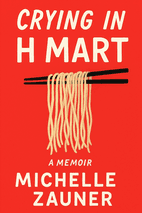
Michelle Zauner's Crying in H Mart is a poignant memoir exploring grief, identity, and the mother-daughter bond through the lens of Korean food and heritage, resonating with anyone navigating loss, cultural connection, or complex family ties.
Feature
Insta.Page
Blinkist
Shortform
Summary Depth
Full Chapter-by-Chapter
15-min overview
Section-by-section guides
Audio Narration
✓
✓
✓
Visual Mindmaps
✓
✕
✕
AI Q&A
✓
✕
✕
Quizzes
✓
✕
✕
PDF Downloads
✓
✕
✓
Price
$89.99/yr
$146/yr (PRO)
$199/yr
*Competitor data last verified July 2026.
1 Page Summary
Crying in H Mart is a poignant memoir by musician Michelle Zauner that explores grief, identity, and the complex bond between mother and daughter. The narrative centers on Zauner's experience of losing her Korean mother to cancer and her subsequent journey to reclaim her heritage, which felt imperiled by that loss. The Korean grocery store chain H Mart becomes a powerful symbol of this connection—a place where the sights and smells of Korean food trigger profound memories and a deep sense of longing, framing her mother's love as something expressed most vividly through culinary care and cultural tradition.
The book delves into the specific tensions of growing up biracial, feeling caught between American and Korean identities. Zauner recounts her childhood in Eugene, Oregon, and her adolescent rebellion against her mother's strict expectations, detailing how her mother's illness forced a painful reconciliation and a desperate desire to preserve the Korean half of her identity. The memoir is set against the backdrop of Zauner's burgeoning music career with her band Japanese Breakfast, but its core historical and emotional context is the deeply personal, universal process of mourning and the struggle to understand a parent as a full person beyond their role.
The lasting impact of Crying in H Mart lies in its raw, specific portrayal of grief as a physical and cultural experience. Zauner’s vivid descriptions of food preparation and consumption transform meals into acts of remembrance and love, resonating with anyone who has associated care with cuisine. The work has been celebrated for giving voice to the particular nuances of mixed-race identity and the fear of cultural erosion, ultimately serving as a testament to how we can reconnect with our roots and honor those we have lost through the intimate, sustaining language of food.
Frontispiece
Overview
The chapter opens not with prose, but with a deliberately obscured visual and textual artifact. The provided "text" is a collage of fragmented typographic symbols, mathematical notations, and isolated letters that resist conventional reading. This frontispiece functions as a visual and conceptual threshold, establishing the chapter's core themes: the instability of meaning, the interplay between perception and reality, and the hidden patterns that may underlie apparent chaos. It presents a puzzle that the reader must navigate, setting a tone of active investigation rather than passive consumption.
Decoding the Visual Field
The arrangement of characters—such as "f", "Ne", "x", "7", "L", "PS"—suggests a language at the brink of legibility. Some elements resemble scientific or mathematical annotations (e.g., "~", " k wv", "4 rd"), while others ("om", "ae", "hy") hint at fractured words or phonetic sounds. This deliberate obfuscation forces the reader to question the very medium of the narrative. Is this a corrupted file, a coded message, or a representation of a character's disordered consciousness? The frontispiece acts less as an explanation and more as an experience of disorientation.
The Function of the Threshold
In traditional book design, a frontispiece is an illustration facing the title page, often encapsulating the work's spirit. Here, that convention is subverted. This frontispiece does not clarify but complicates. It serves as a microcosm of the chapter's—and potentially the entire book's—exploration of how we construct meaning from fragments. The "gap" between the recognizable and the unrecognizable symbols becomes the most important space, inviting the reader to project interpretations and become a co-creator of the narrative from the very first page.
Atmospheric and Thematic Establishment
Before a single narrative sentence is read, the chapter establishes a powerful atmosphere of mystery, intellectual intrigue, and slight unease. The clash of seemingly rational symbols (numbers, letters) with their irrational arrangement creates cognitive dissonance. This visual preface suggests that the forthcoming story will deal with broken systems, elusive truths, and the beauty or terror found in the gaps of understanding. It primes the reader to pay close attention to pattern, symbol, and form throughout the rest of the text.
Key Takeaways
The chapter begins by challenging the reader directly, using illegible text to transform the reading act into one of active interpretation and pattern recognition.
It establishes core themes of fragmentation, the construction of meaning, and the instability of perceived reality through form rather than exposition.
The frontispiece functions as a subverted traditional element, setting a tone of mystery, intellectual puzzle-solving, and potential narrative unreliability from the outset.
It positions the reader as an investigator, hinting that understanding the larger narrative will require piecing together clues and accepting ambiguity.
Key concepts: Frontispiece
1. Frontispiece
The Visual and Textual Artifact
Deliberately obscured collage of fragmented symbols, notations, and letters
Resists conventional reading to establish themes of instability and hidden patterns
Functions as a visual and conceptual threshold for the chapter
Presents a puzzle that demands active investigation from the reader
Decoding and Legibility
Characters suggest a language at the brink of legibility
Mix of scientific notations and fractured words creates cognitive dissonance
Forces questioning of the narrative medium and meaning construction
Acts as an experience of disorientation rather than explanation
Subversion of Traditional Form
Frontispiece convention is inverted to complicate rather than clarify
Serves as microcosm of constructing meaning from fragments
The 'gap' between recognizable and unrecognizable becomes crucial space
Transforms reader into co-creator of narrative from the outset
Atmospheric and Thematic Foundation
Establishes atmosphere of mystery, intrigue, and unease before narrative begins
Clash of rational symbols with irrational arrangement creates cognitive tension
Suggests themes of broken systems, elusive truths, and gaps in understanding
Primes reader to attend to pattern, symbol, and form throughout the text
Reader Positioning and Narrative Approach
Challenges reader directly, transforming reading into active interpretation
Positions reader as investigator required to piece together clues
Sets tone of intellectual puzzle-solving and potential narrative unreliability
Requires acceptance of ambiguity and projection of interpretations
💡 Try clicking the AI chat button to ask questions about this book!
1 · Crying in H Mart
Overview
The chapter opens not with a traditional introduction, but with a powerful, immediate declaration: "Ever since my mom died, I cry in H Mart." This establishes H Mart, a Korean supermarket chain, as the physical and emotional heart of the narrative. It is presented as more than a store; it is a sanctuary for the diaspora, a temple of memory, and the trigger for the author's profound grief. The chapter explores how food is the primary conduit for cultural heritage, maternal love, and personal identity, setting the stage for a memoir that examines loss, belonging, and the struggle to hold onto a culture after its primary lifeline is gone.
H Mart is described as a place of liberation and specificity, a world away from the inadequate "ethnic" aisle of a regular American grocery store. It is where families find the exact ingredients for traditional dishes and where individuals seek the familiar comforts of home. For the author, it is now a landscape of memory, where every item—soy-sauce eggs, stacks of dumpling skins, specific brands of seaweed—sparks a poignant recollection of her mother and prompts the central, agonizing question of her identity: "Am I even Korean anymore if there's no one left to call and ask?"
The author explains that her Korean mother was her sole connection to their heritage, cultivating in her a "distinctly Korean appetite" characterized by emotional eating, daily cravings, and seasonal rituals. Food was her mother's unambiguous language of love, a constant even when her words could be critical. In H Mart, surrounded by the language and products of that culture, she feels a fluency and connection that is otherwise lost to her.
Her grief is portrayed as unpredictable and visceral, triggered by the sight of a childhood snack or an elderly Korean grandmother in the food court. These moments spiral into vivid, painful fantasies of an alternate present where her mother is alive, growing old beside her, still offering unsolicited advice and wearing "strange high-top sneaker wedges." This longing is mixed with a raw, irrational anger toward those who still have what she has lost.
The narrative zooms out to describe the ecosystem of an H Mart, typically anchoring a strip mall that becomes a self-contained "other country." The Elkins Park location, with its two-story layout and bustling food court, serves as a vibrant microcosm. The author people-watches, imagining the stories of the other shoppers—international students, multi-generational families, interracial couples—united in a silent, shared mission to find "a piece of home, or a piece of ourselves."
Sitting in the food court, she observes a young Korean man and his mother, recognizing the familiar dynamic of nurturing nagging. This observation crystallizes her own yearning and imparts a desperate, unspoken wisdom: to cherish these fragile moments. Her visits to H Mart are thus framed as a dual-purpose pilgrimage. They are an escape from the haunting medical memories of her mother's and aunt's deaths from cancer, and an active "search for memories," a gathering of "evidence" to prove that her Korean identity survives them.
Key Takeaways
Food as Cultural and Emotional Lifeline: Korean food is not just sustenance; it is the primary vehicle for heritage, maternal love, memory, and identity.
Grief's Unpredictable Geography: Loss manifests in specific, everyday places. H Mart transforms from a simple grocery store into a powerful trigger for both sorrow and connection.
The Diaspora's Gathering Place: H Mart functions as a crucial community hub for displaced individuals, a tangible touchstone for cultural preservation and comfort in a foreign land.
Identity in the Balance: The death of a parent who was the keeper of culture creates a profound crisis of identity, launching a quest to reclaim that heritage independently.
Memory Versus Illness: The narrative seeks to recover and celebrate the vibrant, full-life memories of loved ones, consciously pushing back against the overwhelming memories of their sickness and decline.
Key concepts: 1 · Crying in H Mart
2. 1 · Crying in H Mart
H Mart as Emotional Epicenter
The store is a sanctuary for diaspora and a temple of memory
Transforms from grocery store to landscape of grief and connection
Triggers the central identity question: 'Am I even Korean anymore?'
Represents liberation from inadequate 'ethnic' aisles of American stores
Food as Conduit for Heritage and Love
Mother cultivated a 'distinctly Korean appetite' through emotional eating and rituals
Food was mother's unambiguous language of love, more constant than words
Specific ingredients (soy-sauce eggs, dumpling skins, seaweed) spark vivid memories
Creates fluency and connection to culture that feels otherwise lost
The Nature of Grief and Longing
Grief is unpredictable and visceral, triggered by childhood snacks or elderly grandmothers
Spirals into painful fantasies of alternate present where mother is alive
Mixed with raw, irrational anger toward those who still have what she lost
Manifests as desperate wisdom to cherish fragile family moments
H Mart as Diasporic Community Hub
Anchors strip malls that become self-contained 'other countries'
Serves as vibrant microcosm with bustling food court and two-story layout
Unites diverse shoppers (students, families, couples) in shared mission for 'home'
Functions as gathering place for cultural preservation and comfort
The Quest for Identity and Memory
Mother's death creates crisis of cultural identity as primary lifeline is gone
Visits are pilgrimages to escape medical memories of cancer deaths
Active 'search for memories' and gathering 'evidence' of surviving Korean identity
Seeks to recover vibrant life memories over illness memories
2 · Save Your Tears
Overview
Overview
This chapter explores the complex aftermath of the author's mother's death, contrasting the hazy memory of the date itself with the crystalline, sensory details of her mother's life. It paints a portrait of a fierce, meticulous woman whose love was expressed not through soft words but through sharp observations, unwavering standards, and a shared language of food. The narrative moves from the immediate grief and familial dissonance following the loss to formative childhood memories in Oregon, revealing how the author's mother shaped her through a demanding, "industrial-strength" love and, ultimately, through the culinary adventures that became their deepest bond.
The Unforgettable Date & The Unforgotten Meals
The author's father is obsessed with the anniversary of his wife's death, an annual ritual of anguish. In stark contrast, the author finds herself constantly forgetting the exact date, a source of guilt. What she remembers with absolute clarity, however, is the intricate catalog of her mother's food preferences and rituals—her "usuals," from "steamy hot" soups to specific condiments and aversions. This meticulous knowledge was her mother's primary language of care: remembering the details that brought others joy and orchestrating comfort through food without them even realizing it.
A Family's Journey to the Pacific Northwest
The author traces her parents' meeting in Seoul in the early 1980s—her American father answering an "Opportunity Abroad" ad, her Korean mother working at his hotel—and their swift courtship and marriage. After living on military bases abroad, the family immigrated to Eugene, Oregon, when the author was one, seeking stability. Eugene is described as a lush, rainy haven of hippie culture and regional bounty, a setting that deeply influenced the author's sense of place. The family later moved to an isolated house in the woods, which fostered both a deep connection to nature and a profound sense of loneliness for the only child.
"Save Your Tears": The Grammar of a Tough Love
The author's mother was not a coddling "Mommy-Mom." Her reaction to a child's injury was not comfort, but furious scolding, as if the child had deliberately damaged her property. This "sinewy love" was proactive and severe, rooted in a philosophy of preparing for life's hardest blows. Her unique proverbs—"Save your tears for when your mother dies" and "save ten percent of yourself," even from your spouse—encoded a worldview of emotional conservation and self-protection born from deep care and a foresight that only acknowledged itself in retrospect.
The Immaculate World & The Compulsive Cleaner
The mother's perfectionism manifested in an immaculate home, meticulous personal grooming with QVC products, and precious collections of figurines. The author and her father lived like "oversized toddlers" in this pristine environment, often bewildered by what triggered her eruptions over minor messes. In response to this demanding standard and a deep-seated fear of abandonment, the author developed a childhood compulsion to clean as a "protection ritual," tidying hotel rooms and rearranging her mother's collections in a desperate, often unnoticed, bid for approval and security.
The Communion of Courage at the Table
A turning point came in the shared appreciation of food, particularly Korean cuisine. At Seoul's Noryangjin Fish Market, the author, eager to please her mother and aunts, ate sannakji (live octopus). The praise she received revealed a new path: if she struggled to be "good" by her mother's domestic standards, she could excel at being "courageous" at the table. This unlocked a world of adventurous eating—from lobster to steak tartare—that became their primary bond. In the absence of traditional "high culture," her parents' worldly experience was expressed through seeking and savoring fine delicacies, making the author an "honorary guest" at a richly flavored childhood.
Key Takeaways
Grief can manifest in paradoxical ways: the monumental date may fade, while the mundane, sensory details of a loved one persist with shocking clarity.
Love is not a universal language; it can be expressed through demanding perfectionism, fierce protection, and acutely observed acts of service, like remembering how someone takes their soup.
A parent's attempts to shape a child can feel smothering, their highest standards impossible to meet, yet their motivations are often rooted in a profound, if painfully expressed, devotion.
Shared cultural rituals, especially around food, can become the most powerful and affirming bridge between generations, offering a space for approval and identity that other domains cannot.
Courage can be a form of goodness, and excelling in one arena can compensate for perceived failures in another, especially within a complex parent-child relationship.
Key concepts: 2 · Save Your Tears
3. 2 · Save Your Tears
The Paradox of Grief: Date vs. Details
Father obsesses over the anniversary of death as a ritual of anguish
Author forgets the date but remembers intricate food preferences with clarity
Mother's language of care was remembering sensory details that brought others joy
Comfort was orchestrated through food without others realizing it
Family Origins and Oregon Setting
Parents met in Seoul through an 'Opportunity Abroad' ad in early 1980s
Family immigrated to Eugene, Oregon seeking stability when author was one
Oregon described as lush, rainy haven of hippie culture and regional bounty
Isolated house in woods fostered deep connection to nature and childhood loneliness
Industrial-Strength Love: Philosophy and Proverbs
Mother was not a coddling 'Mommy-Mom' but expressed love through severity
Reaction to injury was furious scolding, not comfort
Proverbs encoded worldview: 'Save your tears for when your mother dies'
Philosophy emphasized emotional conservation and self-protection ('save ten percent of yourself')
Perfectionism and Compulsive Cleaning
Mother maintained immaculate home with meticulous personal grooming
Author and father lived like 'oversized toddlers' in pristine environment
Author developed childhood cleaning compulsion as 'protection ritual'
Tidying was desperate, often unnoticed bid for approval and security
Food as Communion and Courage
Turning point came through shared appreciation of Korean cuisine
Eating sannakji (live octopus) revealed new path to approval through courage
Adventurous eating became primary bond between mother and daughter
Parents' worldly experience expressed through seeking fine delicacies
Food made author an 'honorary guest' at richly flavored childhood
3 · Double Lid
Overview
This chapter immerses us in the vibrant, crowded, and sensory-rich world of the author’s childhood summers in Seoul. It’s a time of joyful escape from rural Oregon, filled with familial intimacy, cultural discovery, and the complex dynamics within her mother’s family. The narrative centers on the author’s deep bond with her cousin and aunts, her fear and fascination with her formidable grandmother, and a pivotal moment of adolescent validation tied to her mixed-race appearance. The interwoven threads of food, beauty, and belonging culminate in the stark reality of her grandmother’s death, framing these summers as a foundational, fleeting dream.
A Seoul Summer
The author describes her beloved escape from isolated Eugene to the humid, bustling energy of Seoul’s Gangnam district. She revels in the autonomy of city life, particularly the freedom to explore local shops and supermarkets, where she spends hours marveling at packaging and ingredients. Her grandmother’s three-bedroom apartment is a crowded hub of activity, housing six people and serving as the stage for these intense summer visits.
Family in Close Quarters
Life in the apartment is defined by intimate, character-filled interactions with her relatives. Her older cousin, Seong Young, is a gentle, patient figure she adores, despite his own teenage anxieties. Her aunts, Nami and Eunmi, offer distinct forms of care and fun—Nami with her voice-acting stories and nail-painting sessions, and Eunmi as a youthful playmate and translator. Nights are for secret, giggling raids on the refrigerator with her mother, sharing savory Korean delicacies, a ritual that feels like a shared, illicit homecoming.
The Formidable Halmoni
The author’s grandmother, Halmoni, is a towering, frightening, yet compelling presence. She is chain-smoking, sharp-tongued, and fond of hwatu card games that transform the living room into a scene of loud, competitive fervor. The author’s primary fear is Halmoni’s playful but terrifying threat of the ddongchim (the “poop needle”). Yet, in quieter moments, the author observes the unspoken, profound bond between Halmoni and her mother as they share fruit, a dynamic the author would later understand as a blueprint for her own relationship with her mom.
A Flicker of Fame and a Lasting Image
During one visit at age twelve, the author experiences a revelation: in Seoul, she is considered pretty. Strangers praise her “small face” and, most importantly, her “double eyelid”—a crease many Korean women undergo surgery to obtain. This aesthetic validation, tied to her Caucasian features, is intoxicating and briefly fuels fantasies of K-pop stardom after a TV director scouts her. Her mother, however, swiftly deflates the dream, insightfully warning of the gilded cage of celebrity, comparing it to the pet alligator they saw trapped in a restaurant tank—a creature eventually discarded when it outgrew its enclosure.
The Dream’s End
The idyllic summer chapter closes with Halmoni’s death. The author, staying behind in America, witnesses her mother’s return as a scene of raw, unfiltered grief—a Korean wail of “Umma” that reveals a vulnerability the daughter had never seen. Reflecting from an adult perspective, the author now comprehends the depth of her mother’s guilt and loss that she couldn’t grasp as a teenager. The chapter ends with Halmoni’s final, crass, and affectionate goodbye: a reminder of the earthy, unfiltered love that defined their complicated relationship.
Key Takeaways
The summers in Seoul represented a profound sense of cultural and personal belonging for the author, starkly contrasting with her life in Oregon.
Family relationships are portrayed with complex, loving specificity, particularly the bonds between mothers and daughters across generations.
The author’s mixed-race identity is viewed differently across cultures, leading to a pivotal moment where Eurocentric features bring social reward in Korea, complicating her understanding of beauty and self.
Her mother’s wisdom is highlighted in protecting her from the exploitative side of fame, using the metaphor of the confined alligator.
The grandmother’s death marks the end of an era and provides the author’s first glimpse of her mother’s profound vulnerability, a sorrow she would only fully understand later in life.
Key concepts: 3 · Double Lid
4. 3 · Double Lid
A Seoul Summer
Joyful escape from rural Oregon to the bustling Gangnam district of Seoul
Reveling in the autonomy and sensory richness of city life
Grandmother's crowded apartment as the central hub for summer visits
Family in Close Quarters
Deep bond with gentle cousin Seong Young despite his teenage anxieties
Distinct care from aunts Nami (storytelling, nail-painting) and Eunmi (playmate, translator)
Secret nighttime refrigerator raids with mother as illicit homecoming rituals
The Formidable Halmoni
Grandmother as a chain-smoking, sharp-tongued, and frightening presence
Fear of Halmoni's playful threat of the ddongchim (poop needle)
Observing the profound, unspoken bond between Halmoni and mother as a future blueprint
A Flicker of Fame and a Lasting Image
Revelation at age twelve: being considered pretty in Seoul for her 'small face' and 'double eyelid'
Intoxicating aesthetic validation tied to her Caucasian features fueling K-pop fantasies
Mother's wisdom deflating the dream with the metaphor of the confined, discarded alligator
The Dream's End
Halmoni's death marking the end of the idyllic summer chapter
Witnessing mother's raw, vulnerable grief through a Korean wail of 'Umma'
Adult reflection revealing the depth of mother's guilt and loss previously ungrasped
Core Themes and Reflections
Summers representing profound cultural belonging contrasting with Oregon life
Mixed-race identity viewed differently across cultures, complicating beauty and self-understanding
Complex mother-daughter bonds across generations as central relationships
Mother's protective wisdom against exploitative systems
Death as both an end and a revelation of deeper emotional truths
You've reached the end of the free chapters
Next chapter: “4 · New York Style” is locked
Keep reading Crying in H Mart — and unlock all 600+ book summaries with audio, mindmaps and AI Q&A.
$0.00 due today · 7 days free, then $89.99/year ($7.49/mo) · Cancel anytime before day 7
Michelle Zauner is a Korean American musician, writer, and the lead vocalist of the indie pop band Japanese Breakfast. She is the author of the bestselling memoir Crying in H Mart, a deeply moving exploration of grief, identity, and her relationship with her late mother. Known for her vivid storytelling and emotional honesty, Zauner has earned acclaim across both music and literary worlds, becoming a powerful contemporary voice on culture, loss, and belonging.
📚 Explore Our Book Summary Library
Discover more insightful book summaries from our collection