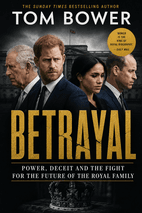
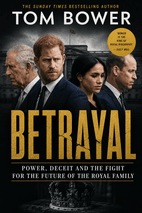
Tom Bower's Betrayal is a meticulously detailed investigative account of the Duke and Duchess of Sussex's fractious departure from the Royal Family, exposing the collapse of their charitable ventures, business deals, and public standing through interviews and financial records. Written for readers seeking a critical, evidence-based counter-narrative to the couple's own story.
Feature
Insta.Page
Blinkist
Shortform
Summary Depth
Full Chapter-by-Chapter
15-min overview
Section-by-section guides
Audio Narration
✓
✓
✓
Visual Mindmaps
✓
✕
✕
AI Q&A
✓
✕
✕
Quizzes
✓
✕
✕
PDF Downloads
✓
✕
✓
Price
$89.99/yr
$146/yr (PRO)
$199/yr
*Competitor data last verified July 2026.
1 Page Summary
Tom Bower’s Betrayal is a meticulously detailed, investigative account of the Duke and Duchess of Sussex’s fractious departure from the Royal Family and their subsequent struggles to build a viable public and commercial life in California. The central thesis is that Meghan Markle, driven by a desire for global celebrity and commercial success, systematically encouraged Prince Harry to sever ties with his family and the institution of the monarchy, which the book portrays as a system that demands total submission to its rules. The narrative tracks the couple from their courtship and wedding through the “Megxit” negotiations, their multi-million-dollar deals with Netflix and Penguin Random House, and the publication of Harry’s memoir Spare, positioning their entire post-royal enterprise as a corrosive conflict between personal grievance and institutional duty.
The book is distinctive for its granular, almost forensic approach to the couple’s business dealings and internal conflicts, drawing on interviews with palace officials, charity executives, and former staff. Bower documents the collapse of Harry’s key charitable ventures, including the bitter governance dispute at Sentebale, the financial struggles of Archewell, and the repeated failures of Meghan’s lifestyle brand ventures, from the abandoned American Riviera Orchard to the rebranded As Ever. He also narrates the couple’s escalating legal battles with the British tabloid press and their increasingly strained relationships with other members of the royal family, painting a picture of two people trapped in a cycle of self-promotion that continually undermines their stated goals of privacy and service. The detail on the couple’s declining approval ratings, the behind-the-scenes friction at Netflix, and their social exclusion from elite events adds a layer of almost tragicomic reckoning to the narrative.
Written for readers fascinated by the modern royal saga and those who follow the couple’s public unraveling, Betrayal offers a deeply critical, contrarian perspective to the Sussexes’ own curated narrative. Bower’s approach will likely appeal to those seeking a hard-nosed, evidence-based examination of the couple’s legacy, filled with specific names, dates, and financial figures that place their claims of victimhood and poverty under scrutiny. The intended audience is anyone wanting to understand the structural and personal forces behind the most public family rupture in recent royal history, and what readers gain is a comprehensive, if unflattering, chronicle of how two people’s pursuit of autonomy and fame collided with the very institutions and expectations they sought to escape.
Prologue
Overview
The enduring question is whether a scandal-plagued royal couple will finally prosper or unravel, as their carefully staged public life meets an uncertain future. Neither their supporters nor their critics can predict how it will end, leaving the stakes impossibly high.
The global fascination with the Duke and Duchess of Sussex does not spring from sympathy for them or from the criticism they provoke. It comes from a widespread curiosity about whether they will thrive or merely survive, and their admirers and critics alike focus on the final outcome. Divorce, debt and disaster are the constant predictions for their future, and many gloat that Prince Harry no longer serves as the Royal Family's spare but has become Meghan's accessory instead. In an interview for Harper's Bazaar's Christmas 2025 issue, Meghan appeared to revel in Harry's devoted attachment to her.
Since the couple moved to California in 2020, commentators have predicted the marriage would collapse. Harry, so the theory went, would tire of the sea and sunshine and long for his British roots, his family and the friends he left behind; others forecast that Meghan would grow bored with him and find a Silicon Valley billionaire to supply the wealth and status she craves. The evidence so far suggests the doom-mongers are wrong, but the speculation continues weekly, driven by the Sussexes' relentless pursuit of publicity.
Meghan's controlled narrative
Hardly a day passes without Meghan posting photos, videos and comments on social media. To establish herself as a glamorous icon, she appears at venues across America to talk about motherhood, building a business and coping with fame. At key moments she grants an interview to a supposedly trusted writer, offering little that is new, yet every word is examined by "Sussexologists" for revelations and fresh insights. By strictly controlling her narrative, she has created mystery around an exceptional phenomenon. A little-known B-list actress married a prince, then turned her global fame into a profitable rebellion against the monarchy.
Harry, meanwhile, has increasingly struggled to protect his princely status. Having little original to offer, he has refused to acknowledge the harm caused by Spare, his bestselling autobiography, and by his subversive television interviews. Exploiting his birthright, he is celebrated when promoting a charity but criticised when he uses his name to command an extremely handsome fee.
The brothers' rupture
The author's earlier book, Revenge, exposed the truth about Meghan's past: how she discarded her family, friends and others to become famous, and manipulated past events to rewrite her history. The climax of her "truth" was her 2021 interview with Oprah Winfrey. Since then, she has appeared to separate herself from Harry except when a joint appearance would boost her publicity. Her self-promotion as Her Royal Highness, the Duchess of Sussex, has become more sophisticated. Entrenched in California, her bid for commercial success rests on a version of the truth that others would say bears little resemblance to objective facts, and no humiliation or criticism has crippled her ambition.
Harry's troubles have mounted. Isolated from Britain, his charitable activities have become threadbare and his desperation noticeable to many. Permanently alienated from William and Kate, Harry was reportedly stunned by William's ferocious reaction to the news about Andrew Mountbatten-Windsor's relationship with the convicted paedophile Jeffrey Epstein. Leaning on his ailing father, William ensured that the King removed from Andrew his titles, honours and stately home. The shocking humiliation of Andrew shocked Harry, who rightly fears that the future King William could strip the Sussexes of their titles and bar him from Britain. Whether Meghan understands the potential consequences of deliberately aggravating the Prince and Princess of Wales remains to be seen.
A crossroads for the monarchy
With the Royal Family weakened by scandal and sickness, the Sussexes and the British monarchy stand at a crossroads. The dramatic events of the past five years and new disclosures about their lives before "Megxit" justify a fresh, in-depth look at Meghan, Harry and the Royal Family. In many ways, 2026 will be a decisive year for them all, and this account begins in September 2022, during the momentous week of Queen Elizabeth II's death.
Key Takeaways
The Sussexes' hold on public attention rests not on sympathy or censure but on a shared question: whether they end in triumph or disaster, with debt, divorce, and downfall still the standard forecasts.
Meghan's public identity is a deliberate construction: tightly managed interviews, relentless social media, and selective access to friendly writers keep her story mysterious while her account of events drifts far from objective fact.
Harry has become the exposed half of the partnership, his charitable work hollowed out, his princely standing fading, and his refusal to reckon with the consequences of Spare leaving him defenseless against his brother's future authority.
William's stripping of Andrew's titles and honours over the Epstein connection signals that the coming monarch will not shrink from punishing royal family members, making the Sussexes' continued privileges precarious.
With the monarchy weakened by scandal and illness, 2026 is the year the couple's fate and the monarchy's direction will be decided, beginning with the upheaval of Queen Elizabeth II's death.
Key concepts: Prologue
Prologue
The Global Fascination
Curiosity about whether Sussexes will thrive or unravel
Divorce, debt, disaster are constant predictions
Harry seen as Meghan's accessory, not royal spare
Doom-mongers wrong so far, speculation continues weekly
Meghan's Controlled Narrative
Relentless social media and curated interviews
Creates mystery around her rise from B-list actress
Exploits royal status for commercial success
Her version of truth drifts from objective facts
Harry's Struggles
Charitable work threadbare, desperation noticeable
Refuses to acknowledge harm from Spare and interviews
Exploits birthright for fees, criticized for it
Isolated from Britain and alienated from William
The Brothers' Rupture
William stripped Andrew's titles over Epstein link
Harry fears William could punish Sussexes similarly
Meghan may not grasp consequences of aggravating Wales
Oprah interview climax of Meghan's rewritten history
A Crossroads for the Monarchy
Royal Family weakened by scandal and sickness
2026 decisive year for Sussexes and monarchy
Account begins with Queen Elizabeth II's death
Future King William will not shrink from punishment
💡 Try clicking the AI chat button to ask questions about this book!
1. Manchester, 5th September 2022
Overview
Booking a superstar for a cause-driven summit promises the spotlight that makes the event worthwhile, yet it guarantees the event may be hijacked by the star's agenda. The organizers have been burned before and are asked to trust an agreement that keeps breaking down. The problem is not securing the name but protecting the cause.
Meghan Markle's agreed speech in Manchester was never the one she gave. According to the book, Ella Robertson read the draft on the autocue and counted nearly fifty uses of "I" in ten minutes, concluding Meghan had wrecked it. The occasion was One Young World, the charity founded in London in 2010, which gathers young leaders annually in a different country to discuss global problems; on 5th September 2022 Meghan was booked to address 2,300 delegates.
The Robertsons, co-founder Kate and her daughter Ella, had been nervous about the invitation. Megxit still burned: Harry and Meghan had left Britain in March 2020, and their announced return had set off intense speculation. The Palace said the Queen would not see her grandson; Charles and William were also keeping their distance. With the Netflix documentary series and Harry's memoir due, the family no longer trusted either Sussex. Their three-stop trip was billed "Compassion in Action":
Manchester, for One Young World
Düsseldorf, to promote the 2023 Invictus Games
London, where Harry would host the WellChild awards
Older Britons were angry, while many young people idolised the couple as victims of a racist institution and an abusive father and brother. Ella Robertson called them "the most attention-grabbing couple in the world" and feared "explosions" that would steal focus from the conference. Chief of staff James Holt assured her nothing was coming up, omitting her podcast series and an interview with The Cut. One Young World paid return flights from Los Angeles for eleven people: five first-class, two business, four economy. Meghan had agreed to keep to gender equality, avoid herself, and wear nothing expensive.
Two earlier encounters
In 2014, when Meghan was little known, photographer Misan Harriman persuaded Kate Robertson to book her for Dublin, calling her "a hustler and a climber," always looking for a way in and up. By the Ottawa conference in September 2016 she had been secretly dating Harry for three months and had told publicist Gina Nelthorpe-Cowne she meant to marry him, whispering that with Harry beside her she could change the world. In Ottawa she demanded places in the official photographs with Justin Trudeau, Kofi Annan and Bob Geldof, insisted on parity with Emma Watson, worked her way into a Vanity Fair spread on exceptional young leaders and checked her VVIP billing. Failing to get top billing, she announced she was needed on the Suits set and departed without giving her listed speech, leaving her publicist tearful.
The 2019 summit
Despite that, Ella Robertson invited her back to the Royal Albert Hall on 22nd October 2019, when the newly married Duchess was certain to be a draw. Negotiations were a nightmare: palace press secretary Jason Knauf demanded the charity play up Meghan's humanitarian credentials, and her office then gave contradictory answers, positive from Amy Pickerill, frosty from Beth Herlihy, encouraging from Sara Latham, frantic from senior adviser Samantha Cohen. Ella called it a vipers' nest. The Invictus Games office was no calmer; chief executive Don Reid reported Harry had no idea what was happening, and the cause was the Sussexes' breakdown with their staff.
Eventually Meghan agreed to appear. In return, One Young World funded a £200,000 scholarship for her to announce. Prince Charles then ordered her to cancel, fearing she would overshadow his official visit to Japan, and the compromise was a BBC-filmed round table on gender equality at Windsor Castle, chaired by Meghan with Harry as her "surprise guest." Five months after Archie's birth, Robertson found her "traumatised, shell-shocked and brittle." By then the press had named her Duchess Difficult, seventy-two female MPs had voiced solidarity with her, and Hillary Clinton and Michelle Obama had hailed her. Two weeks later the Sussexes left for Vancouver Island on a flight Harry described as "running like hell." Sara Latham's verdict on Megxit was that everyone had been had. The Robertsons concluded that Meghan had never led anything except her own image creation.
The 2022 media machine
Heading into Manchester, Meghan's career was run by media advisers. The inner team:
Beth Herlihy
Miranda Barbot, from Barack Obama's 2012 re-election campaign
Ashley Hansen, from Universal Pictures, who called herself the brain behind the Sussexes' PR strategy
Keleigh Thomas Morgan of the Los Angeles agency Sunshine Sachs
Hansen's team of four monitored every outlet daily, assuming tabloid hostility; Herlihy admitted the trolls were out in force. Meghan had spent years building an image as feminist, philanthropist and American mother, and before Manchester she tried to land a Vogue cover. Her control demands infuriated editor Edward Enninful, the plan collapsed, and she was excluded from his 2024 farewell portrait of forty "legendary" women.
5th September 2022
The timing was a high-wire act: Meghan was due on stage as the Conservatives announced Liz Truss as their new leader and next prime minister, and Hansen had negotiated a Sky News cut from Westminster to Meghan's entrance. The organisers' precautions:
Protesters kept out by tight scrutiny of tickets
No spectators outside the hall
Journalists excluded from the hall entirely
Only author Omid Scobie and photographer Misan Harriman got access; Harriman's pictures were reserved for Town & Country. Harriman, who had shot her Vogue cover and baby Archie photos, had heard nothing from her since; in her world, people were ignored until needed. An organiser dismissed Morgan as useless.
Security verged on paranoia. Harry complained he had been abandoned and that the Home Office refused armed protection in Manchester and London; Meghan insisted the appearance was essential to her brand, so Harry decided to risk assassination. Manchester police added cover; a whole rail carriage was reserved for the London journey. Charlotte Tilbury spent three hours on Meghan's makeup, finishing at the Kimpton Clocktower Hotel. At Bridgewater Hall they emerged onto an empty pavement as a van circled blaring "God Save the Queen" and a few booed; Harry said the protesters were tabloid plants. Herlihy refused the kitchen entrance.
The speech
Meghan took the stage in a red dress to a standing ovation, flashing a fixed Hollywood smile while Harry clapped with something close to a permanent scowl. The advertised theme, ethical leadership and instilling transparency, honesty and integrity, was dropped. Instead she praised One Young World for seeing in her what she wanted to see in herself and spent ten minutes on her rise to fame. Ella Robertson's verdict: tone-deaf, unable to do what was asked, toxic, and certain to bring any host disappointment and an inevitable storm. The applause was polite. The Sussexes rushed to catch their train, leaving the impression that Britons and their institutions were irrelevant.
Aftermath
The next days were frantic. Encouraged by Harry to exploit the Royal Family's German popularity, Invictus executives arranged a Luftwaffe jet from RAF Northolt to Düsseldorf, where police escorted the couple to a red-carpet greeting from Mayor Stephan Keller. Harry, happy to be feted, agreed to interviews. At the WellChild awards in London he was the genuinely friendly prince, warm with children and parents, before returning to Frogmore Cottage.
Harry had been kept ignorant of events in Scotland. On the night of 7th September 2022, the Queen's private secretary Edward Young was close to the 96-year-old sovereign at Balmoral; the book reports that bone marrow cancer had taken its toll, and Princess Anne was at her mother's bedside. Prince Charles was hosting a dinner 150 miles away at Dumfries House. Operation London Bridge, the machinery of funeral and succession, was running. The morning would reveal to Harry and Meghan the true depth of the Royal Family's distrust.
Key Takeaways
Meghan's Manchester appearance was self-promotion disguised as philanthropy: she replaced the agreed theme of ethical leadership with ten minutes of personal narrative, leaving the organisers with polite applause and a guaranteed scandal.
The security operation around the event, which kept out protesters, journalists and the public while letting in only the couple's chosen photographer and a friendly author, showed that the Sussexes' public appearances were treated as controlled media productions rather than opportunities for genuine engagement.
The Robertsons' experiences across three summits revealed a recurring pattern: Meghan used each One Young World platform to climb, from forcing herself into photographs with world leaders to abandoning a scheduled speech, so the Manchester failure was not an aberration but the latest expression of a decade-long strategy.
The couple's own staff and the royal household shared the same conviction that they had been misled or used, which explained why Harry was left uninformed about the events at Balmoral; his exclusion from the Queen's final hours was the family's verdict on the trust he had burned.
Key concepts: 1. Manchester, 5th September 2022
Manchester, 5th September 2022
The Core Conflict
Booking a star risks hijacking the cause
Meghan's speech had 50 uses of 'I'
Organizers feared her agenda overshadowing summit
Trust in agreement kept breaking down
The Sussexes' Reputation
Megxit burned bridges with royal family
Older Britons angry, youth idolized them
Netflix documentary and memoir pending
Ella Robertson called them 'attention-grabbing'
2014 & 2016 Encounters
Harriman called Meghan 'hustler and climber'
Secretly dating Harry by Ottawa 2016
Demanded photos with Trudeau, Annan, Geldof
Left Ottawa without giving listed speech
The 2019 Summit
Negotiations were a 'vipers' nest'
Charles forced cancellation, Windsor compromise
Robertson found her 'traumatised, brittle'
Press dubbed her 'Duchess Difficult'
Media Machine 2022
Inner team of four media advisers
Daily monitoring of every outlet
Vogue cover plan collapsed with Enninful
Excluded from 2024 farewell portrait
The Manchester Event
Liz Truss announcement coincided with speech
Sky News cut arranged for her entrance
Protesters and journalists excluded
Only Scobie and Harriman granted access
Costs & Precautions
Paid flights for eleven from LA
Five first-class, two business, four economy
Meghan agreed to avoid herself, wear nothing expensive
Harriman ignored until needed
2. Global Celebrity
Overview
A marriage into a hereditary institution depends on one person surrendering autonomy to a system that demands it. When the new member sees herself as the center of her own story and the institution as an obstacle rather than a given, every attempt at preparation collides with a will that refuses to bend.
The Courtship and the "Spare"
Meghan met Harry on a blind date in July 2016, arranged on her initiative while she was working at Wimbledon. Her role in Suits was ending and she was about to lose her Canadian boyfriend, Cory Vitiello; landing Harry transformed the life of a single, unemployed 34-year-old actress who had told her publicist she planned to freeze her eggs. Researching him, she found a confused man crying out for love, punished for his vulnerability. After their first meeting at Soho House she called him to arrange a second, then joined him at a safari camp in Botswana, where she absorbed his catalogue of woes.
Patience was what Harry valued most. His previous girlfriend, Cressida Bonas, had left him in 2014, exhausted by his conviction that spies watched him through every window and that he was a target to be shot. Meghan, by contrast, listened sympathetically to his paranoid fears, much repeated from his therapy, encouraging his certainty that anything he passionately believed must be true, objective facts disposable when inconvenient. The catchphrase generational trauma explained the victims' unmet emotional needs.
Within weeks their commitment was sealed. Harry saw Meghan as:
a surrogate mother
a homemaker
a confessor
a consigliera
a safety net
Within months, palace officials whispered that she had "found a meal ticket." Outraged, Harry blamed "the hierarchy of my family," saying the institution had controlled and imprisoned him for thirty years, offering no identity beyond the unloved "spare." He was too inarticulate to explain the royal hierarchy to Meghan.
Lessons in Constitutional Monarchy
Months before the wedding on 19 May 2018, the Palace worked to prepare Meghan. Though she told Oprah in 2021 that no one had explained royal life, senior courtiers had obeyed the Queen's orders to coach her for a constitutional monarchy. She was baptised and confirmed in a thirty-minute service at St James's Chapel Royal before the whole Royal Family, with Archbishop Justin Welby guiding her; few eyewitnesses thought she took the vows seriously.
Harry's private secretary, Edward Lane Fox, gave her a thirty-point dossier on royal life: the hundreds of patronages, from lifeboats to the Royal Opera House, and the family's role as the glue holding British society together. Some concluded she never read it. Samantha Cohen, appointed by the Queen, tried separately to explain the monarch's neutrality: the Queen's genius was to hide her beliefs by never revealing an opinion. Palace officials suspected these conversations passed Meghan by. Harry would later claim she "wasn't given one minute of training."
The Warnings
A senior member of the Establishment, fearing disaster, met Meghan monthly at Kensington Palace for ninety minutes. She dominated the relationship; Harry basked in it. "You're not just marrying Harry Windsor, you're marrying the British constitution," he said. She smiled. He warned of a life inside a bubble with fences, curtsying and constant surveillance, and much she could not do; her eyes glazed over. He raised the 1936 Abdication, when Edward VIII gave up the throne for the American divorcee Wallis Simpson, leaving the Windsors in a cul-de-sac. Meghan sympathised with the Duchess but would dictate her own terms. The official concluded she refused to be bound by British traditions and would leave if the rules did not change. He predicted a bumpy marriage, if it lasted.
Another official lamented that Meghan saw the Royal Family as celebrities sustained by a public willing to treat them like gods, and concluded she expected the same treatment for herself.
Family Baggage and the Wedding
Meghan became unpredictable at the mention of family. She admitted bringing baggage, with a difficult childhood and bad relations especially with her father, Thomas Markle, and showed no interest in building ties with Harry's family. Weeks before the ceremony she said she hoped her father would not attend. Officials noticed she had sidelined him: he received no invitation, no British embassy official offered help as one had for her mother, and Harry never tried to meet him in Los Angeles. When the media doorstepped the retired lighting technician at his home in Mexico, Meghan seemed to abandon him, with reason after he lied about staging photographs of his wedding preparations.
Officials concluded both sides had unrealistic expectations. Meghan refused restrictions; the Royal Family assumed she would slot into place. None understood that she was questioning a thousand years of history, and no one recalled a warning that the marriage must work because another Diana was unthinkable. Meghan later explained her stance: she was "done with the prove-it game," refused to be judged, and if the family could not see her, she had nothing to prove.
Meghan rejected royalty's mystique, seeing royals as super-celebrities and The Firm as a studio run by the Queen. She had no grasp of the Establishment's interlocking organisations, livery companies and committees, nor of courtiers fielding global calls asking what the Queen thought. The Queen's suspicions surfaced early: Meghan made her own arrangements, refused to discuss a dress the monarch found too white for a divorcee, and approached the Archbishop of Canterbury without consulting the Dean of Windsor. When the Queen reprimanded Harry, he insisted Meghan was being treated badly, baffled by any objection to behaviour like his own. Meghan, officials realised, was loyal to no one, not even the Queen. As Vogue's guest editor in September 2019 she left the monarch off her list of fifteen "Game Changers."
The Coat of Arms
Meghan's 45-minute visit to the College of Arms on Queen Victoria Street, home of heraldry since 1555, confirmed official fears. The Queen had ordered a coat of arms for the new Duchess, supervised by Thomas Woodcock, the Garter Principal King of Arms, whose salary, according to the book, was set in 1618 at £47. Woodcock's job was to prevent embarrassment, but Meghan, convinced she was a duchess in her own right, asked for a songbird with its tongue cut out. He was flummoxed; she settled for a nightingale, without the mutilation.
The Wedding and Aftermath
About 1 billion viewers, according to the book's account, watched William, as best man, chat warmly with Harry at the St George's Chapel altar, with no hint of their fractured relationship or of the tension as Prince Charles walked Meghan down the aisle. Few knew of the tears after Thomas Markle's heart attack kept him from flying to London; Meghan had feared her father would suddenly appear. Her solo entrance into the church struck many as a deliberate echo of Maria's wedding in The Sound of Music. Camilla was caught stifling laughter and Kate wore a stern look, but Meghan's open-carriage ride through Windsor was a triumph of Hollywood poise, and Black Britons who identified with her had come to see it. The £32 million day made her a global celebrity.
Guests who dissected the event with Kate were less impressed. Meghan filled the list with Hollywood celebrities she barely knew while excluding some of Harry's oldest friends from dinner; she seemed to dislike his rowdy English friends and their crude jokes, scoffing that on Fridays they "oiled their guns for the weekend," which officials read as a plan to return to California.
Within six months Meghan was irritated by the absence of gushing praise for her few duties. Kensington Palace was strait-laced next to Hollywood; she felt unrecognised and unrewarded, and the officials' early excitement had waned with her bolshiness. No one was more aggrieved by her subversion of royal tradition than William and Kate.
Key Takeaways
Harry sought in Meghan a listener who validated his paranoia, making her his confessor and protector before she became his wife.
The palace’s months of coaching were real, but Meghan’s celebrity lens made them indecipherable: she saw The Firm as a studio run by the Queen, not as a constitutional institution.
The coat of arms episode condensed the coming conflict: she wanted a duchess’s freedom to mark herself while ignoring the history and rituals that defined the role.
The wedding turned her into a global celebrity, and the absence of gushing praise for her few duties made the gap between her expectations and royal life unbearable.
Key concepts: 2. Global Celebrity
Global Celebrity
The Courtship and the 'Spare'
Meghan met Harry on blind date, July 2016
She saw him as confused man crying for love
Harry valued her patience with his paranoid fears
He saw her as surrogate mother, confessor, safety net
Institutional Conflict
Harry blamed 'hierarchy of my family' for imprisonment
He was too inarticulate to explain royal life
Palace whispered she 'found a meal ticket'
Meghan saw institution as obstacle, not given
Lessons in Constitutional Monarchy
Queen ordered coaching months before wedding
Thirty-point dossier on royal patronages given
Officials suspected she never read it
Harry later claimed she had no training
The Warnings
Senior official met Meghan monthly for 90 minutes
Warned: 'You're marrying the British constitution'
Raised 1936 Abdication as cautionary tale
Predicted she'd leave if rules didn't change
Family Baggage
Meghan admitted difficult childhood, bad father relations
She sidelined father Thomas Markle before wedding
Showed no interest in building ties with Harry's family
She was 'done with the prove-it game'
The Wedding and Unrealistic Expectations
Wedding held 19 May 2018
Both sides had unrealistic expectations
Meghan refused restrictions; family assumed she'd slot in
No one recalled warning about another Diana
Meghan's Self-Perception
Saw Royal Family as celebrities sustained by public
Expected same treatment for herself
Refused to be judged or bound by traditions
Questioned a thousand years of history
3. The Tea Party
Overview
When two worlds with opposite rules of warmth and hierarchy collide, even small gestures can become acts of war. A formal tea intended to reconcile brothers and their wives only exposes how deeply each side misreads the other, leaving no shared language to bridge the gap.
In June 2018, shortly after the Sussexes returned from their honeymoon, Harry and Meghan arrived at the Cambridges' newly redecorated twenty-room Kensington Palace apartment for a reconciliation tea. The formal atmosphere did nothing to hide the tension. Before long, Meghan was telling William to "get your finger out of my face."
Two Worlds Collide
The conflict had built since before the engagement. William had warned Harry that the relationship was moving too fast, calling Meghan "the American actress," and Kate's suspicion matched his own. Harry was convinced Kate saw Meghan as a threat: clever, stylish and plainly unwilling to serve as an obedient member of the royal team. Meghan later told the tennis champion Serena Williams that the Royal Family "hates" ambition.
Money sharpened the antagonism. Palace officials had noticed Meghan's shock, before the engagement was announced, at how little the royals received in income and perks. She had expected marriage to turn a starlet into a star. Instead, Harry's allowance was smaller than the earnings of a Hollywood B-movie actor.
The styles clashed too. Kate disapproved of Meghan's torn jeans at Wimbledon, and Meghan recalled Kate's visible "disgust" when she asked to share her lip gloss. Meghan described herself as a hugger who had not realized how jarring that was for many Brits. Harry saw his wife spreading kindness while the Cambridges responded with spite. Meghan found Kate boring, dismissed William as a man who had cried himself to sleep at Eton, and believed the Cambridges envied her career just as the family had once envied Diana's. She laughed off Charles's suggestion that she keep acting; Hollywood had already rejected her. After two years in London she still had not grasped that the Royal Family was a job, a life of duty and self-sacrifice without pay.
The Rules of the Palace
Meghan resented the inflexible hierarchy in which birth decided seniority. She mocked the protocol that made even relatives curtsy to one another in private, unable to see that the gesture preserved the royals' aura, and ridiculed Harry's bowed greeting to the Queen: "Your Majesty. Granny!" Her refusal to curtsy to Kate rested on the same certainty: her talent and popularity proved her superiority. She seemed to regard Kate as an untalented prude who owed her respect, and some concluded she saw herself as a more fitting future Queen. Kate, in response, hired the former Vogue editor and stylist Virginia Chadwyck-Healey and adopted a younger haircut and new wardrobe.
The Cambridges knew Harry's history: a damaged youth shaped by drink, drugs and therapy after his mother's death, and an inability to sustain a relationship with a woman. They saw Meghan as a threat, not an ally, and believed she was not reconciled to her supporting role. With her encouragement, Harry stopped accepting his fate as the superfluous "spare" and began to move beyond Palace control.
There was also a linguistic problem. Meghan's literal, unequivocal style collided with the British habit of registering disapproval through coded questions like "Are you really going to?" A senior Buckingham Palace official observed that Meghan could not understand that ordinary language does not work with the Royal Family: everything is spoken in code. She quarrelled with her aides over accepting free clothes and cosmetics and over their veto of her controversial opinions. Her Kensington Palace staff, including Samantha Cohen and Amy Pickerill, called her behaviour passively aggressive and manipulative. Urged to be less strident, she answered, "It's not my job to coddle people." Even the Queen was disturbed by reports that Meghan spoke to staff in a harsh, boss-like manner.
The Dress That Broke Them
At the tea party, the strained small talk gave way to Meghan's list of grievances:
Kate's unhappiness that the Sussexes had not given her children Easter presents
Meghan's claim to superior fashion expertise
Princess Charlotte's bridesmaid dress
The dress had become the lightning rod. The Givenchy designer Clare Waight Keller had produced a poorly fitting wedding dress for Meghan, and the bridesmaids' dresses were just as baggy. Charlotte, then three, burst into tears at her fitting. A palace staffer summoned the West End tailor Ajay Mirpuri, who found the dress ill-fitting and in need of recutting.
The text messages between them showed the depth of the antipathy. Meghan wrote that the tailor had been standing by at Kensington Palace since 8 a.m. and asked Kate to bring Charlotte for an alteration, as the other mothers were doing. Kate replied that all the dresses needed to be remade. At the refitting, three weeks after giving birth to Louis, the 36-year-old Kate was emotionally fragile and broke down in tears, not only over the dress but over numerous complaints about Meghan's treatment of her staff. She still made a peace offering, delivering flowers to Meghan.
The Reckoning
Meghan abruptly blamed the conflict on Kate's hormones. Kate, wide-eyed, said they were not close enough for Meghan to speak about her hormones. Meghan called it no big deal, "baby brain." William, jabbing a finger at her face, called it rude and said that was not how things were done here. Her Californian babble had irritated him. He demanded an apology to Kate and delivered a further blow: Meghan, he said, was "a difficult person" who had made "enemies of half the staff." Harry insisted the problem was William parroting media lies about Meghan's childhood and her divorced parents, a fire fed by Thomas Markle's frequent media attacks on his daughter.
Harry's anger stretched beyond the argument. He wanted revenge, not only for the attacks on his wife but for a lifetime of torment, and he believed the Cambridges' negativity infected the family and the media. He lived, in his view, in a palace of lies. He saw Kate as cool, competitive and ambitious, someone who had spotted Meghan as a challenger, feared Meghan's edge in style and modernity, and spurned her offer of friendship. He resented the media's glorification of Kate, a beautifully dressed idol made by Buckingham Palace's communications team, and he adopted the novelist Hilary Mantel's description of Kate as a "plastic princess." He even hinted that William's marriage was duty, not love. Meghan herself, beyond the publicist Isabel May and Soho House's Markus Anderson, had forged no sincere friendships with Brits.
The Point of No Return
Entering the Cambridges' apartment had reawakened Harry's sense of inferiority. The Sussexes lived in two-bedroom Nottingham Cottage, with inadequate heating and famously no ice-maker, which Meghan condemned as "soooo small." The Cambridges' drawing room, hung with a seventeenth-century Dutch painting, The Negro Page, showing a young Black man holding a white man's horse, stood in stark contrast. Harry's rivalry with William reached back to childhood fights and a smaller bedroom, and resented his brother for failing to persuade their father to give him more money, a better home and a role in the state. A senior courtier's view was that Harry should have "sucked the lemon": accepted the bitter reality of his role as the spare and solved his own predicament.
That afternoon the couples parted on bad terms. They had crossed the Rubicon, and the split between the brothers was sealed. Back at Nottingham Cottage, Meghan and Harry were distraught. Meghan's outlook toward her new family hardened. She hated people who refused to recognize her importance and wished to destroy those standing in her way to stardom.
Key Takeaways
The Sussexes' conflict with the Cambridges was a collision of two incompatible definitions of the monarchy: Meghan saw it as a stage that should reward talent and fame, while the palace runs on birth-determined rank, unpaid duty and coded speech.
Meghan's refusal to curtsy and her ridicule of royal forms of address were not breaches of etiquette but assertions that her popularity and career outweighed the hierarchy that ranked Kate above her, the one thing the institution could never concede.
The quarrel over Charlotte's dress was the occasion, not the cause; by the refitting each woman had a settled inventory of the other's offenses, and when William repeated the staff's verdict that Meghan was a difficult person while she blamed Kate's "baby brain," the mutual diagnosis became the feud itself.
For Harry, the tea was not a peace overture but a return to the childhood contest with William; the contrast between the Cambridges' grand apartment and his own cold cottage revived his grievance at being the spare, and his refusal to "suck the lemon" made the brothers' estrangement final.
Key concepts: 3. The Tea Party
The Tea Party
Two Worlds Collide
William warned Harry about Meghan, calling her 'the American actress'
Money: Meghan shocked by royals' modest income
Style clashes: torn jeans, lip gloss, hugging
Meghan saw Cambridges as envious of her career
The Rules of the Palace
Meghan resented hierarchy and curtsy protocol
She mocked royal code and bowed greetings
Kate responded by hiring stylist, changing look
Cambridges saw Meghan as threat to Harry's stability
The Language Barrier
Meghan's literal style clashed with British coded speech
She couldn't grasp that royals speak in code
Staff found her passively aggressive and manipulative
Queen disturbed by reports of harsh treatment
The Dress That Broke Them
Bridesmaid dresses ill-fitting, Charlotte cried at fitting
Tailor summoned; Meghan texted Kate to bring Charlotte
Kate, postpartum, broke down at refitting
Kate made peace offering with flowers
The Reckoning
Meghan blamed conflict on Kate's hormones
William jabbed finger, demanded apology
William called Meghan 'difficult' with staff enemies
Harry blamed media lies and Thomas Markle's attacks
The Tea Party Itself
June 2018 reconciliation tea at Kensington Palace
Formal atmosphere failed to hide tension
Meghan told William to 'get your finger out of my face'
Roots of Antagonism
Kate saw Meghan as threat to royal team
Meghan dismissed Kate as boring, William as weak
Harry saw wife's kindness met with spite
Meghan never understood royalty as unpaid duty
You've reached the end of the free chapters
Next chapter: “William and Harry” is locked
Keep reading Betrayal — and unlock all 600+ book summaries with audio, mindmaps and AI Q&A.
$0.00 due today · 7 days free, then $89.99/year ($7.49/mo) · Cancel anytime before day 7
Tom Bower is a British investigative author and journalist renowned for his unauthorized biographies of powerful figures in business and politics, including Bernie Ecclestone, Robert Maxwell, and Simon Cowell. His expertise lies in rigorous, often controversial exposés of the elite, with notable works like "Rebel Prince" and "The House of Beckham" that have frequently sparked headline-grabbing revelations. He is also a former BBC and Times correspondent known for his relentless research and combative style.
Frequently Asked Questions about Betrayal
What is Betrayal about?
This critical exposé chronicles Prince Harry and Meghan Markle's journey after leaving the British royal family, detailing their lucrative Netflix and Spotify deals, the memoir Spare, and their escalating legal battles with the press. It follows the collapse of their charitable ventures, including Sentebale and Archewell, and the widening gap between their carefully crafted public image and their private conduct, from the controversial 'Megxit' negotiations to their falling approval ratings and internal disputes.
Who is the author of Betrayal?
Tom Bower is a seasoned British investigative journalist and prolific author known for unauthorized biographies of powerful figures, from Robert Maxwell to Bernie Ecclestone. His works often challenge the public narratives of celebrities and institutions, and this book continues that pattern with a hard-hitting look at royal life and the Sussexes' business ventures.
Is Betrayal worth reading?
Yes, this is a compelling read for anyone fascinated by royal drama or the mechanics of celebrity branding. It offers a well-documented, contrarian perspective that systematically dismantles the Sussexes' self-presentation, revealing behind-the-scenes conflicts, failed projects, and governance scandals that have been absent from other accounts. Bower's investigative rigor makes it a definitive, controversial reference for understanding how their post-royal empire unraveled.
What are the key lessons from Betrayal?
The central lesson is that monetizing personal grievances and family conflicts can generate short-term attention but destroys long-term credibility and goodwill. Another takeaway is that a public image built on empathy and social change cannot survive when private decisions and business practices consistently contradict it, as seen in the charity governance failures and branded merchandise struggles. The book also underscores the dangers of surrounding oneself with sycophants, which leads to poor judgment, accountability gaps, and eventual public backlash. Finally, it shows that without a clear, authentic mission beyond fame, even massive contracts and relentless publicity cannot sustain a successful brand.
📚 Explore Our Book Summary Library
Discover more insightful book summaries from our collection