As an Amazon Associate, we earn from qualifying purchases.
⚠️ READER ADVISORY: This is a deep-dive summary designed for those who want the full story. Contains spoilers.
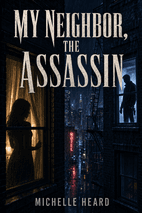
What is the book My Neighbor, the Assassin about?
Michelle Heard's My Neighbor, the Assassin follows Rowan, a man raised for violence trying to leave that life behind, and Owen, a trained operative attempting an ordinary existence behind a bar, whose fragile calm unravels when Annie grows curious about the secrets around him. A tense romantic suspense tale for readers drawn to morally complicated characters and slow-burn danger.
Feature
Insta.Page
Blinkist
Shortform
My Neighbor, the Assassin
✓
✕
✕
Summary Depth
Full Chapter-by-Chapter
15-min overview
Section-by-section guides
Audio Narration
✓
✓
✓
Full access to all 700+ summaries
✓
✓
✓
Visual Mindmaps
✓
✕
✕
AI Q&A
✓
✕
✕
Missing a book? Request it, usually live within 48h
✓
✕
✕
Quizzes
✓
✕
✕
PDF Downloads
✓
✕
✓
Send to Kindle
✓
✓
✓
Price
$89.99/yr
$146/yr (PRO)
$199/yr
*Competitor data last verified July 2026.
1 Page Summary
Rowan is a man built for violence who has decided he wants out—but the people who made him aren't willing to let him go. When a confrontation at Bastien's club ends with guards on the floor and Bastien changing tactics rather than surrendering, Rowan finds himself handed a job he can't refuse: a killing. Meanwhile, Owen, a man trained for controlled brutality, takes a quiet place behind a bar, determined to prove he can endure an ordinary life. The noise and crush of a Friday night crowd nearly undo him more thoroughly than any threat he was trained to face, and the mask he's supposed to wear almost fails on the very first shift.
Annie notices. She wants to help him, and when she wraps her arms around him after an attack, Owen lets himself lean into the warmth—then pulls away, convinced his world will destroy her. His refusal lands hard, costing Annie whatever hope she'd been nursing, and the mixed signals only sharpen her need to understand him. Miles wants her to drop her questions entirely and threatens to fire Owen, but his stonewalling deepens her suspicion. The more everyone stonewalls, the more convinced Annie becomes that something is being hidden—and the closer she's drawn into a world of secrets, violence, and men who operate entirely off the books.
The story unfolds in a taut, intimate register, moving between brutal confrontations and the fragile, charged space between two people who keep insisting they can't have each other. It's a book for readers who like their romantic suspense with real teeth: a hero whose tenderness is inseparable from his capacity for violence, a heroine whose curiosity keeps pulling her deeper, and a world where the quiet life and the criminal one collide. Those who love slow-burn tension, morally complicated characters, and stakes that tighten with every chapter will find themselves turning pages fast.
Chapters 1-3
Rowan wants out. He is inside Bastien's club, and the guards at the door will not let him leave. The refusal is not a misunderstanding or a delay. It is a wall, and Rowan reads it as one. He has come to the end of the life Bastien built for him, and the men standing between him and the street are the physical form of that life refusing to release him. The confrontation turns physical fast: Rowan beats the guards down, and the violence is enough to force Bastien to call off the confrontation. The guards are not a fair fight and Rowan does not treat them as one. He puts them down with the speed and finality of a man who has done this work before and knows that hesitation is its own kind of death. The noise and the damage carry a message, and the message reaches Bastien. Bastien backs down, but he does not let Rowan walk away clean. Backing down is not surrender for a man like Bastien. It is a change of tactics. He has a job in mind, and the job is a killing. Bastien wants Iosef Nikitin dead, and he assigns the hit to Rowan, expecting it done quickly. The assignment is the price of the moment, and Rowan understands the trap closing around him. He walked in wanting to leave, and he is walking out carrying a murder on his back. The violence bought him nothing but a different set of chains, and Bastien knows it. The hit is not a request. It is the cost of the door opening at all, and Rowan sees the shape of it clearly: refuse, and the guards and the club and the whole apparatus come back down on him. Accept, and he belongs to Bastien for one more job, one more death, one more piece of himself spent.
Then Rowan sees the girl beside Bastien. She is terrified, and something in him refuses to leave her there. The fear on her is not the ordinary fear of a stranger caught in a room where violence just happened. It is the fear of someone who lives inside this, who knows what Bastien is and what he does, and who has no power to stop any of it. Rowan looks at her and the calculation of the hit changes. He wants to save her, so he demands her as payment for the hit. The demand is not strategic. It is not leverage. It is the one thing in the room he cannot walk past, and he spends the only currency he has in front of Bastien, which is his willingness to do the job. The demand costs him: he gives up five hundred thousand dollars to make the trade. The money is the price Bastien sets for letting her go, and Rowan pays it without haggling, because haggling would mean treating her as a thing to be valued rather than a person to be removed from that room. Bastien wants Iosef dead by the end of the week, so he shoves the girl at Rowan and accepts the deal. The shove is contempt, and it is also a signature. Bastien is saying that the girl means nothing to him and that Rowan has just made himself responsible for her. The bargain is struck on Bastien's terms and Rowan's money, and Rowan walks out with the girl and a deadline hanging over him. He has less money, more obligation, and a week to kill a man he has not yet begun to hunt. The girl is beside him, and she is now his problem in every sense Bastien intended.
Rowan wants to protect Lily from exposure, so he buys her a plain dress. The dress is not a gift. It is camouflage. Whatever she was wearing when he took her out of that club marked her as someone who belonged to Bastien's world, and Rowan needs her to look like no one at all, a girl in ordinary clothes on an ordinary street. At the store, the cashier looks at her in a way Rowan does not tolerate, and Rowan threatens the cashier. The look is the kind of look that strips a person down and files them away, and Rowan sees it land on Lily and reacts before he decides to. The threat is a small, sharp thing, but it shows how tightly wound he is and how far he will go to keep Lily from being seen, judged, or remembered. He is not only hiding her from Bastien's world; he is managing every pair of eyes that lands on her. Every glance is a possible leak, every stranger a possible witness, and Rowan's nerves are stretched so tight that a cashier's curiosity is enough to draw a threat. The scene is small, but it establishes the temperature of the man. He is not calm. He is holding himself together with rules and violence, and the rules are already slipping.
Rowan wants to return Lily safely, so he calls her mother. The call is the first step in undoing the damage of the night, and it is deliberate. He does not keep her, does not use her, does not treat her as a piece of the bargain to be spent later. He leaves Lily at a McDonald's with his phone, a public place where she can be found and collected. The choice of place is the point. It is bright, crowded, ordinary, and safe in the way that public places are safe, full of witnesses and exits and people who would notice a girl alone. The handoff is deliberate and unsentimental on the surface, but it is the act of a man trying to undo one piece of damage before he does anything else. He gives her his phone so she can call, so her mother can reach her, so the thread between Lily and her life is reconnected. Then he walks away. Lily is out of his hands, and Rowan is left with the hit, the money he spent, and the life he is trying to climb out of. The girl is safe, or as safe as he can make her, and Rowan is alone again with a deadline and a name: Iosef Nikitin.
The Surrender
Rowan wants to end Bastien's crimes and his own life as an assassin, so he walks into the FBI building and surrenders. The decision is total. He does not run, and he does not try to bargain from a position of secrecy. He walks through the front door of the institution that exists to put men like him away, and he offers himself to it. The surrender is not a collapse. It is a choice made at the end of a long calculation, the only move left that does not end with him still owned by the Bratva. He puts himself in the hands of the people who can put him away, because that is the only route he can see to breaking the hold the Bratva has on him. Prison is a risk. Staying free inside Bastien's world is a certainty, and certainty is worse.
The FBI wants Rowan's cooperation, so they take him into custody. Custody is the first move, and later they make a deal: a new identity. The deal is the hinge of everything that follows. It is not mercy and it is not trust. It is an exchange, and both sides know the terms. Rowan wants freedom from the Bratva, so he gives up Bastien and the Nikitins. He hands over the names and the structure and the connections, and in doing so he makes himself a traitor in the only world he has ever belonged to. He submits to interviews about his hits, one by one, laying out the work he did and the people he did it for. The interviews are the price of the new identity, and Rowan pays it. Each interview is a confession and a betrayal at once, and each one strips away a piece of the life he is trying to leave. He does not soften the account. He gives them the hits as they happened, and the giving is the point. The FBI gets a case. Rowan gets a door out, and the door is paid for in the only currency he has left, which is everything he knows.
Marshal Laufer wants Rowan hidden, so he gives him the identity Owen Casey and moves him to Portland. The name is plain, the city is far from the world Rowan came from, and the move is meant to make him disappear into ordinary life. Laufer is not interested in Rowan's comfort. He is interested in Rowan's survival, because a dead witness is a failed case, and the identity is a tool for keeping him alive. Portland is chosen for distance and for ordinariness, a place where a man can be nobody and where nobody has a reason to look. Rowan becomes Owen Casey, and the marshals arrange the scaffolding of a normal existence for him. The job, the apartment, the lease, the paperwork: all of it is built for him, and all of it is a costume. He is not becoming a new man. He is being fitted for one, and the fit is close enough to pass.
A New Apartment, a New Name
Owen wants to detect Bratva attacks, so he installs alarms, motion sensors, and cameras in his new apartment. The apartment is not a home yet; it is a position to be defended. Every device is a small answer to the fear that someone from the old life will find him. He mounts the sensors where they will catch a door opening, a window lifting, a foot crossing a threshold. He sets the cameras to cover the angles a man would use if he came in quietly. He is not decorating a life. He is building a perimeter. The work is methodical and it calms him, because it is the one kind of work he understands completely. The apartment has a door and windows and walls, and Owen turns each of them into a question that an intruder would have to answer.
Owen wants a legal fresh start, so he accepts the bartender job and the lease arranged by the marshals. The job and the lease are the shape of the identity they have given him, and he takes them without resistance. He does not argue about the work or the rent or the neighborhood. He signs what is put in front of him and takes the keys. The legal surface matters to him. It is the difference between the life he had and the life he is trying to hold onto. A lease with his new name on it, a job with his new name on the schedule: these are small proofs that Owen Casey exists, and Owen Casey is the only person who can keep Rowan alive. The paperwork is not bureaucracy to him. It is cover, and cover is survival.
Owen wants to understand his new neighbor, so he watches Annie through the peephole and memorizes her appearance. The watching is careful and quiet, the habit of a man who reads people for a living and cannot stop. He notes her height and her hair and the way she carries herself, and he files it all away without deciding what it means. He takes in her look and files it away, and the peephole becomes his first point of contact with the world outside his door. He does not introduce himself. He does not knock. He watches, because watching is safe and because a neighbor is a variable, and variables have to be understood before they can be trusted or avoided.
Annie wants to escape the man following her, so she rushes upstairs and locks herself in her apartment. She is frightened and moving fast, and the locked door is the only barrier she has. The man is behind her on the stairs, and she does not look back long enough to see his face clearly, because looking back costs time and time is the only thing she has. She gets inside and throws the lock and stands there with her heart going, and the door is thin but it is closed. Owen sees the pursuit from his side of the peephole, and the ordinary hallway becomes a place where something is wrong. He watches Annie run and he watches the man follow, and the hallway stops being a hallway and becomes a scene with a threat in it.
Owen wants to assess the threat, so he studies the tattooed ex-con following Annie. He reads the man the way he reads everyone, weighing the tattoo, the walk, the intent, and he dismisses him as not yet dangerous. The tattoo marks him as someone with a past, and the walk tells Owen how the man uses his body, and the intent tells Owen what the man wants. The judgment is cold and professional. Owen is not intervening. He is measuring, and the measurement says the man is a problem to watch rather than a problem to stop. The distinction matters. Owen has spent his life deciding when violence is necessary, and the decision now is that it is not necessary yet. He files the man away the way he filed Annie away, and he keeps watching.
Owen wants to secure his new life, so he finishes setting up his security app and plans his final escape route. The app is the last piece of the system, and the escape route is the last piece of the plan.
💡 Try clicking the AI chat button to ask questions about this book!
Chapters 4-6
The Weight of the Mask
Owen takes his place behind the bar for his first real shift, determined to prove he can endure it. The determination matters because everything that follows depends on whether he can hold this position, and the shift itself becomes the first real test of whether the quiet life he has been placed into can actually hold him. The noise hits him first, a wall of sound from the crowd pressing in, glasses clinking, voices overlapping, the jukebox bleeding through it all. He tries to hold the line, but the sensory overload builds until it overwhelms him completely. He shuts down, checking out behind his own eyes, going through the motions while something inside him retreats. The vulnerability of it is total. He is exposed and barely holding on, a man trained for violence trying to survive a Friday night crowd. The consequence is that the mask he is supposed to wear nearly fails on the very first night, and the man who was built for controlled violence discovers that an ordinary bar crowd can undo him more thoroughly than any threat he was trained to face.
Annie notices. She wants to help him, so she offers him a break and leads him out to the alley behind the bar. The cool air and quiet are a mercy, and her kindness, offered without pity, cracks his defenses in a way the noise never could. Something unfamiliar stirs in him as he looks at her, an instinct to protect her that he does not expect and cannot place. It unsettles him as much as it steadies him. The consequence is that Annie becomes the first person in his new life to see him struggling and respond with care rather than suspicion, and that response plants something in him that his training never prepared him to defend against.
The Marshal's Leash
Outside the bar, Marshal Laufer is waiting. He wants to verify that Owen is maintaining his cover, so he quizzes him on the details, checking the story the way a man checks a lock. Owen answers, but the marshal's warning is clear and cold: stay buried, stay forgettable. The leash tightens around Owen's new life, a reminder that the quiet existence he is building sits on borrowed ground. Every friendly face inside the bar is a risk, and the marshal makes sure Owen feels the weight of that. The consequence is that the warmth Owen just felt in the alley is immediately shadowed by the reminder that none of it is truly his, and that the people he is beginning to care about are, from the marshal's perspective, liabilities rather than relationships.
Owen returns to the bar wanting to prove he can blend in. He recites his cover story to the patrons, the words practiced and smooth, and with each telling he commits harder to the Owen Casey identity. Rowan sinks deeper, buried under the easy smile and the small talk. The performance is working. That is the point. That is also the danger. The consequence is that the lie grows more convincing with every repetition, which means the man underneath grows harder to reach, and the distance between who Owen is pretending to be and who Rowan actually is becomes the very thing that could get someone hurt.
A Wager and a Smile
Vanessa wants to break through Owen's tough exterior. She wagers a week without flirting for one genuine smile from him, a bet that turns the bar's attention on him. Owen complies, and for a moment his guard drops. The smile is real, and it changes the room. But it is Annie he turns to when he wants to acknowledge someone, and he gives her a full smile for the first time. Annie is stunned, flushed, knocked off balance by a warmth she did not expect and cannot hide. The consequence is that the bar witnesses the crack in Owen's armor, and Annie becomes the person he singles out, which turns a private flicker of feeling into something public and impossible to take back.
Vanessa sees it. Wanting to apologize for embarrassing Annie, she follows her to the alley and coaxes out the confession: Annie has a crush on Owen. The admission hangs in the alley air, tender and dangerous, given everything Annie does not know about the man behind the bar. The consequence is that Annie's feelings are now spoken aloud and witnessed, which makes them real in a way she can no longer dismiss, and it places Vanessa in the position of knowing a secret that the man at the center of it is trying to bury.
Harlan's Pass
Back inside, Harlan wants to flirt with Vanessa, so he makes a bold pass at her. The move is confident and clumsy all at once, and it leaves Vanessa momentarily speechless before she retreats, off balance in a way she rarely allows herself to be. The bar's social currents keep shifting, everyone circling everyone else. The consequence is that the easy rhythm of the bar is disrupted on yet another front, and Vanessa, who just extracted Annie's secret, is herself knocked off her footing, leaving the room's emotional geography more tangled than before.
The Crowd at the Door
Miles wants to keep the bar under capacity, so he orders Annie to guard the door. The problem is the crowd itself: a flood of women has arrived, all of them there to see Owen. The bar swells past its limits, and Annie stands at the door trying to hold back the tide. Then a large man wants to force his way in, and he shoves Annie into the wall. The impact is hard, and it triggers everything that follows. The consequence is that the crowd drawn by Owen's new celebrity becomes the mechanism that puts Annie in harm's way, and the shove is the spark that ignites the violence Owen has been trying all night to keep buried.
The Fight
Owen wants to neutralize the threat. What comes out of him is not Owen Casey but the assassin underneath, reflexes unleashed with brutal precision. He knocks out the intruder and his friends in a blur of controlled violence, and the bar watches a bartender become something else entirely. The consequence is that the mask is torn away in front of everyone, and the quiet identity the marshal demanded is shattered in a matter of seconds by the very skills that were supposed to stay hidden.
Annie wants to understand him, so she watches the fight, and what she realizes is that she trusts him. When a punch swings toward her, she does not flinch as he blocks it. Her body knows what her mind is still catching up to. The consequence is that Annie's trust is confirmed in the middle of the violence rather than destroyed by it, which binds her to Owen more tightly at the exact moment the rest of the room is learning to fear him.
A fighter wants to escalate the brawl, so he pulls a gun. Owen disarms him in a flash, the weapon scattering in pieces across the floor. The escalation is over before most of the room understands it happened. The consequence is that the fight crosses the line from a brawl into something potentially lethal, and Owen's speed becomes the only thing standing between the crowd and a shooting, which makes the danger of him and the necessity of him impossible to separate.
Talking Him Down
Miles wants to stop Owen from hurting anyone else. He shouts Owen's name, cutting through whatever mode Owen has dropped into, and talks him down. Then he clears the bar, emptying it to keep everyone safe from the man still standing behind the counter. The evacuation is chaos. Annie wants to help, so she herds people toward the door, but her glasses are smashed in the crush, leaving her half-blind and frightened in the middle of the panic. The consequence is that Miles becomes the one person who can reach Owen in the depths of the violence, and the bar empties not because the fight is over but because everyone now understands what Owen is capable of.
Owen wants to protect her. He pulls her against his chest and leads her away from the door, his calm grip steadying her trembling. In the wreckage of the bar, with the crowd scattering and the truth of what he is lying in pieces on the floor, he holds onto her, and she lets him. The consequence is that the first thing Owen does after the violence is reach for Annie, and the first thing Annie does is accept his protection, which locks them together in the aftermath before either of them has had time to think.
Owen wants to protect Annie after the fight, so he carries her out of the bar and toward her apartment. The decision costs him the distance he had been trying to keep, since his plan had been to stay away from her. The fight shreds that plan, and he knows it as he carries her. The consequence is that the resolve he carried into the night is already broken, and every step toward her apartment carries him further from the isolation he had decided was necessary.
Miles wants to contain the fallout from the fight, so he orders Harlan to clean up the mess and tells Owen to call Laufer. The bar's immediate crisis becomes a managed cleanup, with tasks assigned and people moving. Owen's own crisis is just beginning, but the room is handled. The consequence is that the practical machinery of the bar reasserts itself around the wreckage, and Owen is pushed toward the phone call that will force him to confront the scale of what he has done.
Owen wants Annie safe, so he carries her up the stairs and into her apartment. The closeness deepens his attraction and weakens his resolve with every step. He tells himself he is only making sure she is safe, but the excuse is thinner than it was an hour ago. The consequence is that the physical intimacy of carrying her becomes its own kind of undoing, and the justification he clings to grows more transparent with each flight of stairs.
Owen wants to retrieve Annie's glasses, so he enters her bedroom and sees her neat belongings. The room tells him she is intelligent and orderly, someone who keeps her life in place. The discovery unsettles him because it makes her more real, not less. The consequence is that Annie becomes a person with a life and a mind rather than just a kind face behind a bar, and that reality makes her far harder to walk away from.
Owen wants to suppress his desire, so he puts the glasses on Annie and leaves to call Laufer. The gesture is practical, almost tender, and it costs him the closeness he actually craves. He steps away from her before he can want more. The consequence is that Owen chooses distance at the exact moment closeness is available, and the small tenderness of the gesture makes the retreat more painful than a clean break would have been.
Owen wants to report the fight, so he calls Laufer and admits he lost control. Laufer tells him he took down six or eight men, and the number lands hard. Owen learns the scale of what he did, and it is worse than he thought. The consequence is that Owen's own account of the fight is dwarfed by the reality of it, and he is forced to see himself through the marshal's count rather than his own memory.
Laufer wants Owen to stay under control, so he warns him that he is too dangerous and must avoid killing. The warning turns Owen's night into a forced isolation, a reminder that he is something to be managed rather than trusted. Owen hears the fear behind the instruction. The consequence is that the one person with authority over Owen's new life treats him as a weapon rather than a man, and Owen is left with no one to turn to who is not afraid of him.
Laufer wants Owen to remember his leverage, so he threatens that he is the only thing standing between Owen and bad options. The words reinforce Owen's fear of being pulled out, of losing the thin place he occupies. The call leaves him with no illusion about his position. The consequence is that Owen's place in the bar is revealed as conditional and revocable, and the fear of losing it becomes another pressure pushing him toward the very attachments the marshal has warned him against.
Owen wants to end his feelings for Annie, so he decides to kill whatever is between them. The decision is a form of self-protection, but it costs him the hope of connection. He has just carried her home and seen her room, and now he resolves to cut the feeling off at the root. The consequence is that Owen's resolve is set directly against everything the night has built, and the decision to kill the feeling becomes the thing that makes the feeling harder to deny.
Annie wants to check Owen's injured hand, so she waits by his door and asks to clean it. The request is simple and stubborn, and it draws him back into her apartment. Owen wants to accept her care despite his decision, so he agrees to let Annie treat his hand. The plan shifts from avoidance to proximity, and he knows it. The consequence is that Owen's decision to cut off his feelings lasts only until Annie knocks on his door, and the care she offers pulls him back into the closeness he had just resolved to abandon.
Chapters 7-10
Owen stands in the aftermath of the attack wanting nothing more than comfort, and when Annie wraps her arms around him, he lets himself accept the hug. For a moment he allows himself to lean into her warmth, but the fear creeping through him is stronger than the relief. He pulls away because he believes his world will destroy her, and the thought of that destruction is unbearable. The embrace becomes a turning point not of closeness but of distance, as Owen chooses isolation over the risk of dragging Annie into the violence that surrounds him. The comfort he might have taken from her is refused in the name of protecting her, and the refusal costs him the one thing he wanted most in that moment.
The Workout
Wanting to regain control after the hug leaves him shaken, Owen throws himself into a brutal workout. He pushes his body to exhaustion, using the physical strain as a way to claw back some sense of command over himself. The effort is punishing, and it leaves him drained, but it is the only method he has for silencing the confusion and fear that the moment with Annie stirred up. The workout is not about fitness but about erasure, an attempt to burn away the feelings the embrace exposed until nothing is left but fatigue. It works only in the moment, and the relief it provides is temporary, because the confusion and fear are waiting on the other side of the exhaustion.
Miles at the Door
Hunger eventually pulls Owen from his self-imposed exertion, and he opens the door wanting food. Instead he finds Miles, and in the brief exchange that follows, Owen realizes something he did not expect: Annie is attracted to him. The discovery lands with weight, complicating everything he has been trying to keep at a distance. Miles's presence and the observation he brings shift the emotional terrain, making Owen aware that the connection he fears is not one-sided. What he had assumed was a one-way danger, his own pull toward Annie, turns out to be mutual, and that mutuality changes the stakes. If she is drawn to him too, then his distance is not protecting her from nothing; it is protecting her from something she may not want protection from, and the realization unsettles the justification he has been building.
Harlan's Confrontation
Annie wants to hide her attraction to Owen, but Harlan sees through her. He confronts her directly, and she denies that anything is going on between them. The denial is a shield, a way to protect herself and perhaps Owen too, but Harlan's confrontation makes it clear that her feelings are not as concealed as she would like. The tension between what Annie feels and what she is willing to admit becomes a pressure point in her relationships at the bar. Harlan's directness strips away the pretense she has been maintaining, and her denial, even as she offers it, sounds hollow to her own ears. The confrontation does not resolve anything; it simply makes visible the thing she has been trying to keep hidden, and that visibility changes how she carries herself in the space she shares with Owen.
The Invitation
Wanting to get closer to Owen despite everything, Annie invites him to the diner. She expects refusal, given how he pulled away from her before, so she is surprised when he accepts. The acceptance is a small victory, a crack in the wall Owen has built, and it gives Annie hope that she might reach him after all. The invitation and his agreement set the stage for a walk that will change the balance between them. Her expectation of refusal makes the acceptance land harder, because it suggests that Owen's pull away from her is not the whole story, that some part of him is still reaching back. The hope this gives her is cautious but real, and it carries her into the next moment with more courage than she had before she asked.
The Walk
Owen wants to protect Annie on the walk to the diner, so he moves her away from the street and places his hand on her lower back. The gesture is protective, guiding her to the safer side of the pavement, but it is also intimate, a physical connection that neither of them can ignore. The touch signals that Owen's concern for her safety is overriding his earlier determination to keep his distance. His body is acting on a care he has been trying to deny, and the hand on her lower back is a confession his words would never make. For Annie, the touch is proof that the wall he built is not as solid as it appears, and the walk becomes charged with the awareness that he is not as far from her as he has been pretending to be.
The Alley
Wanting Annie to truly understand the danger she is walking into by being near him, Owen pulls her into an alley and restrains her against the wall. The move is sudden and physical, a demonstration rather than a threat, but it forces Annie to confront the reality of what Owen is capable of and what his world entails. In the confined space, with her pinned against the wall, the tension between them spikes. The demonstration is meant to frighten her away, to show her the violence he carries, but it does not produce the distance he intends. Instead it produces proximity, and the proximity undoes the lesson he is trying to teach.
Owen wants Annie in that moment, and he loses control. The restraint becomes something else entirely as he moves to kiss her, the desire he has been fighting finally breaking through. But before anything can happen, a cop interrupts them, and the intrusion forces Owen to pull back. The interruption is a cold splash of reality, reminding them both that they are exposed, that the world outside the alley is watching, and that Owen's loss of control carries consequences. The near-kiss is the thing he has been dreading and wanting at once, and the cop's arrival does not so much prevent it as reveal how close he came to abandoning every resolution he made. The demonstration meant to warn Annie instead warned him, and the warning is that his restraint is thinner than he believed.
Rushing Home
Wanting Annie safe above all else, Owen rushes her home. He orders her to lock up and leaves her at her door, putting distance between them as quickly as he can. The urgency in his actions shows how badly the near-kiss and the cop's interruption have shaken him. He is not running from Annie so much as from what being near her makes him feel and do, and the danger he believes he represents. The rush home is a retreat disguised as protection, and the order to lock up is as much about locking him out as locking danger out. He leaves her at the door because staying would mean facing what almost happened, and facing it would mean admitting that his distance is not working.
Through the Door
Annie wants to reach Owen, so she speaks through the door after he has left her. She offers to help him adapt, trying to bridge the gap he has just created between them. Her words are an attempt to show him that he does not have to face his struggles alone, that she is willing to meet him where he is. The door remains a barrier, but her voice carries through it, refusing to let the connection die. She does not chase him or demand an explanation; she simply makes an offer and lets it stand, and the offer is a kind of patience that the moment requires. On the other side of the door, her voice is the thing he cannot shut out, and it follows him into the silence he tried to create.
Owen's Confession
On the other side of the door, Owen wants to understand his own feelings. He admits to himself that he is overwhelmed and considers calling Laufer to leave, to remove himself from the situation entirely. The temptation to run is strong, a familiar escape from the chaos of emotion Annie has stirred in him. But then he decides not to call Laufer despite the risk, choosing to stay near Annie rather than retreat. The decision is a quiet but significant shift, a commitment to remaining even when staying is dangerous. The temptation to flee is the old pattern asserting itself, and the choice to stay is the first real break from that pattern. He does not stay because it is safe or wise; he stays because leaving would mean giving up the thing that has begun to matter more than his own safety, and the admission of that, even to himself, is a confession he can barely tolerate.
Back at the Bar
Annie wants to see that Owen is okay, so she arrives at the bar relieved to find him there. His presence confirms that he did not flee, that he chose to stay, and the relief she feels is palpable. The bar becomes the setting for the next phase of their connection, a public space where the private tension between them must play out under the eyes of others. Her relief is not just for his safety but for the choice he made, because his presence is evidence that her words through the door reached him. The bar, with its crowd and its noise, becomes the stage for what comes next, and the public setting raises the stakes of every glance and gesture between them.
Taking Over the Glasses
Owen wants to stake his claim, so he interrupts Harlan's flirting with Annie and takes over the glasses himself. The move is possessive, a clear signal that he is not willing to stand by while another man makes advances. By stepping in and taking on the task, Owen asserts his presence in Annie's orbit, marking his territory in a way that is both protective and territorial. The interruption is not subtle, and its lack of subtlety is the point. He is telling Harlan and anyone watching that Annie is not available, and in doing so he is contradicting every resolution he made about keeping his distance. The claim he stakes is public, and its publicness makes it harder to take back.
Honesty
Owen wants to be honest with Annie, so he admits that he has no idea what he is doing. The confession is vulnerable, a stripping away of pretense that reveals how lost he feels. Annie reassures him, meeting his uncertainty with acceptance rather than judgment. Her response gives him permission to be imperfect, to stumble through whatever this is between them without having all the answers. The honesty is a different kind of risk than the physical ones he has been taking, because it exposes not his strength but his confusion. Annie's acceptance of that confusion is the thing that disarms him, and the disarming is more intimate than the near-kiss in the alley.
Gratitude
Wanting to show his gratitude, Owen kisses Annie's head and thanks her. The gesture is tender, a physical expression of the connection that has been deepening despite all his efforts to resist it. The kiss on her head and his words of thanks mark a new level of intimacy between them, a quiet acknowledgment that she has given him something he needed. The moment deepens their connection, leaving them both more entangled than before. The tenderness of the gesture is what makes it dangerous, because it is not desire alone but something softer, something that asks to be trusted. The thanks he offers is for her patience, her acceptance, her refusal to let him disappear, and in thanking her he admits how much those things have meant.
Harlan decides he is done waiting for Vanessa to stop avoiding him. He wants her to go out with him, and he wants it badly enough to make the demand in front of everyone at the bar. He tells her she is having dinner with him. The public pressure changes everything between them, because Vanessa agrees, though not to dinner. She counters with brunch, and the negotiation itself becomes the turning point in their relationship. The demand is a gamble, made in front of witnesses who cannot unhear it, and the gamble pays off not because Vanessa surrenders but because she engages. Her counteroffer is a sign that she is willing to meet him, just not on his terms, and the meeting in the middle is what turns the standoff into a beginning.
Vanessa wants Harlan to be romantic, so she does not simply accept his offer. She challenges the brunch proposal, pushing him to prove himself. Harlan rises to it, promising to "romance the shit out of" her. The confrontation stops being a standoff and becomes a declaration. What began as Harlan forcing the issue turns into him committing to court her properly, and Vanessa's challenge is the thing that transforms it. Her challenge is not a refusal but a test, and his answer to the test is what she has been waiting for. The promise he makes is extravagant and a little ridiculous, and its ridiculousness is part of its sincerity, because he is not trying to be smooth; he is trying to be earnest.
Miles wants to support Harlan's romantic success, so he hands Vanessa his notepad and pen. The gesture turns the moment into a public victory. Vanessa writes her address down, and the act of writing it in front of the room makes the agreement real and visible to everyone watching. Miles's small assist seals the win for Harlan.
Chapters 11-14
Annie corners Owen after the laundry-room kiss, demanding he explain the mixed signals he has been sending her. She wants to understand what the kiss meant, but Owen shuts it down flatly, telling her there can be nothing between them. The refusal lands hard, costing Annie whatever hope she had been nursing for a relationship with him. She is left with the sting of rejection and the confusion of a man whose actions and words refuse to line up. The kiss had suggested one thing and his words now insist on another, and she cannot reconcile the two no matter how she turns them over in her mind. What she is left with is not a clean answer but a wound, the particular hurt of being told that something she felt deeply was nothing at all.
Miles, meanwhile, wants Annie to drop her questions about Owen entirely. But his refusal to explain anything, combined with his threat to fire Owen, only deepens her suspicion. The more Miles stonewalls her, the more convinced Annie becomes that something is being hidden from her, and her need to understand Owen sharpens rather than fades. Miles intends his silence to close the matter, but it does the opposite, turning his evasions into evidence that there is a truth worth digging for. His threat to fire Owen reads to Annie not as a simple business decision but as a lever being pulled to keep something buried, and the harder he pushes her to let it go, the more determined she becomes to find out what he is protecting.
Owen tries to suppress his feelings for Annie after the rejection. He tells himself he can put her out of his mind, but he keeps her scent on his folded clothes, a small, private betrayal of his own resolve. He admits to himself that he cannot stop thinking about her, and the denial he offered Annie crumbles the moment he is alone with the memory of her. The resolve he presented to her face to face does not survive solitude. In private he hoards the small evidence of her presence, and the admission that he cannot stop thinking about her undoes the very distance he claimed to want, leaving him caught between the refusal he gave her and the attachment he cannot shake.
Miles Confronts Owen
Miles confronts Owen directly, laying out what he knows about Owen's past identity as "The Wolf." The confrontation is a warning shot: Miles tells Owen to stay away from Annie and threatens to remove him if he loses control. The stakes are clear. Miles is not merely protecting his sister from a man he considers dangerous; he is holding Owen's place in their lives hostage to Owen's ability to keep himself in check. Owen is being told, in no uncertain terms, that the cost of losing control is losing everything. The warning works because it is precise. Miles does not threaten vague consequences; he names the thing Owen values, his position in their lives, and makes it contingent on the one thing Owen has already shown he struggles to maintain. The confrontation forces Owen to see that his presence among them is not a given but a privilege that can be revoked, and that Miles is willing to revoke it.
Owen responds by deciding to hide his escape plan and to leave once the Bratva forgets him. He accepts, with a kind of quiet resignation, that Owen Casey's life was never meant for him. The decision is a retreat, a way of protecting both himself and Annie by planning to disappear rather than risk the confrontation Miles has warned him about. Rather than fight the warning, Owen absorbs it and converts it into a plan. If he cannot trust himself to stay in control, he will remove himself from the situation entirely, and he will keep the preparations secret so that no one can stop him. The resignation in the decision is its own kind of confession: he does not believe the life he has been living was ever truly his to keep, and he treats his eventual disappearance as a foregone conclusion rather than a tragedy.
The Cut at the Bar
Then Annie cuts her hand badly at the bar. The injury is serious enough to draw blood and panic, and Owen rushes to treat it. In that moment, his carefully constructed distance evaporates. He reveals how violently protective he becomes when she is hurt, his reaction far out of proportion to the wound itself. The scene exposes the depth of what he has been trying to bury, and it shows Annie a side of Owen that his cold rejection never accounted for. The man who told her there could be nothing between them is the same man who cannot keep the fear off his face when she bleeds, and the contradiction is impossible to miss. His composure, so absolute in the laundry room, shatters at the first sign of her in pain, and the reaction tells Annie more about his real feelings than any words he has offered her.
Owen realizes that Annie has gotten under his skin. He fears the Bratva could use her against him, that his attachment to her is a vulnerability his enemies would exploit without hesitation. Yet even knowing the danger, he cannot make himself stay away from her. The fear and the pull exist side by side, and the pull keeps winning. He understands the logic of distance perfectly. He knows that anyone he cares about becomes a weapon that can be turned against him, and he knows that his enemies would not hesitate to use her. But knowing it changes nothing. Every time he resolves to stay away, the resolve fails, and the fear of what she could cost him is not strong enough to outweigh the need to be near her.
The Alley Confrontation
Annie confronts Owen in the alley, calling him out for staring at her after he rejected her. The accusation forces the tension between them into the open, and Owen responds not with words but with his body, grabbing her with what amounts to cuteness aggression and nearly kissing her. The moment is charged and reckless, the physical pull between them overriding every promise either of them has made to keep their distance. He cannot answer her accusation with an explanation, so his body answers for him, and the near kiss exposes how thin his rejection actually was. The recklessness of it shows that the promises they have made to themselves are losing their hold.
Annie pulls free and flees to the restroom. Alone, she makes a decision: she must be the strong one, because Owen will not keep his distance. If he cannot hold the line, she will have to hold it for both of them, even as her own resolve is tested. The decision costs her something, because she is not indifferent to him, and holding the line means denying herself as much as denying him. But she can see that Owen will not do it, so the responsibility falls to her, and she takes it up knowing her own resolve is not nearly as steady as she needs it to be.
Vanessa's Warning
Vanessa advises Annie to guard her heart. The warning is blunt and practical: Owen could break it no matter how attractive he is. Vanessa does not tell Annie to run, but she makes the risk plain, and Annie is left weighing the pull she feels against the danger Vanessa has named. The advice does not resolve anything. It simply lays the two forces side by side, the attraction and the hazard, and leaves Annie to decide what to do with them.
Owen, for his part, admits that his obsession with Annie has spiraled for two weeks. It has disturbed his sleep and eroded his control, and he can no longer pretend the feelings are something he can simply manage or outlast. Two weeks of lost sleep and slipping control have made the truth impossible to deny. What he has been treating as a temporary disturbance is now a sustained condition, and the pretense that he can wait it out or master it has collapsed under the weight of the evidence.
The Stairwell
Owen follows Annie up the stairwell and pins her against the wall between their doors. The pursuit is deliberate, a surrender to the pull he has been fighting since the laundry room. Annie tells him his behavior is confusing, and the confrontation becomes explicit: they must decide whether they will act on their desire or keep resisting. The question hangs between them, and neither of them has an answer that holds. The stairwell becomes the place where the ambiguity can no longer stand. He has followed her deliberately, she has named the confusion out loud, and the two of them are forced to confront the choice they have both been avoiding.
Owen admits he wants Annie, and the confession breaks something loose in him. He kisses her, but Annie stops him because she needs to know what he actually wants. She forces the question of a relationship, and Owen confesses that he wants to know everything about her. Before the moment can resolve, someone opens the door downstairs, and Annie pulls Owen into her apartment to give them privacy to keep talking. The confession is not enough for Annie on its own. She has been burned by mixed signals and she will not accept desire without intention, so she makes him say what he is actually offering. His answer, that he wants to know everything about her, is more than she expected, and the interruption downstairs turns a charged moment into a private one, giving them room to keep talking.
With the door shut behind them, Owen opens up about his past. He tells Annie he grew up on the streets after his father died, and that his mother died when he was nine, laying bare the vulnerability he usually keeps buried. Annie answers with her own history: her wealthy parents cut contact with her, and her controlling ex checked her phone, chose her clothes, and dictated her food. The revelation deepens Owen's rage, the thought of someone controlling her that way landing hard. The exchange of histories changes the temperature of the conversation. Owen offers the facts of his childhood, the streets and the losses, and Annie matches him with her own, the parents who cut her off and the ex who treated her as something to manage. The detail about the ex lands hardest on Owen, and his anger at the man who controlled her is immediate and personal.
Annie admits she barely knew her ex when they first had sex, and that it was unpleasant. The confession makes Owen promise to take things slower with her. Owen agrees to try a relationship with Annie, and the agreement surprises her. It also shifts his plan: instead of leaving her behind, he now intends to take her with him when he moves on. The promise to go slower is a direct response to what she has told him, a way of showing that he has heard her and intends to treat her differently than the men in her past did. The agreement to try a relationship surprises Annie because it is more than the mixed signals ever promised, and it changes Owen's calculations entirely. The escape plan that once involved leaving her behind now includes her, and the future he was quietly arranging for himself alone becomes a future he is arranging for both of them.
That decision sends Owen out to check his escape routes from Portland, preparing for a relationship with Annie while acknowledging that her life now depends on his readiness. Then he finds Annie's star-shaped thank-you note, and the small gesture lands with full force. Owen realizes he is in love with her and abandons his plan to keep his distance. The note is a small thing, but it arrives at exactly the moment when he is already rearranging his life around her, and it confirms what he has been trying not to name. The realization that he loves her makes the plan to keep his distance impossible to maintain, and he gives it up.
Miles sees Owen kiss Annie and shakes his head in warning, a clear signal of disapproval. The warning proves prophetic. Owen spots Bratva men in the bar when one of them speaks Russian, and he recognizes the eight-pointed star tattoo, realizing the threat is already inside the room. There is no time to warn anyone. Owen vaults through the pass-through and knocks Annie aside, then kills three Bratva men in seconds, the violence so fast and brutal that it horrifies her. A fourth man wields a machine gun, and Owen shoots him too, then grabs Annie and demands Miles' truck keys, taking her hostage in the chaos. The recognition happens in an instant, the Russian words and the tattoo together confirming that the danger he has been planning against has arrived. The violence that follows is faster than anyone can react to, and it is the first time Annie sees the full extent of what Owen is capable of. The horror on her face is the consequence of that revelation. The fourth man with the machine gun leaves Owen no choice but to finish what he started, and then he takes Annie and the keys, because the only way to keep her alive now is to take her with him.
Miles calls Owen by his real name, Rowan, and Owen warns him to tell Laufer that he will kill anyone who comes near. Rowan forces Annie into Miles' truck, throws their phones and the gun out the window, and drives off with her. As they drive, Rowan reveals his real name is Rowan Teller and that the men in the bar were Russian mafia.
You've reached the end of the free chapters
Next chapter: “Chapters 15-17” is locked
Keep reading My Neighbor, the Assassin — and unlock all 700+ book summaries with audio, mindmaps and AI Q&A.
$0.00 due today · 7 days free, then $89.99/year ($7.49/mo) · Cancel anytime before day 7
Michelle Heard is a bestselling author known for writing emotionally charged contemporary romance and romantic suspense novels. She is best known for her Broken Hero series, including The Sound of Us and The Last Song, as well as the Dark Rulers and Cursed Bloodlines series. A prolific writer from South Africa, she has built a dedicated readership through her focus on intense relationships, strong characters, and stories that blend romance with gritty, suspenseful elements.
Frequently Asked Questions about My Neighbor, the Assassin
What is My Neighbor, the Assassin about?
The story centers on Rowan, a man trained in violence who has reached the end of his patience with the criminal life built for him by Bastien, a man who does not let people simply walk away. When Rowan tries to break free and is handed one more job — a killing — he instead drops into a quiet, anonymous life behind a bar under a new identity, where he meets Annie, the neighbor and coworker who gets under his guard. Their growing closeness collides with the danger following him, and the question becomes whether an ordinary life can hold a man built for violence, or whether the people hunting him will reach her first.
Who is the author of My Neighbor, the Assassin?
Michelle Heard is the author behind this novel, a writer whose work favors character-driven romantic suspense — stories where emotional intimacy and physical danger are tangled together rather than kept apart. The dual perspective here, moving between Rowan's hardened interior and Annie's confusion and fear, is central to the way the story builds tension.
Is My Neighbor, the Assassin worth reading?
It moves fast — the opening chapters establish Rowan's break from Bastien and escalate quickly into a life on the run, while quieter scenes like his first bar shift are genuinely tense in a way few thrillers manage. The slow-burn between Rowan and Annie is written with real weight, and the way he keeps pulling away to protect her makes every moment of closeness feel earned.
What are the main themes in My Neighbor, the Assassin?
Protection versus isolation runs through the story — Rowan repeatedly chooses distance from Annie because he believes his world will destroy her. Identity is another thread: Rowan's assumed life as a quiet bartender and Annie's eventual adoption of a new name both ask how much of yourself survives when the old life is gone. Trust, control, and the cost of vulnerability shape the relationship, with intimacy treated as both a risk and the only thing worth risking anything for.
📚 Explore Our Book Summary Library
Discover more insightful book summaries from our collection