⚠️ READER ADVISORY: This is a deep-dive summary designed for those who want the full story. Contains spoilers.
What is the book The Calamity Club about?
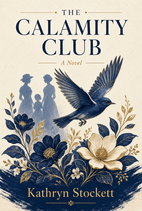
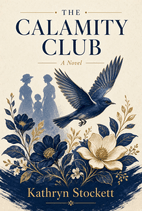
Kathryn Stockett's The Calamity Club follows Birdie as she arrives at her sister Frances's Mississippi home in the 1930s, clashing with the household's rigid social rules while quietly bettering the lives around her—until the family's mounting debts draw her into a risky secret enterprise. A wry, tender novel for readers who love complicated sisters and heroines who lie beautifully under pressure.
Feature
Insta.Page
Blinkist
Shortform
The Calamity Club
✓
✕
✕
Summary Depth
Full Chapter-by-Chapter
15-min overview
Section-by-section guides
Audio Narration
✓
✓
✓
Visual Mindmaps
✓
✕
✕
AI Q&A
✓
✕
✕
Quizzes
✓
✕
✕
PDF Downloads
✓
✕
✓
Price
$89.99/yr
$146/yr (PRO)
$199/yr
*Competitor data last verified July 2026.
1 Page Summary
In 1930s Mississippi, Birdie arrives at her sister Frances's grand house with little more than a suitcase and a gift for causing trouble. Frances is consumed with social standing and warns Birdie to hide her country manners; the household staff treat Birdie as an outsider to be vetted; and Frances's daughter Meg, abandoned by her mother two years earlier, regards her aunt with wary suspicion. Undeterred, Birdie sets about quietly improving the lives of the people around her—repainting a joyless office, asking unwelcome questions about the household's finances—and in doing so draws the notice of those who prefer the old arrangements, including a charity-minded woman whose public speeches about "feebleminded mothers" and inherited moral deficits chill Birdie to the bone.
As the family's money runs out—unpaid wages, shut-off utilities, a mortgage edging toward foreclosure—Birdie becomes entangled in a scheme far riskier than anything her sister would approve of. With a partner named Charlie, she helps launch an enterprise operated out of a house with its own rules: dance tokens at the door, sheets changed after every visitor, clocks wound like a prayer against disaster. The operation brings in money the family desperately needs, but it also brings watchers—a car circling back at four in the morning, rumors spreading through town, and the constant threat that Mrs. Tartt or the wrong neighbor will learn the truth. Meanwhile Birdie chases the mystery of Meg's past through a risky letter to the Heidelbergs and fragments of gossip, while her own hopes for romance founder on a post-office-line confession.
Stockett's novel is by turns wry and tender, a story about loyalty, reinvention, and the price of keeping secrets in a town that sees everything. Readers who love ensemble casts, complicated sisters, and heroines who lie beautifully under pressure will find plenty to savor—and plenty left unresolved.
Prologue and Chapters 1-7
Birdie slips into the drugstore with one purpose: to buy contraceptives without being seen. But Pripp corners her before she reaches the counter, peppering her with questions about Frances and church attendance. Every question costs Birdie her anonymity, and she lies her way through the conversation, her errand growing more exposed by the minute.
When Birdie finally reaches the counter, she asks for Merry Widows, hoping to complete the purchase quickly. The clerk hesitates, questioning her, and Birdie is forced to admit she needs far more than expected. She asks for ninety-nine prophylactics. The clerk balks at both the illegality and the sheer quantity, and Birdie's composure slips as she scrambles to invent a cover story. She claims the prophylactics are for someone authorized to administer them, and the clerk finally agrees after asking about disease. Birdie delivers the lie with urgency, then signs the ledger under a false name, desperate to leave before more customers arrive. She escapes with the bag hidden in her groceries, already fearing her sister's wrath.
Meg imagines her mother returning to reclaim her, but the fantasy demands revenge and apology first, and it only reinforces the truth: her mother abandoned her two years ago. She recalls the day her mother failed to collect her from Ophelia's house, the memory confirming her abandonment at age nine. In the office, Dorella taunts Meg, wanting to humiliate her, and Meg endures the "Nutmeg" nickname and threats about the wash pump, isolated and defenseless. She remembers Ava defending her against Dorella by throwing Dorella's underpants in the outhouse, proof of Ava's loyalty, but Ava turned twelve and was sent to Biloxi, leaving Meg alone.
Miss Garnett inspects Meg's Bible copying, wanting to catch her idle, and Meg complies while silently resenting the pointless task and Garnett's control. Watching Garnett manipulate the volunteer ladies, Meg begins to understand her power, realizing that Garnett's influence and memory make her untouchable. Meg learns Garnett rants about a "feebleminded woman" and imagines a grotesque figure, recognizing Garnett's obsession with rules over people. Ava once explained Garnett's new rules banning big girls from babies and mail, and Meg realizes the rules exist to suppress grief and questions. She begs the ladies for information about her mother, but they refuse and dismiss her, costing Meg her temper and leaving her with only fearful guesses. Miss Garnett pinches Meg for minor infractions, targeting her specifically while other girls are spared, and then pulls her from the schoolroom entirely, stripping away the one place Meg loves and deepening her confinement and resentment.
Miss Garnett catches Meg in the hallway and orders her to the office, where she is set to counting donation pennies. The task costs Meg her regular chores with Ava, and it marks the beginning of her being singled out from the other girls. Miss Garnett then makes Meg recount the pennies and keeps her after school copying Bible verses, testing her and isolating her from the others. The punishment costs Meg her free time and her dignity. The summonses repeat: Miss Garnett calls Meg to the office again and again to add papers and copy more verses, keeping her under watch. Each visit costs Meg her time in the schoolroom and deepens her resentment of the special attention.
The Office
One day Miss Garnett combs Meg's hair and reveals that her own baby died inside her. The confession unsettles Meg, who feels both curious and ashamed of enjoying the grooming. Then Miss Pripp sets a Jesus drawing contest, with a red pencil as the prize, wanting the girls to depict scripture. Meg draws "Jesus Gives Judas the Finger" and earns a red F for blasphemy. Miss Pripp and Miss Spencer carry the drawing to Miss Garnett, wanting Meg punished, and a committee meeting is convened in the Ladies' Lounge. There Miss Garnett tells the ladies that Meg is tainting the other girls, wanting her removed from the schoolroom. The committee's decision costs Meg her schooling and confines her to the office all day.
Ava's Birthday
On Ava's twelfth birthday, the two girls whisper together about food and about the cannery job waiting for Ava. They want comfort before the separation, and the day ends with Ava promising to write and Meg clinging to hope. Then Miss Garnett announces the work program that will send unplaced twelve-year-olds to the Biloxi Canning Corporation, seeking the charity ladies' approval. The announcement threatens Meg with being sent away. Meg tells Miss Garnett and the ladies that she will not go to any factory because her mama is coming back, wanting only to stay. For that she is beaten in the belt closet. Miss Garnett whips her with the leather strap while preaching about hell, wanting to break her resistance. Meg takes the pain but refuses to cry and holds to her refusal.
The Breaking
Ava pins Meg down and forces her to repeat "Mama left me on purpose, mamas do not come back," wanting her to face reality. The words break Meg's pretend play and her belief that her mother will return. The morning after her birthday, Ava leaves for the cannery, wanting to start her new job. Her going costs Meg her best friend and sister-figure and leaves her alone.
Oxford
Meg remembers her mama moving them to a rental house outside Oxford for a job with the Coopers, wanting a fresh start. For a while it gave Meg a happy home, with dancing and meals taken from magazines. Meg asks her mama about her father, wanting to know him, and the question costs her mama pain. All she learns is that he was medium height, from Carroll County, and left when Meg was a baby. At school Meg tells Miss Pettybone that she and her mama do not attend church and that her daddy left, wanting to answer honestly. The answer gets her marked in the red book and her mama summoned. Her mama confronts Miss Pettybone at the schoolhouse, wanting to defend her family. The confrontation ends with Miss Pettybone threatening to call the police authorities to have Meg raised in a wholesome Christian manner.
Mama pulls Meg out of the orphanage after Miss Pettybone threatens to call the police, and the loss lands hard: Meg loses her only real chance at being placed with a family. At home, Mama turns the shame into a lesson, teaching Meg to spot a lie and to tell one, drilling her until Meg can look her in the eye and deny she ever touched the cigarettes. Then Mama gives her the story to carry into the world: if anyone asks, her daddy died in the war. It will make their lives easier, Mama says, and Meg takes the instruction.
Miss Garnett’s Parlor
Miss Garnett pulls Meg away from her sweeping, sets out a bag of change for her to count, and starts braiding her hair. The kindness curdles fast. Miss Garnett calls Meg a dirty, filthy child and says the filth is in her blood, inherited from a lascivious, feebleminded mother. Meg fires back that her mama was smart and demands to know whether Miss Garnett even has the right mother, but she gets no straight answer.
A Ticket to Oxford
Mama and Meemaw put Birdie on the train to Oxford with a stitched pillow meant for Frances, over Birdie’s objections. Meemaw tells her to pretend the visit is an early birthday surprise and slips something into her bag in case of trouble. The errand carries its own sting: Birdie remembers that the family learned of Frances’s engagement and wedding only from a printed card, never an invitation.
Frances has stopped answering letters. Mama sends a telegram, then arranges a phone call to the Foote, but the scheduled call from Frances never comes, and Mama’s worry deepens. Birdie calls Idlewilde on store credit. The maid says Frances isn’t home but seems the same as always, and still no return call comes.
The Real Reason
Then Mama lays out the truth behind the trip. The Tates lost their house for back taxes, and the family is nearly two years behind on their own. Meemaw proposes asking Frances and her banker husband for money, which means Birdie has to make the journey. Birdie protests leaving her job at the store, but Mama pleads with her to do it for the family, and Birdie reluctantly agrees.
Birdie watches a man buy liquor from the porter and aches to feel that relief again, and the wanting costs her a moment of longing for the sheltered past she left behind. She thinks back to kissing an older cousin behind a barn, a memory of wanting to escape her sheltered world, and it changes how she remembers herself, recasting her as bold. She recalls drawing Frances as a goose to get revenge, a prank that costs Frances her dignity and earns her the nickname for years. Birdie resents Mathilda Tate's arrival and wants her sister back, and the closeness she once had with Frances frays as Frances grows pettier and more distant.
Then Birdie falls ill with mumps and encephalitis and wants only to recover, but the illness costs her the rest of her schooling and her ability to bear children. Daddy teaches her to repair the house and the truck, wanting her self-sufficient, and the lessons change her skills and her understanding of why he bothered to teach her. Birdie sees sharecroppers driven off the land and wants to understand where they are going, and the sight changes her gratitude for what her family has.
Frances announces she will leave for finishing school, wanting to escape Footely, and the decision costs Birdie her sister's presence and closeness. Daddy dies of a heart attack on the river, and the family wants to mourn, but his death changes everything and leaves Birdie and Mama alone. Only weeks later Frances insists on leaving for finishing school anyway, wanting her freedom, and the departure costs Birdie her sister's loyalty and deepens the rift between them. Frances marries without inviting the family, wanting a new life, and the snub changes Birdie's standing and leaves her facing questions about being unmarried.
Birdie arrives at Oxford Depot wanting to ask Frances for money, and the errand costs her pride and forces her to show up uninvited.
Meg's Day at the School
Meg rearranges her desk, wanting order in her day, and the small ritual changes nothing but passes the time until she sees Ava. Miss Garnett confronts her about the desk, wanting the books straightened for the inspector, and the scolding costs Meg her sense of control and reminds her of the looming inspection. Meg reads the adoption letters and wants a letter from Ava, but none arrives, costing her hope and leaving her desperate for words. She sees the coat closet left open and wants something to read, and the temptation changes her day when she steals a Life magazine and Dorella's letter. Miss Frances and the Fatass catch her near the closet and want to punish her, and the confrontation costs Meg her safety until she talks her way out and hides the goods. Then Miss Garnett catches Meg reading the Life magazine and wants to punish her, and the discovery changes Meg's day as she is sent to the belt closet.
Meg endures Miss Garnett’s whipping, then decides to trade Dorella her letter in exchange for a public reading. The bargain brings Dorella relief but costs Meg the letter’s value, a sacrifice she makes with her eyes open.
Meg thinks back to Mama teaching her pride and the California dream. Mama’s low pay and mounting debts made escape feel necessary and impossibly distant at once, and Meg carries that contradiction forward.
Meg discovers Ophelia Lee’s self-made world of puppies and piano. She learns that survival can be arranged with dignity and skill, a lesson that lands differently than Mama’s warnings.
Meg watches Mama and Ophelia trade cigarettes and hard truths. In the exchange she realizes Mama carries anger at a man who never wrote back, a wound Mama keeps folded away.
Then Meg hears Mama’s furious argument about a letter, a lost job, and “that damn witch.” The outburst reveals a hidden enemy behind their sudden crisis, someone Mama will not name.
Meg presses Mama for the letter writer’s identity, but Mama refuses. The questions stay unresolved as Mama turns to frantic job hunting, and Meg is left with suspicion and no answers.
The household thins into beans and ham, and Meg hears the rent threat. She understands that Mama’s fear of losing the car could upend everything they have left.
Meg wakes after Mama sells “just one” ride. The small payment changes the mood in the house, but it hints at a cost Mama will not explain.
💡 Try clicking the AI chat button to ask questions about this book!
Chapters 8-11
Birdie arrives at Frances's door wanting an explanation for the letters that went unanswered, but Frances barely lets her get a word out. She shuts the door in Birdie's face and sends her around to the back, a small humiliation that costs Birdie her dignity before she has even crossed the threshold. The reunion she imagined is already going wrong, and the closed door tells Birdie that the sister she came to find may not be the sister waiting inside.
At the kitchen door, Birdie wants nothing more than to clean up and rest, but Picador blocks her way, unwilling to let her pass until Polly vouches for her. The delay stretches out her welcome and makes clear that this house has its own rules and its own gatekeepers, and Birdie stands in the heat while the two women decide whether she belongs. The pause costs her the last of her traveler's confidence and teaches her that entry here is something granted, not assumed.
Frances's priority is her social standing, and she warns Birdie to hide her country manners, afraid of how her sister will reflect on her. The warning strains their reunion, turning what should be a happy homecoming into a performance Birdie has not rehearsed for, and Birdie feels the distance between the life she left and the life Frances has built. Birdie presses for an explanation of the snubbed wedding invitation, but Frances dodges, offering a story about a hurried ceremony. The excuse leaves Birdie suspicious rather than satisfied, and the unanswered question sits between them while Frances moves on as though nothing has been asked.
Determined to make Birdie presentable for Mrs. Tartt, Frances dresses her in her own clothes and plucks her brows, remaking her sister in her own image. Birdie is being reshaped to fit a world she has only just entered, and she submits to the plucking and the borrowed dress because she wants Frances's approval more than she wants to argue. When Birdie wants to fix the clogged tub, Frances forbids it outright, fearing Mrs. Tartt will think her sister a plumber, and the refusal makes plain that usefulness is not the same as acceptability in this house. Frances then begs Birdie not to embarrass her before the meeting, making plain how much rides on Birdie's behavior, and Birdie understands that she is being asked to disappear into a version of herself she has not yet learned to perform.
The house tour reveals how far Frances has remade herself. She recites Tartt history like a guidebook, fluent in a past that is not her own, and Birdie sees the distance her sister has traveled, hears it in the practiced cadence of names and dates that belong to a family Frances married into rather than was born to. Birdie wants to know the scale of Rory's farm, and Frances corrects her: Rory is a banker, not a farmer. The correction exposes Birdie's assumptions about the life her sister has married into, and Birdie realizes how little she actually knows about the world Frances now inhabits.
Frances catches Birdie reaching for Rory's private phone and warns her off, and the warning costs Birdie her one chance to test the line. Frances's fear of Rory's rules is plain in how quickly she shuts the idea down, and Birdie sees that the phone is not the only thing in this house that is off limits to her.
Frances then turns her attention to Mrs. Tartt's arrival, coaching Birdie on how to make a good impression. The coaching costs Birdie her freedom to speak naturally, and it exposes how much Frances worries about status, how every gesture and answer must be measured against what Mrs. Tartt will think. Birdie listens and nods and feels the room shrink around her.
Birdie wants to meet Mrs. Tartt honestly, and the introduction reshapes the household: Birdie is installed as a guest in the gold room, and Frances is forced into what the house recognizes as her "scary smile." The gold room is grand and stifling, and Birdie understands that her placement there is a statement as much as a kindness, a way of showing Mrs. Tartt that the Tates know how to treat a guest.
The Parlor
Mrs. Tartt wants to know Frances's family, and her questions about the Delta and the Tates back Frances into inventing a European trip for the Cousin Tates. Frances spins the story smoothly, but Birdie hears the invention underneath it, and the lie sits in the parlor like a piece of furniture no one will name. Birdie wants to know about Mrs. Tartt's past, and her questions about the photograph and Mrs. Tartt's age reveal a vanished social world behind the old woman, deepening Birdie's sympathy for her. The photograph shows a younger Mrs. Tartt in a world that no longer exists, and Birdie sees the loneliness beneath the old woman's formality.
Frances wants to end the parlor visit, and her insistence that it has grown late turns the scene from polite interrogation into supper. The shift is abrupt, and Birdie feels the parlor's careful politeness give way to the demands of the evening meal. Mrs. Tartt wants Rory fed and cared for, and her urging, combined with Frances's pressure to take a plate, pushes Rory into refusing supper altogether and retreating to his study. The refusal is quiet and absolute, and it leaves the table with an empty chair and Frances with a flush of embarrassment she cannot hide.
Birdie wants relief from the yellow guest room, and her discovery of the sleeping porch changes her plan for the night, giving her a private refuge. The porch is cooler than the gold room and open to the night air, and Birdie claims it for herself with a relief that feels almost like defiance. She wants to understand the locked hall door, and finding an inside lock on it raises her suspicion about what the Tartts are hiding. The lock is a small thing, but it does not fit with the rest of the house's easy openness, and Birdie files it away as a question she will return to.
Birdie wants to make herself useful, and her decision to milk the cow and cook eggs shifts how the maids see her and wins Picador's guarded approval. The work is familiar and grounding, and Birdie finds in the barn and the kitchen a version of herself that the parlor could not accommodate. Picador watches her and says little, but the guarded approval is more than Birdie has received from anyone else in the house.
Frances wants Rory to take her on an expensive birthday trip, and his refusal, paired with a counteroffer of a Delta visit, forces her to give up the Jackson and Memphis plans. The refusal is a defeat Frances does not accept gracefully, and the counteroffer of a Delta visit is a consolation she does not want. Birdie wants to protect Frances from Rory seeing the Calhoun plantation, and her lie about Mother's health changes the decision to supper in town and blocks Rory's Delta idea. The lie comes easily and costs Birdie something she cannot name, and the supper in town becomes the plan instead.
Rory wants to avoid conflict at breakfast, and his affection toward Picador and his retreat into work only deepen the household's tension over Frances's unmet wishes. He is gentle with Picador and distant with his wife, and the contrast is plain enough that Birdie sees it and understands that the household's fault lines run deeper than a single refused trip.
Birdie tries to win Mrs. Tartt over at the table by poking fun at Frances's cooking, but the joke lands wrong. Frances takes the mockery personally, and the small betrayal costs Birdie the goodwill she was counting on. The table goes quiet, and Birdie feels the misstep in her chest, understanding too late that Frances's pride is not something to be played with in front of Mrs. Tartt.
Rory brushes off Mrs. Tartt's worries about the market and refuses Frances's request for a ride into town, so Frances is left to arrange for Mr. Binny instead. The refusal is casual and complete, and Frances absorbs it with a tight smile. Then Frances offers Birdie work on the Orphan's books, a gesture that hands Birdie both a purpose and a reason to stay in Oxford. The offer is unexpected and Birdie takes it, grateful for something to do that is not performance.
Birdie dresses with care for the trip into town, but Frances criticizes her old hat, and the remark sinks straight into Birdie's insecurity. The hat is the best she has, and Frances's dismissal of it makes Birdie feel the poverty of her wardrobe as a personal failing. On the drive, Mr. Binny carries them past the Tartts' sold-off land and the ruined Percy house, a stretch of loss Birdie can see with her own eyes. The ruined house and the sold fields tell a story no one in the family has spoken aloud, and Birdie reads it from the car window.
Frances gives Birdie fifteen cents and drops her at the square, where Birdie finds the town idling, waiting on the college students to return. A shopkeeper turns cold the moment Birdie mentions Rory and Frances, and the chill shows her the local resentment toward the Tartts. She buys a Co-Cola and takes in the square's stiff racial etiquette, watching a Black customer step aside in silence. The grocer cools as well when she names Frances and Rory, confirming the family is disliked in town. The square is a small stage of resentments, and Birdie stands in the middle of it with her Co-Cola and her fifteen cents and understands that the Tartt name is not spoken warmly here.
Birdie writes home, erases her boast about Oxford, and promises to ask Frances for money that night. The letter is a careful performance of its own, and Birdie crosses out the pride in her handwriting because she cannot bear to send it home. Then she spots Rory driving away from the square in his Studebaker, which contradicts his claim that he cannot leave work. The sight stops her cold, and she stands with the letter in her hand and watches him go, the lie plain in the daylight.
At dinner, Frances announces that Birdie will help at the Orphan, and Mrs. Tartt presses Frances about the senior committee. The announcement gives Birdie a place at the table, and Mrs. Tartt's questions give Frances nowhere to hide. Later, in Frances's room, Birdie discovers that Rory sleeps down the hall and that Frances hides a scandalous snap-front garment, exposing the strain in the marriage. The separate rooms and the hidden garment tell Birdie more than Frances would ever say aloud. Frances accuses Birdie of being content with her small life and needles her about children, wounding her. The accusation lands where Frances aimed it, and Birdie feels the old sting of being seen as lesser. Birdie asks Frances for a $250 loan, and Frances hesitates, leaving the request hanging. The hesitation is its own answer, and Birdie waits in the silence for a yes that does not come.
Birdie pressures Frances to ask Rory for money, determined to save the family home, and forces Frances to agree to make the request. Frances resists and delays, desperate to avoid Rory's temper about money, and bargains the ask down to after her birthday. Birdie agrees to stay until Frances's birthday, wanting to ensure the request actually happens, and gives up her plan to leave early. The agreement binds the sisters together in a plan neither of them relishes. Then Birdie reveals the Tates lost their house to taxes, wanting to shock Frances into action, and Frances finally commits to asking Rory. The revelation does what Birdie hoped, and Frances's commitment is reluctant but real.
Breakfast and the Drive
Rory refuses Frances's lunch invitation at breakfast, wanting to avoid his wife, and reduces Frances to tears. The refusal is public and small, and Frances's tears are quickly wiped away. Rory relents and drives the sisters to the orphanage, wanting to smooth things over, and restores a fragile peace. The drive is quiet, and the peace holds only because no one tests it.
The Orphanage
Garnett Pittman greets Birdie coolly, wanting to size up the new bookkeeper, and makes clear the work is simple and beneath concern. Birdie tours the orphanage, wanting to understand the place, and discovers mold, a starving attic, and girls eating alphabet blocks. The tour is a catalog of neglect, and Birdie sees it all with a bookkeeper's eye for what has been spent and what has not. Birdie sees Meg confined in the moldy office, wanting to know the girl's story, and learns Meg was expelled and is bound for the work program. Birdie agrees to work in the squalid office, wanting to stay near Frances and have her questions answered, and accepts the mold and heat. Birdie asks Meg about her parents, wanting the truth, and learns her mother left and her father died in a war.
Chapters 12-14
Birdie repaints the office without asking anyone's permission, driven by a simple wish to make Meg's surroundings less grim. She does the work herself, quietly and without announcement, because the room Meg sits in every day has been a dim and joyless place, and Birdie cannot stand to leave it that way. The fresh paint does brighten the room, lifting the light and changing the whole feeling of the space, but it also draws Miss Garnett's suspicion, since a girl in Birdie's position should have no money for paint. Birdie has no explanation ready that would satisfy the question, and the act of kindness leaves a question hanging over Birdie that Miss Garnett intends to answer. The improvement itself is undeniable, but so is the mystery of how it was paid for, and Miss Garnett does not let mysteries rest.
Miss Garnett Returns
When Miss Garnett comes back to work, she wants nothing so much as to reassert her authority over the office. She returns expecting to find everything as she left it, the room arranged to her liking and Meg sitting where Miss Garnett had placed her. Instead she finds the room transformed and Meg no longer sitting in the sickly light that Miss Garnett had arranged for her. The change disturbs her, a visible sign that control has slipped from her hands while she was away. The fresh paint is bad enough on its own, but Meg's new position in the room is worse, because it means someone moved her, and no one had the right to do that while Miss Garnett was gone.
Miss Frances pushes Miss Garnett to acknowledge Birdie's work, angling for credit for the improvement herself. She wants the paint noticed and wants herself noticed noticing it, and she presses Miss Garnett to say something about what Birdie has done. Miss Garnett refuses to give an inch. She rebuffs Miss Frances and reasserts her senior authority, making clear that no amount of fresh paint will loosen her grip on the office. The paint may have changed the walls, but it has not changed who is in charge, and Miss Garnett means for everyone in the room to understand the difference.
The Account Books
Birdie confronts Miss Garnett over the account books, wanting straight answers about where the money goes. She has seen enough of the ledgers to know the numbers do not add up the way they should, and she wants Miss Garnett to explain them to her face. What she finds shocks her: most of the big-girl money is funneled into the work program rather than to the girls themselves. The money the girls earn does not follow them; it flows instead into the program that manages them. Miss Garnett defends the arrangement without shame, justifying the separation and management of the girls, and then reveals the principle behind it. Her aim, she says, is to enforce legislation targeting "imbeciles." The word lands like a blow, and Miss Garnett offers it without flinching, as though it were simply the law and not a judgment she is proud to carry out.
Meg demands to know whether the girls are paid at all, wanting the wages she has earned. She has worked and she wants what she was promised, and she will not let the conversation move past that question. Birdie confirms the truth: their pay goes toward housing and board until they turn sixteen. The money the girls earn is never really theirs. It is spent before they ever see it, on the roof over their heads and the food on their plates, and by the time they are old enough to claim it, there is nothing left to claim.
Birdie and Meg
Birdie reveals she has been excused for the week, and she uses the time to help Meg. She has hours free that she did not expect, and she gives them to Meg rather than to anything else. She warns Meg plainly that she is worried about her being left alone in that office. The warning is not a hint or a suggestion; Birdie says it outright, because she has seen what happens to girls who are left alone in that room with Miss Garnett. Then she presses Meg to talk about her mother, wanting her to open up. Meg does, sharing memories of her mother's dancing, her reading, and the rose talc she wore. The memories come out slowly at first and then more easily, and for a little while Meg's mother is present in the room with them, dancing and reading and smelling of roses.
Birdie urges Meg to try hard to get adopted on View Day, wanting to secure her future, and promises to see whether Miss Frances can help. She knows what the work program means for a girl like Meg, and she knows that View Day is the best chance Meg has to escape it. She cannot promise anything herself, but she can ask Miss Frances, and she does.
Punishment
After the inspector's visit, Miss Garnett nails Meg's window shut again, wanting to punish and isolate her. The window had been opened, and now it is closed for good, sealed with nails so that even the air cannot get in without Miss Garnett's permission. She confines Meg to taking all her meals alone in the office. Every meal is eaten in that room, without company, without conversation, without any reminder that there is a world outside the door. When Meg refuses Miss Garnett's hair-touching and demands to know why she is hated, Miss Garnett slaps her and calls her a mistake. The slap is quick and the word is slower, and the word is the one that stays. She then tells Meg that her mother abandoned her two days before Christmas, wanting to wound her as deeply as possible. She chooses the detail deliberately, the date and the season, because she wants the wound to go deep and to stay open. Meg is left burning with grief and rage.
Meg's Prayer
Alone in the office, Meg prays, wanting something better than six months of isolation, and resolves to endure. She does not pray for rescue or for revenge; she prays for something better than what she has been given, and then she decides that whatever comes, she will last through it. Her mind turns back to the day her mother left her at Ophelia's before Christmas. She remembers running home afterward and finding her mother gone. The house was empty, and the emptiness was worse than any punishment. She returns to Ophelia's and learns from a white man that Ophelia and the pregnant dog have died. The two deaths arrive together, the woman and the dog and the puppies that never came, and Meg has no one left to turn to. Terrified, Meg flees home, barricades the door, and hides under her bed, crying for her mother, for Ophelia, and for the dead puppies. She cries until she has nothing left, and then she is still alone under the bed with the door barred against a world that has taken everyone.
Meg decides she can survive alone in the cold house, so she starts burning everything she can find. The cold is the first enemy, and she feeds the stove with whatever will burn. She feeds it with books and household goods, destroying the borrowed library books Mama brought home and her own drawings along with them. The library books were borrowed, and burning them means a debt she cannot pay, but the cold does not care about debts. Her own drawings go into the fire too, and the house grows barer as the fire eats what little they own. Each thing she burns is a thing that will not come back, and she burns them anyway because the alternative is freezing.
Wanting Mama to come back, Meg pretends to be Mama herself. She orders herself to wash, playing both parts, speaking the commands in her mother's voice and then obeying them in her own. For a moment the game works, and the house has two people in it instead of one. But then the pretend mama abandons her, and the game leaves her more confused and alone than before. She writes STAY HERE I WILL BE RIGHT BACK on the wall in crayon, risking Mama's anger and admitting to herself that Mama may leave again. The words are a plea and a warning at once, and writing them on the wall is a thing Mama would punish her for, but she writes them anyway because she needs them to be true. Hunger and nausea drive her to eat the whole jar of oysters, using up the last food in the house, and she cannot keep it down. The oysters come back up, and with them goes the last of the food, and the house is emptier than it was before.
The Doctor and the Orphan Asylum
A doctor comes to help her, entering the house and questioning her, but Meg resists him. She does not want to be helped; she wants to be left where she is, because where she is is where Mama will look for her. She demands only food and a ride back home. She argues with him about staying so she can wait for Mama, but he takes her away anyway, and she wakes at the Lafayette County Orphan Asylum for Girls. She wakes in a strange bed in a strange building, and Mama is not there, and the waiting is over whether she agreed to it or not.
View Day
Meg wants to be adopted on View Day, so she alters the INFANTS 2 card to read 10 and rehearses a sales pitch, making a spectacle of herself before the other girls and the staff. She changes the number because younger girls are chosen first, and she rehearses because she intends to be ready when her turn comes. The other girls watch her practice, and the staff watch too, and Meg does not care, because being noticed is the whole point. Wanting an edge over the competition, she bathes and dresses early and surveys the other orphans, taking their measure before they can take hers. But she worries Miss Garnett can still ruin her chances. Miss Garnett has the power to undo everything Meg has prepared, and Meg knows it. The Asskisser tries to help by telling Meg about Miss Birdie's suggestion, but Meg stays wary, since the interference could wreck her plan. Help from that quarter might be worth nothing, or worse than nothing, and Meg cannot afford to trust it.
Miss Garnett wants the big girls kept in line during View Day and warns them against throwing fits. She wants a quiet, orderly line of girls for the visitors to inspect, and she warns them that any girl who makes a scene will answer for it. Dorella talks back, and the threat of a spanking hangs over them all. The first adoptive parents want a baby and choose one immediately, and the big girls' hopes deflate as the line of tires goes flat. The visitors walk past the older girls without a glance, and the line of hope that had been inflated all morning goes flat in a moment. A fat man with a gold watch chain wants to inspect Meg, handling her hair and arm, and she forces herself to stand still rather than throw a fit. He touches her as though she were livestock, and she stands still because a fit would cost her everything, and standing still costs her something too.
A rotted-faced couple wants a cheap, hardy girl and questions Meg about catching babies, but Miss Frances lies that Meg already has a family waiting and sends them to Dorella instead. The lie is meant to protect Meg from a bad placement, but it also takes her out of the running, and Dorella is sent forward in her place. Mr. and Mrs. Smith want a big sister and helper, and they interview Meg and seem interested, but Miss Garnett steers them to Sarah, and Meg's chance collapses. The Smiths were the best hope of the day, and Miss Garnett takes them away with a word and a gesture. Meg waves and tries to catch the Smiths' attention, but they will not look at her, and Sarah leaves for the Special Talk. Meg waves until her arm is tired, and the Smiths do not turn, and Sarah walks away to the talk that should have been Meg's. Then a well-off lady in emerald wants a baby, rejects the remaining toddlers, and turns to the leftover big girls, giving Meg one last opening. The lady in emerald is the last chance of the day, and Meg sees it and moves.
Meg moves up the line to be considered for adoption, and the shift costs Dorella her chance to swat Meg back. Dorella had been waiting to repay Meg for something, and Meg's move takes the repayment away. The pretty lady inspects Ginny first, but Ginny picks her nose, and the lady recoils. The recoil is quick and complete, and Ginny is finished. Meg steps forward, introduces herself as Margot, and shakes the lady's hand firmly, impressing her. The firm handshake is a small thing, but it is the right small thing, and the lady is impressed.
Chapters 15-17
Birdie confronts Frances about Garnett’s treatment of Meg, pressing her to question Garnett’s motives. Frances, reluctant and uncomfortable, finally promises to think about it, though she gives no ground beyond that.
Birdie then reads the newspaper article about Garnett’s charity award, wanting to understand what Garnett publicly claims. In the speech, Garnett talks about feebleminded mothers and hereditary moral deficits, and Birdie finds the words chilling.
The household crisis surfaces when Birdie overhears Mrs. Tartt confronting Picador and Polly about unpaid wages. She learns that Rory has failed to pay the help for three weeks. Mrs. Tartt promises Picador and Polly their pay and takes responsibility for confronting Rory that evening, determined to restore trust.
Birdie reads Faulkner and reflects on Meg’s mother, trying to make sense of the feebleminded label. Doubt begins to creep into the official story about Meg’s family.
Rory comes home drunk, wanting only peace and quiet, but Mrs. Tartt immediately confronts him about the unpaid wages and his firing of Mr. Jake. Rory argues with Mrs. Tartt and Frances about money, trying to avoid paying immediately, and reveals he plans to cut the help’s days and delay wages until Friday. Mrs. Tartt insists she will withdraw her dividend and pay Pic and Polly herself, upholding the household’s obligations, and Rory backs down.
Frances then pressures Rory for her overdue allowance and birthday jewelry, wanting the red dress. Rory capitulates, offering a shopping trip on his account. He agrees to drive the women shopping and promises to pay Pic and Polly Friday, wanting to end the confrontation. The family’s financial strain is temporarily papered over.
Birdie realizes Rory will be home alone the next day and sees a chance to speak privately with Meg’s mother. She plans to return to the house while the others shop.
At Neilson’s, Birdie sees the man from the window-cleaning encounter and notices Rory’s car has already gone, wondering at the man’s strange look. Frances asks to try on the red dress, wanting to be noticed, and dismisses the family’s money troubles as she pursues her list of fashions.
Birdie wants to send her mother a telegram with good news, but Mrs. Tartt asks her to accompany her to the bank instead, delaying Birdie's plan. At the bank, Mrs. Tartt wants to collect her dividend in small bills, but Jack Walsh tells her Rory is no longer employed there, costing her the assumption that her son still works at the bank. She insists Rory must be there, and Mr. Allison confirms Rory was let go three weeks ago, forcing her to confront that Rory has been lying to the family.
Birdie wants to understand what happened to Rory, but Jack Walsh refuses to explain fully, revealing only that the bank kept it quiet out of respect for the Tartt family. Mr. Allison wants to explain the financial situation privately, and shows Mrs. Tartt her signature on papers and reveals Rory took out a mortgage and made risky investments, costing her the belief that the family holdings were fine. Eleanor wants to total the accounts, and reports the Tartts have only thirty-six dollars and fourteen cents left, devastating Mrs. Tartt.
Mr. Allison wants Mrs. Tartt to understand the debt, and reveals the Tartts owe two thousand seven hundred fifty-four dollars on the mortgage, payable immediately. He wants to help her find a way forward, and advises her to contact lawyer Harry Holtzman in Jackson about other holdings in Henry's name. Mrs. Tartt wants to leave the bank, and asks Birdie to take her home, abandoning the telegram and the shopping trip.
The Charge Account
Frances wants to charge her purchases, and Mr. Lewis reveals an overdue balance on the account, but Frances insists her husband will pay on Friday, deepening the family's hidden debt.
The Ransacked House
Mrs. Tartt wants to confront Rory before Frances learns the truth, and has Birdie collect Frances and return home, where they find Rory absent and the house ransacked. Frances wants to know who stole the family valuables, and discovers the silver, painting, jewelry, and heirlooms are all missing, while Mrs. Tartt insists the servants are innocent. Frances wants to call the bank and the sheriff, but Birdie finally tells her Rory was fired three weeks ago, forcing Frances to confront the truth about her husband.
Birdie and Frances confront Mrs. Tartt about Rory's disappearance, and Mrs. Tartt answers with a revelation that cuts deeper than either of them expects: Rory was fired for losing his clients' money. For Frances, the news lands as a betrayal, and her trust in her husband collapses on the spot.
Frances fires back, accusing Mrs. Tartt of slandering Rory, and storms upstairs. Birdie follows, and together they find Rory's boyhood room, where rotting food and unpaid bills lie scattered among the remnants of his past. The discovery breaks Frances. She asks Birdie whether Rory is coming back, then crawls into his bed and asks to be left alone.
Mrs. Tartt calls the lawyer in Jackson and waits for a callback. Downstairs, Frances drinks herself unconscious on the library divan. Birdie considers searching for Rory herself but realizes she has no way to guess where he would go, so she inventories the odd items he took and the ones he left behind, trying to read some meaning into the choices.
Mrs. Tartt then confesses to Birdie that Rory was sent to a New Orleans hospital for "Homo Sexuality," where he endured five months of treatments. It is the reason, she says, that he has never forgiven her. She admits as well that Henry changed the will so Rory would inherit nothing unless he married before twenty-five, which explains the rushed marriage to Frances.
The lawyer calls back with worse news: nothing remains except the deed to the house. Mrs. Tartt must tell Frances they will have to cut back. She also tells Picador she can no longer keep her and Polly on, offering her change purse, and Picador refuses the money.
Birdie cleans Rory's room and finds foreclosure warnings among years of unpaid bank letters. The house itself is at risk. She takes stock of the kitchen and turns the exotic leftovers into a chicken potpie, feeding the household while both women shut themselves away.
Frances takes a call from Pripp and lies that she has been sick. She refuses Birdie's suggestion to call the sheriff, insisting she will not report her own husband. Mrs. Tartt discovers her grandmother's clock has stopped because Polly always wound it, and the household realizes how much has quietly fallen apart.
Birdie confronts Frances and Mrs. Tartt over their spending list, determined to stop any further credit purchases. She takes the list away, forcing them to account for their money. When she demands their pocketbooks to see what they actually have to live on, she collects their cash into a Luzianne Tea can. She urges Mrs. Tartt to withdraw the remaining thirty-six dollars and fourteen cents from the bank, wanting to protect it from being seized, but Mrs. Tartt shudders at the thought of returning there. Birdie writes a check to Cash for the full balance and has Mrs. Tartt sign it so she can cash it herself. Frances protests Birdie's bossiness and her touching Rory's things.
Birdie tells Frances she must leave eventually and needs to know they will be smart, wanting to teach her self-sufficiency. Frances and Mrs. Tartt beg her to stay. Then Frances reports a shabby woman staring at the house, wanting her gone as a presumed hobo. Birdie goes to look and discovers it is Charlie.
Charlie confronts Birdie, wanting news of Meg, but Birdie refuses to tell her, saying Meg is better off with her new family. Charlie reveals that Garnett had her declared feebleminded and sterilized, wanting Birdie to understand Garnett's cruelty. Birdie is shaken but still doubts the story. Charlie argues that Meg deserves to know her mother didn't abandon her, wanting Birdie's help finding her, and Birdie admits the lie would harm Meg. Charlie asks to stay a night or two and offers to work, wanting shelter to search for Meg, and Birdie agrees to ask the homeowners.
Birdie serves dinner and then tells Frances about Charlie, wanting her to stay, but Frances erupts in protest over the stranger. Birdie argues back that Frances should extend the help she herself received, wanting to shame her into agreement, and Mrs. Tartt overrules Frances to let Charlie stay in the maid's room. Birdie warns Charlie to hide that she is Meg's mother and anything about Garnett, wanting to avoid Frances's reaction, then leaves for town.
Birdie sends a ten-word telegram to Mr. Parkins saying she must stay longer, wanting to delay her return, and realizes no one will let her come home now. She pays fifty cents toward the overdue pharmacy account for Mrs. Tartt's medicine, wanting to secure the medication despite the debt. Birdie arranges to meet Jack Walsh for lunch, wanting to ask him questions away from the bank, and bristles when he seems to take it as a date.
Birdie slips into a neighborhood grocery to buy supplies, determined to feed the household cheaply, and finds the prices far lower than she expected. But as a white woman in a Black store, she feels conspicuous and watched, and the errand changes how she sees the town's segregation.
Back home, she checks on Charlie and finds Mrs. Tartt collapsed on the sofa with a headache. Birdie tends to her, and in the process discovers that Charlie has cleaned the yard, chopped ice, and charmed Mrs. Tartt. Charlie's standing in the household rises, and Birdie is surprised by how much the girl has done.
Mrs. Tartt invites Charlie to sit with them and offers to show her old party photographs, wanting to be gracious. The gesture draws Charlie further into the family's confidence. Birdie, meanwhile, puts off telling Charlie anything momentous, wanting to manage her own crisis first. The delay leaves Charlie in uncertainty.
Frances dresses Birdie for the lunch, wanting her to look respectable, and Birdie extracts a promise that Frances will be kind to Charlie. The promise changes little in Frances's attitude. At supper, Birdie hesitates over seating Charlie at the table, wanting to be delicate. Charlie declines to eat with them but sets the table, exposing the household's awkwardness over race and class.
Mrs. Tartt asks Frances to give Charlie clothes, wanting to help her, and Birdie shames Frances about being broke, forcing her to comply. The household's resources shift toward Charlie.
Birdie meets Jack Walsh at Buffaloe's Café, wanting advice on the Tartts' mortgage, and confronts the "Whites Only" sign, underscoring the contradictions she cannot escape. Jack questions her about Rory, wanting the truth, and Birdie reveals that Rory took the valuables and abandoned the family. The confession gives Jack damaging information and makes him an unwilling confidant. Jack explains the foreclosure process and the two options for Mrs. Tartt, forcing Birdie to confront the imminent loss of the house and belongings. She asks him to help get more time, but he refuses because the matter is out of the bank's hands, ending her hope of a simple fix. Then Jack asks her to a picture show, wanting to see her, and she accepts after challenging his motives, opening a personal connection amid the crisis.
At Neilson's, Pripp corners Birdie and probes about the Tartts, mentioning their help seeking work. Birdie lies, raising the risk that Charlie's presence will be exposed. Birdie asks Mr. Lewis about the return policy, wanting to recover money, and learns of the seven-day limit, adding pressure to the family's finances.
Mrs. Tartt glues a broken gravy boat and reminisces about the kitchen's history, wanting to restore order, while Charlie moves from yard work to ironing napkins, further entrenching herself in the household.
Charlie wants to keep her job by bonding with Mrs. Tartt, so she opens up about her life. The effort costs her composure when she reveals her husband died in the war, and her math does not add up. Mrs. Tartt wants to fix Charlie's unsuitable wool dress, and the offer changes Charlie's status entirely: she gains a uniform and Mrs. Tartt's old clothes. Charlie wants to accept the dresses, but doing so costs her pride and leaves her stunned by the kindness.
Tension at the Table
Birdie wants to keep the peace after Frances calls Charlie a sucker, which forces her to pull Charlie aside and defend her. Frances wants to vent about the Orphan and Garnett's rules, and her complaining makes Charlie grip the butter dish and nearly confront her.
Rory's Secrets
Birdie wants to find good news among Rory's hidden bills, but what she uncovers is the opposite: the Tartts owe Neilson's eighty-five dollars and face an overdue electric disconnect notice. Birdie wants to know where Rory went, and her search turns up a filling-station receipt from Jackson dated after he was fired. Birdie wants Frances to return the Neilson's clothes, which forces Frances to agree to walk them back with Birdie's help.
The Lights Go Out
The power company wants payment the Tartts cannot afford, so the electricity is cut. The household eats cold mayonnaise suppers by lantern light, the darkness settling over everything Birdie has tried to hold together.
You've reached the end of the free chapters
Next chapter: “Chapters 18-23” is locked
Keep reading The Calamity Club — and unlock all 700+ book summaries with audio, mindmaps and AI Q&A.
$0.00 due today · 7 days free, then $89.99/year ($7.49/mo) · Cancel anytime before day 7
Kathryn Stockett is an American author best known for her debut novel, The Help, a bestselling work set in Jackson, Mississippi, during the civil rights movement that explores the lives of African American maids and the white families they serve. Born and raised in Jackson, Stockett drew on her own Southern upbringing and nine years of writing to craft the book, which was later adapted into an acclaimed film. Her work is recognized for its focus on racial and social tensions in the mid-twentieth-century American South.
Frequently Asked Questions about The Calamity Club
What is The Calamity Club about?
The story follows Birdie, a woman who arrives at her sister Frances's door hoping for a reunion, only to find a household ruled by appearances, gatekeepers, and other people's rules. As money runs short and the bills pile up, Birdie takes it upon herself to care for Meg, a girl who has been dismissed and labeled by the adults around her, and to keep the family afloat through sheer improvisation. Her efforts draw her into a risky, secretive enterprise run alongside a cast of women with their own agendas, where every errand, ledger signature, and overheard conversation carries consequences for the people she is trying to protect.
Who is the author of The Calamity Club?
Kathryn Stockett is the novelist behind this book, a writer drawn to the tangled loyalties of Southern households and the women who hold them together. Her storytelling leans on close, character-driven observation — the small humiliations, private bargains, and unspoken rules that shape a family's daily life. Readers who value voice and social texture will recognize her hand throughout these pages.
Is The Calamity Club worth reading?
It is worth reading for Birdie alone: a protagonist who lies her way through a drugstore counter, paints a room she cannot afford to paint, and keeps going when the money and the goodwill run out. The novel rewards readers who love tense domestic drama, sharply drawn supporting characters, and moral dilemmas that never resolve into easy choices. It is a page-turner that trusts its characters to be complicated.
What are the main themes in The Calamity Club?
The novel is preoccupied with respectability and the cost of maintaining it, showing how social standing is purchased with silences and small deceptions. It also explores caretaking as both a burden and a form of resistance, especially in Birdie's stubborn efforts on Meg's behalf. Class and money run through everything — unpaid wages, wired rent money, a mortgage nearly fulfilled — and the story asks who gets protected when resources run out. Finally, it examines the labels adults place on children, and how those labels become self-fulfilling stories that are difficult to disprove.
📚 Explore Our Book Summary Library
Discover more insightful book summaries from our collection