⚠️ READER ADVISORY: This is a deep-dive summary designed for those who want the full story. Contains spoilers.
What is the book The Last to Drown about?
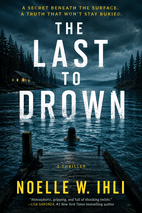
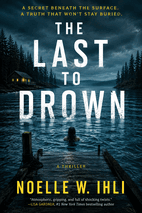
Noelle W. Ihli's The Last to Drown follows Kaia, a grieving widow on a wilderness rafting retreat, as a series of accidents and the sinister presence of a guide named Bryan turn her escape into a nightmare of survival against both the raging river and a killer hiding in plain sight. A relentless thriller for fans of psychological survival stories.
Feature
Insta.Page
Blinkist
Shortform
The Last to Drown
✓
✕
✕
Summary Depth
Full Chapter-by-Chapter
15-min overview
Section-by-section guides
Audio Narration
✓
✓
✓
Visual Mindmaps
✓
✕
✕
AI Q&A
✓
✕
✕
Quizzes
✓
✕
✕
PDF Downloads
✓
✕
✓
Price
$89.99/yr
$146/yr (PRO)
$199/yr
*Competitor data last verified July 2026.
1 Page Summary
The Middle Fork of the Garnet River is the setting for a wilderness rafting trip meant to be a celebration, but for Kaia, it is a painful reminder of what she has lost. Originally booked as a joint thirtieth-birthday adventure with her husband, Parker, the trip has become a solo journey undertaken in his absence. Struggling with grief, Kaia joins a women's retreat, hoping the remote canyon and the company of strangers will offer a distraction from her loss and the lingering sense of dread that has settled in her stomach. The group includes a mix of women, from the chatty Imani to the grieving Deborah and her sister Beth, all under the watchful eye of their guides, including the capable Macy and the steady Josh.
The trip quickly turns from an escape into a nightmare. A series of unsettling events—a mid-camp panic, a rafting accident that throws Kaia into the river's violent grasp, and the ominous presence of a second raft of male guides—shatter the group's fragile sense of safety. Their guide, Bryan, proves to be anything but what he seems. As the group navigates the treacherous rapids, including the terrifying Anvil Falls, Bryan's true nature is revealed: he is actually Leo Marsden, a man with a violent past and a chilling connection to the true-crime discussions that have haunted the campfire. With Leo closing in and the river's deadly currents threatening to claim them, Kaia and the other women must fight for their survival, not only against the wild water but against a killer who seems to know their every move.
As the women row deeper into the canyon, Kaia is haunted by the memory of her dead husband, whose voice she hears in her moments of greatest peril, offering cryptic guidance that may hold the key to their survival. The story is a relentless, pulse-pounding thriller set against a breathtaking and unforgiving landscape. It will captivate readers who enjoy survival stories laced with psychological tension, where the true threat is not just the environmental danger but the malevolent human element hiding in plain sight. The novel balances visceral action sequences with deep emotional undercurrents of grief and resilience, promising a harrowing journey where the line between fear and courage is tested at every turn.
Part 1 - Chapters 1 to 3
Arrival at the Middle Fork
The blue ten-passenger van skids to a stop in a cloud of dust, and the snarl in Kaia's stomach has tightened beyond undoing. Nine hours of potholed rural roads have brought the group to the remote put-in on the Middle Fork of the Garnet River. Macy, the cute blonde rafting guide beside her, squeals that they've arrived. Kaia keeps her eyes squeezed shut, playing dead to avoid the nonstop "group bonding" that started when the van's engine did.
She originally booked this trip with her husband, Parker, to mark both of their thirtieth birthdays. That trip would have happened last month. If Parker were here, she wouldn't have missed a single hour of the talking games. Now she is the only one here to celebrate. She could have cancelled, but between the "no refunds" policy and the churn in her gut at the thought of cancelling entirely, she switched to the women's retreat instead.
Kaia finally peels herself from the vinyl seat. All the other women are already outside, stretching in the late-afternoon sun and gushing over the canyon walls. A second dusty van arrives with two more male guides and another load of excited women. Kaia pastes on a smile and shoves her dark thoughts away. The air smells of sunbaked pine, and beyond the primitive road, she gets her first glimpse of the majestic river sparkling in the light.
Introductions at the Put-In
Macy directs everyone to grab their dry bags, then stops the group for introductions again so the women from van two can meet everyone. She and Gracie are both seniors at the University of Idaho studying recreation therapy. Macy explains what recreation therapy is: using outdoor activities to help people heal, veterans and kids with trauma. She started guiding to pay for school, but this canyon turned out to be medicine. Kaia thinks of the letter promising she'd find herself out here and cringes. She isn't here for healing. She's here for Parker.
Gracie introduces Josh, known as "River Jesus," a weathered guide with sun-bleached hair and the telltale sunglasses tan. The introductions derail quickly. A bulky bin topples from the raft trailer, nearly hits Josh, and bursts open on the ground, scattering deli meats and veggies into the dirt. The culprit is the second male guide, a baby-faced man with bleached-blond hair who apologizes from atop the trailer. Gracie introduces Bryan, newest guide, fresh out of training, a.k.a. "Flip-Flop." Bryan protests the nickname, his cheeks flushed crimson, his eyes fixed on Gracie. Josh declares that nicknames choose the man, not the other way around.
The icebreakers resume. Allie, a woman in a hat embroidered CRIME JUNKIES, introduces herself as a high school librarian in Boise. She won the trip in a district-wide Christmas raffle. Then she blurts out a question: how close are they to Camas Creek? Macy and Gracie glance at each other uneasily. Bryan answers that they're about forty miles away, and they'll make camp there tomorrow night just above Anvil Falls. Allie says the timing of this trip worked out perfectly for her, now that all the rumors about Kellen Stroop have finally died down. A taller woman asks who Kellen Stroop is. Josh shoots Allie a stern look, but instead of continuing introductions, he tells everyone to grab their bags and life jackets.
The River and Kaia's Memories
The tension evaporates within minutes. The women sort gear at the shallow put-in among bright orange passenger rafts. Kaia keeps glancing at Allie, her curiosity piqued. Pretty much everybody has heard of the infamous Camas Creek disaster; fifteen people died. Parker watched a documentary when they booked the trip and gave her the Cliffs Notes. Fifteen people were murdered in this canyon seven years ago, and life just goes on.
Macy calls for everyone to listen up. Josh lets himself fall backward into the lazy current and demonstrates the "Idaho Easy Chair" position for anyone who comes out of a raft. Gracie adds that if you fall out, you need to watch for "holes," where recirculating current will trap you. Then her voice hardens. Never try to stand up in the current. Two years ago, a rafter on the Lower Garnet tried to walk out of a rapid, his foot wedged between rocks, and the current pushed him face-down. He drowned in two feet of water. "The river doesn't care how strong you are."
Macy loads half the women into her raft and Gracie takes the other half, while Josh and Bryan guide the gear boats. Out on the water, Kaia meets Deborah, a woman in an orange ball cap with her own name on it. Deborah is traveling with her sister Beth. This is their first time west of the Mississippi. Deborah's daughters, both engineers, gifted the sisters this trip. Then she notices the wedding band on Kaia's left hand and says Kaia must have a good one at home.
Kaia's heart sinks even as she forces herself to laugh along. Home. The word pulses at the back of her mind. All she wants to do is go home, but she doesn't really have a home anymore. Just an empty apartment that hasn't been vacuumed in months, a dead succulent someone gave her at the funeral, and her boxer, Bambi, staying next door with a neighbor. Home was Parker.
They had planned to raft down the Garnet River when they turned thirty. They booked the trip when they were twenty-six and made payments every year that followed.
At twenty-eight, Parker had his last adventure. He went to explore a cave system in Utah with two best friends, a bachelor trip for one of the guys getting married the following month. The cave, called "Cookie Dough" for its clay-heavy walls, sounded so silly that Kaia thought it was tame. The frantic call came at ten-thirty Saturday night. Parker had gone first into a less-traveled section with openings so narrow you had to wriggle through with your arms at your sides. For half an hour after he got stuck, nobody worried. Then he told them he was having trouble breathing, his head and chest angled downward.
It took an hour for EMTs to reach the remote cave mouth, and when they couldn't free Parker, they started to drill. Kaia drove three hundred miles through the night. By the time she arrived, the rescuers had reached him and were lowering a microphone down a hole parallel to the main shaft. When she heard his raspy laugh and an "Oh, thank god," sweet relief flooded her body. He was going to be okay. Kaia thinks about that moment every day. How stupid she was. How she'll never be that naive person again.
She forces the memory away, blinking into the sparkling river. Across the raft, Allie is side-eyeing Macy and asking whether anyone saw the Lifemark movie about Camas Creek, Blood in the Water. Macy cuts her off with an urgent call for three strokes left, even though there isn't a rapid in sight. Allie rolls her eyes and obediently digs in with her paddle. Kaia bites her lip to hide a smile. Allie might be making the guides uncomfortable, but she's only making Kaia curious. There's nothing like somebody else's tragedy to take your mind off your own.
She resolves to at least try to enjoy the trip. Parker would know she was getting lost in her head. She tells herself to be here. For Parker, who can't be here, she owes it to him to at least try.
To her surprise, her resolve works. Once she commits to this strange pilgrimage on the river, she begins to relax. Between the women's chatter and the constant rowing commands, she loses herself in the paddle catching the current, the rhythm of the water, the breeze, and the steep canyon opening ahead.
A woman in a black headscarf and enormous gold-rimmed aviators asks Macy how fast they are moving. About five miles an hour in the calm stretches, ten in the fastest parts, Macy says. The woman laughs and says if she dies, her husband will kill her: she left him with their seven-year-old twin boys for the summer. Deborah asks her name, and the woman says Imani.
The canyon walls glow amber as the sun sinks. Kaia trails her fingers in the current and thinks of Parker's calendar photos on their wall. She imagines Parker's face full of euphoria, paddle in hand, everything ahead of them. Her throat tightens. She whispers, "So beautiful," remembering six years of marriage and all the adventures Parker brought into her life. He always made her feel safe. This is her first time in the wild without that safety. But now, out here, she realizes she has missed the greatness of the outdoors. A smile spreads across her face as she digs in with her paddle, genuinely glad she came, not just for Parker but for herself.
She spots a line of redheaded ducks and calls out, "Mergansers!" pointing like an announcer. The ducks startle and take off running across the water. Allie grins and calls back, "Sayonara, mergansers!"
Then Pam cries out from the back of the raft, pointing at the rock face. Dozens of mountain goats are perched impossibly on narrow ledges, including fuzzy gray babies. One kid rears up and playfully headbutts its mother,
💡 Try clicking the AI chat button to ask questions about this book!
Part 2 - Chapters 4 to 7
Part 2 - Chapters 4 to 7
The night settles over the narrow beach campsite, and the narrator resigns herself to staying awake until the others turn in. The tents are pitched too close to the fire for privacy, so she stays in her camp chair. Beside her, Imani scrolls through photos of two boys in matching bowling shirts labeled THING ONE and THING TWO. The narrator's thoughts drift to her dead husband, Parker, and the photos she would never delete. He would have stayed up late, pointing out constellations to her. She looks up at the sky, and her gaze accidentally meets Gracie's. Gracie is handing out bowls of blackberry cobbler and mentions that on a darker night the whole Milky Way would be visible. The narrator's voice cracks with emotion as she compliments the dinner. Gracie credits the guide Josh as the master chef.
Then Gracie stiffens, looking sharply across the fire. The narrator follows her gaze to an animated exchange between Allie and a younger redheaded woman named Nikki, someone from the other raft. Nikki is complaining about a movie that started ridiculous rumors, and Allie, who moderates a big subreddit, is thrilled to discuss it. Macy interrupts, telling them to drop the subject. Josh, leaving the dish station, comes to crouch by the fire, saying the company just doesn't want to scare any kids, but there are no kids on this trip. Macy shoots a parting acid remark and pulls Gracie away. Josh watches them go, then says softly that the girls get scared talking about it, and he doesn't blame them.
The Story of Camas Creek
The breeze turns colder. Josh settles into a lotus pose on the sand and begins. He knew one of the guides who died that summer, a friend of his older brother's. Seven years ago, that guide brought a rafting group on the five-day Middle Fork trip—the same stretch of river. Allie interrupts, asserting that the company wasn't Rapids Unlimited but Idaho Thrills. When Josh protests, she says Rapids Unlimited is Idaho Thrills, explaining that they changed their name after being sued for wrongful death.
Josh shrugs off the company history and continues. The day before the crew was due back, a seventeen-year-old boy stumbled into a gas station, bleeding badly from stab wounds. The boy told police that one of the rafting guides—Kellen Stroop—went crazy on the trip, killing everyone: the other guides, the guests. Fifteen people. Kellen thought he'd killed the boy too, but the boy survived because he played dead at the bottom of a raft for hours, wedged underneath his own mother's body. When Kellen began throwing bodies overboard, the boy grabbed a heavy guide oar and hit Kellen over the head. Kellen fell into the water but caught the raft's D-rings, so the boy wrapped a rescue-rope bag around Kellen's neck and strangled him. Then the boy rafted the rest of the river alone, through the night, taking a full day to reach the takeout before running a mile through the woods to that gas station.
The narrator stares into the darkness. Bryan appears, holding a dishrag, and asks, "Didn't they dig up Kellen Stroop's remains a while back to prove he's really dead?" Josh shoots him down. The narrator—partly curious, partly wanting to clap back at Josh's rudeness—chimes in support of Bryan's question. Allie eagerly takes over, explaining that it was covered in a movie called Lifemark that tried to make it look like Kellen might have survived. Nikki adds that the movie speculated the recovered body wasn't Kellen but a kayaker who drowned in the same spot years earlier. Allie confirms that the police eventually exhumed Kellen's body, satisfying most people he's dead. Deborah huffs that she won't sleep tonight. Pam asks how many people were on the trip; Allie answers sixteen, including Stroop and the boy. A question hangs on the narrator's tongue: "But Kellen was just one guy. So ... how did he manage to stab everybody?"
Josh fixes her with a serious look. "Oh," he says. "That's the scariest part."
A Confrontation Over a Knife
Everyone is frozen, waiting. Then Josh unfolds from his pose and turns on Bryan, who is still drying dishes. He calls him "Flip-Flop" and demands he tell this part. Bryan drops his dishcloth, startled and defensive. The hazing, which was light-hearted before, now seems genuinely hostile. Josh asks Bryan why he brought that knife with him. Gasps ripple through the group. Bryan stammers that all the guides are supposed to carry a pocket knife—it's on the packing list. Josh pulls a standard red Swiss Army knife from his fanny pack and demands Bryan show them his.
Bryan mutters something under his breath, but he obeys, producing a larger blade from his swim trunks. In the firelight, the narrator sees it's big as a hunting knife, with a camouflage-patterned hilt and three inlaid pearl crosses. Allie crouches closer and gasps. "Holy shit. That's the knife." Bryan argues back, cheeks flaming, insisting he bought it at REI four weeks ago. He glares at Josh with pure hatred, shoves the knife back in his pocket, and stomps back to the dish station.
Deborah urges them to get back to the story: how did Kellen manage to stab so many people? "Nobody knows," Bryan calls over his shoulder. The narrator reluctantly sits back down. She asks Allie what she thinks happened, deliberately avoiding eye contact with Josh. Allie explains the general consensus on her Reddit boards: only the first victims were stabbed to death. Stroop attacked a female guide in the middle of the night. Her screams woke everyone, but it was too late, total chaos in pitch darkness. Then Stroop jumped out from behind a boulder with his knife. From all accounts, Stroop was an incredible guide, but something in his brain snapped.
The narrator pictures the scene: the dark, the confusion, everyone stumbling out of sleep into panic, nowhere to go but the cold black water. Allie continues. People piled into rafts to escape. Leo and his mom made it into the last gear raft, but Kellen caught up, stabbed Leo—or thought he did—and killed Leo's mom. One brave guide tried to fight Kellen to buy the others time, but Kellen stabbed him too. Imani asks about the other rafters who escaped. Allie and Nikki exchange uneasy looks. Nikki says authorities still don't know how the other victims died. Leo couldn't see anything, only hear distant screams. The bodies were found spread miles downriver from Camas Creek. Recovery was a nightmare; the bodies were badly decomposed, picked clean by fish, wedged between rocks under immense water pressure.
That image squeezes the narrator's chest—remains trapped, just like Parker's. Deborah asks breathlessly if the rafts flipped in the rapid. Maybe, Allie says uneasily. The coroner declared drowning for some, but some of the injuries were strange. Deborah presses for what was strange about the injuries. Allie grimaces. A couple of rafters were missing their hands, sliced off to the bone. One had a deep abdominal gouge that had been picked clean by crawfish. Two people were missing their heads. The only weapon recovered was Kellen's knife.
The blood drains from the narrator's face. Allie holds up her hands in a guilty gesture, apologizing, then adds there's a new controversy brewing that she and Nikki were discussing earlier. Imani cuts her off, joking she'll need an Ambien. Deborah mumbles to Josh about hoping they do background checks now. Josh says they do, but background checks only work if you have a criminal record, and Kellen Stroop didn't. Pam, with finality, changes the subject to breakfast. Josh smiles, relieved, and announces campfire quiche, crispy Idaho potatoes, fresh cherries, and strong coffee—because they're going over the Devil's Stairs first thing in the morning. Allie smiles and apologizes for scaring anyone, then tells Bryan he should really get a different knife. Bryan sighs and hangs his head, forcing a smile as he promises to replace it the second he gets off the river.
Some women trail off to their tents, but most linger, processing. The narrator feels a little sick, though not exactly afraid—Kellen Stroop is dead, and she doesn't doubt that. She watches the fire die to coals and gets the same feeling she gets watching a movie when she knows something awful is about to happen. She pushes the feeling away forcefully. There's nothing to be afraid of anymore.
Sleepless Thoughts
Falling asleep is harder than she expected—not because of fear, though. Since Parker's death, her grief has been strong enough to filter out other emotions, even fear. It's Parker who keeps her tossing and turning. The remote river brings his memory rushing in. She aches for his presence, but she also feels closer to him here, surrounded by the vast, dark wilderness.
Kaia lies alone in her tent, trying to ignore the uneven lumps of sand beneath her thin sleeping pad. Through bleary eyes she traces the line of Orion's Belt in the stars visible through the open rainfly and whispers, "Prove me wrong, Parker." She hasn't said those words in
Part 3 - Chapters 8 to 11
The camp is jolted awake at three in the morning. She springs out of her tent and onto the sand, unsure whether she needs to run or fight. Four dark figures surround Allie's tent, one leaning halfway inside through the flap. Allie's voice cuts through the dark: “What the fuck, you guys? Pam, is that you? Deborah? You scared me to death.” Pam answers with a voice hitching on the edge of tears. They heard Allie screaming. Allie, embarrassed, tries to explain: she has night terrors, they don't happen often, and she really shouldn't have brought up Kellen Stroop right before bed. Josh comes dashing across the sand, breathless, asking if everyone is okay. The relief is real, but once the adrenaline fades, an irritated thought settles over the group: no more letting Allie steer the campfire conversation toward knife attacks and headless bodies.
Josh mutters a tired “Dammit, Allie,” then softens and tells everyone to get some sleep. The crowd disperses, but her shadow still shows against the wall of her tent, lit by a phone screen. The woman who narrates this story hesitates, then whispers a question: “You going to be okay in there?” Allie answers that she's fine, just embarrassed, and then admits something quieter through the nylon wall: her night terrors aren't actually about true crime. They started when her second round of in-vitro failed last year. There is a tightness in Allie's voice when she says goodnight, and the narrator swallows around a tightening throat and offers the only thing she can: an apology, a wish for sleep, a slow retreat.
Back in her own tent, sleep won't come. Her sleeping pad has deflated, and her brain fixates on the vivid dream she was having before Allie's screams pulled her out of it. Sleep finally starts to pull her under, and then she is jolted awake again. No screams this time. Careful footfalls creeping past her tent, so close that she feels the vibrations through the sand beneath her deflated mat rather than hearing them. Her whole body tenses. The footfalls fade. Then a new sound comes from the shoreline: a faint squeak of rubber, a soft click, a muted thud. Too methodical to be a branch bumping a raft. A strap slowly releasing from a buckle. Someone is getting into one of the boats at this hour. She checks her phone: 4:08 a.m. Breakfast is not until eight. She considers easing open her tent flap, but she already knows she will see only shadows, and she doesn't want to make another scene in the middle of the night. It's probably one of the guides, she tells herself. It has to be. The sound stops. She pushes images of the Camas Creek murders from her mind and repeats the words her former therapist taught her: You're safe. There is no emergency happening right now. Go back to sleep. The line from the Almanac hovers anyway: in the backcountry, help is not coming.
Morning arrives washed in gray. She is the last one up. Josh greets her as “Sleeping Beauty” and says they almost sent someone to wake her, but didn't want to risk scaring her again. Gracie elbows him and waves the narrator over to the breakfast spread. And then an angry voice cuts through the morning from the water: Macy, standing beside Bryan at one of the gear rafts, hands on her hips. She yanks a small orange crate from the boat, ignores Bryan, and marches straight to Josh and Gracie. She asks if Josh did the security check the night before. He says yes, same as always. She opens the orange crate and shows them the inside. Something is not in there. The satellite phone. Josh grabs the box and rummages through it himself: bandages, gauze, plastic-wrapped papers. No phone. Gracie insists the phone was packed with fresh batteries when they launched. Josh insists he saw it during his check the night before. The conclusion lands like a blow: someone must have taken it while everyone was asleep.
She is standing at the coffee station, close enough to hear everything, and she burns her knuckles with hot coffee. She clears her throat and admits what she heard last night: movement down by the rafts around four in the morning. She thought it was one of the guides. Macy's eyes flash. Why didn't she say anything earlier? Who was it? The narrator's face burns. The sound stopped, she explains; she went back to sleep. Bryan offers a gentler theory: maybe one of the guests, frightened by the screaming, took the phone for comfort and forgot to put it back. Josh warms to the idea. But the decision is firm: they cannot break camp until the phone is found.
Macy makes the announcement to the guests around the fire, keeping it light. Has anyone seen the satellite phone? Allie is not having it. She knows exactly what a missing satellite phone means. She brings up the Camas Creek murders: when that trip went wrong, the guides never made a call for help, even though the outfitter swore the satellite phone was packed with the gear. It was never recovered. Josh booms over her, enough about fucking Camas Creek, and the silence that follows is sharp. He apologizes, says he didn't mean to snap, but he asks again: does anybody have the phone? You are not in trouble if you do. Nobody fesses up. The stalemate stretches until Bryan steps forward with a plan: search all the boats and tents before they take off. It is the first time he has taken the lead on anything, and the narrator feels a small flicker of pride.
The guides fan out with Macy directing traffic: Josh and Bryan search the rafts; Macy and Gracie search the tents and dry bags. The guests are told to relax. The narrator sits by the dying fire with cold breakfast, watching the canyon fill with gold morning light that ought to feel beautiful. It doesn't. Allie and Nikki whisper together. Deborah asks whether the Camas Creek story is really true, that they never found the satellite phone. Another woman warns them to stop, that it will only scare everyone more, but a woman with blonde pigtails wants the truth, because if something goes wrong and they cannot call for Life Flight, this is serious. Allie, all her bright campfire energy gone, says it plainly: they never recovered a satellite phone in the Camas Creek search, and nobody knows whether the guides forgot it or whether somebody got rid of it. Her guess is the second. She looks around the circle. If they don't find their phone, she will not be sleeping tonight, and neither should anyone else.
The narrator almost tells the others what she told the guides about the night noises. She holds back. Part of her is starting to wonder whether Allie and Nikki themselves hid the phone, planning a podcast or an article about a harrowing near-miss on Camas Creek. She keeps her suspicions to herself.
The search drags on for two hours. Dry bags dumped out, gear boats torn apart, tents turned inside out twice. The sun climbs. Sweat glues her pajama pants to her legs. Pam offers sunscreen and a matter-of-fact voice that feels deeply reassuring; the narrator remembers Pam is a vet and decides she would trust Pam with her dog any day. At last Macy bellows that they are breaking camp. The phone is not located. Macy reassures the group with a story about fifty trips down the Garnet River and only one emergency call, a teenager who did a backflip off a raft and landed on a rock, and he was fine. The narrator's chest goes tight anyway. Seventy-five miles of river between them and the nearest road, the nearest cell tower, the nearest anything. There is no way out but downstream.
Deborah asks the question no one wants to answer: who do you think took the phone? Josh answers for the guides: nobody took it. They must have left it behind. He apologizes. These things happen. But as he says it, the narrator catches Macy shooting daggers at her, and she understands the message. Do not say anything about the noises you heard last night. She drops her gaze and nods. Still, she asks the question that makes her feel like an idiot: can they go back for a new satellite phone? Josh answers without sarcasm, but the answer is no. Not unless she packed a helicopter. Nikki and Allie exchange matching I-knew-it looks. As much as the narrator suspects them, she has to admit Allie is probably right. Without a way to contact the outside world, they are all alone out here in a way none of them signed up for. She heads back to her tent with the others, telling herself there is no emergency. Not yet.
They finally launch five hours behind schedule. Instead of Macy, Josh guides her raft, working the oars from the rear. He jokes that they will pull wraps from the cooler and eat on the water if they survive the rapid. Nobody laughs. Pam deadpans back at him, calling him River Jesus and saying that if she falls out, she expects him to walk on water. That earns genuine laughter, and she is grateful for it. But the river narrows fast, the entrance to the Devil's Stairs opening ahead, and the waves look higher now than they did from the portage trail the night before. Their raft goes first. Behind them
Part 4 - Chapters 12 to 16
The Rapid
Macy lunges for the second water jug at the stern of the raft, but it slips out of her fingers, bounces off a rock, and disappears into the current. The momentary lapse in rowing has already turned the raft sideways, and Josh’s frantic shout for everyone to dig comes too late. The raft vaults onto its side, and everyone on the right half, including Kaia, is thrown into the whitewater.
Under the surface, Kaia is trapped in murky, swirling darkness. The brutal cold seizes her muscles, and her head cracks against something solid, probably the raft. Panic stronger than anything she has ever felt takes over. She cannot breathe, cannot find the surface, and the thought cuts through her: this is what Parker felt in that cave. She is going to drown. Then, as suddenly as the darkness swallowed her, the water rolls her toward the light. She gasps one ragged lungful of air before slamming into rocks, whirling helplessly through the rapid.
A woman’s distant voice counts six swimmers, and Kaia hears the command to use the Idaho Easy Chair position. She forces her body to cooperate, faces downriver, brings her knees to her chest, and pushes off the next rock instead of smashing into it. Less than a minute later, all six swimmers make it through the rapid. Bryan hauls Kaia into the raft by her life jacket, and she collapses, panting, barely able to move. The others are safe, but the two large yellow water jugs are floating down the now-calm river. Macy delivers the news in a tight monotone: both jugs are cracked, smashed against the boulders in the rapid. Their fresh water supply is gone. All anyone has left is what remains in individual bottles, and Gracie tells them there will be no more until they can boil water in Dutch ovens that night.
Kaia shakes her canteen. A few inches slosh around. She allows herself one gulp, then steels herself for the final stretch to Camas Creek.
Camas Creek
They reach the narrow beach above Anvil Falls, also called Camas Creek, around eight o’clock. The sun has long since vanished below the canyon rim, the temperature has dropped sharply, and everyone is cold, wet, hungry, and barely speaking. The camp settles onto a tiny strip of sand walled in by basalt, the roar of the falls vibrating through the ground. Kaia and the others keep their water bottles close and take tiny, bird-like sips. Gracie has made it clear: drinking straight from the river is a terrible idea. The water is full of wildlife waste, rotting carcasses, and bacteria that could cause vomiting, diarrhea, and dehydration. With no satellite phone, they cannot afford any risk.
The guides are fraying. Josh asks Bryan to get water boiling before setting up the groover, and nearby Gracie and Macy unload chairs as if competing. Kaia bristles at Josh’s unreasonable demand and nearly snaps at him, but one look at his exhausted face stops her. Everyone is pushed to the edge. This trip is turning into what she and Parker used to call a “Nashville” experience. Kaia remembers the storm that interrupted a Garth Brooks concert in Nashville, the terrifying walk back to the hotel through flash-flooded streets with Parker, and the way they laughed until they cried once they were safe. That memory became their code word for shared hardship, a reminder that they would always survive something together. But there was no Nashville in the cave where Parker died, and there is no Nashville here without him.
Still, Kaia knows exactly what Parker would do: he would jump into action and make the best of a bad situation. So she calls out, offering to help get the water boiling or assist Bryan with the groover. Bryan seems shocked by the offer. Macy’s voice shakes as she thanks Kaia, and Deborah claps Kaia on the back, rallying the other women to set up tents and stop complaining. The group’s energy shifts. Within the hour, the campfire crackles, drinkable water simmers in the Dutch ovens, tents are pitched, and dinner is served steaming hot. Kaia’s wet clothes almost dry by the time she finishes her hot chocolate.
As people start turning in, loud sobs slice through the campfire circle. Allie and Nikki are huddled together, crying. Allie says she is really freaking out about Camas Creek and cannot go to sleep. Josh, whose patience was gone hours ago, surprises everyone by speaking gently. He tells Allie and Nikki that Camas Creek happened a long time ago, that Kellen Stroop is dead, that he has run this river countless times without anything bad happening. He admits they even forgot the satellite phone one trip last summer, slept on this very beach like a baby, and came home safe. What they need now is rest. Nikki takes Allie’s hand and suggests sharing a tent. Allie looks at Kaia, but all Kaia can offer is a weak smile and the hope that exhaustion carries them through the night.
Into the Darkness
Kaia changes into pajamas, brushes her teeth, and crawls into her sleeping bag. Her head pounds, her mouth feels gritty with dehydration, and she knows she should drink more water, but that means risking having to pee in the dark. She whispers to Parker, telling him it is a Nashville day and asking him to send her a nice dream. Through the tent mesh she can just make out Orion’s belt. Then a bitter thought surfaces: the least he could do is visit her like he promised. The resentment tightens her chest, and she shoves it down as fast as it came. Anger feels unbearable. Parker does not deserve it. He suffered, he did not mean to leave her, and there is nowhere to direct her fury anyway.
She sinks into a fitful sleep and dreams she is on a raft in another rapid. A small brown trout lands at her feet, flopping on the wet floor. She tries desperately to grab it, to get it back into the water, but the fish is too slippery and the waves keep knocking her back. When she finally catches it, the gills have stopped beating. The trout is dead, its eyes staring at her. She wakes in a cold sweat, nauseated, her stomach sour from dehydration. A glance at her phone says 1:29 a.m. She sips water, tries to ground herself, and tells herself there is no emergency.
Then the night shatters.
A frantic voice screams for help. There are sounds of struggle from the tents, fabric rustling, a choking wheeze, and then silence. Tents unzip one by one. Kaia pulls on a sweatshirt and sneakers, grabs her water bottle, and steps outside. In the moonlight she sees Pam leaning into one of the guides’ tents, calling Allie’s name and telling her she is having another nightmare. But Allie is right behind Kaia. Before either of them can react, Pam stumbles backward, screaming that Gracie is dead. The tent wall is smeared with something dark, too thick to be a shadow.
A crash comes from the guest tents, and then screams. One tent bows inward as if struck by a hurricane. Kaia hears a sickening gurgle and wet, rhythmic thuds. It is the unmistakable sound of a knife sinking into flesh. Someone is being stabbed only feet away. Gracie was stabbed too, and Kaia knows she could be next.
Allie sprints for the shore. Pam shoves past Kaia in panic, sending her sprawling onto gravel at the base of a boulder. By the time Kaia finds her footing, she is the only one left by the tents. Voices scream at the shore for everyone to get into the rafts, but a silent internal alarm warns her not to move. The tent where the stabbing happened has stopped shaking. She tiptoes sideways along the boulder, trying not to crunch the rocks underfoot, keeping her eyes on the blood-sprayed tent. A shadow shifts inside. She hears heavy breathing, then a zipper running. A figure bends and crawls out of the collapsed tent.
Kaia cannot move. She knows if she runs, he will catch her. Then a male voice shouts “Hey!” from the direction of Gracie’s tent, and the sound finally breaks her freeze. She bolts for the shore, clutching her water bottle, tripping over a rock. She hits the sand hard, the grit scraping her jaw and filling her mouth. She braces for the knife.
A Chaco-clad foot lands inches from her hand. There is no escape. Kaia lunges anyway, slamming her plastic water bottle against the leg as hard as she can. The impact makes a pathetic thwack. She is certain this is how she dies.
A Fight in the Dark
Kaia does not die. The leg recoils half a step, and she scrambles to her feet. A second shadow springs out of the dark and collides with the first. The two figures crash to the ground and roll into the brush near the tents, locked in a violent scuffle. A male voice shouts for her to get on the rafts. She cannot tell if it is Bryan. She runs.
Behind her, someone calls out, “Hold on! I’ve got him pinned.” Kaia’s hope surges; she is certain the baritone voice is Bryan’s. Then Josh’s voice roars a curse
You've reached the end of the free chapters
Next chapter: “Part 5 - Chapters 17 to 20” is locked
Keep reading The Last to Drown — and unlock all 700+ book summaries with audio, mindmaps and AI Q&A.
$0.00 due today · 7 days free, then $89.99/year ($7.49/mo) · Cancel anytime before day 7
Noelle W. Ihli is a bestselling author of psychological thrillers, known for her gripping, fast-paced novels including *Ask for Andrea*, *The Reaper Follows*, and *Run Rose, Run*. She holds an MFA in creative writing and is also a licensed attorney, a background that informs the meticulous plotting and realistic detail in her work. Ihli has carved a niche for herself in the thriller genre with a focus on high-stakes suspense and morally complex characters.
Frequently Asked Questions about The Last to Drown
What is The Last to Drown about?
The novel follows Kaia, a woman on a remote river rafting retreat after her husband's death, where a weekend of healing becomes a battle for survival. When one of the guides is revealed to be a murderer with a chilling connection to a past massacre, Kaia and the other women must navigate treacherous rapids and canyon walls while staying one step ahead of him. Told from Kaia's perspective, the story weaves her grief for Parker into an edge-of-your-seat fight against a killer who knows the river—and the group—better than they realize. The stakes are life and death, and every bend in the water could be their last.
Who is the author of The Last to Drown?
Noelle W. Ihli is the author of this suspenseful novel. She crafts character-driven thrillers that drop ordinary people into terrifying situations, blending psychological depth with relentless action. Her writing here builds tension through both external white-water danger and Kaia's intimate, grief-filled inner voice.
Is The Last to Drown worth reading?
Absolutely, for anyone who loves survival thrillers and cat-and-mouse suspense with emotional weight. The story ratchets up tension from a disastrous raft flip to a harrowing manhunt along the river, all while grounded in Kaia's raw, believable grief. With its nonstop pace and a villain who feels terrifyingly real, this is a book you won't want to put down.
What are the main themes in The Last to Drown?
Grief and loss form the emotional backbone, as Kaia constantly hears her dead husband's voice and struggles to move forward while fighting for survival. Trust and deception are also central, with the women forced to decide who is ally and who is enemy after a guide's true nature comes to light. The novel explores how fear can cripple or sharpen a person, and how unresolved pain can fuel both vulnerability and strength. The unforgiving river itself becomes a character, testing the women's courage and forcing them to act when every second counts.
📚 Explore Our Book Summary Library
Discover more insightful book summaries from our collection