As an Amazon Associate, we earn from qualifying purchases.
⚠️ READER ADVISORY: This is a deep-dive summary designed for those who want the full story. Contains spoilers.
What is the book Birth of the Witch about?
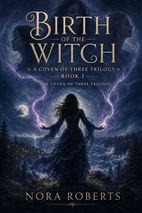
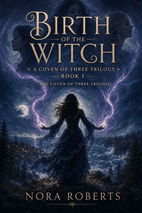
Nora Roberts's Birth of the Witch follows Niamh, an orphaned indentured servant haunted by dreams of a golden-haired witch, and thirteen-year-old Neve, whose hunger to understand magick draws an old darkness toward her. An atmospheric tale of witchcraft, family, and light against shadow.
Feature
Insta.Page
Blinkist
Shortform
Birth of the Witch
✓
✕
✕
Summary Depth
Full Chapter-by-Chapter
15-min overview
Section-by-section guides
Audio Narration
✓
✓
✓
Full access to all 800+ summaries
✓
✓
✓
Visual Mindmaps
✓
✕
✕
AI Q&A
✓
✕
✕
Missing a book? Request it, usually live within 48h
✓
✕
✕
Quizzes
✓
✕
✕
PDF Downloads
✓
✕
✓
Send to Kindle
✓
✓
✓
Price
$89.99/yr
$146/yr (PRO)
$199/yr
*Competitor data last verified July 2026.
1 Page Summary
Niamh is an orphaned indentured servant in the Downing household, a girl who has learned to make herself invisible in exchange for safety and a place to belong. But invisibility fails her at night, when she dreams of a golden-haired woman beside a cauldron, speaking of a war between light and dark and telling Niamh to find her. When the Downings turn against her, Niamh is thrown into a cell, bound and helpless, and the accusations against her become the first crack in a life built on staying unnoticed. Her story is one of survival, of a girl whose only wish is to be believed—and of a summons she cannot explain and cannot refuse.
In another thread of the tale, thirteen-year-old Neve blows out her birthday candles and wishes not for popularity or clothes but to know and understand, a hunger that shapes everything about her. Raised by her aunts Dorcas and Elspeth, she throws herself into learning magick with a speed that unnerves even those who teach her, and the price is a normal life—secrets kept from her closest friend, a discipline that walls off whole parts of herself. She works in the family shop, dreams of past lives in which she searches and never finds what she is tasked to find, and begins to sense that an old darkness, tied to a witch named Imogen, is stirring around her. Meanwhile, Caden builds a life of his own—traveling Ireland, apprenticing at his uncle's pub in Boston, and longing for a place to truly belong—even as magic and family mysteries pull him toward something larger than the career he has planned.
What drives the story is a coming conflict between light and dark that neither Niamh nor Neve can outrun, and the question of whether they will be ready when it arrives. Threats gather quietly: a rival who settles in for a month with unknown intent, a witch who whispers on the wind and refuses to show her face, dreams that feel like summons, and powers that grow faster than anyone can safely contain. At stake is not only safety but identity—who these women are beneath the lives they have constructed, and what they are willing to risk to protect the people they love. Readers who love atmospheric tales of witchcraft and family bonds, heroines who grow into their strength, slow-burning romance, and a battle between light and shadow will find themselves caught up in this first installment of the Coven of Three trilogy.
Chapter One
Niamh moves through the Downing household like a shadow, serving quietly and keeping her head down. She is an orphaned indentured servant, and she knows exactly what that means: she owns nothing, not even her own time, and everything she has can be taken from her in an instant. Her only ambition is safety, a place to belong, and the acceptance of the family she serves. She works to be invisible, to be useful, to give no one a reason to look too closely at her.
The Dream
But at night, invisibility fails her. Niamh dreams of a golden-haired woman standing over a cauldron, holding a wand in one hand and a knife in the other. The woman speaks of a war between light and dark, a conflict that is coming whether anyone is ready or not, and then she turns to Niamh and tells her to find her. Niamh wakes shaken and frightened, the dream clinging to her like damp cloth. It is not a vision she wants. It is a summons she cannot explain and cannot refuse, and it leaves her afraid of what it might mean about her.
Mary's Screams
That fear finds company soon enough. Mary wakes screaming and thrashing in her bed, her small body convulsing with something no one can name. Elizabeth, frantic, demands that the master fetch the doctor at once. The household lurches into crisis, and Niamh is pulled into it whether she wants to be or not. Whatever sleep she might have salvaged is gone. The child she loves like a sister is suffering, and the house is suddenly full of fear and noise and authority.
Agatha at the Wood's Edge
Sent to the well for water, Niamh sees something she was not meant to see. Agatha is standing near the woods, deep in conversation with a pale-haired woman. The sight unsettles Niamh, but when she later mentions it, Agatha denies it flatly and threatens her with the stocks. The warning lands hard. Niamh has no standing to accuse anyone of anything, and Agatha knows it. The threat deepens Niamh's fear and her isolation, making clear that whatever she saw, she must swallow.
The Strange Voice
Trying to help, Niamh brews skullcap tea for Mary, a small remedy from her own knowledge. But when Mary drinks it, or perhaps before, the girl speaks in a voice that is not her own. She curses Niamh and predicts her death. The words terrify Niamh and Elizabeth both. It is one thing for a child to sicken. It is another for her to speak with a stranger's tongue and pronounce doom on the one trying to comfort her.
Dr. Osgood Takes Charge
Dr. Osgood arrives and takes command of the sickroom. He dismisses Niamh's tea as useless, waving aside her remedy and her knowledge with the same contempt. Then he shuts her out of Mary's room entirely, stripping her of any role in caring for the child. Niamh is left on the other side of a door, her skill and her love for Mary both declared irrelevant.
The Witch Hunt Arrives
What Dr. Osgood tells the master next changes everything. Ann Parsins has accused the weavers Dorcas Alden and Elspeth Peace of witchcraft. They will be examined and tried that very morning. The witch hunt has arrived in Piety, and it arrives not as rumor but as procedure, with names and dates and the machinery of law behind it. Niamh's world, already small and precarious, suddenly has a new and terrible shape.
The Doctor's Orders
Elizabeth forbids Niamh from brewing teas or making medicinals, acting on the doctor's orders. It is a small prohibition on paper and a devastating one in practice. Brewing and healing are among the few joys Niamh has, one of the few skills that make her more than a pair of hands, and now they are taken from her by decree. She is to be useful only in the ways others permit.
The Reverend's Wrath
Mary recovers, but recovery brings no relief. Reverend Simpson examines her and rails against the evil afflicting the child, his fury filling the house. Through it all, Niamh is barred from Mary's room. She cannot see the girl, cannot comfort her, cannot even confirm with her own eyes that she is well. The household's fear has curdled into something religious and absolute, and Niamh stands outside it.
A Doll for Mary
Wanting to reach the girl she loves as a sister, Niamh makes Mary a rag doll stuffed with lavender and sends it to her. It is a small, tender act, the only comfort she can still offer from behind the closed door. She means it as a gift, a token of affection, a way of saying I am still here. She has no idea what it will become in other hands.
The Dream Returns
That night the golden-haired woman comes again, cauldron and wand and knife, the war between light and dark, the command to find her. Niamh wakes to Mary's renewed screams, and the two horrors fold into one. She is weeping and helpless, unable to quiet the child, unable to answer the dream, unable to do anything but listen.
Into the Storm
Agatha sends Niamh into the village for gray cloth in the middle of a storm. Niamh knows the errand is unnecessary. There is no reason it cannot wait, no reason it must be done now, in this weather, by her. But she has no power to refuse, so she goes, forced out into the bad weather on an errand she understands is meant to punish or to test her.
Micah's Warning
On the way, Micah Parsins tells Niamh that Ann will be well once the witches are hanged. His certainty is absolute, and it comes with a warning: anyone who does not condemn witchcraft commits heresy. The fear has spread far beyond the courthouse and the meetinghouse. It has reached ordinary people, neighbors, and it has turned them into watchdogs. Niamh hears the message underneath: to hesitate is to be suspect.
The Parlor Confrontation
Niamh returns soaked to the bone and is scolded by Cook before being summoned to the parlor. There the master waits with the reverend, the doctor, and the justice of the peace. It is not a conversation. It is a tribunal, and she is the one standing in front of it.
Agatha denies ever asking Niamh to fetch the cloth. Instead, she claims Niamh invents excuses to leave the house, painting her as a servant who slips away for reasons of her own. The household turns against Niamh in that moment, Agatha's lie settling over the room like a verdict.
Reverend Simpson accuses Niamh of lying and of making a poppet to harm Mary. Dr. Osgood takes it further, claiming the doll was found choking Mary under her pillow. Niamh protests that she only made it for comfort, a lavender-stuffed rag for a sick child, but her words are swallowed by the weight of the accusation. The gift she meant as love has become evidence of malice.
Then Agatha delivers the final blow. She claims she saw Niamh enter Mary's room like a ghost, walking through the door without opening it. The detail is impossible and therefore damning. It seals the accusation: Niamh is a witch. The servant who wanted only safety and acceptance now stands condemned by the household she served, her small comforts turned into proof of evil, and there is no one in the room willing to believe her.
Agatha accuses Niamh of walking through a door without opening it, shocking her father. Robert Essex steps forward and arrests Niamh for witchcraft, charging her with afflicting Mary Downing. Niamh protests her innocence, insisting she would never hurt Mary, whom she calls a sister. Agatha turns and buries her face against her father's chest. Essex grips Niamh's arm and slaps her when she struggles, reddening her face. He drags her outside, binds her hands and feet, and throws her into a cart. Niamh weeps and declares she has done nothing wrong, but Essex tells her to save her tears for the magistrate. Agatha hears the cart pull away and smiles against her father's broken heart.
💡 Try clicking the AI chat button to ask questions about this book!
Chapter Two
The Cell
Essex hauls Niamh through the prison and shoves her into a cell, his grip rough and his intent plainly punitive. He wants her to suffer for what she has done, and the cell delivers on that want: Niamh is left bound hand and foot, the cold of the stone seeping through her clothes, and despair settles over her as she realizes how completely she is at the mercy of people who have already decided she is guilty. The confinement is not merely physical. It is the shape of her helplessness made into walls.
Dorcas and Elspeth
Dorcas and Elspeth come to the cell with a different purpose. They want to help Niamh, and they begin by unbinding her hands and feet, easing the ropes that have cut into her. Their kindness is the first crack in the wall of Niamh's despair, and it opens the way for her to speak.
Niamh tells them her story because she wants to be believed. She lays out everything that has brought her here, and the heart of it is the Downings' accusations against her. She reveals what George and Agatha have said and done, the charges they have leveled, and the way their words have turned the town against her. Telling it to Dorcas and Elspeth is a plea as much as a confession: she needs someone in this place to hear her and trust that she is telling the truth.
Dorcas and Elspeth answer her honesty with their own. They admit they are witches. The admission gives Niamh comfort, a strange and unexpected solace in the middle of her fear, because it means she is not alone in being hunted. But it also confirms their shared danger. The same suspicion that has swallowed Niamh can swallow them too, and the three of them are bound together now by the same threat.
The Dream of the First
Niamh dreams of the First. She wants to understand the visions that have been pressing on her, and the dream gives her a task rather than an explanation. She learns she must find three things: the cauldron, the wand, and the candle. The instruction is specific and urgent, a charge laid on her while she sleeps, and it hangs over her when she wakes into the waking nightmare of the prison.
Before the Magistrate
The men come for Niamh and drag her to the magistrate. They want her to stand trial, and Dorcas and Elspeth are left behind in the cell as Niamh is taken away. The separation matters: Niamh faces what comes next without the two women who have just promised her their solidarity.
She stands before Magistrate Abbott wanting to prove her innocence. That is her whole hope, that if she can just be heard, the truth will count for something. But the Downings and their allies testify against her, and the room fills with their version of events. George and Agatha accuse Niamh of witchcraft, wanting her condemned, and their testimony carries the weight of people the town already trusts.
Niamh does not stay silent under their accusations. She exposes their cruelty in return, turning their own conduct back on them, refusing to be only the object of their story. It is a defiant move, and it is also a futile one. The magistrate is not weighing her words against theirs with any openness. The trial is a formality dressed as a search for truth.
The Sentence
Abbott declares Niamh guilty. He wants to purge the town, to cut out what he sees as corruption, and Niamh is the instrument of that purge. He sentences her to hang. The verdict lands with the finality of a door closing, and everything Niamh has done to prove her innocence collapses under it.
Then Simpson adds his own cruelty. He orders Niamh branded between the breasts, wanting to mark her soul as well as her body, to leave a visible sign of what he believes she is. The brand is applied, and Niamh is burned. The pain is more than she can bear, and she faints.
The Governor's Documents
While Niamh lies unconscious, Simpson learns that the governor is sending documents to stop the executions. The news does not move him toward mercy. It moves him toward speed. He wants to act before the order can arrive, and he orders all three women hanged within the hour. The window for rescue narrows to almost nothing, and the danger that has been building around Niamh and her companions becomes immediate.
The Spell
Dorcas and Elspeth attempt a spell over the unconscious Niamh. They want to make her a witch, to give her whatever power or protection their craft can offer before the hour runs out. But their binding leaves the magic too weak. Whatever they intended does not take hold as it should, and the spell falls short of what they need it to be. The attempt is an act of desperate love, and it is not enough.
Thirteen Today
Niamh wakes in pain. She wants comfort, and what she says to Dorcas and Elspeth is that she is thirteen today and will hang as a witch. The words hold her birthday and her death sentence in the same breath. The day that should mark her growing up is the day appointed for her execution, and the two women who have tried to help her can only hear it.
Caden Quinn
Caden Quinn sees the cart carrying the three women. He wants to save Niamh, and the sight of her being taken to the gallows drives him toward action. But he is barred from reaching his father, cut off from the one person whose authority might intervene. The obstacle is not indifference but access: he cannot get to the man who could stop this.
So Caden runs after the cart. He wants to rescue her, and as he runs he senses a strange recognition of Niamh, something in her that he knows or feels he knows. The recognition pulls him on even as the cart carries her away from him, and the chapter leaves him in pursuit, barred from the power that could help and driven by a connection he cannot yet explain.
The boy runs after the cart, desperate to reach Niamh, and the pendant at his throat reveals him as not of Piety. Niamh sees him and recognizes him without knowing him, drawn to understand his fierce stare, half-certain she must be dreaming. Elspeth and Dorcas see the pendant's blue stone flash with power, wanting to answer it, and begin saying the words three times.
The cart reaches the hill, and the crowd hurls hate and fear at Niamh, wanting to condemn her. She takes heart only from the few who weep. The women are pulled from the cart and shoved to the nooses, and Niamh sees Agatha and the pale-haired woman smiling.
The reverend calls to his God, and the hangman slips ropes around each neck, wanting to finish the execution. Niamh declares she goes beyond innocent. The ropes tighten, and she forces her eyes to stay on the green-eyed boy, wanting to face death unafraid, and her feet leave the ground.
Light and power burst into Niamh as she is strangled, wanting to survive. She is born a witch and dies a witch in the same moment.
Chapter Three
Neve has always wanted to know things, to understand how the world works beneath its surface, and that hunger shapes everything about her thirteenth birthday. When the candles on her cake come around, she does not wish for the things other girls her age might wish for. She does not ask for popularity or clothes or a boy's attention. She wishes to know and to understand, and in making that wish she spends the one chance she has to want something ordinary. It is a small moment, but it tells you exactly who she is: a girl whose curiosity has already cost her something, and who does not yet know how much more it will cost her.
Cake for Breakfast
Dorcas and Elspeth decide that a thirteenth birthday is reason enough to overturn the rules of the house. They give Neve cake and Cokes for breakfast, a small rebellion against their own strictness, and the gesture lands with the force of a declaration. Whatever else this day holds, it is not going to be a normal day. The household rules bend for her, and Neve feels the shift. Her aunts are not usually the type to bend anything.
The shoebox comes next. Neve opens it and finds the Nike shoes she wanted, the exact pair she had set her heart on, and something settles in her chest. Her trust in her aunts' generosity is cemented by the gift, by the fact that they noticed what she wanted and gave it to her without being asked. It is a small thing, shoes, but it matters. It is proof that they see her.
Then Elspeth gives her an iPhone, and the gift cuts both ways. There was a rule against phones before high school, a rule Neve knew about and had accepted, and Elspeth sets it aside for her birthday. But the phone comes with a tracking app, and the app binds Neve to her aunts' oversight. She has what she wanted, and she has it on a leash. The generosity and the control arrive in the same box, and Neve accepts both, because at thirteen she does not yet know how to separate them.
The Blue Tourmaline
The pendant comes last, or nearly last. It is a blue tourmaline, and Neve opens it and accepts it as an heirloom, a piece of the family's hidden history passed down to her. She does not fully understand what she is accepting. She only knows that it is old and that it is hers, and that accepting it deepens her bond to a family story she has been kept outside of until now. The stone sits against her skin, and something in the room feels different.
Then Elspeth lights a candle with her breath. Not with a match, not with a lighter, but with her breath, and the flame catches and holds. Neve's worldview shifts in that instant. She has been raised on the ordinary rules of the world, and those rules do not allow for a woman breathing a candle into flame. She accepts, because there is no way not to accept what is happening in front of her, that magick is real.
Dorcas does not let the moment stand alone. She grows the windowsill herbs, and the green things respond to her, and Neve stops doubting. She has been skeptical, or trying to be, holding on to the rational explanation, and the herbs take that away from her. She starts believing her aunts' power, not as a story or a trick but as a fact of the household she has lived in all her life without seeing.
The Reason for the Waiting
Dorcas and Elspeth explain the timing. They waited until Neve's thirteenth birthday to tell her, and the waiting was deliberate. Before this day she was a child, and now she is something else. They are changing her from child to initiate, and the birthday is the threshold. Neve understands that the cake and the Cokes and the shoes were not just gifts. They were the last ordinary things before the ordinary ended.
Dorcas tells her about her mother. Neve's mother knew she would die giving her life, Dorcas says, and Neve learns that her purpose was chosen before she was born. Her mother went into her birth knowing what it would cost and chose it anyway. The revelation lands hard, because it means Neve's existence is not an accident and not a tragedy that happened to her family. It is a decision, made by someone who loved her enough to make it. It also means she has a purpose, and purposes are not always kind things to carry.
Elspeth levitates her chair. She does it casually, the way you might cross a room, and the chair rises with her in it and hangs there. Neve's fear gives way to wonder. She has moved past the shock of the candle and the herbs into something brighter, an eagerness to learn. She wants to know how it is done. She wants to do it herself.
Where She Was Born
Neve asks how to do magick, and Dorcas makes a decision. They cannot teach her here, not properly. They have to take her to where she was born. The answer is not a lesson plan but a journey, and the journey is the first real step of her training.
Then the story of Piety comes out. Dorcas and Elspeth reveal that they came to the town in 1694, and that they were accused in a witch hunt, one that was buried, hidden, kept out of the histories. The town's past is not what Neve has been taught. The persecution happened here, in the place she has grown up in, and her aunts were at the center of it.
Dorcas tells her who she was in that story. Neve was an innocent orphan, thrown into their cell with them, caught up in the persecution through no fault of her own. Neve learns that she was the child at the center of it all, the one the hunt was built around. The revelation reframes everything. The town's hidden history is her history. The buried witch hunt is her origin.
Agatha Downing lied. Neve learns that the dark force chose her, and that the lie was built to cover it. The name Downing connects to the village store, and Neve makes the link herself, the ordinary present and the buried past touching through a shop sign. The woman in white from her dreams comes back to her then, and she realizes that The First has been calling her all along, calling her to find the cauldron, the wand, and the candle. The dreams were not dreams. They were invitations.
The Brand
Elspeth reveals that Neve was branded with a W. The mark was put on her, a letter burned into her past self to mark her as a witch, and Neve's horror turns to anger. The cruelty of it, the deliberate smallness of the act, the way a child was marked like livestock, fills her with rage. She is not afraid of the brand. She is furious at the people who made it.
Dorcas and Elspeth describe the hanging on Redemption Hill. They tell her about the boy who helped them cast the spell, and Neve learns that the power passed into her at death. The spell was not just a rescue. It was a transfer, and what passed into her was the gift she is only now beginning to feel.
On Redemption Hill
They take her to the hill, and the power floods her. It comes all at once, the way a held breath comes out, and Neve feels her gift awaken. She is no longer an ordinary girl. She is a witch, and the change is not gradual. It is a door opening, and she walks through it.
In the middle of it she remembers the pale-haired woman watching the hanging. The memory surfaces with the power, and Neve identifies her. She is the dark force, the one Neve is tasked to find. The woman who watched the execution is the thing she is meant to hunt.
Elspeth discovers the brand faintly showing on Neve's chest, the W surfacing again after all this time, and the sight of it settles something in Dorcas. This life may be their last chance, Dorcas decides. They have been given one more turn, one more girl, one more chance to set right what was done on that hill. They must train harder than they have ever trained. The birthday is over. The work begins.
Chapter Four
Neve throws herself into her lessons with a hunger that borders on recklessness. She wants to master magick quickly, and the speed of her progress is exactly what unsettles Dorcas. Every new skill Neve picks up comes too easily, and Dorcas watches her absorb power faster than anyone she has trained before. The worry gnaws at her: a witch who takes in too much power too fast can overdose on it, and Neve shows no sign of slowing down.
Elspeth, by contrast, refuses to fret. She tells Dorcas to stop worrying, and she makes her case with a candy-box argument that reframes everything. Elspeth offers a theory about why Neve takes to magick so naturally: it is muscle memory, a talent that lives in the body rather than something that has to be forced. That explanation shifts Dorcas from anxiety toward acceptance, and she begins to see Neve's ease not as a danger sign but as a gift.
With the mood lightened, Elspeth turns her attention to the shop. She decides the best advertisement is Dorcas herself, and she adds an amethyst hair tie to Dorcas's hair as product placement, turning her into a walking display of what the shop sells.
Dorcas does not let Macie's lateness stop her from opening for the day. She unlocks the door and sets out the Open sign herself, keeping the shop running on her own while the help is missing.
A Stranger at the Counter
A tourist comes in looking for her Parsin ancestors' farm. She has come a long way to find the land her family once worked, and she cannot locate it on her own. Neve, without hesitation, reveals its location on Dry Creek Road, naming the place as if she has always known it.
The moment plants a question in Neve's mind that will not leave her. She tells Dorcas plainly that the Wilburs are not Parsins. The name she has carried does not belong to the blood in her veins. She asks to visit the old farm after dark, and the request puts Dorcas in an impossible spot. Dorcas cannot refuse her, so she agrees to see how they feel after dinner, leaving the decision open rather than saying no.
Neve also wants to earn from her craft. Dorcas grants her twenty-five percent of sales, with most of that money going into savings, an arrangement that gives Neve a stake in the shop and a reason to take the work seriously.
Then Neve admits something that changes the air in the room. She confesses that she "looked into" the tourist, that she knew the woman's life details without being told. She says it casually, and that casualness is what makes it unsettling, proof that her gift reaches further than she can control.
Lessons in Control
Dorcas and Elspeth sit her down to teach her control, explaining the mechanics of what she is doing. They lay out blocking, the art of closing herself off from the flood of information and power, and they explain spells and the discipline behind them. They also explain why her power came on so strong from the boy, why his presence or his touch opened a channel that left her reeling. The lesson is not about suppressing her gift but about surviving it.
Neve wants to thank the boy who helped them, the one whose closeness set so much in motion. Dorcas quietly acknowledges the risk he took, a recognition that his part in this was not small.
The Old Parsin Farm
The coven of three wants to learn what happened after the hanging. The question of what became of the Parsins, of the land and the family and the aftermath, pulls them out of the shop and into the night. They drive to the old Parsin farm after dark, following the road Neve named for the tourist.
Neve shields the group, wrapping them in protection before they approach, and then she climbs the fence to read the farm's history. Whatever the place holds, she can reach it, and she draws it out.
What she finds is grief. She recounts the story of Micah, a life soured by bitterness, and of the Parsins' erasure, the way the family was scrubbed from the land and the record. The telling costs her. The history presses in, and a headache builds behind her eyes as she carries it.
Elspeth proposes hot fudge sundaes as the remedy, a small sweetness against the weight of what they have just learned.
But the night is not over. Neve reaches for a candle to test her power, to see what she can do with what she has learned. With a single thought she sets it alight, the flame answering her as easily as breathing. The casual display of power is exactly what Dorcas feared, and it forces her hand. Dorcas imposes stricter control, tightening the rules around Neve's gift, because a witch who can light a candle with a thought is a witch who can burn more than she means to.
You've reached the end of the free chapters
Never lose the plot
Chapter-by-chapter summaries, characters and endings explained, and a book you can ask anything.
$0.00 due today · 7 days free, then $89.99/year ($7.49/mo) · Cancel anytime before day 7
Nora Roberts is an American author best known for her prolific output of romance novels, including the Bride Quartet, In Death series (written as J.D. Robb), and The Liar. With over 200 published novels, she is one of the best-selling authors of all time and was inducted into the Romance Writers of America Hall of Fame. Born in Silver Spring, Maryland, she began writing in the late 1970s and has since become a dominant figure in the romance genre, known for her strong character development and blend of romance, suspense, and family drama.
Frequently Asked Questions about Birth of the Witch
What is Birth of the Witch about?
The novel follows Neve, a young witch who has spent lifetimes searching for something she can never quite find. Raised by her aunts Dorcas and Elspeth, she trains in magick while haunted by dreams of a golden-haired woman and a coming war between light and dark. Meanwhile, Caden, a young man building his future, discovers his own magical heritage and a bond with a wolf companion. Their paths converge as an ancient evil threatens, forcing them to confront the darkness together.
Who is the author of Birth of the Witch?
Nora Roberts is a bestselling author known for her captivating storytelling across romance, suspense, and fantasy genres. With over 200 novels to her name, she has a gift for creating immersive worlds and memorable characters that keep readers coming back for more.
Is Birth of the Witch worth reading?
This novel is a rich, immersive blend of magic, past lives, and romance that will captivate fans of fantasy and suspense. Nora Roberts weaves a compelling tale of identity, belonging, and the high stakes of a war between light and dark, with characters you'll root for until the very last page.
What are the main themes in Birth of the Witch?
The story explores the search for identity and belonging through Neve's past-life memories and her struggle to find her place. It examines the balance between light and dark magic, the burden of power, and the importance of family and friendship. The novel also delves into sacrifice, the cost of preparing for an inevitable conflict, and the idea that some connections transcend time.
📚 Explore Our Book Summary Library
Discover more insightful book summaries from our collection