The Secret Garden Murders Ending Explained
by J. R. Ellis
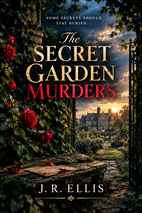
If you finished J. R. Ellis's The Secret Garden Murders and still have questions, you're not alone. This page walks through what literally happens at the end, why the story closes that way, and where each character lands. We keep the big reveals below a clear spoiler warning, so you can read safely first.
The Ending, Explained
ListenWhat Happens at the End of The Secret Garden Murders
The case closes with arrests and confessions. Laura Thornton is arrested at St Martin's school and confesses to the murders of Clarissa Morden and Anne Lennon, naming Richard Cooke as her partner and describing their blackmail motives and the coal-chute and cold-frame scheme. Richard is caught by DC Newbold while fleeing over Margaret Summerfield's garden wall after attacking her with a cord; in interview he confesses to conspiring with Laura, murdering Clarissa and Anne, and attempting to kill Margaret. The final chapter then shows the fallout: St Martin's staff are devastated, Georgina takes time off, Marilyn Hinton has to face shocked parents, and tabloid headlines about children being taught by a killer make the scandal worse. Austin Lewis stays away from the school, faces a no-confidence vote, resigns from the governing body, is exposed for his relationship with Laura, sees his reputation destroyed, moves away, and is divorced by Jeanette. At Bishop Hewick Hall, June Kendal, Paul Nelson, and Lesley Stevenson are white-faced; Oldroyd and Andy clear the incident room, and Oldroyd explains that Richard killed because Clarissa was blackmailing him over not completing his horticultural course. Oldroyd notes that the trustees might have forgiven Richard, making the crime even more tragic, and that innocent families suffer too.
In Leeds, Steph's father Kevin visits unannounced. He is nervous, dishevelled but not drinking, and has booked into an inn rather than presume he can stay. Jamie is shy at first, but Kevin is tearful with joy at meeting his grandson, and Steph reassures him that she and Andy want him in Jamie's life. She invites him back the next afternoon, and the visit becomes a small step in rebuilding their family.
The day of the Gardens Open in New Bridge arrives. Deborah is stressed but organized; Alison helps Oldroyd sell plants, while the cats hide from the crowds. DCS Walker arrives with his commanding wife Gillian, who praises Deborah's effort and leads Walker off on a garden tour while he follows meekly. The plant stall sells well, Deborah is pleased about money raised for the hospice and interest in environmental and diversity measures, and Beatrice Simpson appears so Oldroyd can return her book on walled gardens. In a quiet lull, Deborah brings tea and chocolate cake, Luna appears and is fed, and Oldroyd says he has enjoyed the day despite bluffing his way through plant advice. He teasingly mentions building an underground fireplace and hot wall to grow peaches, and Deborah grabs a bamboo cane and chases him laughing into the garden.
The Ending, Explained
The ending resolves the locked-garden mystery through the secret physical route Oldroyd discovers: the walled garden's hot-wall/coal-chute structure and the removable cold-frame panel allow the killers to enter and leave while the door is bolted from inside. The why is blackmail. Clarissa Morden built a system of control by finding out vulnerabilities and demanding what her victims could afford, and the novel shows that system creating further crimes. Richard Cooke kills to keep hidden that he did not complete his horticultural course; Laura Thornton is vulnerable because of her affair with Austin and her job; Anne Lennon tries to become a blackmailer herself and is murdered for it; Margaret Summerfield copies Clarissa's methods and is charged for blackmailing Richard and removing a page from the notebook. The final chapter stresses the irony Oldroyd names: people so afraid of losing something do things that make them lose everything.
The ending also completes the novel's garden symbolism. The walled "secret garden" has finally yielded its secrets, but the village's hidden lives have been exposed with it. The Gardens Open is the opposite of the locked garden: a communal, open event that raises money for the hospice and brings people together. Alison frames the moral explicitly when she says evil can spread like a disease, with Clarissa as the plague-bearer, but that kindness and virtue can also inspire imitation. The final playful chase between Oldroyd and Deborah returns the story to ordinary domestic life after the murders, showing recovery and affection rather than secrecy and violence.
The aftermath also refuses to tie everything into a neat happy ending. The school and hall are left with long-lasting shock and media attention, and Oldroyd notes that the innocent families of those convicted suffer greatly. Austin Lewis's self-protection destroys his reputation, while Kevin's visit offers a quieter counterpoint: a damaged family trying to rebuild. The book ends on the garden event and Oldroyd's joke about peaches, but the consequences of the blackmail and killings remain as a background cost.
The ending hits harder if you see how you got there.
The ending of The Secret Garden Murders makes more sense with the full plot.
Read the full plot, chapter by chapterWhere Every Character Ends Up
Questions the Book Leaves Open
- The exact sentences for Laura Thornton, Richard Cooke, and Margaret Summerfield are not given; Richard is said to face a long prison term with possible mitigation for blackmail.
- The longer-term recovery of St Martin's school and Bishop Hewick Hall from the scandal and media attention is not shown.
- Whether Mark Moorhouse's withheld conviction becomes publicly known at Rustic Furniture is left uncertain; he is merely relieved that the police have not said anything.
These are answered in the chapter summary. See the full plot →