The Housewife Ending Explained
by Natalie Barelli
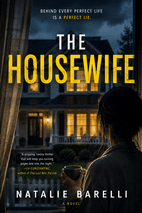
The ending of The Housewife leaves you with a lot of questions, which is why we're here. This page breaks down what literally happens in those final scenes, why the story closes that way, and exactly where each character lands. No answers are given until after the spoiler warning, so read safely.
The Ending, Explained
ListenWhat Happens at the End of The Housewife
At the end of the closing sequence, Jodie holds Marie at gunpoint in the kitchen, ties her to a chair, and forces a confession. Marie admits she drugged both Deborah and Jodie, injected them with disfiguring substances, and killed Deborah by shooting her while forcing Deborah's hands around the rifle to stage a suicide. Jodie then reveals she is really Joanne, Deborah's sister. When Roy comes home, he admits he was with Veronica on the day Deborah died and had called her a client as an alibi; in the struggle over the rifle Jodie shoots Marie in the face and runs outside calling for help. At the police station she tells a fabricated story blaming Roy for both Deborah's and Marie's deaths, using Veronica's letters as evidence. At Roy's trial she testifies through fake tears, claiming Marie was her ally and Roy murdered Marie in a rage. To her horror the prosecution calls Mikey, who testifies that he saw someone enter Deborah's house that day; Mikey points at Roy, not Marie, giving the prosecution its missing witness. Roy is convicted of Marie's and Deborah's murders, acquitted of Veronica's death for lack of evidence, and sentenced to life without parole.
The Ending, Explained
The ending completes Jodie's revenge arc while complicating it. Her investigation was built on the conviction that Roy murdered Deborah, but the confession scene reveals Marie was the actual killer, obsessed with Roy. Roy was guilty of imprisoning and gaslighting Deborah and lying about his alibi, but not of pulling the trigger. Jodie's choice to frame Roy rather than tell the truth shows that her goal is punishment, not justice. She uses the legal system performatively, crying on cue and fabricating details, and she is rescued by Mikey's unexpected testimony: the boy who cannot hear becomes the one witness who tells the truth, pointing at Roy and securing the conviction she wanted. The setup pays off because Jodie's old skills at deception and performance, learned in childhood and in prison, allow her to escape accountability for Marie's death.
The ending hits harder if you see how you got there.
The ending of The Housewife makes more sense with the full plot.
Read the full plot, chapter by chapterWhere Every Character Ends Up
Questions the Book Leaves Open
- Will Bates truly keep the burned photograph secret, or will he eventually tell his superiors?
- Could any record or copy of the checkpoint photograph still surface and expose Jodie?
- Was Veronica's death truly accidental, or did Roy play a role despite being acquitted?
- Will Jodie's hidden past ever reach Dolores and Mikey, the family she says she has found?
- If Jodie's fabricated court testimony were ever reexamined, could Roy's conviction come under question?
These are answered in the chapter summary. See the full plot →