Bad Words Ending Explained
by Rioghnach Robinson
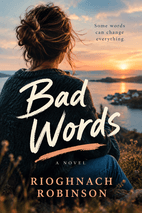
If you finished Bad Words and still have questions, you are not alone. This page walks through what literally happens at the end, why Rioghnach Robinson chose to leave things that way, and where each character lands. No spoilers here, just a heads up. The full breakdown waits below the warning, so read on only when you are ready.
The Ending, Explained
ListenWhat Happens at the End of Bad Words
Parker wakes beside Selina in the final chapter. They joke that she could fix his lack of books by joining forces, and he realizes the joke is really about moving in together; he knows either he will have her for the rest of his life or think about her for the rest of his life. Then he opens his phone and sees notifications about a tagged photo of them at Scott's party, with social-media users speculating that their feud was a PR conspiracy; Lola Xu posts 'Interesting developments,' and replies question Selina's credentials. Selina takes the phone, deletes his social-media apps one by one, tosses the phone into the hammock, and asks what he was saying. He pulls her in, kisses her, feels something untie, and decides to let public judgment stay outside. They spend the day getting coffee, visiting an art gallery, browsing bookstores without Parker checking his stock, and returning home to read and work; Parker calls family while watching spring arrive. He is done scoring points in public.
By late April, High and Dry has fallen off the bestseller charts after ten weeks, but it earned out its advance; Parker will receive royalties, and Lauren convinces Coronation to buy his next two books on proposal for fifty thousand dollars apiece. Bill tries to negotiate higher, and Lauren tells him not to push his luck. In mid-May, Parker and Selina visit Elena and her girlfriend Katy in Boston; Katy is a fan of Selina's reviews, and Elena asks Parker about his mental health. He says he has not had a really bad day since February. After his last post about High and Dry, Christi and Kevin sent sympathetic texts, and Justin called and talked for an hour about Parker's college downward spiral. Back in Brooklyn, Parker asks Arthur to move out; Arthur says he knew this was coming, takes a lease takeover, and Selina gives him keys.
By June, Arthur's boxes are gone, Selina sets up a home office in his old room, and she calls her parents there every few weeks, sometimes leaning into Parker afterward. City has settled into remote work; Selina attends Friday staff meetings at Scott's brownstone, the magazine saves money on office space, and Scott regains editorial oversight from Nextward Capital Associates. When City's front page finally clears, Parker and Selina celebrate with a picnic. They read side by side, annotate pages, and exchange praise; Parker thinks they may be unreliable sources now, but he has finally found the right words and wants to spend the rest of his life saying them.
The Ending, Explained
The ending resolves the novel's central antagonism by converting public literary warfare into private intimacy. Parker and Selina begin as critic and reviewed author, then move through viral confrontation, mutual defenses, a truce, emails, New Year's Eve, the City interview, and sex. Their relationship breaks when Parker's on-record comments and group-chat messages help Brian Falwell's humiliating profile of Selina, and Lola Xu's thread attacks Parker. But Parker publicly defends Selina and reveals his suicide plan at 22; Selina defends him despite backlash and later chooses 'the inside' over clean critical judgment. Their reconciliation in the Book Bar establishes that what they said in secret is real. The final chapter therefore does not seek public vindication. It shows Parker and Selina choosing each other over the internet's judgment, which pays off the novel's themes about criticism, public persona, and being seen. Selina deleting Parker's apps is the concrete action that makes the choice real.
The ending also settles the professional pressures that drove the feud. High and Dry earns out and buys Parker a future in publishing, while City survives by going remote, saving money, and allowing Scott to regain editorial oversight. This is not total victory: the book drops off the charts, the public speculation continues, and Lola Xu keeps posting. But the narrative treats those as outside forces that no longer control Parker's inner life. Parker's mental-health arc is important: he says he has not had a really bad day since February, and his siblings respond to his vulnerability with unexpected care. The final line, that he has found the right words and wants to spend his life saying them, connects his identity as a writer to his love for Selina. The ending means that private truth and care matter more than winning a public argument, and that love can be a place of belonging rather than another arena for scoring points.
The ending hits harder if you see how you got there.
The ending of Bad Words makes more sense with the full plot.
Read the full plot, chapter by chapterWhere Every Character Ends Up
Questions the Book Leaves Open
- Whether City Magazine's finances and funding are permanently secure, especially after the Densmore Foundation threatens to pull support because Selina defended Parker; the final chapter says remote work helps and Scott regains editorial oversight but does not show Densmore resolved.
- What happens with Hayden Fairbanks after Scott regains editorial oversight from Nextward Capital Associates; her position and response are not shown.
- How long and how intensely the public speculation and harassment will continue; Lola Xu's 'Interesting developments' thread and the PR-conspiracy theories remain live even though Parker and Selina stop engaging.
- Whether Selina's relationship with her parents fully heals; she calls them every few weeks in the final chapter, but the conversations are restrained and the estrangement is not shown resolved.
- Whether Parker and Selina marry or make their commitment official; the ending shows them living together and Parker wanting the rest of his life with her, but no formal step is described.
These are answered in the chapter summary. See the full plot →