A Voice in the Dark Quotes
by Barbara Nickless
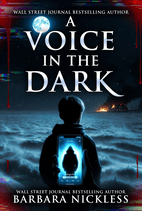
This collection pulls from the novel's sharp dialogue, vivid narration, and raw inner monologue. You will find gut punching lines from Katelynn's perspective, tense exchanges between characters, and haunting reflections from a private investigator. What makes A Voice in the Dark so quotable is its unflinching honesty about family, trauma, and the hidden battles we fight. Every quote feels earned, often hitting you sideways with a truth you didn't realize you needed to hear.
Top Quotes from A Voice in the Dark
“Sometimes Katelynn hates her twin brother as much as she loves him.”
Opening line of the chapter, introducing Katelynn's conflicted feelings about Jason.
It instantly captures the complexity of sibling love and hate, drawing readers into the emotional core.
“She suddenly gets it: Jason is considering suicide. Probably he’s been thinking about it for a long time, and she's been too stupid to see.”
Katelynn realizes Jason is suicidal after finding him holding a gun over Eric's body.
The stark admission of guilt and the devastating clarity make this a gut-punch moment that defines the tragedy.
“For a second the old Jason is back. There's a spark in his eyes. “Run, Katelynn,” he rasps. “Run!””
Jason warns Katelynn to run after she discovers him with the gun and Eric on the floor.
The brief return of the 'old Jason' and his urgent plea heighten the horror and redemptive selflessness in a dire moment.
“The whisperer in the night. The ghost in the machine. The voice of my nightmares.”
The narrator internally describes the mysterious figure known as the Midnight Man.
These hauntingly poetic phrases evoke a pervasive sense of dread and establish the psychological depth of the antagonist.
“I don’t believe in evil as a malevolent force. I believe in trauma, pathology, broken brains. We don't need the devil when we've got ourselves.”
Helen reflects on the Derrick Tremblay case and her personal philosophy.
A powerful philosophical statement that defines her worldview and the novel's exploration of criminal psychology.
“His agony is how I imagine the despair of bewildered teenagers everywhere, sucked into the vicious maelstrom of social media, where clicks and likes define your self-worth and spit back a constant message: You aren't enough.”
The narrator reflects on Edvard Munch's The Scream and connects it to the adolescent experience of social media validation.
This line powerfully captures the universal anxiety of digital-age teens, making the novel's central themes of isolation and manipulation visceral and relatable.
“In other words, just because you're paranoid doesn’t mean they're not out to get you.”
Benedict considers his own paranoia while walking at night, recalling Carl Jung's idea that paranoia can stem from hidden knowledge.
A memorable inversion of the common saying that validates the reader's suspicion and heightens the thriller atmosphere of the chapter.
Themes Behind the Quotes
A central theme is the fractured bond between siblings, especially when one is drowning in darkness and the other struggles to save them. Another thread is the exploration of trauma, memory, and whether evil comes from a supernatural force or from broken minds shaped by pain. The novel also confronts the corrosive power of social media, where validation is fleeting and despair can be amplified. Beneath it all runs a current of hope battling disillusionment, as characters reckon with their obligations to each other and the cost of seeking the truth.
Quotes by Chapter
1
“What's it going to take for Mom to get real about whatever's happening with Jace?”
Katelynn reflects after her mother dismisses her concerns to focus on work.
This line encapsulates the frustration of a teenager trying to be heard, resonating with anyone who feels ignored.
2
“She could have turned on her heel, but instead she'd smiled like she’d found home.”
The narrator recalls Livvie's first visit to the boxing gym, where she hesitated but then smiled as if she belonged.
This line captures the instant sense of safety and acceptance that the gym provides for Livvie, resonating with anyone who has found refuge in an unexpected place.
“I learned boxing from my uncle. Not because he thought girls belong in the ring, but because—as a private investigator—he'd seen what girls had to put up with. He wanted me to be able to take a punch from an assailant and bounce right back up, swinging.”
The narrator explains her personal motivation for learning to box, rooted in her uncle's concern for women's safety.
This passage reveals the narrator's own vulnerability and the practical empowerment that drives her, making her a layered and relatable protagonist.
“You remember Derrick Tremblay? We were right. He had help.”
Detective Clif Burgess texts the narrator about a past case, confirming that the killer had an accomplice.
The terse urgency of the message reopens old wounds and introduces a looming threat, heightening the tension and setting the plot in motion.
3
“You don’t get used to murder. You just find a way to live with the constant heartbreak of man’s inhumanity to man.”
Opening lines as Helen reflects on her career facing violent crime.
Sets the somber tone of the novel and captures the emotional burden of witnessing violence.
“But five years into witnessing the worst humanity can do, I still get ill viewing the wreckage.”
Helen describes her physical reaction to crime scene photos of the Heath murders.
Highlights the contrast between her professional competence and human vulnerability, making her relatable.
“A therapist told me my headaches come from repressed trauma. She said I'd seen something terrible when I was a kid, and the headaches mean there's a war going on between my desire to remember and my need to repress.”
Helen explains the origin of her chronic headaches to the reader.
Adds psychological depth and hints at a traumatic backstory, creating intrigue about her past.
4
“They are free and will move into the real world, all together. But I, Iam in blood. I am steeped in it. For me, there is no hope.”
Jason's alleged suicide note, read aloud by the narrator, echoes Macbeth and describes his belief that his family is now free through death.
The chilling misquote and the raw admission of hopelessness reveal the twisted logic behind the murders, haunting the reader with its delusion.
“But I am ruined. How did it come to this? I am in blood. I am steeped in it.”
The narrator reads a copy of Derrick's suicide note, which closely mirrors Jason's in its Macbeth reference and language.
This parallel between two separate killers suggests a shared manipulation source, deepening the mystery and the sense of a sinister pattern.
“A lot of the time, hope is what we deal in at VCAC. It keeps us showing up at the office every day. But we also swim neck-deep in the flip side of hope, which amounts to soul-crushing disappointment.”
After learning Jason's body has been found, the narrator reflects on the emotional toll of working with victims and their families.
This honest, gritty insight into the protagonist's work humanizes the narrator and underscores the high stakes of the case.
5
“The empty space where a boy died under a lonely sky.”
The detective observes the field where Jason Heath's body was found, a bleak winter landscape.
This line encapsulates the profound loneliness and tragedy of the scene, evoking a visceral emotional response.
“I'm both jubilant and horrified. Benedict and I were right. But another family has died because we couldn't convince anyone of the truth.”
After seeing the footprints that confirm the existence of the Midnight Man, the detective grapples with mixed emotions.
It captures the moral complexity of being validated in a theory while bearing the weight of preventable tragedy, a powerful internal conflict.
6
“She's the flier; the risk of catastrophe is hers. So is the glory.”
Katelynn reflects on her role as the top of the cheerleading pyramid, aware of both danger and acclaim.
This line perfectly captures the high-stakes thrill of being the star performer, where success and disaster are equally possible.
“Then the hands holding her begin to shake.”
The stable pyramid suddenly falters, signaling the intrusion of a terrifying shift in reality.
A single, stark sentence that marks the precise moment triumph turns to dread, creating immediate tension.
“He’d been weeping. Apologizing. Clinging to her before he was torn away and taken out into the night.”
A flashback to Jason, whose desperate farewell haunts Katelynn as the hallucination collapses.
The fragmented, visceral rhythm of these three images conveys trauma and loss, grounding the surreal horror in emotional pain.
7
“Years later, he still wakes up at 2:00 a.m. Some nights, the abyss stares back.”
Benedict reflects on the lingering trauma from his time assisting with exorcisms, which still disturbs his sleep.
This haunting line captures the lasting psychological impact of confronting evil, using the abyss metaphor to convey how trauma can feel like a reciprocal gaze.
“He'll keep moving through Eidolon's dreamlike corridors and cobbled paths, gathering roots and feeding temple spirits.”
After another failed attempt to access Underland, Benedict resolves to continue his undercover work in the game.
The contrast between the peaceful, whimsical game tasks and his grim mission creates a poignantly determined resolve that underscores his perseverance.
“In Eidolon, he's a narcissistic teen, filled with hurt and rage. Exactly the kind of boy Midnight Man likes.”
Benedict reveals the persona he adopts in the online game to attract the attention of the predator Midnight Man.
This chilling final line succinctly exposes the vulnerability that predators exploit and the sacrifice Benedict makes, leaving a strong, unsettling impression.
8
“For those of us who didn’t get the shiny childhood we were promised, there are obligations.”
Helen reflects on her own difficult childhood while thinking about Katelynn and her dog Daisy.
It captures the sense of duty born from personal hardship, resonating with readers who have experienced disappointment. The line is poignant and universally relatable.
“But not this time, Helen. This time we find him.”
Clif tells Helen that the Midnight Man will not escape again, referencing their past failure at the Tremblay trial.
This dialogue shows Clif's fierce determination and personal investment, creating suspense and emotional stakes. It's a rallying cry that drives the investigation forward.
“Before the cancer kills him, is what he means.”
Helen interprets Clif's unfinished sentence about wanting to put the criminal away before his cancer kills him.
The line reveals Clif's mortality and the urgency of the case, adding a layer of poignancy. It's a powerful moment of unspoken understanding between the partners.
“All the things you say to wound and only mean in the heat of the moment.”
Helen reflects on the lies she told Benedict when he left her, admitting she only meant them in anger.
It captures the raw regret and complexity of human emotions in relationships. Readers connect with the idea of saying hurtful things they later regret.
9
“Sharing in this loss of privacy feels like kicking a corpse.”
The narrator reflects on the invasion of victims' privacy when crime scene investigators see their messy homes.
The visceral metaphor captures the narrator's empathy and discomfort, making the reader feel the ethical weight of examining a murder scene.
Read A Voice in the Dark (Benedict Hoffman and Helen Belle Book 1) in context on the summary page.