The Sleep Thief Themes
by Ibtisam Azem
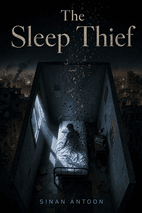
Underneath its plot, The Sleep Thief is really about displacement getting inside people. Gharib’s name signals estrangement, characters push against state categories and everyday suspicion, and memory fights official erasure. Fear lives in phones, interrogations, protests, and bombings. Sleep brings recurring dreams, guilt, and unfinished burial, while grief and love expose family duty and cowardice.
On this page you’ll find those themes tied to concrete moments: belonging and estrangement, memory and erased homes, surveillance and protest violence, cursed sleep and guilt, grief and orphanhood, and love undone by inaction, including the narrator’s loss of Hamsa. We also trace the symbols: water and remembered grief, the crow as bad omen, the orange’s erased history and armed resistance, and the dot on Kha’ as fear threatening to devour the self.
Major Themes in The Sleep Thief
Estrangement, identity, and belonging
The novel ties Gharib’s name to estrangement and shows characters struggling against state categories and everyday suspicions. Belonging is repeatedly claimed, refused, or exposed as unstable, from the market to the airport to the police station. Identity becomes something imposed by IDs, accents, passports, and other people’s fears.
- The narrator links “Gharib” to the Arabic root gh.r.b, which yields terms such as estrangement, strange, and stranger.
- At Ben Yehuda Market, Gharib avoids open Arabic and communicates with Ahmad in whisper-glances to avoid revealing their Arabic.
- At the airport, Gharib reflects, “My country? Yes! My airport? Yes. But not my government, not my flag, not my symbols, not my passport.”
- Nada refuses to be called Arab, Israeli Arab, or Palestinian and insists, “I only want to be Nada.”
Memory, loss, and erasure
Characters try to preserve names, places, and the past, but the novel keeps showing how memory is haunted by displacement and official erasure. Homes, trees, museums, and family stories carry what has been lost or omitted. The past returns as a presence that cannot quite be touched or buried.
- Gharib researches possible meanings of “Palestine” and repeats the word to himself, wanting to remember the country even if its use is banned.
- In Dany’s garden, Gharib tries to touch a woman weeding the mint and his fingers pass through her.
- At the Russian Compound, the narrator notes that the museum story includes Jewish resisters but no Palestinian resisters, and calls “We are ghosts.”
- The narrator recalls the chestnut tree in ‘Ayn Karim being chopped down, after which he decided to leave Jerusalem for Tel Aviv.
Fear, surveillance, and political violence
Fear runs through daily life as surveillance, interrogation, protest violence, and bombing. The state’s gaze and physical force are felt in phones, official letters, police cars, and museums. Violence also dehumanizes, leaving characters covered in ants, searched for among corpses, or treated as suspicious by definition.
- Crackling on the phone-sex line makes Gharib imagine Shin Bet surveillance, and the name Argos evokes “the one with a hundred eyes.”
- At the protest, Gharib is slapped, dragged by the neck, stuffed into a car, thrown onto Haifa’s shore, and left covered by ants.
- A suicide bombing sends people running; Gharib worries Ahmad will be attacked and searches the café for Shahin among the corpses.
Sleep, dreams, and recurring guilt
Sleep and dreaming are cursed rather than restful, and the same dreams return with guilt, fear, and unfinished burial. The narrator’s sleep-thief dream and Gharib’s recurring museum dream both trap the dreamer in harm they cannot undo. Waking does not resolve the dream’s obligations.
- The narrator is given the gift of stealing sleep but steals their family’s lives despite themself and remains a sleep thief in the recurring dream.
- In the recurring museum dream, Gharib recognizes Alya displayed as an automaton baking taboon bread, later finds her dead but displayed, carries her to the shore, and wakes before burying her.
- The narrator describes fear as the dot above the alligator-like Arabic letter Kha’ and dreads phone calls and official letters.
Grief, orphanhood, and family bonds
Grief is bound to family, homeland, and the unequal claims tradition makes on individuals. The novel shows mourning as both intimate and political, from Alya’s tears over her mother to Salma’s refusal of inheritance. Family meals and phone calls become sites of loss, conflict, and silence.
- Alya breaks down when Hamdan asks about her mother, and Hamdan tells her, “We are orphaned, now, Alya.”
- The grandfather says he has never drunk water without remembering his mother asking him for water before she died.
- Salma refuses to sign the inheritance papers and tells her father she will love him half, cry with one eye, and recite half the Fatiha over his grave; the narrator feels he betrayed her by staying silent.
Love, cowardice, and inaction
Romantic love is repeatedly marked by failure to act, speak, or confront family authority. The narrator’s loss of Hamsa is tied to his admitted cowardice, and Gharib’s memories of Hamsa interrupt present desire. Watching, waiting, and staying frozen become ways of losing the beloved.
- The narrator holds Hamsa’s wine-red scarf and says he died when she was absent, only coming back to life when he sees her on the bus.
- He admits he “was a coward” about confronting his father over marrying Hamsa, and on the bus he chooses not to wake her or kiss her because they are no longer together.
- At Jaffa’s al-Sa‘a Square, Hamsa wakes, looks for someone at the bus stop, and leaves while the narrator remains frozen and watches her disappear.
- At Dany’s party, Gharib flirts with a French exchange student, but a memory of Hamsa kills his desire and he retreats to the kitchen and then the garden.
Symbols and Motifs
Water
Water represents loss, tears, and remembered grief, especially around Alya’s family and the grandfather’s memories.
- The father spills water bottles after Alya complains about a child spilling water, then leaves; Alya mops the floor and cries.
- The grandfather erupts at Alya, saying he has never drunk water without remembering his mother asking him for water before she died.
The crow
The crow is a bad omen and a herald of foreboding.
- Gharib packs Ted Hughes’s Crow for his Cyprus trip.
- He searches in vain for a country where the crow is welcomed as a good omen and admits that, despite himself, he feared the crow as a herald of bad things to come.
The orange
The orange links food and culture to erased history, dispossession, and armed resistance.
- The narrator peels an orange outside al-Moskobiya and recalls the Orange Deal and the museum story of Moshe Barazani and Meir Feinstein, to whom explosives were smuggled inside oranges.
- The narrator argues with Nina about falafel as more than a meal, showing food as culture and symbol.
The dot on the letter Kha’
The dot represents fear and the vulnerable self that fear threatens to devour.
- The narrator describes fear as the dot above the alligator-like Arabic letter Kha’ and calls the dot the self that the alligator will devour.
- He says irrational dread strikes when the phone rings or an official letter arrives.