The Sleep Thief Ending Explained
by Ibtisam Azem
As an Amazon Associate, we earn from qualifying purchases.
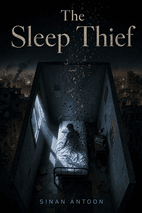
The ending of Ibtisam Azem's The Sleep Thief leaves plenty of readers scratching their heads, and that's fair. This page walks through what literally happens, why the story ends that way, and where each character lands, so you can make sense of it without missing the quieter details.
The Ending, Explained
ListenWhat Happens at the End of The Sleep Thief
The closing sequence of the provided book is not a plot chapter. Chapter 14 is listed only as 'Note to the Reader' with no recorded narrative events, and the final chapter, 'Subscribers,' consists of a long acknowledgment page introduced by 'THIS BOOK WAS MADE POSSIBLE THANKS TO THE SUPPORT OF' followed by an alphabetical roll of named subscribers and supporters. No fictional character acts in this chapter, no scene is dramatized, and no plot thread is resolved; the text is a patronage list.
After the subscriber list, the provided final text continues into promotional pages and excerpts for other books, including The Book of Disappearance, Kieron Smith, boy, Afternoon Hours of a Hermit, Taiwan Travelogue, and The Body of the Thing, each marked with 'Start Reading Now!' links. These are paratextual advertisements, not events in The Sleep Thief. Thus the final chapter text contains no fictional ending scene: it closes the physical book with names of supporters and then with publisher promotions.
If one looks at the last narrative notes before this paratext, the unresolved thread is Nada's: Nada is attacked by dogs, taken to a police station for having no ID, rejects ethnic and state labels, insists on being called Nada, and asks to leave because Nada needs sleep. The final chapter itself does not return to Nada or any other character.
The Ending, Explained
The ending has to be read as deliberate non-closure rather than a conventional resolution. The notes show a book built from fragments, recurring dreams, unresolved encounters, and identity disputes: Gharib's recurring museum dream and unopened letter, Nada's refusal of an ID and of Arab, Israeli Arab, or Palestinian labels, Shahin's disappearance, Hamsa leaving the bus while the narrator stays frozen, and Salma's refusal to sign inheritance papers. Ending with a subscriber roll rather than a final scene keeps those threads suspended and shifts the closing gesture from plot to collective acknowledgment.
That shift fits the book's preoccupations with names, memory, and erasure. Gharib obsesses over the meanings of words and the name 'Palestine'; Nada insists 'I only want to be Nada'; the museum sequence omits Palestinian resisters; Alya and Hamdan recognize orphanhood over the phone. A list of names at the end is not a resolution of those themes, but it does place naming and communal support on the final page. The promotions that follow are outside the fiction, so they should not be read as a hidden epilogue or as character fates.
The notes do not provide a later event that overturns the open endings, so the safest explanation is that the novel withholds closure. The final chapter's function is material and communal: it records the patrons who made the book possible. The story's unresolved questions remain unresolved.
The ending hits harder if you see how you got there.
The ending of The Sleep Thief makes more sense with the full plot.
Read the full plot, chapter by chapterWhere Every Character Ends Up
Questions the Book Leaves Open
- What happens to Nada after the police station? Does Nada give an ID, leave, or face Salim's complaint?
- What is in the real museum invitation Gharib leaves unopened, and does he ever bury Alya outside the recurring dream?
- Where did Shahin go after leaving Jerusalem, and did he survive the bombing?
- Will the narrator ever speak to Hamsa, and whom was she looking for at the bus stop?
- Will Salma sign the inheritance papers, and will the narrator ever back her against their father?
- Who is the woman weeding the mint in Dany's garden, and what does Dany's claim about the house's owners mean for Gharib?
- What is the ticking heard by Gharib and the narrator, and is it connected to the sleep-thief material?
- Does the recurring dream resolve, or does Gharib remain a sleep thief?
These are answered in the chapter summary. See the full plot →