Presumption of Guilt Ending Explained
by Peter Kirkland
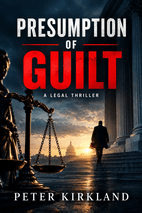
Finished Presumption of Guilt and still have questions? That ending can feel like a lot to unpack. This page walks through what literally happens, why Peter Kirkland chose to end it that way, and where each character lands. No spoilers here, just a heads up before the full breakdown begins.
The Ending, Explained
ListenWhat Happens at the End of Presumption of Guilt
After the jury returns a not-guilty verdict for Destiny Harris, Lily Greco shields her from reporters, drives her safely to her car, and takes Merlin on a long hike. The closing sequence then moves to Thanksgiving at Mrs. Greco's house, where Destiny and Jasmine join the family. Snow falls, Merlin plays outside, and Destiny brings baked mac and cheese. Lily serves cherry pie made from Sophia's recipe. Destiny says it is a relief that "that man" is finally behind bars. The narration explains that Novak indicted Andrew Davis for first-degree murder shortly before Halloween; this time Davis did not get bail. His parents are paying his lawyer, and Lily and her family are on the sidelines as the victim's family, able only to follow the case and hope for a conviction.
Lily also reviews the unresolved pieces of Shannon O'Neill's murder. Haley DeMarco has been arrested, but there are competing stories about her motive. Novak's press conference alluded to an effort to silence Shannon about "certain activities at the prison," which Lily reads as the drug-smuggling scheme. Lily's father has heard from a source that Nyesha Walker is refusing to talk to police and has hired a Pittsburgh defense lawyer specializing in drug-related crimes, though the news has not reported that. The town grapevine says Haley was having an affair with Warden McCallister. Dr. Pavlik found no more useful evidence on Shannon's phone—only everyday photos—so Lily gives a flash drive of copies to Novak for Shannon's parents. She hopes Haley's case goes to trial so the story comes out, but knows a plea deal could bury it.
At the table, Lily clears plates and tells Destiny to enjoy her daughter and the holiday. Her mother, emotional over the cherry pie, suggests saving some for Lily's dad; Lily plans a second Thanksgiving with him. Jasmine overhears and asks whether Lily's daddy lives in a different house too. Lily says he does but that she still sees him a lot. Merlin appears at the window, paws up, barking for pie. Lily puts turkey on a saucer, gives it to Jasmine, and lets Merlin in. Merlin inhales the turkey and licks Jasmine's cheek; she drops to the floor laughing. Lily looks at Destiny and sees her exhaustion vanish: her daughter's helpless, joyful laughter is, to Destiny, life itself.
The Ending, Explained
The ending resolves the central trial by acquittal, but it deliberately refuses to tie up every thread of justice. Destiny is free because Lily's defense built reasonable doubt: the state could not show Destiny fired the gun, Shannon's missing phone contained video of a hidden cavity in the prison shower, and Haley DeMarco had bypassed the metal detector with a bag. The jury's not-guilty verdict pays off the book's legal-suspense setup and gives Destiny her life back with Jasmine. Yet the final chapter emphasizes that the legal system can deliver a personal victory without delivering complete truth or accountability. Andrew Davis is finally indicted for first-degree murder, but his parents' money and the family's sidelined position mean Lily cannot control the outcome. The novel ends with her preparing to pray for a conviction, acknowledging that a killer may still beat the system.
The Thanksgiving scene is the emotional payoff. Sophia is absent, but her cherry pie recipe brings her into the room; the family's grief is still present, yet they are sharing a holiday and inviting Destiny and Jasmine into their home. The unresolved prison-corruption story—Haley's arrest, Nyesha's silence, the rumored affair with the warden, the drug-smuggling scheme—hangs over the ending and shows that Shannon's murder had roots beyond a simple love triangle. By ending on Jasmine laughing as Merlin licks her face and Destiny's exhaustion vanishing, the book locates meaning not in total justice but in survival, motherhood, and small joys. Victory and justice are not the same thing, but the ending suggests that love and community can still be reclaimed in the aftermath.
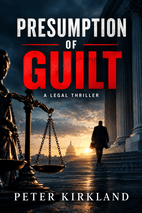
The ending hits harder if you see how you got there.
The ending of Presumption of Guilt makes more sense with the full plot.
Read the full plot, chapter by chapterWhere Every Character Ends Up
Questions the Book Leaves Open
- Whether Andrew Davis will be convicted of first-degree murder or beat the charges with his parents' money.
- What really happened the night Shannon O'Neill was killed: whether Haley DeMarco acted alone, what her motive was, and how the prison drug-smuggling scheme and rumored affair with Warden McCallister connect.
- Whether Haley DeMarco will plead guilty or go to trial, and whether the full story ever becomes public.
- What Nyesha Walker's role was and whether she faces charges in the drug-smuggling investigation.
- What will happen to Destiny and Darius's marriage and to Destiny's rebuilding after the trial.
- How Lily's legal career and family relationships will continue, with the book ending as a series setup.
These are answered in the chapter summary. See the full plot →