A Long Way Gone Quotes
by Ishmael Beah
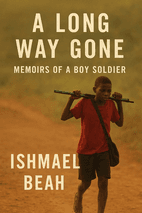
These quotes come straight from Ishmael Beah's memoir of his time as a child soldier in Sierra Leone. You will find lines that are raw and haunting, but also moments of surprising tenderness and hope. What makes this book so quotable is its honesty. Beah doesn't flinch from the horrors he witnessed, yet he also captures the small acts of kindness and the stubborn will to survive. Each quote feels like a snapshot of a world turned upside down, where innocence is stolen but not completely lost. The language is simple and direct, which makes the emotions hit harder. Whether it's the grief of losing family or the strange comfort of a moonlit night, these are words that stay with you.
Readers often come back to these passages because they speak to universal human experiences. The fear of change, the ache of memory, the desperate need for connection. Beah's voice is that of a boy forced to become a man too soon, yet he never loses his ability to wonder about the world. That blend of pain and curiosity makes his words both heartbreaking and inspiring. These are not just quotes about war. They are about what it means to keep living when everything falls apart.
Top Quotes from A Long Way Gone
“The mother clung to her child and rocked her. She was in too much pain and shock to shed tears.”
A woman at Kabati whose baby was shot dead clutches her child.
This image of a mother unable to cry captures the numbing horror of war and the depth of loss beyond tears.
“Memories I sometimes wish I could wash away, even though I am aware that they are an important part of what my life is; who I am now.”
The narrator reflects on his painful memories after waking from the nightmare.
It eloquently expresses the ambivalence of trauma—the desire to forget coupled with the recognition that these experiences shape one's identity.
“I stayed awake all night, anxiously waiting for daylight, so that I could fully return to my new life, to rediscover the happiness I had known as a child, the joy that had stayed alive inside me even through times when being alive itself became a burden.”
The narrator describes his sleepless night in his new home in New York City.
This passage highlights his resilience and yearning for innocence, showing that even amidst profound suffering, a spark of childhood joy endures.
“These days I live in three worlds: my dreams, and the experiences of my new life, which trigger memories from the past.”
The narrator sums up his current mental state at the end of the chapter.
It encapsulates the fragmented reality of a war survivor, where past trauma, present life, and dreams constantly intersect and blur.
“It was a typical aspect of being in the war. Things changed rapidly in a matter of seconds and no one had any control over anything.”
After the money they risked their lives to retrieve becomes useless because no food is for sale.
This line encapsulates the chaos and helplessness of war, where logical decisions can become meaningless in an instant.
“I used the only freedom that I had then, my thought. They couldn't see it.”
During the rebels' interrogation of the old man, the narrator silently questions their cause.
This line celebrates the resilience of the human mind as the last bastion of liberty in the face of total oppression.
“If you are alive, there is hope for a better day and something good to happen. If there is nothing good left in the destiny of a person, he or she will die.”
The narrator recalls his father's words while struggling through the forest.
This aphorism becomes a driving force for survival, encapsulating the theme of hope in the face of despair.
Themes Behind the Quotes
One major theme is the loss of childhood and the theft of normalcy. The boys in this story are ripped away from their families and their playful days. They must learn to survive in a world where trust is a luxury and death is constant. The quotes show how quickly life can change and how the mind tries to protect itself by clinging to memories or escaping into dreams. Another theme is the power of memory and storytelling. Even when the past is full of pain, it shapes who you become. Beah often reflects on the struggle to hold onto good memories while being haunted by bad ones. This tension between wanting to forget and needing to remember runs through many of his most powerful lines.
A third theme is resilience and the search for hope. Despite everything, the characters find small reasons to keep going. A full moon, a kind stranger, or just the fact of being alive. The book emphasizes that hope is not about ignoring reality. It is about choosing to move forward even when you have every reason to give up. Finally, there is the theme of dehumanization and its aftermath. The war turns people into monsters and victims, but Beah also shows that humanity can resurface. The quotes about trust and fear reveal how conflict tears apart communities. Yet moments of unexpected compassion remind us that connection is still possible. Together, these themes make the book a meditation on survival and the cost of war.
Quotes by Chapter
Chapter 1
“THERE WERE ALL KINDS of stories told about the war that made it sound as if it was happening in a faraway and different land.”
Narrator reflects on the stories of war before it reached his town.
This opening line immediately establishes the narrator's initial detachment from the conflict, contrasting with the brutal reality that follows.
“The bullets could be seen sticking out just a little bit in the baby's body and she was swelling.”
The narrator describes the body of a dead baby girl after the rebel attack.
The graphic, matter-of-fact detail forces readers to confront the unspeakable violence inflicted on innocent children.
“Appy things happen when the moon shines.”
Opening line of the chapter, spoken by the narrator's grandmother or a general belief.
This line establishes a sense of innocence and wonder, but the apparent typo ('appy' instead of 'Happy') highlights the imperfect nature of memory, making it a poignant reminder of childhood simplicity.
Chapter 2
“The flies are so excited and intoxicated that they fall on the pools of blood and die.”
The narrator describes the surreal aftermath of violence in a dream.
This grotesque image captures the overwhelming corruption and unnaturalness of war, where even the scavengers are destroyed by the excess of death.
Chapter 3
“They had carved their initials, RUF (Revolutionary United Front), on his body with a hot bayonet and chopped off all his fingers with the exception of his thumbs. The rebels called this mutilation “one love.””
Describing a messenger who arrived in Mattru Jong bearing letters from the rebels.
The brutal irony of twisting a peaceful reggae expression into a method of terror highlights the rebels' sadistic cruelty and the perversion of language in war.
“That night for the first time in my life I realized that it is the physical presence of people and their spirits that gives a town life.”
The narrator reflects on the eerie emptiness after most residents flee into hiding.
This simple, profound observation captures how community and human connection define a place, making the impending violence feel even more devastating.
“You need to know how to cook something for your palampo* life.” She would Pause, give me a piece of dry fish, and then continue: “I want a grandchild. So don't be a palampo forever.”
The narrator recalls his mother’s words from childhood while he strolls through Mattru Jong before the attack.
This tender memory of maternal love and normalcy contrasts sharply with the chaos to come, grounding the reader in what Ishmael stands to lose.
“He cried out loudly and screamed that he was blind. No one dared to go out and help him. He was halted by another grenade that exploded, causing his remains and blood to sprinkle like rain on the nearby leaves and bushes.”
During the escape from the rebel attack, a man is hit by an RPG fragment and then killed by a second grenade.
The visceral, almost surreal imagery of blood falling like rain and the helplessness of the survivors underscores the randomness and horror of war.
Chapter 4
“Tears formed in my eyes, but I was too hungry to cry.”
The narrator thinks about his family and fears for their safety while walking with Junior.
This line starkly contrasts emotional pain with physical deprivation, showing how survival instincts override even grief in war.
“I vomited and immediately felt feverish, but we had to continue on.”
After seeing a corpse with a bullet hole and mutilated bodies on a verandah.
It captures the visceral horror of witnessing violence and the relentless necessity to keep moving despite trauma.
“My heart throbbed with pain as I watched my brother lying on the ground, pretending to be one of the dead bodies.”
Junior and others crawl across a clearing while rebels guard a tower, and Junior feigns death to avoid detection.
This moment is deeply poignant, illustrating the constant threat to loved ones and the desperate measures required for survival.
Chapter 5
“We didn't say a word or even look at each other. Rather, we rushed on the boy at the same time, and before he knew what was happening, we had taken the corn from him.”
The narrator and his starving friends ambush a five-year-old boy eating two ears of corn.
This moment captures the raw desperation of hunger overriding all moral restraint, making the boys' dehumanization visceral and unforgettable.
“I laughed loudly, but I was crying internally and my legs and hands trembled.”
Forced by the rebels to laugh at an old man being humiliated at gunpoint, the narrator hides his terror.
The stark contrast between outward compliance and inner anguish powerfully illustrates the psychological trauma of surviving under coercion.
“The sharp, harsh cry of a woman filled the forest, and I felt the fear in her voice piercing through my veins, causing my teeth to feel somehow sour.”
Hiding in the bush after the rebels' attack, the narrator hears a woman being captured and tortured.
The sensory intensity of this passage makes the reader feel the narrator's visceral dread, highlighting how terror permeates every fiber of being.
Chapter 6
“People stopped trusting each other, and every stranger became an enemy.”
The narrator reflects on the consequences of the civil war.
It succinctly captures the breakdown of social trust and the tragic isolation that war brings.
“He knew my name, my brother's, and those of my friends. He remembered us from performances we had done. None of us knew him, not even by his face, but we warmly smiled as if we recognized him as well. He saved our lives.”
A young man from their hometown recognizes them and confirms their story to the chief.
Highlights the power of community and memory; a moment of salvation through a shared past.
“It was the last time I saw Junior, my older brother.”
The final sentence of the chapter, after the rebels attack and the group separates.
A heartbreaking foreshadowing of loss; the narrator's brother is never seen again.
Chapter 7
“They bound his hands and feet with wire, tied him to an iron post, and set fire to his body.”
The rebels captured the imam after everyone silently left the mosque during prayer.
This passage starkly illustrates the brutal violence of the rebels, making the horror immediate and unforgettable.
“I pressed my fingers on my eyelids to hold back my tears and wished that I could have my family together again.”
The narrator recalls his father's blessing ceremony and the hope for family unity.
It captures the deep, aching longing for family and normalcy amid the chaos of war, resonating with anyone who has lost loved ones.
“I felt as if I was being wrapped in a blanket of sorrow. It came over me instantly. I started to cry. I didn’t know why.”
Right after leaving the hiding place in the swamp, the narrator walks alone on the path.
The raw, unmediated grief and confusion speak to the overwhelming emotional toll of survival and isolation.
“Even a twelve-year-old couldn't be trusted anymore.”
After the suspicious father ignores the narrator's greeting and refuses to help him.
This line succinctly conveys how war destroys innocence and erodes basic human trust, a tragic universal truth.
Chapter 9
“Their eyes still showed fear, as if death hadn't freed them from the madness that continued to unfold.”
The narrator describes the dead bodies he sees in burnt villages during his walk.
This line captures the haunting persistence of trauma, suggesting that even death cannot erase the horror of war.
“I spent the night in the arms of those trees, between earth and sky.”
The narrator finds a tree to sleep in after becoming lost in the forest.
The poetic imagery offers a moment of fragile safety and connection to nature amid the chaos, highlighting both vulnerability and resilience.