A Long Way Gone — Interactive Mindmaps

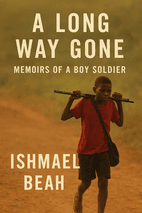
A Long Way Gone by Ishmael Beah  Book Cover

by Ishmael Beah

Ishmael Beah's A Long Way Gone is a harrowing memoir of his experience as a child soldier in Sierra Leone, tracing his loss of innocence, forced conscription, and eventual rehabilitation. It serves as a crucial firsthand account for readers seeking to understand the human cost of war and the resilience of the human spirit.

On Insta.page you also get an Apply This Book tool that lets you combine insights from up to 3 books to solve your specific situation.

Chapter mindmaps

Free preview: chapters 1–4 are fully interactive. Click any node to expand or collapse. Subscribe to unlock the rest.

Chapter 1: Chapter 1

Key concepts: Chapter 1

1. Chapter 1

Initial Perception of War

  • Abstract understanding shaped by movies and distant news reports
  • Detachment shatters when refugees arrive in town
  • Observes trauma in children and adults but cannot fully comprehend it

Daily Life and Creative Outlet

  • Life centered on family, friendship, and American hip-hop
  • Forms a rap group with brother and friends as creative escape
  • Gentle family tensions exist, particularly with father's preferences

Journey to Mattru Jong

  • Innocent trip for talent show filled with playfulness and anticipation
  • Visit to grandmother highlights family connections and concern
  • Normalcy maintained through hip-hop fashion and camaraderie

Confrontation with War's Reality

  • News of rebel attack on hometown shatters normalcy
  • Witnesses brutal aftermath at grandmother's village
  • Visceral images of violence make war concrete and terrifying

Psychological Impact and Coping

  • Experiences psychological fracture and haunting memories
  • Clings to hip-hop and fragile hope as coping mechanisms
  • Attempts to combat horror by recalling peaceful memories

Childhood Ritual and Lasting Identity

  • Returns to personal observation of the moon for comfort
  • Childhood imagination created enduring lunar narratives
  • Early lessons become permanent, comforting part of identity

Chapter 2: Chapter 2

Key concepts: Chapter 2

2. Chapter 2

The Harrowing Dream Sequence

  • Vivid nightmare set in a war-ravaged landscape filled with death and mutilation
  • Narrator pushes a wheelbarrow carrying a white-shrouded corpse with numb detachment
  • Shocking self-recognition upon unwrapping the corpse to reveal his own face
  • Dream blurs nightmare, memory, and reality, establishing trauma's visceral power

Awakening to New York Reality

  • Jolts awake on his floor in NYC, physically affected by the dream's pain
  • Sensory details (red brick wall, rap music) anchor him in present reality
  • Mind involuntarily catapults back to Sierra Leone despite conscious effort
  • Illustrates the constant intrusion of past trauma into present safety

Traumatic Memory: The Soccer Field Attack

  • Crisp recollection of childhood soldier experience during a raid
  • Frantic firefight with another armed group of children on a soccer field
  • Chilling matter-of-fact description of looting and eating amidst corpses
  • Portrays normalization of violence and severing of empathy in war

The Psychological Aftermath

  • Unable to sleep, wraps head in towel to avoid returning nightmares
  • Confronts paradox: wishes to erase memories but acknowledges they define him
  • Realizes he inhabits three coexisting worlds (dreams, NYC present, triggered past)
  • Healing involves constant navigation between conflicting realities rather than escape

Core Themes of Trauma and Identity

  • Trauma manifests physically and psychically, blurring temporal boundaries
  • War's dehumanizing effect, particularly on child soldiers
  • Identity as mosaic of experience where painful memories are fundamental
  • Past violence echoes across time and distance, preventing simple return to innocence

Chapter 3: Chapter 3

Key concepts: Chapter 3

3. Chapter 3

The Ominous Buildup in Mattru Jong

  • Cycle of panic and uneasy calm as terrifying, mutilated messengers arrive
  • Repeated population exodus to the forest, leaving Ishmael and friends behind as guards
  • Poignant memories of peaceful past during brief normalcy, highlighting profound loss
  • Psychological toll: absence of people strips town of life, making nights darker and silence threatening

The Rebel Attack and Town's Collapse

  • Attack begins abruptly with a single gunshot, followed by overwhelming barrage of fire
  • Pure terror as people flee blindly, families torn apart in the stampede
  • Rebels enter joyously, firing into air and corralling civilians toward the river as human shields
  • Government soldiers have deserted, leaving civilians utterly abandoned with no safe direction

Desperate Escape Through the Warzone

  • Only escape route leads through muddy swamp and deadly hilltop clearing
  • Rebels shift from herding to slaughter, firing directly into fleeing crowd to prevent escape
  • Young men face forced conscription and brutal branding with RUF initials if captured
  • Harrowing flight: dodging explosions and gunfire, witnessing gruesome deaths, running over an hour without stopping

Consequences of the Escape

  • Violent severance from former lives and identities
  • Physical survival comes at cost of psychological trauma and complete displacement
  • Group solidarity maintained through worried calls during desperate run
  • Rebels eventually abandon chase, but safety remains uncertain

Chapter 4: Chapter 4

Key concepts: Chapter 4

4. Chapter 4

The Relentless March and Hunger

  • The journey is defined by pervasive, weakening hunger and physical deterioration
  • They survive on scavenged, unripe fruit that fails to satisfy their aching stomachs
  • Acute starvation compels their dangerous decision to return to their occupied hometown

The Desperate Foray into Mattru Jong

  • The once-familiar town is transformed into a silent, corpse-strewn ruin
  • Intimate horrors include a murdered old man in his chair and mutilated bodies with the murder weapon nearby
  • Movement through town becomes a tense survival game, hiding from rebels and navigating like thieves

A Narrow Escape

  • Crossing the swamp clearing becomes a nightmare of crawling among fly-covered corpses
  • Tension peaks when a metallic clang alerts rebel sentries, forcing Junior to play dead among the dead
  • Survival hinges on distraction and swift silence, contrasted with one boy's fatal decision to prioritize his bag over speed

The Bitter Currency of War

  • The money they risked their lives for is useless as the economy of kindness and commerce has collapsed
  • Logical plans are meaningless in a reality where conditions change violently by the second
  • Their final act of stealing food from sleeping villagers underscores how war strips away morality to bare survival instinct

Key Takeaways: War's Transformations and Choices

  • War transforms the familiar into a nightmare, making home a landscape of death requiring enemy stealth
  • Survival demands impossible choices between starvation or execution, ethics or theft
  • Logic becomes a casualty of conflict as well-reasoned plans are rendered futile by chaos
  • Morality is redefined by necessity, with condemned acts becoming the 'only way' to survive

Continue exploring A Long Way Gone