A Long Way Gone Key Takeaways
by Ishmael Beah
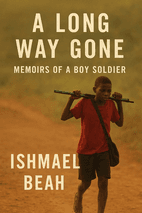
5 Main Takeaways from A Long Way Gone
War forces children into dehumanizing survival choices, eroding morality.
In 'A Long Way Gone,' Ishmael and his friends must steal food and make brutal decisions to stay alive, showing how war corrupts ethical frameworks. For instance, in Chapter 4, theft becomes a necessity, highlighting the moral compromises required for survival.
Trauma can numb humanity, but compassion and connection enable healing.
Ishmael's descent into violence and drug addiction as a child soldier illustrates psychological numbing, yet therapists like Esther help him process guilt. Shared moments, like gazing at the moon in Chapter 16, reconnect him to his childhood self and foster recovery.
Identity is reshaped by trauma but reclaimed through memory and narrative.
Ishmael's rap cassettes save his life by bridging cultural gaps in Chapter 8, and later, telling his story at the UN empowers him. This shows how personal narratives can restore a sense of self after profound loss.
Survival in war depends on luck, performance, and manipulating perception.
Ishmael's dance under execution threat changes his captors' view, demonstrating how performance can avert danger. Similarly, unexpected events like firefights in Chapter 5 highlight the role of chance in survival.
Rehabilitation from trauma requires a supportive network and redefined family.
Ishmael's recovery is supported by Esther, Mohamed, and Uncle Tommy, emphasizing that healing is communal. The acknowledgments in Chapter 20 show how multifaceted support—emotional, financial, creative—facilitates rebuilding a life.
Executive Analysis
The five key takeaways from 'A Long Way Gone' converge to form a central thesis: that war systematically dismantles childhood innocence and humanity through violence and impossible choices, but that the human capacity for resilience, fueled by compassion, community, and storytelling, can pave a path to recovery. Ishmael Beah's journey from a boy fascinated by rap music to a numbed child soldier and finally to a rehabilitated advocate illustrates that while trauma irrevocably changes identity, it does not erase the potential for healing and purpose.
This memoir is a crucial work in the genre of war literature and human rights advocacy, offering a visceral, firsthand account of the Sierra Leone civil war and the global issue of child soldiers. For readers, it provides profound insights into the complexities of trauma and recovery, emphasizing that support systems are essential for healing and that personal narratives can empower both the storyteller and the audience to foster empathy and drive change.
Chapter-by-Chapter Key Takeaways
Chapter 1 (Chapter 1)
True understanding comes from personal inquiry and observation.
A child’s imagination can find profound, lasting narratives in the natural world.
The lessons and perspectives of childhood can become a permanent, comforting part of one’s identity.
Try this: Cultivate childhood curiosity and imagination as a lasting source of inner strength.
Chapter 2 (Chapter 2)
Trauma manifests physically and psychically, blurring the lines between past and present through nightmares and involuntary flashbacks.
The chapter portrays the dehumanizing nature of war, particularly for children, where violence becomes normalized and empathy is severed.
Identity is presented as a mosaic of experience; the narrator understands that his painful memories, however burdensome, are fundamental to who he is.
Healing or building a new life is not a linear escape from the past, but a constant navigation between multiple, often conflicting, realities.
Try this: Integrate painful memories into your identity without letting them dominate your present.
Chapter 4 (Chapter 4)
War Transforms the Familiar into a Nightmare: Home is no longer a place of safety but a landscape of death and looted memories, requiring the same stealth one would use in enemy territory.
Survival Demands Impossible Choices: The boys are repeatedly forced to choose between terrible options: risk starvation or risk execution; save a companion or save themselves; maintain their ethics or succumb to theft.
Logic is a Casualty of Conflict: Well-reasoned plans, like obtaining money to buy food, are rendered futile by the chaotic and unpredictable nature of war, teaching a swift lesson in helplessness.
Violence is Both Spectacular and Mundane: Horror is presented in both sudden, graphic acts (mutilated bodies) and in quiet, chilling tableaus (the old man in the chair), making the terror inescapable.
Morality is Redefined by Necessity: The act of stealing food, while condemned in peacetime, is framed as the "only way" to survive, illustrating how war corrupts and simplifies moral frameworks.
Try this: Adapt your moral compass to crisis situations while recognizing the chaos that warps logic.
Chapter 5 (Chapter 5)
Hunger becomes an active, violent force that erodes morality and overrides the instinct for self-preservation.
The rebels wield terror as a primary weapon, using psychological torture and arbitrary violence to dominate and recruit.
The bond between Ishmael and Junior faces its most severe test, nearly severed by the rebels' selection process.
Survival is often a matter of brutal luck, dependent on chaotic external events like an unexpected firefight.
Traumatic events can create a collective silence, but they also forge a hardened resolve to keep moving forward.
Try this: Preserve human bonds and maintain forward momentum when faced with extreme deprivation and terror.
Chapter 7 (Chapter 7)
The violence of the war is arbitrary, sudden, and brutally intimate, targeting community pillars like the imam and shattering families in an instant.
Survival necessitates impossible choices, including abandoning loved ones and fleeing into unknown danger alone.
The landscape of war is one of profound isolation and silence, where abandoned villages become temporary shelters and human footprints a cause for fear.
The conflict erodes fundamental human connections, replacing community and trust with suspicion and fear, even among civilians.
Moments of strange, personal triumph (like climbing the coconut tree) and resilience persist even in the bleakest circumstances, offering glimpses of the enduring human spirit.
Try this: Seek small personal triumphs and resilience even in isolation and eroded trust.
Chapter 9 (Chapter 8)
An act of pure kindness is interrupted by the pervasive fear and suspicion bred by the war, showing that no refuge is permanent.
Ishmael’s pre-war identity, symbolized by the rap cassettes, becomes an unlikely lifeline, using Western culture to bridge a fatal misunderstanding.
The boys’ bonding during their convalescence establishes their individual characters, transforming them from a anonymous group into a brotherhood with distinct personalities.
Ishmael displays a chilling, hardened resilience, seen when he numbly offers his wrists for tying and performs a dance under the threat of execution.
Survival often depends on performance and the manipulation of perception, as Ishmael’s dance changes the chief’s view of them from "devils" to frightened children.
Try this: Leverage your unique past interests and perform adaptability to navigate hostile perceptions.
Chapter 10 (Chapter 9)
Sudden Loss: A moment of hope and relief is brutally shattered by Saidu's unexplained death, highlighting the ever-present, arbitrary nature of mortality in their world.
The Weight of Survival: The boys are forced to confront the logistical and emotional burden of handling a companion's death alone, with no adult family to guide them.
Omens and Fear: The supernatural encounter with the "ghosts" and the dogs' persistent crying amplify the atmosphere of dread and powerlessness, suggesting a world where death is preceded by unknowable signs.
The Survivalist's Dilemma: Grief is a luxury they cannot afford for long. They must quickly absorb the trauma and continue their journey, even as Saidu's grave becomes a permanent marker of their loss.
Fragile Hope Persists: Despite this devastating blow, the rumor of the narrator's family being alive and nearby provides a fragile thread of purpose that propels them forward, even in their deepened sorrow.
Try this: Allow fragile hopes to drive you forward while processing grief swiftly and practically.
Chapter 11 (Chapter 10)
Hope is a Precarious and Dangerous Thing: The chapter masterfully depicts how allowing hope to flourish only makes its destruction more devastating, revealing a brutal truth of their existence.
Trauma Manifests in Violence: Overwhelming grief and loss short-circuit rational thought, leading to explosive, misplaced violence, as seen in Ishmael’s attack on Gasemu and the boys fighting each other.
The Banality of Evil: The rebels’ casual demeanor—playing cards and boasting amid the atrocity they committed—highlights the horrifying normalization of violence in the war.
Guilt Compounds Grief: Ishmael’s anguish is layered; it is not only the loss of his family but also the burden of having harmed an innocent man who tried to help him in his final moments.
The Journey “Home” is Over: The massacre and Gasemu’s death represent a point of no return. The physical destination is gone, and with it, the last fragile tether to their former lives and identities.
Try this: Confront guilt directly to prevent it from compounding grief after devastating losses.
Chapter 12 (Chapter 11)
The physical receipt of a weapon is a profound psychological threshold, transforming the abstract concept of soldiering into a terrifying, tangible reality.
Training is deliberately designed to bypass morality, using personalized trauma to forge a direct, emotional link between violent action and revenge.
Exhaustion of the body does not guarantee peace for the mind; the silence after training allows traumatizing indoctrination to take root in the form of violent fantasies.
Small, human moments—like a boy humming in the dark—emerge as fragile resistance against the dehumanizing process of becoming a soldier.
Try this: Cling to small human expressions to resist dehumanizing influences and psychological manipulation.
Chapter 13 (Chapter 12)
The Loss of Innocence is Instantaneous: The chapter meticulously charts the rapid erosion of childhood, moving from playful games to mechanized killing in a single, traumatic afternoon.
Trauma as a Catalyst for Violence: The narrator’s transformation into an effective soldier is not born of courage or ideology, but of severe trauma—the sight of his friend’s death unlocks a rage that overrides his paralysis.
The Numbing of Humanity: The experience leaves the narrator emotionally void. His inability to eat, feel pain, or sleep, followed by his seamless participation in subsequent battles, illustrates the deep psychological numbing required to survive.
War’s Bitter Ironies: The chapter is filled with stark contrasts: the lieutenant reading Julius Caesar before sending boys to die, “energy” tablets used to prepare children for combat, and a dead boy wearing a “All eyes on me” Tupac shirt amid carnage.
Try this: Recognize how trauma can trigger rapid behavioral changes and maintain critical perspective on ironies.
Chapter 14 (Chapter 13)
The narrator's complete psychological and physical transformation is cemented through systematic drug addiction, which eradicates pain, remorse, and the need for sleep.
Violence becomes normalized and ritualized, fueled by a combination of chemical stimulants and the glorified violence of American war films.
Ideological speeches from commanders provide a fragile sense of purpose and justification for the boys, replacing their former identities with a soldierly ethos.
Acts of extreme brutality are turned into games or competitions, with rewards and promotions further embedding the children in the military hierarchy.
Brief, unsettling moments of auditory memory hint at the trauma buried beneath the surface, suggesting that the narrator's humanity is not entirely extinguished.
Try this: Be vigilant of how substances and ideology suppress humanity, and heed inner memories signaling trauma.
Chapter 15 (Chapter 14)
The child soldiers' existence has been reduced to a stark, numb reality where their military squad is their only family and identity.
Their removal from the war is not a rescue they understand or welcome, but a betrayal that provokes anger and confusion.
The deep, brainwashed hatred between opposing factions transcends the battlefield, instantly exploding in the supposedly neutral space of the rehab center.
The transition from the forest to the modern city is profoundly jarring, emphasizing how completely removed from civilian life these boys have become.
The chapter underscores the monumental difficulty of rehabilitation: the first challenge is not offering a new life, but simply containing the lethal violence that is these boys' primary language and instinct.
Try this: Prepare for resistance and confusion when leaving toxic environments, and anticipate the hard work of unlearning.
Chapter 16 (Chapter 15)
The relentless environment (rain, forest, mud) is a constant antagonist, shaping the tactics and morale of both sides.
Military victory is achieved through cunning, adaptable tactics and utter ruthlessness, stripping away any last pretense of humanity.
The extreme brutality inflicted on the prisoners represents a moral nadir, performed with casual cruelty and justified by a twisted logic of resource conservation.
The narrator's physical decay (rotting feet, untreated bruises) mirrors his psychological numbing, where laughter becomes a trauma response and the immediate horror is only processed through later disassociation.
Try this: Note how physical neglect mirrors internal desensitization in harsh conditions, and strive for self-awareness.
Chapter 17 (Chapter 16)
The narrator’s trauma violently resurfaces in a symbolic nightmare that blends childhood innocence with graphic war violence and profound abandonment.
Esther’s compassionate, non-judgmental guidance provides the first effective emotional relief, allowing him to begin processing his guilt.
A simple, shared human experience—gazing at the moon—reconnects him to a forgotten sense of childhood wonder and the possibility of solace, shifting his perspective from fear to a search for answers.
Try this: Seek compassionate guidance to process traumatic nightmares and reconnect with simple shared experiences.
Chapter 18 (Chapter 17)
Human Connection Heals: Relationships with Esther, Mohamed, and Uncle Tommy demonstrate how compassion and shared history can alleviate loneliness and foster recovery.
Art as Empowerment: Ishmael's performances provide a platform for him to reclaim his voice and advocate for rehabilitation, turning personal pain into purposeful action.
Family Redefined: Family expands beyond blood ties to include chosen bonds, offering new beginnings even when the past is irreparably broken.
Cautious Hope: Ishmael's journey shows that happiness can be embraced gradually, with resilience growing from small, consistent acts of love and acceptance.
Try this: Build compassionate relationships and use creative expression to redefine support networks and embrace hope.
Chapter 19 (Chapter 18)
Bureaucratic processes like visa interviews can feel impersonal and disconnected from the lived realities of applicants, highlighting systemic cultural gaps.
Family interactions provide emotional depth and continuity, with humor and rituals offering comfort amidst significant life changes.
The successful visa approval marks a pivotal moment, transforming anticipation into concrete plans, yet underscored by the narrator's lingering awareness of his uncle's skeptical outlook.
Try this: Rely on family rituals for emotional stability when navigating impersonal bureaucratic systems.
Chapter 20 (Chapter 19)
Preconceptions are dismantled by direct experience; New York defied Ishmael’s fearsome expectations to reveal a place of breathtaking awe and unexpected kindness.
Shared trauma creates deep, instantaneous bonds, as seen in the unspoken understanding among the children at the conference.
Simple acts of care—like providing a winter jacket—can be transformative gestures of humanity that alter a person’s course.
Claiming and voicing one’s own narrative is an act of empowerment and rehabilitation, as demonstrated by Ishmael’s impromptu UN speech.
Exposure to a wider world instills a fragile but crucial hope and a sense that one’s life and story matter beyond immediate, dangerous circumstances.
Try this: Challenge preconceptions through direct experience and use your personal story to empower yourself and others.
Chapter 21 (Chapter 20)
The author’s recovery and ability to tell his story were not solitary achievements but were made possible by an extensive network of family, friends, mentors, and professionals.
The acknowledgments highlight the multifaceted nature of support needed for such a journey: emotional, financial, academic, and creative.
It underscores the theme of regained humanity and connection, showing how the author rebuilt a life and a sense of belonging after profound loss.
Try this: Cultivate a diverse support network for recovery, acknowledging that healing is a collective achievement.
Continue Exploring
- Read the full chapter-by-chapter summary →
- Best quotes from A Long Way Gone → (coming soon)
- Explore more book summaries →