The Shampoo Effect Quotes
by Jenny Jackson
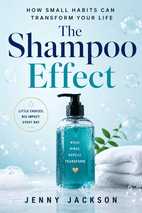
The quotes from The Shampoo Effect cut across sharp dialogue, witty narration, and raw inner monologue. Jenny Jackson has a gift for making you laugh while also hitting you with a truth you didn't see coming. You'll find characters arguing about art, sweating through awkward sex, and second guessing every life choice they make. What makes this novel so quotable is how effortlessly it blends the ridiculous with the real. One minute someone is mocking a pretentious magazine, the next they are admitting something painfully honest about love or parenthood. These lines stick because they sound like something you or your friends might actually say, if you were brave enough.
Top Quotes from The Shampoo Effect
“Caroline, do you know how many people have read my books? Ten million. Do you know who reads The New Yorker? Nobody. They just skim the cartoons and then put it in their powder room to look smart.”
Caroline's mother dismisses her daughter's decision to leave a publishing job after placing a story in The New Yorker.
This line sharply captures the tension between commercial success and literary prestige, and reveals the mother's cutting pragmatism and the pressure Caroline faces.
“He kissed her and took her to his bed, and Caroline grinned through the whole thing, glad to finally get naked with a boy who didn’t taste like Pabst Blue Ribbon or want her to subscribe to his Substack.”
Caroline reflects on her first sexual encounter with Van, contrasting him with the men she dated in New York.
The humorous, specific details perfectly capture the absurdities of modern dating culture and Caroline's relief at finding someone genuine and unpretentious.
“Yeah, you fucking with some wet ass pussy. Bring a bucket and a mop for this wet ass pussy.”
During an infant CPR class, Bailey sings Cardi B's 'WAP' to practice the correct rhythm for chest compressions.
This irreverent and humorous moment showcases Bailey's rebellious personality and contrasts sharply with the serious parenting setting.
“She felt like she had been tricked. This whole time everyone had focused on the nursery and the stroller and the clothing and all the great stuff you could buy when you had a baby, but not the practical things you had to learn and do to actually keep your child healthy and safe.”
After the CPR class, Bailey is overwhelmed by the real responsibilities of parenthood that no one warned her about.
It articulates a universal feeling of unpreparedness many new parents experience, exposing the gap between consumer-driven parenting culture and actual demands.
“Her family was nouveau riche, tacky as hell, the human equivalent of Diet Coke served in Waterford crystal.”
Bailey describes her family's ostentatious wealth and lack of refinement while living in their childhood home, Budweiser Manor.
This wit and self-deprecating imagery vividly captures Bailey's critical view of her upbringing and her family's over-the-top lifestyle.
“It's like being assaulted by a potato peeler!”
Caroline screams after being bitten by a greenhead fly on her ankle.
The visceral, hyperbolically mundane simile perfectly captures the shocking pain of the bite and Caroline's dramatic personality.
“Vanity was a character flaw she had no intention of correcting.”
Bailey reflects on how her friends have abandoned vanity for family, but admits she has no plans to do the same.
This line encapsulates Bailey's sharp self-awareness and unapologetic personality, making it both humorous and memorable.
Themes Behind the Quotes
A dominant theme is the messiness of modern relationships, especially the gap between romantic ideals and the compromises people actually make. The quotes keep returning to how hard it is to be truly honest, with yourself or your partner, and how often we settle for less than we deserve. Motherhood and family obligations also loom large, with characters torn between wanting to be good parents and resenting the sacrifices involved. Another strong thread is class and social performance, as characters judge each other for their taste, wealth, or lack of it. Underneath the humor, there is a quiet insistence that self awareness matters, and that ignoring your own feelings only leads to regret.
Quotes by Chapter
Chapter One: Caroline
“Was V a passionate environmentalist, a serious person who recycled, who believed in taxes, who tried not to buy new things when he could fix something old.”
Caroline describes Van's character after spending time with him in Greenhead.
This concise portrait highlights Van's principled, grounded nature, setting him apart from the ironic, performative men Caroline knew in New York.
“She hadn't known that it could be this way. And now that she knew, she couldn't ever go back to the tepid and accommodating romances of her past.”
Caroline reflects on her relationship with Van, realizing it's unlike any previous romance.
This line captures the transformative power of discovering a truly compatible love, and the impossibility of settling for less once you've experienced it.
Chapter Two: Bailey
“How could you ever really fall in love with a guy like that? You just couldn't.”
Bailey reflects on Vanny's predictable nature, having known him since childhood.
It perfectly captures her ambivalence about a man who is comfortable but unexciting, highlighting the emotional complexity of their relationship.
Chapter Three: Augusta
“Most days Augusta felt like she'd hit the marriage jackpot.”
Early in the chapter, Augusta reflects on her husband Colin's flaws and her enduring affection for him.
It captures the paradoxical nature of long-term love—acknowledging imperfections while still feeling fortunate.
“She died a little imagining Zoey, the eighteen-year-old babysitter, seeing it and wrinkling her nose, so she shoved that bottle to the back of the fridge behind the lettuce.”
Augusta hides a green bottle of breastmilk before the babysitter arrives.
The vivid, self-deprecating humor beautifully illustrates the anxieties of new motherhood and the desire to appear put-together.
“She wanted to make sure Bailey and Van were in this together, that they realized how much easier it would be if the baby had two parents. Augusta knew, better than anyone, how hard it was to raise a child when the dad was off fucking someone else.”
Augusta plans to give baby advice to her friends while secretly trying to rekindle their romance.
The raw, blunt language reveals Augusta's painful past and her protective, meddling nature, making her motivations deeply human.
“It was a pair of blue lace underwear, and they did not belong to her.”
Augusta discovers a stranger's underwear in her couch cushions after coming home from dinner.
This simple, declarative sentence creates a chilling moment of suspicion and mystery, upending the domestic calm.
Chapter Four: Caroline
“They have scissorlike jaws, and they basically masticate the skin to lap up the blood.”
Van explains the greenhead fly's feeding mechanism while Caroline nurses her wound.
The clinical, matter-of-fact description makes the insect sound alien and grotesque, heightening the horror Caroline feels.
“I'm going to buy a huge can of bug spray with DEET and cover myself until I grow a third eye in the middle of my forehead. Bring on the neurotoxins.”
Caroline reacts to Van's warning that bug spray won't stop the greenheads.
Her exaggerated, darkly humorous threat shows her defiant, self-deprecating wit in the face of an absurdly hostile environment.
“Pregnant people get to do anything—cry, eat like a monster, be a savage bitch—and you can’t hold it against them.”
Caroline texts Nina about how pregnant people are given a pass for bad behavior.
The blunt, sardonic observation resonates as a relatable take on the social privileges of pregnancy, delivered with Caroline's trademark edge.
Chapter Five: Fran
“If I start talking about work you can just put a pillow over my head and smother me, okay?”
Fran jokes with RJ about her nondisclosure agreements and talking in her sleep.
Darkly humorous, it reveals Fran's stress about security and her trust in RJ to handle even the worst-case scenario.
“She would be RJ's partner, they would one day be buried side by side, but, she gently explained, they didn’t need a license or a ceremony to lock them into anything. They stayed together every day out of love, not obligation, and wasn’t that actually even better?”
Fran explains to RJ why she refuses to marry him despite their long-term commitment.
This passage defines Fran's fiercely independent philosophy on commitment and love, challenging traditional marriage and resonating with readers who value autonomy.
“But your brother just lost his Picasso.”
After the Red Sox lose, RJ comments on Kon's gambling loss that cost him a valuable artwork.
A punchy, understated line that encapsulates the high-stakes gambling culture and emotional volatility in Fran's family.
“It wasn’t even shocking to her. London and Hale ate off her plate every time they went to a restaurant.”
Fran reflects on motherhood and the ways her sons consume her time, attention, and even food.
Beautifully captures the sacrificial nature of parenting with a mix of humor and resignation, showing Fran's deep love and exhaustion.
Chapter Six: Bailey
“She just bobbed along through life, making dumb fucking decisions, keeping so cool all the time, emotionally distant and above the fray, never realizing how much she actually cared until it was way too late.”
After a pregnancy scare, Bailey has a raw moment of self-reflection in the hospital.
It captures a universal feeling of emotional detachment and regret, delivered with brutal honesty that resonates deeply.
“Even after they had sputtered and fizzled to smoke the streaky lines lingered in Bailey's eyes, a memory of something bright that was gone.”
Bailey watches children play with sparklers on the beach as evening falls.
The poetic imagery of lingering light serves as a poignant metaphor for fleeting beauty and loss.
“I think you just gave your cervix a good knock.”
After a bleeding scare from sex, the doctor reassures Bailey that the baby is fine.
The doctor's blunt, matter-of-fact humor provides comic relief and relief for the reader after a tense scene.
Chapter Seven: Augusta
“Augusta felt like Bailey had slapped her.”
After Bailey suggests Augusta's need for monogamy stems from her father's infidelity.
This visceral reaction shows how deeply Bailey's comment cuts, revealing Augusta's vulnerability and hidden pain.
“That was the thing about Eben, he was always just so completely on her side. That's why it hurt so much to feel him freeze her out.”
Augusta reflects on her brother's past support and his current emotional distance.
This line captures the painful irony of being closest to the one person she can no longer confide in.
“School was this strange black box, this place her children disappeared off to every day, arriving home with only the vaguest details about how they had passed eight hours.”
Augusta reflects on how little she learns about her children's school days during curriculum night.
The metaphor of the black box perfectly captures the mystery and parental anxiety of a child's school life.
“It was devastating. Her brother was the only person in the world who knew Colin as well as she did, and yet he was the one person she couldn't ask.”
After failing to get support from her mother about Colin, Augusta feels alone.
This encapsulates Augusta's isolation and the unique agony of being unable to turn to her closest ally.
Chapter Eight: Fran
“For Fran it was the opposite. Well, almost the opposite, because instead of reverting into a sullen and grouchy teenager, she developed into a sullen and grouchy adult.”
Fran reflects on how going to her parents' house makes her regress, but not into a teenager.
This line humorously captures the paradox of adulting—growing up doesn't mean outgrowing your moods, just upgrading them.
“What was he thinking, betting away money he didn’t even have? It was stupid. It was selfish, inconceivably so.”
Fran thinks about her father's gambling debts while watching the Greasy Pole.
It distills raw frustration at reckless financial behavior and the consequences it forces on others, resonating with anyone who has dealt with a loved one's poor choices.
Read The Shampoo Effect: A Read with Jenna Pick: A Novel in context on the summary page.