Broken King Themes
by Lauren Landish
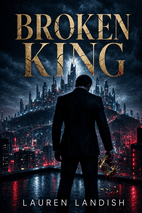
Underneath the plot, Broken King is really asking who gets to own a body, a choice, or a life. It wrestles with power and consent, captivity and conditional care, trauma and intimacy, and the polished faces that hide the Seven Hills' control. Violence wears a code of honor, but love and partnership keep getting tested inside that system.
Here you'll find each major theme tied to concrete moments: consent as the relationship's central rule, Leighton's reward-and-surveillance captivity, Ryker's history shaping intimacy, public masks concealing brutality, ritualized violence and blood price, and love becoming mutual claiming. You'll also see recurring symbols: Little Bird, restraints and cuffs, the scalpel, and the nightlight after her second kidnapping.
Major Themes in Broken King
Power, ownership, and consent
The novel repeatedly frames Ryker and Leighton’s relationship through ownership and possession, yet makes consent the central rule that gives their intimacy meaning. Over time, Leighton moves from being claimed as property to choosing Ryker and claiming him back, while consent remains explicit even in violent and coercive contexts.
- In Chapter 1, Ryker and Leighton enact their consent rule during sex; she asks him to show her who she belongs to, and he later asks her permission before climax.
- In Chapter 3, 'The Seven Truths' say Leighton must speak her desires aloud and may say no, even as Ryker also claims her body and orders her to cook and clean.
- In Chapter 6, Ryker panics when Leighton touches him while he sleeps and shouts that he did not consent, revealing how central bodily autonomy is to him.
- In Chapter 8, Leighton tells Ryker, 'My body is mine to give, and I'm choosing you,' and Ryker waits for her to declare 'Only you' before letting her climax.
- In Chapter 10, Leighton puts her hands into the diamond-studded cuffs at the headboard without hesitation, showing how control has become part of their mutual trust.
Captivity, freedom, and conditional care
Leighton’s captivity is built on deprivation, reward, surveillance, and conditional comforts, so care and cruelty often appear together. Her repeated escape attempts and her growing recognition that she has stopped counting the days show how captivity reshapes her sense of freedom and normalcy.
- In Chapter 2, after more than sixty hours restrained and dehydrated, Leighton submits enough to accept ice chips and broth and says, 'I'll behave.'
- In Chapter 3, Ryker bathes Leighton gently and massages her feet, but she remembers he kept her restrained until she wet herself and drove her to the edge of passing out from dehydration.
- In Chapter 4, Ryker locks ankle cuffs on Leighton and makes her walk across the living room while listing her offenses after her escape attempt.
- In Chapter 5, Leighton escapes through the back door and calls Dakota from a gas station, but Ryker later tells her she will still be punished.
- In Chapter 8, Leighton realizes she has stopped counting the days since the parking garage, the crate, and waking cuffed to a bed, and thinks this may be the most dangerous thing that has happened to her yet.
Trauma, healing, and intimacy
Ryker’s past sexual violence makes consent and control urgent parts of his intimacy with Leighton, and Leighton recognizes his trauma rather than only fearing him. Their relationship develops through moments of care, confession, and physical trust, with Leighton trying to become a safe place for him.
- In Chapter 5, Leighton stitches Ryker’s gunshot wound, touches and kisses it, and says, 'You’re a man. You bleed.'
- In Chapter 6, Leighton realizes Ryker has been a victim of sexual violence after he panics and shouts that he did not consent, and she cries for him.
- In Chapter 6, Leighton resolves to learn about Ryker and heal him, and she promises to ask before touching him because she trusts him.
- In Chapter 9, during sex Leighton hears Ryker’s 'sob-like breaths' and sees the encounter as healing from his past trauma, vowing to be his safe place and always seek consent.
- In Chapter 10, Ryker overcomes his trauma and kisses Leighton for the first time in a bodega aisle, letting 'the fire I feel inside her burn away all the bad memories.'
Masks, appearances, and hidden systems of control
Public faces, polished venues, and civilized rules repeatedly conceal brutality and the hidden power of the Seven Hills. The novel shows appearances as both protective and deceptive, while institutions use ceremony and respectability to mask coercion and violence.
- In Chapter 1, Leighton observes people sending avatars into the world and wearing masks, while she herself wears expensive shoes and a dress to dinner and her father insists that appearances matter.
- In Chapter 5, Joshua Rodgers’s hotel has a well-reviewed Yelp page and good French onion soup, but above the third floor unauthorized people die and the basement holds cages of captives.
- In Chapter 7, at Chateau-Bas, Ryker tests Leighton on identifying Seven Hills classes among the diners, and she learns the power structure is real.
- In Chapter 10, the Adjudicator lays out rules of conduct — no interruptions, no violence — for a hearing about whether a man deserves to die, and Ryker calls it 'a facade of enlightenment and obedience we all adhere to.'
Violence, justice, and honor within a corrupt system
Violence in the novel is procedural, ritualized, and often justified through codes of honor, orders, or blood price. Ryker’s assassinations and the gladiatora are framed by rules, but the notes also show violence becoming a form of rescue, agency, and political theater.
- In Chapter 1, Ryker spares Andre Baker only because his orders first require making Andre obey, and Andre says he 'didn't do as I was told,' to which Ryker answers, 'Action, consequence.'
- In Chapter 9, Leighton asks Ryker to kill Kyler, and Ryker shoots him twice before her last syllable leaves her lips.
- In Chapter 9, after firing a pistol, Leighton expects to feel scared or sick but instead feels 'Buzzy, fizzy. Powerful' and like 'something that could bite instead of only bleed.'
- In Chapter 10, the Adjudicator rules 'Blood for blood' and offers gladiatora as the third option, and after Darius charges with a dropped xiphos, Leighton shoots him dead.
- In Chapter 10, the Adjudicator rules Ryker’s conduct honorable after Leighton gives her case, closing the matter with a covenant of silence.
Love, partnership, and mutual claiming amid danger
The relationship evolves from captivity and ownership into chosen devotion, mutual protection, and a partnership against the Seven Hills. Love is shown as both a vulnerability and a source of strength, with Leighton and Ryker claiming each other in a world that treats people as assets.
- In Chapter 7, Leighton tells Ryker she hates captivity but not him, chooses him and 'us,' and says she wants to reach him honestly.
- In Chapter 8, Dakota tells Leighton that if she loves Ryker, she will worry whether she is at home or on the moon, so she should enjoy the time she gets.
- In Chapter 9, Leighton bites Ryker’s throat and says, 'You're mine, Ryker. I’m claiming you right back,' and Ryker answers that he belongs to her.
- In Chapter 10, Ryker proposes marriage and Leighton accepts, and later he promises he will always come home to her and their child.
- In Chapter 10, Ryker concludes that with Leighton at his side they will face whatever the world or the Seven Hills throws at them together.
Symbols and Motifs
Little Bird
Ryker’s nickname for Leighton represents his possessive tenderness, her captive identity, and later her accepted place at his side. It carries both affection and ownership throughout the novel.
- In Chapter 2, Ryker tells Leighton she belongs to him and will serve him, calling her Little Bird.
- In Chapter 3, Leighton realizes she is 'still Ryker's Little Bird in a slightly larger cage.'
- In Chapter 8, Leighton thinks 'Ryker’s Little Bird' with satisfaction after taking his keys and car.
- In Chapter 10, Ryker calls Leighton 'my Little Bird' and 'everything' while arguing for her before the Adjudicator.
Restraints, chains, and cuffs
Physical restraints symbolize control, punishment, and captivity, but they also become a language of trust and mutual intimacy by the end. The shift from Velcro restraints and ankle cuffs to diamond-studded cuffs shows how control is transformed within their relationship.
- In Chapter 2, Leighton wakes in padded Velcro restraints on her wrists and ankles after being packed into a crate.
- In Chapter 4, Ryker locks ankle cuffs on Leighton and makes her walk across the living room while listing her offenses.
- In Chapter 6, Ryker shackles Leighton’s wrists tightly after she touches him without consent while he sleeps.
- In Chapter 10, Ryker locks Leighton’s wrists in diamond-studded cuffs at the headboard, and she puts her hands into them without hesitation.
The scalpel
The scalpel represents Leighton’s agency and her choice between violence and choosing Ryker. It is a moment of potential escape and killing that becomes a turning point in their trust.
- In Chapter 6, alone in the apartment, Leighton finds a sealed scalpel in the medical kit and considers using it to kill Ryker when he is vulnerable.
- In Chapter 6, Ryker finds Leighton holding the wrapped scalpel packet and asks, 'Yourself or me?' baring his throat; she drops the packet and refuses to harm him.
The nightlight
The nightlight symbolizes lingering trauma and the care that acknowledges it. Leighton’s need for it after being kidnapped a second time shows how past violence remains present, while Ryker’s acceptance of that need shows their partnership.
- In Chapter 10, Ryker caresses Leighton’s pregnant belly and notes she needs a nightlight because she is averse to complete darkness after being kidnapped a second time.