Bigger Leaner Stronger Quotes
by Michael Matthews
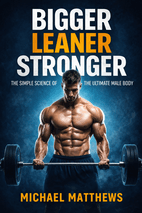
Welcome to our collection of the most powerful lines from Michael Matthews' Bigger Leaner Stronger. Here you will find straightforward advice, tough love, and the kind of motivation that sticks. These quotes cut through the noise of fitness fads and get right to what works: hard work, consistency, and patience.
What makes this book so quotable is its no nonsense honesty. Matthews doesn't promise quick fixes or magic pills. Instead he offers clear principles and a realistic roadmap. His words challenge you to take responsibility, ignore excuses, and commit to the long haul. Whether you need a kick in the pants or a reminder to keep going, these lines deliver.
Top Quotes from Bigger Leaner Stronger
“Anything is possible if you want it enough.”
The author encourages readers that they too can achieve transformation.
This simple, direct statement reinforces the power of desire and determination, inspiring readers to believe in their own potential.
“No matter how old you are, no matter how bad your genetics, and no matter how lost you now feel after trying and abandoning past diets and workout programs ... You absolutely, positively can have the lean, muscular, and powerful body that you dream about, and you're about to learn how.”
The opening promise of the chapter, addressing common doubts and excuses.
It directly confronts readers' insecurities about age, genetics, and past failures, offering an unconditional guarantee that builds hope and trust.
“It's not for people who prefer comfortable lies over cold truths.”
The author describes who the book is not for, setting clear expectations.
This line challenges readers to choose honesty over self-deception, appealing to those ready for hard work and real results.
“The real “secret sauce” of the fitness elite can be summed up like this: 1. They control their calorie and protein intake. 2. They mostly eat nutritious foods. 3. They do at least a few hours of strength training per week.”
The author reveals the core, simple principles behind elite fitness.
It demystifies fitness by boiling success down to a few fundamental, actionable steps, cutting through the noise of fads and supplements.
“Opportunity is missed by most people, because it is dressed in overalls and looks like work.”
It is the epigraph at the beginning of the chapter, attributed to an unknown source.
This line reminds readers that hard work is often the key to seizing opportunities, a central theme of the book.
“The only way to lose at this game is to give up. That's the only mortal sin.”
The author explains that no matter how many times you go off track, you can still succeed in fitness if you keep trying.
This line is powerfully motivating because it simplifies success into a single rule: persistence, and it reframes failure as temporary unless you quit.
“Fitness isn't a contest with winners and losers. There are no deadlines or duels, distinctions or demerits. Fitness is like love, laughter, and learning—a wellspring of health and happiness to pursue purely for its own sake.”
The author describes the true nature of fitness as a lifelong journey rather than a competition.
This passage resonates because it shifts the mindset from external comparison to intrinsic joy, making fitness feel accessible and sustainable.
Themes Behind the Quotes
A central theme is the rejection of quick fixes and the embrace of sustainable lifestyle changes. The quotes emphasize that lasting results come from consistent effort over time, not from shortcuts or gimmicks. Another major idea is personal accountability. Many lines highlight that you cannot buy or fake fitness, and that self sabotage is the real enemy.
Discipline and mindset are also recurring motifs. The quotes encourage you to push through discomfort and doubt, and to recognize that your future self is not a separate person with different motivations. Building good habits, no matter how small, is crucial. Finally, the importance of calorie control and proper nutrition is stressed, cutting through common myths about carbs and junk food. Overall, the themes revolve around taking ownership, being patient, and trusting the process.
Quotes by Chapter
It Works
“What they all have in common, though, is that they used my diet and exercise principles and programs to get into the best shape of their lives.”
The author describing the common thread among the success stories.
It highlights the universal effectiveness of the program, reinforcing that anyone can achieve similar results.
“For the first time in my life, I got significantly stronger while losing fat.”
Kendrick's transformation story.
This line challenges conventional fitness wisdom and inspires readers by showing that it's possible to build strength while cutting fat.
“Remember, this is NOT a quick fix, Hollywood diet, or fad weight loss program. This is the beginning of a lifestyle change you need to maintain for the rest of your life to feel and be happier and healthier.”
Brandon's advice to readers.
It sets realistic expectations and emphasizes the importance of sustainable habits over temporary fixes.
“The program is not a magic pill or quick fix; it does not give you a secret or a shortcut. It merely teaches principles. By abiding by these principles, you'll see results, but it will take time, patience, discipline, and effort —DON'T GIVE UP!”
Jenkin's reflection on the program's philosophy.
This encapsulates the book's no-nonsense approach, motivating readers to commit to the process without expecting miracles.
Who Is Mike Matthews and Why Should I Care?
“Many “gurus” promise similar payoffs as I have and then leave you in the lurch, creating an intoxicating surge of hope that becomes a crushing wave of despair.”
Mike Matthews explains why readers need an open mind, contrasting his approach with typical fitness gurus.
This line powerfully captures the cycle of false hope and disappointment that many people experience, making readers feel understood and ready for a different approach.
“This data smog of myths and misconceptions not only makes losing fat and gaining muscle much harder than it should be, it also undermines our self-confidence, strains our relationships, and blunts our desire for self-improvement.”
Mike Matthews describes the negative impact of fitness misinformation he discovered.
It succinctly articulates how bad information harms more than just physical progress, resonating with anyone who has felt overwhelmed by conflicting advice.
How to Use This Book
“Nothing in the world is worth having or worth doing unless it means effort, pain, difficulty.”
This is the epigraph at the start of the chapter, attributed to Theodore Roosevelt.
It sets a gritty, realistic tone for the book, reminding readers that meaningful achievements require struggle.
“Tell me, I'll forget; show me, I'll remember; involve me, I'll understand.”
The author introduces this old Chinese proverb to encapsulate the book's philosophy.
It emphasizes active participation over passive learning, which is central to the book's approach.
“This isn't a book that you just read and reflect on—it's a book you act on.”
The author explains the purpose of the book.
It succinctly distinguishes this book from typical self-help books and challenges the reader to take action.
“So long as we're in motion, the thorny vines of doubt and despair can’t seize us. So long as we're doing, thinking can't stop us.”
The author advocates for reading and applying the program simultaneously.
These lines powerfully convey the importance of momentum and action to overcome mental obstacles.
Have You Found Your Real Fitness Whys?
“Self-care is meant to be a sojourn, not hearth and home. Linger there for too long and it’s procrastination; leave it out for too long and it's punishment.”
The author discusses finding balance between pushing hard and taking breaks.
This quote is memorable for its vivid metaphor and wisdom, capturing the delicate balance between discipline and rest in a way that feels practical and profound.
“Fitness is one of those rare things you can’t buy, steal, or fake.”
The author emphasizes the authenticity required for physical transformation.
This short, punchy line cuts through excuses and shortcuts, reminding readers that true results demand genuine effort and cannot be cheated.
The Art and Science of Upgrading Your Willpower
“Our brain doesn't give a damn about the bigger picture, either.”
The author explains how dopamine-driven reward seeking ignores long-term consequences.
This blunt, relatable statement cuts through the science to echo the universal frustration of knowing better yet still giving in.
“Self-sabotage is the enemy, not ground beef and potato sticks.”
The chapter reframes the blame from specific foods to our own actions.
It flips a common mindset and empowers readers to take responsibility rather than vilifying food, which is a liberating shift.
“We're tricking ourselves into believing that squandering our health, money, time, effort, and opportunities is a “treat” to be “cherished,” that self-subversion is okay so long as it feels okay.”
The author discusses the moral licensing trap.
This line exposes a dangerous rationalization with vivid specificity, making readers recognize a familiar pattern and inspiring them to stop the self-deception.
“Future You isn't some abstraction whose emotions and desires will be radically different from Present You. When tomorrow comes, you'll likely find yourself in a similar state of mind, and thus, you'll likely respond in a similar way.”
This appears in the section 'The Crystal Ball of Delusion', where the author explains the fallacy of expecting our future self to act differently than our present self.
It powerfully reframes the common tendency to procrastinate by reminding us that our future self is not a superhero with unlimited willpower, but essentially the same person we are today.
The Easy Way to Build Good Habits and Break Bad Ones
“The chains of habit are generally too small to be felt until they are too strong to be broken.”
Opening epigraph of the chapter, attributed to Samuel Johnson.
It perfectly encapsulates how habits creep up on us, making it a timeless warning about the subtle power of routine.
“A little bit of the right things, like exercise, often enough, over the long haul, can produce greatness.”
Author quotes Dan John from his book Attempts to illustrate the power of consistency.
This line emphasizes that extraordinary results come from small, repeated efforts, which is both motivating and reassuring.
“Our biological hardware isn’t oriented toward mechanically repeating the same actions countless times until we've achieved something extraordinary. It's drawn to cheap thrills and primrose paths.”
Author explains why habit formation is inherently difficult for humans.
The metaphor of 'cheap thrills and primrose paths' vividly captures our natural resistance to discipline, making the struggle relatable.
“When determination is high, follow-through is about as hard as a haircut, but when it's low, implementation feels like trying to play the piano with boxing gloves.”
Author discusses how activation energy affects willpower and consistency.
The contrast between a haircut and boxing gloves is a memorable and humorous analogy for the ease versus difficulty of acting on intentions.
The 10 Absolute Worst Diet Myths and Mistakes
“You can improve your body composition, or how much muscle and fat you have, while eating copious amounts of junk food.”
The author is discussing the primacy of energy balance over food quality for weight loss, citing examples of people who lost weight eating only junk food.
It challenges the common belief that you must eat perfectly to change your body, emphasizing that calorie balance matters more than food purity.
“No matter what type of diet you follow, you'll lose weight only when you consistently eat fewer calories than you burn, and the only way to fail to lose weight is eating too many calories too consistently, not flouting or following the wrong arbitrary eating rules.”
The author is summarizing the core truth about weight loss after debunking several diet myths.
It cuts through the noise of fad diets and puts the responsibility back on energy balance, making the reader realize that no magic rules are needed—only consistent calorie control.
“They don't make you fat or unhealthy—only overeating can do that—and ironically, most people achieve their fitness goals faster with more carbohydrate in their diet, not less.”
The author is refuting the myth that carbs and sugars are inherently fattening and unhealthy.
It flips the common anti-carb narrative on its head, offering reassurance that favorite foods can be part of a successful diet and that overeating is the real enemy.