Ikigai — Interactive Mindmaps

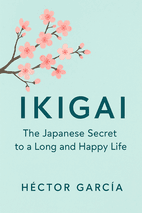
Ikigai by Héctor García Book Cover

by Héctor García

Héctor García's Ikigai explores the Japanese concept of finding purpose at the intersection of passion, mission, vocation, and profession. It offers a practical framework for anyone seeking a more meaningful, engaged, and long life.

On Insta.page you also get an Apply This Book tool that lets you combine insights from up to 3 books to solve your specific situation.

Chapter mindmaps

Free preview: chapters 1–4 are fully interactive. Click any node to expand or collapse. Subscribe to unlock the rest.

Chapter 1: PROLOGUE: Ikigai: A mysterious word

Key concepts: PROLOGUE: Ikigai: A mysterious word

1. PROLOGUE: Ikigai: A mysterious word

The Genesis of a Friendship and Project

  • Authors' first meeting in Tokyo sparked a destined collaboration
  • Shared curiosity about limitations of modern therapies in addressing life's purpose
  • Mutual interest in why some people radiate passion while others feel adrift
  • Initial discussions laid groundwork for exploring ikigai concept

Unpacking the Mystery of Ikigai

  • Roughly translates to 'the happiness of always being busy'
  • Intertwines personal fulfillment with community and longevity
  • Adds practical joy and activity layer compared to Western logotherapy
  • Linked to Okinawa's remarkable longevity statistics (24.55 centenarians per 100,000)

Journey to the Village of Longevity

  • Research trip to Ogimi, Okinawa - known as Village of Longevity
  • Lush landscape with pure waters and warm, joyful residents
  • Beyond diet and environment, profound sense of community fuels longevity
  • Elders' interviews reveal joy and community as key longevity factors

Community Principles in Action

  • Ichariba chode - treating everyone as family from childhood
  • Yuimaaru - teamwork and mutual support practices
  • Holistic approach combining light eating, rest, and moderate exercise
  • Centenarians' zest for life celebrated through each new day

The Purpose Behind the Book

  • Guide to uncovering ikigai secrets for global readers
  • Transformative tool for navigating life with joy and purpose
  • Makes Okinawan longevity insights accessible worldwide
  • Invites readers to embark on their own path of discovery

Chapter 2: I: IKIGAI

Key concepts: I: IKIGAI

2. I: IKIGAI

Understanding Ikigai

  • Japanese concept meaning the reason we wake up each morning
  • Brings satisfaction, happiness and meaning to life
  • Combines purpose, initiative and beauty in its meaning
  • Deeply personal purpose uncovered through self-discovery
  • Replaces Western notion of permanent retirement

Blue Zones and Longevity Secrets

  • Okinawa leads with longest lifespans globally
  • Five identified zones: Okinawa, Sardinia, Loma Linda, Nicoya, Ikaria
  • Common factors: plant-based diets, daily movement, social bonds
  • Linked to lower rates of chronic diseases and dementia
  • Purpose and health reinforce each other in supportive environments

Daily Practices for Fulfillment

  • Hara hachi bu principle: eating until 80% full
  • Mindful eating with multiple small plates for portion control
  • Moai social groups for emotional and practical support
  • Sustainable habits integrating movement and connection
  • Small consistent choices leading to profound well-being

Cultural Wisdom and Active Engagement

  • People pursue passions as long as health allows
  • Relentless engagement with life as joyful pursuit
  • Each day infused with meaning through various activities
  • Community cooperation and social bonds as foundation
  • Purpose keeps people vibrant and active into old age

Chapter 3: II: ANTIAGING SECRETS

Key concepts: II: ANTIAGING SECRETS

3. II: ANTIAGING SECRETS

Aging's Escape Velocity Concept

  • Theoretical future where technology adds a year to life expectancy for every year lived
  • Ray Kurzweil predicts this could happen within decades
  • Other scientists suggest cellular limits around 120 years might cap human lifespan
  • Represents debate between technological optimism and biological constraints

Mental Activity and Cognitive Health

  • Intellectual engagement maintains neural health and slows cognitive decline
  • Challenging the brain creates fresh neural connections
  • Learning skills, playing games, and socializing combat depression and stagnation
  • Fosters resilient and adaptable mindset for overall well-being

Stress Management and Aging

  • Chronic stress accelerates aging by damaging cells and weakening immune system
  • Stress triggers inflammatory responses that harm healthy cells and shorten telomeres
  • Can lead to memory loss, insomnia, and high blood pressure
  • Mindfulness and meditation help reduce anxiety and improve mental clarity

Positive Stress Benefits

  • Low levels of stress can be beneficial by motivating healthier habits
  • People with mild stress who pursue challenges tend to live longer
  • Good stress encourages resilience and purpose-driven living
  • Active engagement with challenges supports longevity

Physical Activity and Lifestyle

  • Sedentary lifestyle linked to hypertension, obesity, and accelerated aging
  • Daily walking, taking stairs, and social activities boost physical and mental health
  • Physical activity protects telomeres from distortion
  • Improves posture, respiratory function, and overall vitality

Sleep and Hormonal Health

  • Quality sleep stimulates melatonin production with antioxidant properties
  • Melatonin supports immune function and fights diseases like cancer and Alzheimer's
  • Melatonin declines after age thirty, making sleep prioritization crucial
  • Avoiding stimulants and balanced diet help sustain melatonin benefits

Psychological Attitudes and Longevity

  • Positive outlook and emotional awareness are key to longevity
  • Embracing challenges with serenity and stoic attitude reduces stress
  • Centenarians exemplify resilience and joyful approach to life
  • Mental stability and emotional balance significantly extend lifespan

Cultural Wisdom on Aging

  • Ogimi, Japan exemplifies longevity through community and simple pleasures
  • Enjoying each season and staying active supports graceful aging
  • Nurturing friendships and social connections enhances longevity
  • Aging gracefully involves connecting with others and finding daily joy

Chapter 4: III: FROM LOGOTHERAPY TO IKIGAI

Key concepts: III: FROM LOGOTHERAPY TO IKIGAI

4. III: FROM LOGOTHERAPY TO IKIGAI

The Essence of Logotherapy

  • Forward-looking approach focused on finding life's purpose rather than analyzing past traumas
  • Five-step process: recognize existential frustration, understand as desire for meaning, discover purpose, decide to pursue it, use passion to overcome challenges
  • Freedom to choose attitude regardless of circumstances, reinforced by Frankl's Auschwitz experience
  • Uses provocative questions like 'Why do you not commit suicide?' to prompt purpose discovery

Contrasting Therapeutic Approaches

  • Logotherapy focuses on future meaning vs. psychoanalysis' focus on past unconscious conflicts
  • Treats existential frustration as natural catalyst for growth, not mental illness
  • Emphasizes moral instincts and spiritual meaning over primal drives
  • Compatible with faith and emphasizes purpose over pleasure-seeking

Real-Life Applications Through Case Studies

  • Diplomat case: career frustration resolved by aligning with true purpose, not father issues
  • Suicidal mother case: found meaning in caring for disabled son through deathbed perspective
  • Frankl's own survival: driven by goal to reconstruct lost manuscript in concentration camps
  • Demonstrates how clear purpose enables rapid transformation and resilience

Introduction to Morita Therapy

  • Zen-inspired Japanese approach developed around same time as logotherapy
  • Teaches acceptance of emotions rather than control or analysis
  • Views emotions as unpredictable weather - focus on purposeful action instead
  • Effective for anxiety, OCD, PTSD by emphasizing living fully despite symptoms

Core Principles of Morita Therapy

  • Accept feelings without resistance - fighting intensifies them
  • Do what you should be doing now - shift focus from symptoms to actions
  • Discover purpose through experience using 'What action should we be taking?'
  • Builds character through repetitive tasks and mindfulness, avoiding intellectualization

The Four Phases of Treatment

  • Isolation and rest: quiet observation of emotions without distractions
  • Light occupational therapy: silent repetitive tasks like gardening or journaling
  • Physical activities: wood-chopping with limited communication
  • Social reintegration: equipped with meditation and action-based practices for emotional balance

Naikan Meditation and Self-Reflection

  • Three reflective questions: What have I received? What have I given? What problems have I caused?
  • Promotes responsibility, gratitude, humility and deeper connections
  • Donkey analogy: struggling tightens rope like resisting emotions worsens suffering
  • Dissolves anger and finds peace through pausing and reflection

Bridging to Ikigai

  • Both therapies serve as pathways to discovering ikigai (reason for being)
  • Meaning is discovered through introspection and action, not created
  • Ikigai becomes compass for navigating life's imperfections
  • Sets stage for practical tools: finding flow, mindful eating, resilience

Logotherapy's Future-Oriented Approach

  • Focuses on discovering meaning through future purpose rather than analyzing past traumas
  • Empowers individuals to overcome obstacles through conscious choice and responsibility
  • Transforms suffering into meaningful experiences by finding purpose in adversity

Morita Therapy's Present-Focused Methodology

  • Teaches acceptance of emotions without judgment while emphasizing constructive action
  • Uses structured phases to build resilience and develop character through practical engagement
  • Separates emotional experience from behavioral response, allowing purposeful action regardless of feelings

Integration Toward Ikigai Discovery

  • Combines future-oriented meaning with present-moment action for holistic fulfillment
  • Transforms existential crises into catalysts for positive personal transformation
  • Reveals that discovering one's unique reason for living is essential for both longevity and deep satisfaction

Continue exploring Ikigai