I Know Why the Caged Bird Sings Quotes
by Maya Angelou
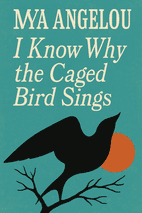
This collection brings together the most powerful lines from Maya Angelou's groundbreaking memoir. You'll find moments of raw honesty, sharp wit, and deep reflection on growing up Black and female in the segregated South. Some quotes are heartbreaking, others are funny, and many will stick with you long after you've read them.
What makes this book so quotable is how Angelou turns personal pain into universal truth. She doesn't preach. She simply shows you her world, and you recognize something of your own. These are lines that feel like secrets whispered between friends, truths that are hard to hear but impossible to forget.
Top Quotes from I Know Why the Caged Bird Sings
“I was that girl raped at nine, who muted the telling of it.”
Oprah Winfrey describes her own childhood in parallel to Maya Angelou's experiences.
This line powerfully connects the reader to Oprah's personal trauma and silent suffering, making Maya's story feel intimately familiar and deeply resonant.
“When you learn, teach," she said frequently."”
Oprah recalls Maya Angelou's frequent advice during their conversations.
This succinct motto encapsulates Maya's philosophy of generosity and lifelong learning, inspiring readers to share their knowledge and uplift others.
“I am a human being," she would always say, "therefore nothing human is alien to me.”
Oprah quotes Maya Angelou's mantra about human connection and empathy.
This line emphasizes the universal nature of human experience, encouraging readers to embrace empathy and recognize that no feeling or struggle is foreign.
“We are more alike than we are unalike!”
Oprah attributes this as the recurring theme that Maya Angelou spoke proudly and often.
This simple yet profound statement bridges cultural and personal divides, reminding readers of our shared humanity and the power of connection.
“If growing up is painful for the Southern Black girl, being aware of her displacement is the rust on the razor that threatens the throat. It is an unnecessary insult.”
The narrator, Marguerite, reflects on her childhood experience of shame and otherness after a humiliating incident in church.
This line captures the profound, layered pain of growing up while being aware of one's marginalized identity, using a visceral metaphor that resonates deeply with readers who have experienced similar feelings of displacement.
“I was going to look like one of the sweet little white girls who were everybody's dream of what was right with the world.”
Marguerite recalls her hopes for her Easter dress, dreaming of being seen as perfect like white girls.
The stark contrast between her fantasy and reality underscores the painful gap between self-perception and society's ideals, making the reader confront the pervasive nature of racial prejudice.
“He must have tired of being crippled, as prisoners tire of penitentiary bars and the guilty tire of blame.”
Maya reflects on why Uncle Willie pretended to be able-bodied for the strangers.
The powerful simile equates the exhaustion of living with a disability to the weariness of imprisonment and guilt, making the reader feel the weight of his daily struggle.
Themes Behind the Quotes
The quotes reveal a constant struggle with identity and self worth. Angelou wrestles with what it means to be Black, female, and poor in a world that tells her she is less. The shame of her own skin clashes with her longing to belong, while the racism around her shapes every interaction. Yet alongside the pain, there is resilience. The community in Stamps holds her up, and small acts of kindness or moments of humor break through the darkness.
Another major theme is the power of language and silence. Angelou stops speaking after her assault, but her inner voice is fierce. Words become both a weapon and a cage. The book also explores how children absorb adult prejudices and how childhood fears linger into adulthood. Ultimately, these quotes show a young girl learning to survive and eventually to speak her truth, turning her story into a testament to the human spirit's ability to endure.
Quotes by Chapter
Introduction
“The truth of the statement was like a wadded up handkerchief, sopping wet in my fists, and the sooner they accepted it the quicker I could let my hands open and the air would cool my palms.”
Marguerite thinks about the line 'What you looking at me for? I didn't come to stay...' and its uncomfortable truth about her existence.
The vivid imagery of a wet, clenched handkerchief conveys the physical and emotional weight of carrying an unwelcome truth, making the reader feel the urgent need for release and relief.
“Wouldn't they be surprised when one day I woke out of my black ugly dream, and my real hair, which was long and blond, would take the place of the kinky mass that Momma wouldn't let me straighten?”
Marguerite fantasizes about waking up white and beautiful, imagining the shock of those who mocked her.
This line powerfully illustrates the internalized racism and yearning for whiteness that many young Black girls have struggled with, highlighting the destructive impact of societal beauty standards.
Chapter 1
“The town reacted to us as its inhabitants had reacted to all things new before our coming. It regarded us a while without curiosity but with caution, and after we were seen to be harmless (and children) it closed in around us, as a real mother embraces a stranger's child. Warmly, but not too familiarly.”
The narrator describes how the segregated Southern town gradually accepted her and her brother Bailey after their arrival.
This passage captures the delicate balance of caution and warmth in a close-knit community, and it reflects the universal experience of being cautiously welcomed into a new environment.
“In those tender mornings the Store was full of laughing joking, boasting and bragging.”
The narrator recalls the lively atmosphere of her grandmother's store during cotton-picking season mornings.
This simple line evokes the hopeful, communal spirit that masked the harshness of the day's labor ahead, highlighting the resilience and joy found in everyday interactions.
“In cotton-picking time the late afternoons revealed the harshness of Black Southern life, which in the early morning had been softened by nature's blessing of grogginess, forgetfulness and the soft lamplight.”
The narrator contrasts the deceptive cheer of morning with the grim reality of exhausted cotton pickers at the end of the day.
This sentence powerfully dismantles the romanticized image of cotton picking, exposing the brutal economic and physical toll on Black workers while acknowledging the temporary relief of morning's illusions.
Chapter 2
“We were never burned, although once I might have been when I was so terrified I tried to jump onto the stove to remove the possibility of its remaining a threat.”
Maya recalls a moment when Uncle Willie threatened her with the stove for a mistake in reciting times tables.
This line captures the irrational bravery of a child who believes facing the worst danger voluntarily can give them power over it, highlighting a universal childhood coping mechanism.
“The tragedy of lameness seems so unfair to children that they are embarrassed in its presence.”
The narrator reflects on how children react to Uncle Willie's disability.
It poignantly expresses the discomfort and unfairness children perceive in physical difference, a sentiment that resonates with anyone who has felt awkward around disability.
“Only once in all the years of trying not to watch him, I saw him pretend to himself and others that he wasn't lame.”
Maya describes the singular instance when Uncle Willie hid his cane and stood erect for visiting schoolteachers.
This moment reveals the deep human need to escape stigma, even for a brief time, and the painful effort required to maintain that illusion.
Chapter 3
“Until I was thirteen and left Arkansas for good, the Store was my favorite place to be. Alone and empty in the mornings, it looked like an unopened present from a stranger.”
Maya Angelou narrates her childhood memories of the general store run by her grandmother.
This line beautifully captures the innocence and wonder of childhood, where a mundane place becomes magical.
“It seemed that the peace of a day's ending was an assurance that the covenant God made with children, Negroes and the crippled was still in effect.”
Maya describes the evening calm when Uncle Willie is free from his stutter and the family eats together.
It conveys a deep sense of spiritual comfort and the fragile peace afforded to marginalized people.
“Even after the slow drag of years, I remember the sense of fear which filled my mouth with hot, dry air, and made my body light.”
Maya recalls the terror after the sheriff warns that a lynch mob may come for her uncle.
The visceral description of fear—hot, dry air, light body—makes the reader feel the palpable dread of racial violence.
“If on Judgment Day I were summoned by St. Peter to give testimony to the used-to-be sheriff's act of kindness, I would be unable to say anything in his behalf.”
Maya reflects on the sheriff's condescending 'protection' and her inability to thank him.
This line powerfully critiques the performative kindness of white authority figures and the humiliation inherent in such 'mercy'.
Chapter 4
“All of childhood's unanswered questions must finally be passed back to the town and answered there.”
The narrator reflects on how one's hometown shapes identity and understanding.
This line captures the universal truth that our origins define our lifelong quest for meaning, and it resonates with anyone who has ever looked back to understand themselves.
“An independent Black man. A near anachronism in Stamps.”
The narrator describes Mr. McElroy, a rare figure of Black autonomy in the segregated South.
It succinctly highlights the extraordinary nature of Black self-sufficiency in a time and place where it was nearly impossible, making the line both poignant and historically resonant.
“When I was described by our playmates as being shit color, he was lauded for his velvet-black skin.”
The narrator contrasts how she and her brother Bailey were perceived by other children based on skin tone.
This raw, painful comparison exposes the internalized colorism within the Black community and the lasting wounds it inflicts on self-esteem, striking a chord with readers who have faced similar judgment.
“I remember never believing that whites were really real.”
The narrator recalls her childhood perception of white people in segregated Stamps.
This line powerfully conveys the dehumanizing effect of segregation, where the oppressed see the oppressor as unreal, and it underscores the profound psychological divide created by racism.
Chapter 5
“I suppose my lifelong paranoia was born in those cold, molasses-slow minutes.”
The narrator watches the powhitetrash children approach the Store and mock her grandmother.
This moment crystallizes the deep, formative trauma of racial degradation, capturing how a single event can shape a person's entire worldview and sense of safety.
“She simply shifted her weight and did a hand stand. Her dirty bare feet and long legs went straight for the sky. Her dress fell down around her shoulders, and she had on no drawers.”
One of the white girls performs a handstand in front of Momma to humiliate her.
This shocking, visceral image exposes the raw cruelty and sexualized power of the children's mockery, highlighting the utter vulnerability and dignity Momma must endure.
“Momma never turned her head or unfolded her arms, but she stopped singing and said, “ ‘Bye, Miz Helen, ‘bye, Miz Ruth, 'bye, Miz Eloise.””
After the white girls leave, Momma responds to their taunts with formal, respectful goodbyes.
Momma's calm, unwavering politeness in the face of humiliation transforms her into a figure of quiet, unassailable dignity, showing that grace can be an act of resistance.
“It was a large heart with lots of hearts growing smaller inside, and piercing from the outside rim to the smallest heart was an arrow.”
The narrator rakes a new pattern in the dirt after the incident, then shows it to Momma.
This tender, symbolic image represents healing, love, and the narrator's attempt to restore order and beauty after trauma, affirming that art and connection can overcome pain.
Chapter 6
“The crime that tipped the scale and made our hate not only just but imperative was his actions at the dinner table. He ate the biggest, brownest and best parts of the chicken at every Sunday meal.”
The narrator explains why she and Bailey hated Reverend Howard Thomas so intensely.
This line captures the childhood indignation at adult selfishness and hypocrisy, making a mundane grievance feel monumental and relatable to anyone who has felt overlooked.
“Laughter so easily turns to hysteria for imaginative children. I felt for weeks after that I had been very, very sick, and until I completely recovered my strength I stood on laughter's cliff and any funny thing could hurl me off to my death far below.”
The narrator reflects on the aftermath of the church incident and the severe whipping she and Bailey received.
This vivid metaphor conveys the emotional vulnerability of childhood and the dangerous edge where joy can become overwhelming, illustrating the thin line between humor and trauma.
“Reverend Thomas shrugged off Sister Monroe's weakening clutch, pulled out an extra-large white handkerchief and spread it over his nasty little teeth. Putting them in his pocket, he gummed, “Naked I came into the world, and naked I shall go out.””
After Sister Monroe attacks the presiding elder during his sermon, his false teeth fall out and he recovers with a biblical pronouncement.
The absurd contrast between the chaotic physical comedy and the preacher's pompous scripture highlights the hypocrisy and ridiculousness of authority figures, making the scene both hilarious and subversive.