Ghost Orchid Themes
by Dani Cessna
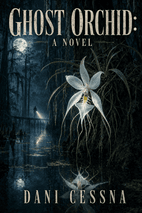
Underneath its plot, Ghost Orchid is really wrestling with grief and the stories Miranda tells to survive it. Aggie's loss, the canceled Rae Lakes trip, Gordon Davis's death, and Miranda's habit of hiding things run against Estelle's listening plants, Clay's risk-seeking, and the refuge of a chosen family at the shack.
On this page you'll find analysis of grief, memory, and letting go; guilt and self-forgiveness; secrecy and compartmentalization; plant magic and rumor; stillness versus risk; and loyalty and belonging, with book moments like scent-triggered memories and Estelle's peace lily, plus symbols including the ghost orchid, postcards, desert rose, and raven ZZ plant.
Major Themes in Ghost Orchid
Grief, memory, and letting go
The novel follows Miranda's grief over Aggie and shows memory triggered by scent, dreams, objects, and plant visions. It moves toward accepting loss without clinging to the dead, as Aggie's vision and Estelle's letter urge Miranda to live and let go.
- The peace lily's scent brings back Aggie so vividly that Miranda collapses; later she panics that she may never smell her best friend again.
- In the ghost-orchid vision Aggie tells Miranda 'Make waves' and 'Don’t stop because I stopped. Don’t wait for me because I'm gone.'
- Estelle's letter tells Miranda not to use the orchid and to let go of guilt.
Guilt and self-forgiveness
Miranda carries guilt over canceling Aggie's Rae Lakes trip and later over Gordon Davis's death. The book repeatedly puts her guilt against Estelle's counsel to forgive herself, and it ends with Estelle's letter telling Miranda to let go of some guilt.
- Miranda confesses to Estelle that her best friend is dead and it is her fault.
- Estelle tells Miranda she must ask whether she can forgive herself rather than spend her life beating herself up.
- After shooting Gordon, Miranda asks 'How do I come back from this?' and later considers confessing so Estelle will not go down for the murder.
Secrecy, deception, and compartmentalization
The story is structured by secrets: Miranda hides her return to Estelle, her relationship with Clay, and eventually a killing. Characters justify concealment as self-protection or loyalty, but the lies strain relationships and create legal jeopardy.
- Miranda hides the missing phone and the break-in from Clay, lies about having time off, and stages her uniform to maintain the lie.
- Shonda sets terms that Miranda's visits must be kept completely separate from their park jobs.
- After the killing, Estelle insists they conceal Gordon Davis's death and get rid of the body; later an anonymous tip names Miranda in the murder.
Plant magic, listening, and the tension between science and rumor
Estelle's plants do things science cannot explain, from the peace lily's grief-scent to the desert rose's overnight growth and the ghost orchid's visions. The novel holds botanical skepticism and Estelle's plant magic together, showing Miranda learning to listen and accepting hidden cost.
- Estelle says the peace lily can make people smell something tied to memory and grief.
- Shonda, a botanist of twenty-three years, says she believes in magic as much as science because no study explains what Estelle awakens in the plants.
- Miranda touches the ghost orchid's roots and has a vision of Aggie; later the plants signal Estelle's death and the raven ZZ turns brown.
Stillness versus risk and making waves
Miranda begins by equating safety with stillness and avoiding chaos, while Clay seeks adrenaline. Through Estelle and Aggie's vision, she learns that life and love require movement, risk, and making waves, though she also chooses to take her relationship with Adrian slow.
- Miranda says living, for her, is about stillness and security, while Clay's plan to break into the shack pulls her into chaos.
- Aggie tells Miranda 'Make waves' in the ghost-orchid vision.
- Miranda realizes the swamp is movement, growth, and life rather than a stagnant hiding place.
Found family, loyalty, and belonging
Estelle's shack becomes a refuge where Miranda is called 'girlie' and sheltered. The novel builds a chosen family among Estelle, Shonda, Miranda, and later Adrian, defined by loyalty and protection rather than blood.
- Estelle says Shonda is her people and that Miranda could be her people too; Miranda answers, 'Yes. I will be. One day soon.'
- Miranda says 'You're my people' to Estelle and feels more at home in Estelle's shack than anywhere in years.
- Estelle confesses to the murder to protect Miranda, and Shonda honors Estelle's promise not to let Miranda turn herself in.
Symbols and Motifs
Ghost orchid
It represents the desire to reconnect with the dead, the danger of believing grief can be magically undone, and hidden plant magic that comes with a cost.
- Miranda spots a small orchid with white hash marks; Estelle names it a ghost orchid and hurries back.
- Gordon Davis demands the ghost orchid at gunpoint, believing it can bring his dead wife back.
- Miranda touches the ghost orchid roots and has a vision of Aggie; Estelle's letter later tells Miranda not to use the orchid and to let go of guilt.
Postcards
They represent memory, enduring love, and connection across absence and grief.
- Miranda and Aggie shared a postcard-collecting hobby.
- Judy Thomas sends Miranda a bundle of vintage postcards for her April birthday.
- Woody texts Miranda a postcard inscription, and later gives her a postcard signed Adrian declaring love; Miranda realizes postcards are proof that love persists.
Desert rose
It works as a mirror for hidden rot and denial, especially in Miranda's relationship with Clay.
- Clay takes a desert rose root from the shack as a souvenir, and Miranda later plants it.
- The root grows overnight into a full plant with stems, leaves, and magenta flower buds.
- Miranda finds the desert rose rotting inside despite blooming and recalls Estelle's warning that the root will hold up a mirror if she is in denial; later Clay throws the desert rose.
Raven ZZ plant
It signals resilience, new growth, and the plants' connection to Estelle and to Miranda's developing plant magic.
- At Estelle's shack, the old woman reveals her prosthetic leg and the raven ZZ plant grows new shoots.
- Estelle notices a new ZZ plant stem and later says the ZZ approves of Woody.
- When Estelle dies, the raven ZZ turns brown; at the end, a new green shoot sprouts from the soil.