Dear Debbie Quotes
by Freida McFadden
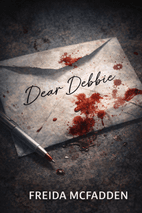
This collection pulls together the sharpest lines from Dear Debbie, a book that mixes dark humor with domestic suspense. You will find quotes that range from laugh out loud parenting advice to chilling confessions, all delivered in a voice that feels both familiar and unsettling.
What makes these quotes so quotable is their raw honesty and unexpected twists. The author captures the frustration, love, and fear that lurk behind everyday routines, often with a wry twist that makes you think twice. Whether she is joking about locking up her kids or threatening an intruder, every line feels earned and memorable.
Top Quotes from Dear Debbie
“How on earth am I supposed to get my family to take a few minutes to eat a nutritious breakfast before they dash out the door without so much as a goodbye?”
The letter writer, 'Hungry in Hingham,' laments her family's refusal to eat breakfast despite her efforts.
This line captures the universal frustration of a caregiver whose efforts go unappreciated, blending humor with genuine exasperation.
“A simple threat to swallow the key unless they sit down and eat will surely move things along.”
Debbie doubles down on her drastic advice with an even more outrageous threat.
This escalation of the padlock idea is both hilarious and relatable for anyone who has tried extreme measures to get family cooperation, making it a standout line.
“If I didn’t force myself to go to the gym several times a week, I would murder everyone on my block.”
The mother muses about the endorphins from exercise keeping her temper in check.
Dark humor makes the everyday stress of parenting relatable and underscores the narrator's struggle with frustration while maintaining a light tone.
“But most of all, I don’t like the way he looks at Lexi. There's something in his expression that makes me uneasy. It’s something I've seen before—a memory that I can’t ever block out.”
The mother watches her daughter's boyfriend and feels a disturbing recognition.
This passage hints at a traumatic past and builds tension, showing the mother's protective instincts and a mystery that draws the reader deeper into the story.
“I know what you did, Debbie! And you're not going to get away with it!”
Brett accuses Debbie of sabotaging his fuse box.
The accusation thrusts the reader into the conflict and captures Brett's volatile, dramatic personality.
“Debbie always says you can’t reason someone out of a mindset they didn’t reason themselves into.”
Cooper reflects on neighbor Brett's irrational accusation against Debbie.
A timeless aphorism about the futility of logical argument against deeply held irrational beliefs, offering insight into human stubbornness.
“Slip an over-the-counter antihistamine into his wine at night, and while he is sleeping, you can make a hole in his eardrum using the needle from the kit (they're so handy!).”
Debbie offers shockingly extreme advice to solve the music dispute.
The deadpan, almost cheerful delivery of a violent solution is darkly comedic, making this the most memorable and quotable moment in the chapter.
Themes Behind the Quotes
A major theme is the fierce, often protective instinct of a mother who will go to any lengths for her children. This protective urge can turn dark, as she contemplates extreme measures to keep her family safe, revealing a tension between love and violence. Another thread is the struggle for control in a life that feels chaotic, from managing a busy household to confronting hidden threats.
Identity and self worth also run through many quotes, as the narrator reflects on her past ambitions and present reality. There is a persistent sense of being underestimated, countered by a quiet, dangerous competence. Finally, the idea of consequences and karma appears, suggesting that actions, especially betrayals, eventually catch up with people. These themes weave together to create a story that is both relatable and deeply unsettling.
Quotes by Chapter
Chapter 1
“I would recommend installing a padlock on the front and back door of your house.”
Debbie responds with an extreme, tongue-in-cheek suggestion to force the family to eat breakfast.
The absurdity of padlocking doors for breakfast is memorable and injects playful humor into the advice, making it a quotable moment.
Chapter 2
“There have been times when I felt that if I didn’t have my flowers, I wouldn't even be able to get out of bed in the morning.”
The mother reflects on how her garden gives her purpose as a stay-at-home parent.
This line reveals the depth of the narrator's emotional reliance on her garden, showing vulnerability and the need for personal achievement beyond motherhood.
“I intend to protect my daughter. Both of them. Whether they like it or not.”
The mother resolves to safeguard her daughters despite their resistance.
The fierce, uncompromising love expressed here resonates with any parent's instinct to protect, capturing the core theme of maternal determination.
Chapter 3
“I keep the fingers of my right hand wrapped around the box cutter I've tucked away.”
Debbie prepares for a confrontation with her aggressive neighbor Brett.
This line reveals Debbie's quiet but dangerous preparedness, adding tension and showing she is not as helpless as she pretends to be.
“It's like sending an engraved invitation to burglars.”
Debbie reflects on neighbors who hide keys in obvious places.
A witty and relatable observation about security that shows Debbie's sharp, knowing perspective.
“I'm just a housewife, Brett. You really think I did all that?”
Debbie feigns innocence to deflect Brett's suspicion.
The line subverts expectations, hinting that Debbie is far more capable and cunning than her modest self-description suggests.
Chapter 4
“My high school computer science teacher told me I'd be the next Bill Gates. Suffice it to say, I'm not the next Bill Gates. Far from it.”
The narrator Debbie reflects on her past as a MIT computer science dropout.
This line humorously subverts expectations, highlighting the gap between youthful promise and reality. It resonates with anyone who has felt they fell short of early potential.
“Cooper might be the only person in my household who actually listens to the words coming out of my mouth.”
Debbie thinks about her husband as he remembers her photo shoot.
This line captures the relatable feeling of being unheard in a busy family, and the comfort of having a partner who truly pays attention.
“He doesn’t turn heads, but then again, he never did. He’s good looking in that cute, boy-next-door sort of way, sort of like I’m pretty in that cute, girl- next-door sort of way. Or at least I was once upon a time.”
Debbie describes her husband Cooper's appearance and compares herself.
This passage is tender and honest, acknowledging aging and the enduring affection in a long marriage. It resonates with readers who appreciate realistic portrayals of love.
Chapter 5
“My wife is good at everything she tries. She’s a genius: she’s created multiple apps for our phones that actually work. She writes them herself.”
Cooper admires Debbie's talents while reflecting on his own insecurities.
This line captures Cooper's deep admiration for his wife and contrasts her competence with his self-deprecating humor, making it relatable to anyone who feels overshadowed by a partner's abilities.
“Don't ask for what you want. Tell him what you want.”
Debbie gives Cooper advice before his meeting with his boss Ken.
A concise, powerful piece of advice about assertiveness and confidence, resonating with readers who struggle to advocate for themselves.
“The guy smiles maybe two times per year—tops.”
Cooper describes his boss Ken Bryant's stern demeanor.
This humorous yet vivid exaggeration perfectly characterizes a cold, unapproachable boss, making it memorable and relatable for anyone with a similar experience.
Chapter 6
“But when we're in my car and I’m driving, he says that since he earns more money than I do, it’s technically his car, so he should get to choose the music then too!”
The letter writer 'Frustrated with Folk Music' describes her husband's double standard about choosing the car radio.
This line perfectly captures an absurd yet relatable power imbalance in a marriage, where financial contribution is used to override basic fairness.
“Tell me that ain't the biggest load of hogwash you've ever heard!”
The letter writer exclaims her disbelief at her husband's logic.
The folksy, indignant phrasing makes the frustration both humorous and universally recognizable.
Chapter 7
“The red splotches do look a lot like bloodstains, but I don’t know if it’s worth changing.”
Debbie examines her dress before the photo shoot.
This line blends dark humor with relatable indecision, highlighting how we sometimes ignore obvious flaws for convenience.
“My jaw drops. I am absolutely stunned. Jo stole my photo shoot?”
Debbie learns that her neighbor Jo has been chosen for the magazine spread instead.
The abrupt shift from shock to a succinct, incredulous question perfectly captures the moment of betrayal and disbelief.
“Someone drank my wine, then replaced it with water so I wouldn't know.”
Debbie discovers her wine bottle has been tampered with.
This small, petty act of deception mirrors the larger betrayal of the photo shoot, adding a layer of personal violation and comic frustration.
“I want to believe there's an explanation that doesn't involve her stealing my magazine spread right out from under my nose.”
Debbie tries to rationalize Jo's actions after the canceled photo shoot.
This line reveals the painful gap between hoping for the best and facing ugly reality, a universally resonant conflict.
Chapter 9
“I'll tell you what,” Jo says. “When the article comes out, I'd be happy to give you a copy. I’ll stick it in your mailbox. That way, you'll have the thrill of telling people that your very own neighborhood is in a magazine.”
Jo taunts Debbie after taking credit for the magazine article about her garden.
This line perfectly captures Jo's cruel condescension and the way she twists the situation to humiliate Debbie.
“It means what goes around comes around.”
Debbie explains karma to Jo after Jo dismisses the concept.
A timeless, resonant reminder of cosmic justice that many readers can rally behind.
“I’ve never felt like more of a loser in my entire life.”
Debbie reflects internally after Jo calls her a loser.
This raw, vulnerable admission taps into universal feelings of inadequacy and failure.
“And that's when I notice that the buzzing has completely vanished.”
Debbie describes the sensation after successfully confronting a line-cutter at the nursery.
The buzz symbolizes anxiety and anger; its disappearance marks a moment of empowerment and relief.
Chapter 10
“I remind myself that I earned every single imperfection in my body, and I have no regrets.”
The narrator reflects on her body while comparing herself to her younger friend Harley at the gym.
This line reframes physical flaws as earned badges from life experiences, offering a powerful message of self-acceptance and pride in one's journey.