Burn — Interactive Mindmaps

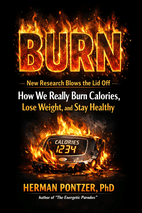
Burn by Herman Pontzer Book Cover

by Herman Pontzer

Herman Pontzer's Burn presents the constrained energy framework, debunking calorie myths by showing how our bodies tightly regulate total energy expenditure. It reframes weight management for health-conscious readers, shifting focus from exercise to diet quality.

On Insta.page you also get an Apply This Book tool that lets you combine insights from up to 3 books to solve your specific situation.

Chapter mindmaps

Free preview: chapters 1–4 are fully interactive. Click any node to expand or collapse. Subscribe to unlock the rest.

Chapter 1: Chapter 1: The Invisible Hand

Key concepts: Chapter 1: The Invisible Hand

1. Chapter 1: The Invisible Hand

The Hunter-Gatherer Reality

  • Life for the Hadza is a daily calculus of acquiring more energy from the environment than they burn
  • Energy is the tangible currency of survival, secured through skill and sometimes great risk
  • This direct energy acquisition lifestyle was the human norm for over 99% of our history
  • Hunter-gatherers understand energy as an immediate, intuitive necessity rather than an abstract concept

The Fundamental Misconception

  • Modern society has deep confusion about how metabolism actually works
  • The 'calories in, calories out' model treats the body as a simple machine rather than a dynamic, evolved system
  • Common misconceptions include inaccurate food labels and misunderstanding how fat is lost through exercise
  • A lucrative industry perpetuates bad science and false promises about boosting metabolism

Primate Metabolic Discovery

  • Groundbreaking research revealed primates burn only half the calories of other similarly sized mammals
  • Orangutans burn calories at an exceptionally slow rate as an adaptation to unpredictable food sources
  • This profound metabolic slowdown explains the characteristically slow pace of life across the entire primate order
  • Total daily energy expenditure measurement techniques challenged old consensus about mammalian metabolism

Human Metabolic Exception

  • Humans evolved a significantly faster daily metabolic rate than any other ape
  • This accelerated engine combined with greater fat storage capacity fueled unique costly traits
  • Human metabolism supports enormous brains, highly active lifestyles, and distinctive life history
  • Contrary to earlier theories, humans didn't simply divert energy from guts to brains

The Modern Mismatch

  • Our evolved physiology is designed for constant low-grade motion but exists in a world of comfort and convenience
  • This disconnect is the root cause of today's predominant health crises (obesity, diabetes, heart disease)
  • Solving modern health problems requires understanding metabolism through an evolutionary lens
  • We must abandon simplistic models and appreciate metabolism's intricate design for the world we evolved in

Challenging the Metabolic Consensus

  • The author questioned the consensus that all mammals share similar metabolic machinery, identifying flaws in relying on Basal Metabolic Rate (BMR) measurements.
  • BMR captures only a fraction of daily energy use and can be skewed by factors like stress, growth, or the use of young, tractable animals in studies.
  • The doubly labeled water method, which measures total daily energy expenditure, hinted that energy use varied meaningfully across mammals.

Orangutans: A Metabolic Revelation

  • Orangutans at the Great Ape Trust were found to have remarkably low daily energy expenditure, comparable to a 65-pound human boy despite their large size.
  • Their metabolic rate placed them in the bottom 1% of placental mammals, an evolved adaptation to scarce, unpredictable fruit supplies in their rainforest habitat.
  • This slow metabolism explains their extremely slow life history (late maturity, long birth intervals) but makes populations vulnerable to threats like habitat destruction.

The Primate Metabolic Slowdown

  • A broader study revealed primates burn only half the calories of other placental mammals of the same size.
  • This profound metabolic slowdown began deep in primate evolutionary history (around 60 million years ago) and explains the order's hallmark slow life histories.
  • A puzzling detail: while daily expenditure is low, primate BMRs are not noticeably different, possibly due to their large brains consuming a bigger share of the baseline budget.

Re-evaluating Human Evolution and Metabolism

  • The discovery forced a re-evaluation of the 'brains-for-guts' trade-off theory, which argued humans powered big brains by diverting energy from digestion without increasing total expenditure.
  • Humans uniquely combine energetically expensive traits: huge brains, high activity, slow growth, long lifespans, and faster reproduction than other apes.
  • Data confirmed humans have the fastest metabolic engine among great apes, burning 20-60% more daily calories (size-adjusted) and carrying more body fat as evolved, species-level traits.

Launching a New Metabolic Inquiry

  • The discovery raised new questions about how the human metabolic engine operates across diverse cultures and lifestyles.
  • To explore these questions, the author's journey led to working with the Hadza hunter-gatherers of Tanzania.
  • This research aims to understand metabolism's ultimate purpose—survival and reproduction—and how this evolutionary legacy interacts problematically with modern abundance.

The Primate Metabolic Anomaly

  • Traditional consensus about uniform mammalian metabolism was flawed due to limited data.
  • Orangutans exhibit extremely low daily energy expenditure as an adaptation to food-scarce rainforests.
  • All primates burn calories at approximately half the rate of other placental mammals.
  • Humans uniquely break this primate pattern with a significantly faster daily metabolic rate.

Human Metabolic Evolution

  • Humans evolved a faster metabolic rate compared to other apes.
  • This accelerated metabolism was coupled with increased fat storage capabilities.
  • The enhanced energy system fueled unique human traits like large brains and active lifestyles.
  • This metabolic shift supports our distinctive life history patterns.

The Physiology-Environment Mismatch

  • Modern engineered environment conflicts with our evolved physiology designed for constant motion.
  • Sedentary lifestyles are compared to 'French fries under a heat lamp'—passive energy absorption.
  • This disconnect creates a fundamental energy expenditure imbalance.
  • The mismatch is the root cause of modern non-communicable disease epidemics.

Consequences of Metabolic Mismatch

  • Obesity, diabetes, and heart disease stem from energy management failures.
  • Cognitive decline is linked to mismanaged energy expenditure.
  • Modern plagues are fundamentally connected to how we process and use energy.
  • The problems extend beyond weight to overall systemic health deterioration.

Evolutionary Perspective on Metabolism

  • Must abandon simplistic 'calories in, calories out' mechanical models.
  • Metabolism should be understood as a finely tuned, evolved system rather than a flaw.
  • Effective health management requires understanding metabolism's original evolutionary purpose.
  • Solutions must be grounded in how metabolic systems actually work, not idealized models.

Path Forward for Metabolic Health

  • Requires fundamental shift from fad diets to evolutionary understanding.
  • Must explore the intricate interrelationships between energy expenditure, exercise, and diet.
  • True health management demands deep investigation of metabolic mechanisms.
  • Sets stage for examining metabolism across diverse human cultures and contexts.

Chapter 2: Chapter 2: What Is Metabolism Anyway?

Key concepts: Chapter 2: What Is Metabolism Anyway?

2. Chapter 2: What Is Metabolism Anyway?

The Core Analogy: Beyond Jargon

  • The Hadza hunter's question about radios reveals our reliance on unexamined scientific jargon.
  • True understanding requires building an intuitive, non-technical grasp of complex concepts.
  • The chapter's mission is to strip away empty terminology and explain metabolism from first principles.

Metabolism Defined

  • Metabolism is the sum of all microscopic work performed by the body's 37 trillion cells.
  • Cellular work involves two main actions: transporting molecules and transforming molecules.
  • It is a dynamic, constant process of importing, using, assembling, and exporting molecules to sustain life.

Energy: The Currency of Metabolism

  • All metabolic work requires energy, measured in calories (kilocalories on food labels).
  • The body's total energy expenditure equals the sum of all cellular work; metabolism and energy expenditure are interchangeable.
  • Metabolic rate is the speed at which the body's cells spend energy.

The Metabolic System: A Collaborative Engine

  • Human metabolism is a marvel of evolutionary engineering involving human cells, mitochondria, and the gut microbiome.
  • Mitochondria are ancient symbiotic organelles with their own DNA, essential for energy production.
  • The gut microbiome is a vast community of microbes crucial for digestion and overall metabolic function.

You Are What You Eat: The Journey of Macronutrients

  • Every molecule in your body is assembled from dietary components.
  • The three macronutrients—carbohydrates, fats, and proteins—follow distinct metabolic pathways that ultimately converge.

Carbohydrate Metabolism

  • Carbohydrates (sugars, starches) are broken into simple sugars like glucose.
  • The glycemic index measures how quickly a food spikes blood sugar; fiber slows absorption and feeds the microbiome.
  • Glucose is either burned for immediate energy, stored as glycogen, or converted to fat if in persistent excess.

Fat Metabolism

  • Fats are insoluble in water, requiring bile for emulsification and the lymphatic system for transport.
  • They are transported as triglycerides for storage in fat cells or for energy use.
  • The body can efficiently convert excess dietary carbohydrates into fat for storage.

Protein Metabolism

  • Proteins are primarily building blocks, broken into amino acids.
  • Nine essential amino acids must come from the diet.
  • Excess amino acids are only burned for energy after the body's construction and repair needs are met.

The Universal Energy Pathway

  • ATP is the universal energy currency for all cellular work.
  • Fuel from carbs, fats, and proteins is processed through glycolysis, the Krebs cycle, and oxidative phosphorylation in mitochondria.
  • Oxidative phosphorylation uses oxygen to produce the vast majority of ATP, revealing metabolic flexibility (e.g., ketone production during low-carb conditions).

A Fundamental Truth About Calories and Storage

  • The body does not categorize nutrients as 'good' or 'bad'.
  • Any calorie consumed in excess—regardless of source—is stored as body fat.
  • This reflects a biological reality, not a moral judgment.

The Evolutionary Context: Nature's Amoral Struggle

  • Metabolism exists within nature's framework, which is a competitive struggle for energy, not a benevolent force.
  • Photosynthesis originally polluted Earth with toxic oxygen, causing a mass extinction.
  • The evolution of complex life was powered by symbiosis: a bacterium that weaponized oxygen via oxidative phosphorylation was engulfed, becoming the mitochondrion.
  • This shared core metabolic machinery unites all complex life, from humans to cockroaches.

The Evolutionary Foundation of Metabolism

  • Metabolism is the product of billions of years of evolution solving chemical challenges like mixing oils with water and harnessing toxic oxygen.
  • Mitochondria are ancient symbiotic organisms with their own DNA that power much of our metabolic work.
  • The gut microbiome, a vast ecosystem of bacteria, is essential for digestion, making humans a collaboration of human and non-human cells.

The Literal Truth of 'You Are What You Eat'

  • Living organisms are 'spontaneous generation machines' that assemble all body molecules from food, water, and air.
  • Every molecule in the body is a reformatted version of dietary intake, debunking antiquated ideas of spontaneous generation from non-life.
  • This concept sets the stage for tracing the metabolic journey of a meal from consumption to utilization.

Macronutrients as Metabolic Raw Materials

  • Carbohydrates, fats, and proteins are the three macronutrients that serve as raw materials for building and powering the body.
  • The metabolic pathway for each macronutrient follows a three-stage 'subway map': Digest, Build, and Burn.
  • Foods like pizza contain all three macronutrients, each entering distinct metabolic pathways for processing.

Carbohydrate Digestion and Absorption

  • Carbohydrates come in three forms: sugars (glucose, fructose), starches (glucose chains), and fiber (feeds microbiome).
  • Digestion begins with salivary amylase in the mouth and completes in the small intestine where enzymes break carbs into monosaccharides.
  • About 80% of dietary carbohydrates end up as glucose, entering the bloodstream and raising blood sugar levels.

Genetic Influence on Carbohydrate Processing

  • Production of digestive enzymes like lactase is genetically controlled, affecting food processing capabilities.
  • Lactose intolerance results from absence of lactase enzyme, dictating how milk sugar is metabolized.
  • Genetic variations determine individual differences in carbohydrate digestion efficiency and metabolic responses.

Carbohydrate Fate: Glycemic Response and Storage

  • Simple sugars cause sharp blood sugar spikes (high glycemic index), while fiber-rich complex carbs provide gradual release (low glycemic index).
  • Dietary fiber forms an intestinal filter that slows sugar absorption and serves as primary food for the gut microbiome.
  • Blood sugar is either burned immediately for energy or stored as glycogen in liver and muscles, with excess converted to fat.

Fat Digestion: A Hydrophobic Challenge

  • Fat digestion requires special mechanisms because fats are hydrophobic and don't mix with water-based bodily fluids.
  • Bile from the liver emulsifies fat globules into droplets, allowing pancreatic lipases to break them into fatty acids and glycerides.
  • Reassembled triglycerides are packaged into chylomicrons for transport through the lymphatic system before entering bloodstream.

Fat Transport and Utilization

  • Chylomicrons travel via lymphatic system to avoid clogging blood capillaries, entering bloodstream near the heart.
  • Enzymes in blood vessel walls break triglycerides apart for cellular uptake and storage in adipocytes and muscle tissue.
  • Essential fatty acids like omega-3s are used to build critical structures including cell membranes and nerve coatings.

Protein Digestion and Amino Acid Utilization

  • Proteins serve primarily as building materials rather than main fuel source, with digestion beginning in stomach with pepsin.
  • Proteins are broken into amino acids in small intestine, with only 21 used to build human proteins.
  • Nine 'essential' amino acids must come from diet as the body cannot synthesize them internally.

Protein Metabolism and Nitrogen Disposal

  • Amino acids are primarily used for constructing proteins, hormones, and neurotransmitters, guided by DNA.
  • The liver detoxifies the nitrogen 'head' of amino acids by converting it to ammonia and then urea for urinary excretion.
  • Only after construction and recycling needs are met are excess amino acids stripped of nitrogen and their carbon skeletons used for energy.
  • Daily protein loss through nitrogen excretion must be replaced by dietary intake.

ATP: The Universal Energy Currency

  • ATP acts as a rechargeable cellular battery, cycling between charged (ATP) and discharged (ADP) states.
  • All macronutrients ultimately feed into pathways that generate ATP to power cellular functions.
  • The majority of ATP is produced through oxidative phosphorylation in the mitochondria via the electron transport chain.

Carbohydrate Metabolism Pathways

  • Anaerobic glycolysis breaks glucose into pyruvate for quick, small ATP gains, powering short, intense efforts.
  • With sufficient oxygen, pyruvate enters mitochondria for aerobic metabolism via the Krebs cycle and electron transport chain.
  • The final products of complete glucose oxidation are carbon dioxide (exhaled) and water.

Fat Metabolism and Metabolic Flexibility

  • Fats are broken into fatty acids and glycerol, converted to acetyl CoA, and fed into the Krebs cycle for high-yield ATP production.
  • During low carbohydrate intake, the liver converts acetyl CoA into ketones to fuel organs like the brain.
  • Excess dietary carbohydrates can be converted into acetyl CoA and shunted into fat synthesis when energy needs are low.

Core Metabolic Principles

  • The body prioritizes macronutrients: carbs for immediate energy, proteins for building, and fats for dense energy storage.
  • Metabolic pathways are bidirectional, allowing conversion between fuel types (e.g., sugar to fat, fat to ketones).
  • The body does not discriminate between 'good' and 'bad' calories—any calorie consumed in excess of expenditure will be stored as fat.

The Amoral Reality of Nature

  • Nature operates as a competitive, survival-driven ecosystem without inherent moral categories of 'good' or 'bad'.
  • Every organism is engaged in strategies for consuming resources and avoiding being consumed.
  • Human perspectives on nature (e.g., mourning prey) often conflict with survival-based realities observed by hunter-gatherer societies.

Plants as Original Polluters

  • Oxygenic photosynthesis, evolved by cyanobacteria, releases oxygen as a toxic waste product.
  • This oxygen caused the Great Oxygen Catastrophe, a mass extinction of anaerobic life on early Earth.
  • Oxygen, while essential for aerobic life, is fundamentally a corrosive and electron-stealing molecule.

The Evolutionary Leap of Oxidative Phosphorylation

  • Bacteria evolved to weaponize oxygen through oxidative phosphorylation, releasing far more energy than anaerobic methods.
  • This process uses oxygen's electron-stealing nature to violently break apart glucose molecules.
  • Oxidative phosphorylation emerged as an improbable solution to Earth's oxygen-rich environment.

Endosymbiosis and the Origin of Mitochondria

  • A symbiotic event occurred where an oxygen-using bacterium was swallowed but not digested by a larger host cell.
  • This internal bacterium became the mitochondrion, creating a powerhouse partnership.
  • Mitochondria retain their own bacterial DNA as evidence of this evolutionary origin.
  • Our entire respiratory system exists to service these bacterial descendants.

The Universal Metabolic Engine

  • Oxidative phosphorylation is the high-performance engine that made complex animal life possible.
  • The mitochondrial electron transport chain uses oxygen as the final ingredient to generate vast ATP.
  • All animals share identical biochemical principles at this fundamental metabolic level.
  • The metabolism of humans, insects, and mammals operates on the same core machinery.

Fundamental Metabolic Principles

  • There are no metabolically 'innocent' calories—all excess energy intake is stored as fat.
  • Life is a competitive struggle for energy driven by amoral evolutionary self-interest.
  • Our metabolic power originates from ancient bacterial symbionts that learned to harness oxygen.
  • Evolution has tweaked and specialized universal metabolic frameworks to create biological diversity.

Chapter 3: Chapter 3: What Is This Going to Cost Me?

Key concepts: Chapter 3: What Is This Going to Cost Me?

3. Chapter 3: What Is This Going to Cost Me?

The Science of Measuring Energy Expenditure

  • Indirect calorimetry is the cornerstone method for measuring energy use, tracing back to Lavoisier's proof that animal respiration is combustion.
  • The flawed phlogiston theory was replaced by modern understanding of metabolism as a form of internal combustion.
  • The Compendium of Physical Activity and modern exercise equipment use these principles to calculate calorie costs.

The Cost of Human Movement

  • Walking a mile costs 0.36 calories per pound of body weight, a constant figure across different populations.
  • Running a mile costs about 0.69 calories per pound, with constant 'gas mileage' regardless of speed.
  • Unlike running, walking, cycling, and swimming see increased cost per mile with speed due to mechanics and drag.
  • Fitness and technique offer minimal efficiency gains; losing body weight is more effective for reducing movement costs.

The Background Costs of Existence

  • Basal Metabolic Rate (BMR) accounts for about 60% of daily energy use, driven by organ function.
  • The liver and brain are metabolic powerhouses, each burning ~300 calories daily at rest.
  • Thermoregulation and constant immune function add significant energy costs outside laboratory conditions.

Major Energy Investments: Growth and Reproduction

  • Building a pound of new tissue costs approximately 2,200 kcal.
  • Total metabolic cost of pregnancy is about 80,000 kcal.
  • Nursing a baby costs a mother around 500 kcal per day.
  • These are evolutionary investments linked to an organism's life history strategy.

Metabolic Scaling and Life History

  • Kleiber's law describes how metabolic rate scales with body size across species.
  • A correlation exists between metabolic rate and lifespan, with slower per-cell metabolism linked to longer life.
  • The free radical theory of aging connects metabolic rate to cellular damage and longevity.

The Revolution in Measuring Daily Energy Burn

  • Traditional methods like the factorial method and dietary surveys were flawed and unreliable.
  • The doubly labeled water method, pioneered by Nathan Lifson and advanced by Dale Schoeller, revolutionized measurement of total daily energy expenditure (TDEE).
  • This method revealed that daily burn is driven primarily by body size and composition, not just activity.
  • Lean tissue is metabolically expensive while fat tissue is not, creating a curved scaling law.

Individual Variation in Metabolism

  • Substantial individual variation exists—up to 300 calories difference between people of identical build.
  • The concept of inherently 'fast' or 'slow' metabolisms is scientifically valid.
  • Daily energy expenditure is a complex, dynamic system rather than a simple sum of parts.

Historical Foundations of Energy Cost Science

  • The 1600s phlogiston theory incorrectly explained combustion and respiration.
  • Joseph Priestley discovered oxygen and Antoine Lavoisier named it in the late 1700s.
  • Lavoisier and Laplace's guinea pig experiment proved animal respiration is a form of combustion.
  • This work established direct calorimetry (measuring heat) and indirect calorimetry (measuring gas exchange) as core methods.

Practical Measurement and Modern Applications

  • Indirect calorimetry became the standard practical method for measuring energy expenditure.
  • Important caveats include the body's need for a steady state and difficulty measuring anaerobic bursts.
  • These measurements underpin calorie estimates on fitness equipment and the Compendium of Physical Activity.
  • The Compendium catalogs Metabolic Equivalent (MET) costs for hundreds of specific activities.

Net Energy Cost Formulas for Common Activities

  • Walking costs 0.36 x Weight (lbs) in kcal per mile.
  • Running costs 0.69 x Weight (lbs) in kcal per mile.
  • Swimming costs 1.98 x Weight (lbs) in kcal per mile—nearly three times running's cost.
  • Cycling costs 0.11 x Weight (lbs) in kcal per mile at 15 mph.
  • Climbing costs 0.0025 x Weight (lbs) in kcal per foot of elevation gain.

The Speed-Distance Paradox in Running

  • Running's energy cost per mile remains roughly constant regardless of speed.
  • Moving faster burns calories at a higher rate (kcal/hour) but not a higher total per distance.
  • Running a mile fast burns roughly the same total calories as jogging it slowly.

Variable Energy Costs Across Locomotion Types

  • Walking has an energetically optimal pace around 2.5 mph.
  • Beyond 5 mph, it becomes more efficient to run than to walk.
  • Cycling and swimming costs rise with speed due to fluid drag.
  • In swimming, a small speed increase can spike energy use by 40%.

Limited Impact of Training and Technique

  • Training and technique yield only modest efficiency gains, typically 1-4%.
  • For the average person, these improvements are negligible in calorie terms.
  • Advanced equipment like high-tech running shoes might save only about 4% per mile.
  • Losing weight is a more effective way to reduce energy cost per mile.

The Modest Caloric Impact of Daily Activity

  • Walking five miles (≈10,000 steps) burns roughly 250 kcal for a 150-pound adult.
  • Climbing a flight of stairs uses less than 4 kcal.
  • Running 3.5 miles is needed to offset a chocolate glazed donut.
  • A Hadza woman's yearly walking energy (63,000 kcal) is less than the energy to build a baby.

Basal Metabolic Rate: The Foundation of Energy Use

  • BMR is the energy burned simply to stay alive under strict resting conditions.
  • It accounts for about 60% of daily energy expenditure.
  • BMR varies by age, sex, and body composition, with muscle burning more at rest than fat.
  • Equations provide ballpark estimates: for adult women, BMR = 5 x weight + 607; for men, BMR = 7 x weight + 551.

Organ-Specific Energy Expenditures

  • Organs contribute unevenly to BMR, with the liver and brain each burning about 300 kcal daily as metabolic powerhouses.
  • The heart is a diligent pump costing about 2 calories per beat, while kidneys are tiny powerhouses burning 140 kcal daily.
  • The gastrointestinal tract's energy use increases from 12 kcal/hour at rest to 250-300 kcal daily during digestion.
  • Muscle, skin, fat, and bone are large but quiet tissues; fat burns only about 2 kcal per pound daily.
  • Childhood brain development is energetically expensive, peaking at over 60% of BMR due to neural rewiring.

Thermoregulation and Environmental Challenges

  • Maintaining body temperature in cold conditions through shivering or brown fat can boost metabolic rate by 25% or more.
  • Extreme cold can triple resting energy use, though clothing and fat insulation help shift human comfort zones.
  • Thermoregulation represents a significant energy cost for surviving in challenging environments beyond basal needs.

The Energetic Cost of Immune Function

  • Fighting infections raises BMR by about 8% for mild illnesses, with constant immune activity increasing daily expenditure by 250-350 kcal.
  • In populations like the Tsimane and Shuar, high infection rates lead to BMRs 20% higher than Western counterparts.
  • Children with more immune activity markers grow slower, showing a direct trade-off between immune defense and growth.
  • The energetic burden of pathogen defense explains shorter average stature in many indigenous populations.

Energy Investment in Growth and Reproduction

  • Growing one pound of new tissue costs approximately 2,200 kcal when including biochemical assembly work.
  • A healthy pregnancy requires about 80,000 kcal total, including 17,000 kcal for the baby itself and the mother's added tissue.
  • Nursing is extremely expensive, costing about 500 kcal daily or 180,000 kcal annually for exclusive breastfeeding.
  • Adding fat tissue is more energetically costly per gram than adding muscle tissue.

Metabolism as Evolutionary Investment Strategy

  • The fundamental 'game of life' is converting energy into successful offspring, making caloric expenditures evolutionary investments.
  • Turbocharged metabolisms in birds and mammals evolved to channel energy into faster growth and greater reproductive output.
  • Primates evolved slower metabolisms to stretch lifespan, improving lifetime reproductive success through different strategy.
  • Metabolic rate establishes a deep link to an organism's life history—the pace of growth, reproduction, and aging.

Kleiber's Law and Metabolic Scaling

  • Kleiber's law shows metabolic rate increases with body size with an exponent of 0.75, not 1:1.
  • Smaller animals burn far more energy per pound than larger animals; a mouse cell works ten times harder than a caribou cell.
  • Rates of growth and reproduction follow similar scaling curves to metabolic rate across species.
  • Metabolic rate sets the broad framework for the 'pace of life,' with small animals producing far more offspring relative to body size.

Metabolism and Longevity Patterns

  • Species with slower per-cell metabolic rates tend to live longer, supporting early 'rate of living' theories.
  • The free radical theory of aging posits that toxic byproducts from energy production cause cumulative cellular damage.
  • Total lifetime heartbeats average around one billion across species from shrews to whales, despite vast differences in lifespan.
  • Exceptions exist (like long-lived birds with high metabolisms), but the broad correlation between metabolism and aging holds.

The Limitations of Traditional TDEE Calculation Methods

  • The factorial method estimates TDEE by summing BMR and activity costs using Physical Activity Ratios (PARs), but assumes expenditure is a simple sum of independent parts.
  • Dietary recall surveys are unreliable due to significant underreporting of food intake by participants.
  • The widely cited '2,000-calorie diet' standard originated from flawed survey data, highlighting the inaccuracy of these methods.

Nathan Lifson's Pioneering Doubly Labeled Water Method

  • In the 1950s, Nathan Lifson developed a novel method to measure TDEE by tracking isotopes in the body's dynamic water pool.
  • The method was initially prohibitively expensive (over $250,000 per human study), limiting its use to small animal research for decades.
  • Lifson's approach provided a scientifically elegant and accurate way to measure energy expenditure in free-living conditions.

The Human Application and Cost Breakthrough

  • In the 1980s, advancements in isotope production and measurement reduced the cost of the doubly labeled water method to about 1% of its original price.
  • Dale Schoeller adapted and published the first human study using this method in 1982, coinciding with the emerging global obesity epidemic.
  • The affordability and timing of the method sparked a revolution in human energy expenditure research, overturning long-held assumptions.

Primary Determinants of Daily Energy Expenditure

  • Body size is the main driver: larger bodies contain more cells and thus burn more total calories, following a curved relationship similar to Kleiber's law.
  • Body composition is critical: lean tissue (muscles and organs) is metabolically expensive, while fat tissue burns far fewer calories.
  • Sex differences exist because women, on average, carry a higher proportion of body fat than men of the same weight, leading to lower daily expenditure.

The Impact of Scale and Individual Variation

  • Smaller people burn more calories per pound than larger people (e.g., a child may burn 35 kcal/lb/day vs. an adult's 15 kcal/lb/day).
  • Significant individual variation exists: even after accounting for body size and sex, daily expenditure can deviate by 300 kcal or more from the expected value.
  • The concept of 'fast' and 'slow' metabolisms is real, and online calculators cannot capture this substantial natural variability.

The Paradigm Shift in Metabolic Understanding

  • The doubly labeled water method revealed that daily energy expenditure is not a simple additive sum but involves dynamic, complex interactions between components.
  • Established science could not explain the metabolic diversity observed in real human populations.
  • This new understanding prompts fundamental questions about why metabolic rates vary and what this means for health, setting the stage for further exploration.

Chapter 4: Chapter 4: How Humans Evolved to Be the Nicest, Fittest, and Fattest Apes

Key concepts: Chapter 4: How Humans Evolved to Be the Nicest, Fittest, and Fattest Apes

4. Chapter 4: How Humans Evolved to Be the Nicest, Fittest, and Fattest Apes

The Dmanisi Discovery & Human Origins

  • Dmanisi is the earliest hominin site outside Africa (1.8 million years old), marking humanity's first global expansion.
  • The site's unique geology—volcanic ash over a lake—created exceptional fossil preservation.
  • A key find was a toothless hominin skull, posing the survival question answered by sharing.
  • The discovery connects physical anthropology to the study of human metabolism and social evolution.

The Evolutionary Foundation: Slow Metabolism & Energy Efficiency

  • Early human ancestors evolved a uniquely slow metabolism, burning fewer calories than other mammals.
  • This 'slow life' strategy enabled extended childhoods and learning periods.
  • Energy efficiency set the stage for the development of larger, more metabolically expensive brains.

The Hunting & Sharing Revolution

  • A dietary shift to big-game hunting around 2.5 million years ago provided high-quality calories.
  • Hunting's success depended on a radical social contract: the intentional sharing of surplus food.
  • Unlike chimpanzees, humans foraged with the explicit goal of bringing food home to give away.
  • Sharing created a community safety net, allowing survival of vulnerable individuals (like the toothless Dmanisi hominin).

The Metabolic Revolution & Its Virtuous Cycle

  • Reliable calorie surplus from sharing acted as evolutionary fuel for costly traits.
  • Brain size tripled, supported by the energy surplus.
  • Bodies evolved for exceptional endurance (long legs, springy feet, superior sweating) to traverse vast distances.
  • A feedback loop emerged: better brains improved hunting/social coordination; greater stamina opened new territories; sharing distributed the benefits.

The Human Life Cycle & Hyper-Cooperation

  • Helpless human infants require years of communal care, a massive energetic investment.
  • Super-productive adults generate food surpluses that are shared to support the young and caregivers.
  • This system allowed human mothers to have children more frequently than self-reliant ape mothers.
  • Homo sapiens may have undergone 'self-domestication,' favoring hyper-cooperation and reduced aggression within groups, creating a cohesive 'superorganism.'

The Evolutionary Legacy: Dual Edges of Adaptation

  • The same instincts for in-group loyalty and cooperation fuel tribalism, suspicion, and hostility toward outsiders.
  • Our hunter-gatherer metabolism, primed to store fat and fuel high activity, is mismatched with modern sedentary life and constant plenty.
  • This mismatch leads to epidemic obesity and metabolic disease.
  • Our evolutionary past made us uniquely capable and cooperative but also left us grappling with tribalism and bodies ill-suited for contemporary environments.

Our Primate Metabolic Heritage

  • Primates evolved a slower metabolism, burning about half the calories of other mammals.
  • This 'slow life' strategy enabled extended growth, longer learning periods, and resilience through seasonal scarcity.
  • The metabolic foundation set the stage for the evolution of larger brains and complex social structures.

The Hominin Lineage Emerges

  • The hominin line split from the chimpanzee/bonobo lineage around seven million years ago.
  • Early hominins like Ardipithecus and Australopithecus were chimpanzee-sized, bipedal, and had slightly larger brains.
  • Australopithecus adapted to terrestrial life with specialized feet, pelves, and large teeth for tough vegetation.
  • Despite some tool use, they remained ecologically confined, awaiting a fundamental evolutionary leap.

The Dietary Revolution: From Plants to Big Game

  • A major shift occurred around 2.5 million years ago with the systematic hunting of large animals.
  • The appearance of stone tools and butchered animal bones marks meat becoming a dietary staple.
  • This dietary revolution signals the emergence of our genus, Homo.

Human the Sharer: The Foundation of Cooperation

  • Human social life is fundamentally built on ingrained, unspoken sharing, unlike the 'dietary solitude' of other apes.
  • Foraging is intrinsically cooperative; humans routinely bring home surplus with the explicit intent to share.
  • Sharing creates a community safety net, enabling risk-taking, specialization, and the flexible hunting-and-gathering strategy.

The Metabolic Revolution: Energy for Evolution

  • Cooperative foraging and sharing created a reliable caloric surplus for the group.
  • This surplus energy was invested in metabolically expensive traits, primarily increased brain size.
  • Physical activity levels soared, as hunting large game required traveling great distances.
  • Sharing, intelligence, and stamina formed a synergistic evolutionary package.

A Virtuous Cycle of Evolution

  • Brainpower, endurance, and sharing created a positive feedback loop driving human evolution.
  • This led to an evolutionary arms race favoring the smartest, fittest, and friendliest individuals.
  • The cycle is evidenced by tripling brain size, sophisticated tools, control of fire, and specialized endurance physiology.
  • The strategy was established at the roots of our genus, as seen at ancient sites like Dmanisi.

Evidence of an Ancient Sharing Economy

  • Sophisticated toolmaking and big-game hunting by 400,000 years ago suggest a possible division of labor.
  • Such a complex system could only function with a robust and reliable sharing network within the community.
  • The commitment to sharing became deeply entrenched over time, shaping long-term social and economic structures.

The Human Life History Paradox and Sharing

  • Human infants are born exceptionally helpless with massive brains requiring years of care and feeding from others.
  • Extended childhood represents an energetic investment where children don't become net food producers until their late teens.
  • The payoff is super-productive adults who generate large calorie surpluses that are shared to support children, mothers, and caregivers.
  • This shared energetic burden allows human mothers to reproduce more frequently than self-reliant ape mothers.

Metabolic Evolution and Hominin Diversity

  • Big brains, long childhoods, and high productivity likely predated Homo sapiens, seen in species like Homo heidelbergensis.
  • Evolution has no momentum or end goal, as shown by Homo erectus and Homo naledi maintaining modest brain sizes for millennia.
  • Neanderthals and Denisovans demonstrate we weren't uniquely special in intelligence or creativity.
  • Homo sapiens' persistence may stem from 'self-domestication' favoring friendliness and cooperation within groups.

The Dark Side of Hyper-Sociality

  • Our evolved cooperation within groups is paired with deep-seated suspicion and hostility toward outsiders.
  • Survival historically depended on identifying who belonged to our 'tribe' for resource sharing.
  • This instinct manifests in dividing the world into 'us' and 'them' across various social categories.
  • The capacity to dehumanize out-groups underlies history's greatest atrocities like genocide and slavery.
  • A central moral challenge is expanding our definition of 'us' to include all of humanity.

The Modern Metabolic Mismatch

  • Our hunter-gatherer metabolism is ill-suited to modern sedentary environments with constant food availability.
  • Humans are evolutionarily primed to store excess energy as fat, unlike zoo apes who build lean muscle.
  • This mismatch leads to epidemic levels of obesity, type 2 diabetes, and heart disease.
  • Our bodies require the high daily activity levels of our ancestral past to function properly.

Continue exploring Burn