A Child Called It Key Takeaways
by Dave Pelzer
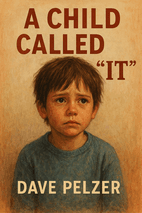
5 Main Takeaways from A Child Called It
Extreme abuse can be survived through inner resilience and clever survival strategies.
David Pelzer endured starvation and violence by feigning submission and using vivid imagination, such as picturing stolen food as a feast. His fierce will to live, exemplified by vowing never to beg again after the stove incident, showcases the human spirit's capacity to adapt under torture.
The failure of bystanders to act deepens the trauma of abuse.
David's father witnessed the ammonia attack and other abuses but remained passive, which isolated David further and normalized the cruelty. This inaction taught David that even those who should protect him could become complicit, amplifying his psychological suffering.
Early positive experiences create a foundation for identity and contrast with later trauma.
The idyllic memories of family outings and maternal love in Chapter 2 establish a core sense of self that the abuse seeks to destroy. This sharp contrast heightens the emotional impact of the memoir and underscores the profound loss of safety and belonging.
External intervention is crucial for rescuing victims from ongoing abuse.
School officials and a police officer meticulously documented David's injuries and risked their careers to remove him from his mother's custody. This rescue, finalized with a phone call, demonstrates how vigilant community members can break cycles of abuse and offer a path to freedom.
Healing from trauma requires self-determination, acceptance, and supportive communities.
In the epilogue, Pelzer chooses to let go of the past and redefine his life through military service and personal promises. This shows that recovery is an active process fueled by finding purpose and leaning on positive institutions for guidance and belonging.
Executive Analysis
"A Child Called It" presents a harrowing journey from idyllic childhood to brutal abuse, ultimately arguing that survival hinges on the interplay between internal resilience and external action. David's will to live, fueled by imagination and strategy, is countered by the betrayal of his father's passivity, highlighting how complicity perpetuates harm. The rescue by school officials underscores the necessity of community intervention, while the epilogue shows that healing is a deliberate choice supported by positive institutions. Together, these takeaways form a thesis on the human capacity to endure and overcome through both personal fortitude and societal responsibility.
This memoir is a pivotal work in trauma literature, offering readers a visceral understanding of abuse and its long-term effects. Practically, it serves as an educational tool, emphasizing the signs of child maltreatment and the critical role of bystanders in prevention. By detailing Pelzer's path from victim to survivor, it provides hope and a framework for resilience, making it essential reading for those in caregiving, education, and anyone seeking insight into the power of the human spirit.
Chapter-by-Chapter Key Takeaways
1. The Rescue (Chapter 1)
The chapter establishes the extreme physical and psychological abuse David suffers at the hands of his mother, centered on control and starvation.
David has developed sophisticated survival mechanisms, including feigned submission and a fierce internal will to live.
A group of school officials and a police officer conduct a careful, documented intervention, risking their jobs to save him.
The rescue is finalized with a phone call severing his mother’s custody, leading to David’s first tentative realization of freedom.
Try this: Document and intervene when you witness signs of systemic abuse, as careful action can break the cycle of control.
2. Good Times (Chapter 2)
The chapter establishes an almost idealized childhood defined by attentive, creative parenting and a strong sense of familial security and joy.
The mother is portrayed as the dynamic, loving architect of this happiness, whose dedication to creating wonder and education for her children is central to the narrator's positive memories.
This detailed foundation of "good times" creates a stark, intentional contrast with the trauma that follows, heightening the emotional impact of the memoir.
The narrator’s sense of identity and belonging is deeply rooted in these early, protected experiences with his family.
Try this: Cultivate cherished family memories and security, as these foundational experiences provide a psychological anchor during times of crisis.
3. Bad Boy (Chapter 3)
Mother’s discipline transforms into systematic emotional and physical abuse, centered on branding him as a “bad boy.”
The boy’s brothers distance themselves publicly to avoid becoming targets, deepening his isolation.
Father’s presence temporarily shields him, but Father’s failure to confront Mother and his eventual capitulation leave the child largely unprotected.
School offers a brief refuge where he is valued and successful, but Mother twists even his achievements into reasons for punishment.
Major incidents, including the shoulder injury and the stove-burning episode, reveal Mother’s willingness to inflict serious harm and lie to authorities and family.
The stove incident marks a turning point: the boy consciously begins to use strategy, delay, and mental toughness to survive, vowing never again to give his mother the satisfaction of seeing him beg.
Try this: Develop strategic coping mechanisms and identify safe havens when trapped in abusive situations, using mental fortitude to endure until escape is possible.
4. The Fight for Food (Chapter 4)
Psychological Torture as a Weapon: The mother’s most potent tool is not immediate violence, but prolonged psychological terror, designed to break willpower through uncertainty and exhaustion.
The Brutality of Indifference: The father’s passive witnessing of the ammonia attack is a form of complicity that deepens the narrator’s isolation and betrayal.
Imagination as a Survival Tool: Fantasy remains a critical lifeline, used both for emotional escape (imagining a warm bed) and for reclaiming dignity (transforming stolen scraps into a king’s feast).
The Resilience of the Human Spirit: Even in the most dehumanizing circumstances, the narrator’s spirit finds ways to assert itself through small, secret acts of defiance and self-preservation.
Try this: Employ creative imagination and secret defiance to preserve your sense of self and hope during prolonged psychological abuse.
Next chapter: “6. While Father Is Away” is locked
Keep learning from A Child Called It — and unlock all 600+ book summaries with audio, mindmaps and AI Q&A.
$0.00 due today · 7 days free, then $89.99/year ($7.49/mo) · Cancel anytime before day 7
plus sales tax where applicable