The Glass Castle Key Takeaways
by Jeannette Walls
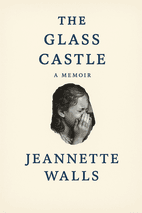
5 Main Takeaways from The Glass Castle
Resilience is forged in adversity through self-reliance and ingenuity
Jeannette and her siblings learned to cook, scavenge, and work from a young age, turning deprivation into skills that later enabled their escape. Their ability to adapt to constant change and danger, such as surviving desert hardships and creating their own entertainment, highlights how necessity builds formidable resilience.
Love for family requires balancing loyalty with self-preservation
Jeannette struggled with deep affection for her parents' charismatic dreams and her need to distance herself from their neglectful actions, like their homelessness and alcoholism. This tension teaches that setting boundaries, as seen when she refused to enable their dysfunction, is essential for personal growth while maintaining compassionate understanding.
The stories we tell ourselves shape our reality and destiny
Rex's fantastical tales of the Glass Castle provided hope but also justified irresponsibility, while Jeannette's narrative of escape and education led to her success. This shows how personal myths, from reframing trauma to planning for the future, can either trap or liberate us.
Breaking cycles of poverty demands pragmatic action over ideology
Despite her parents' rejection of materialism, Jeannette prioritized financial stability through education and work, contrasting with her mother's choice to hoard land rather than sell it for immediate needs. Practical steps, like saving money in a piggy bank and pursuing journalism, are crucial for overcoming systemic deprivation.
Forgiveness involves understanding without excusing harmful behavior
Jeannette comes to terms with her childhood by acknowledging her parents' love and flaws, allowing her to move forward without resentment. This process, seen in her final conversations with Rex and acceptance of Rose Mary's choices, shows that peace can coexist with condemnation of actions.
Executive Analysis
These takeaways collectively argue that while family and childhood trauma profoundly shape us, we have the agency to rewrite our narratives through resilience, pragmatic choices, and balanced relationships. The book illustrates how Jeannette Walls transformed her chaotic upbringing into a source of strength by embracing self-reliance, setting boundaries, and pursuing stability without rejecting her past entirely.
'The Glass Castle' matters as a seminal memoir in the genre of resilience and redemption, offering readers a stark, honest portrayal of poverty, addiction, and neglect. It provides practical lessons on overcoming adversity, the importance of education and financial literacy, and the complex journey toward forgiving one's parents while forging one's own path, resonating with anyone seeking to understand family dynamics and personal growth.
Chapter-by-Chapter Key Takeaways
Chapter 1 (Chapter 1)
The Burden of Secret Shame: The narrator lives in constant tension between her love for her parents and her profound embarrassment by their homelessness, which forces her to lead a compartmentalized life.
The Paradox of "Help": The chapter explores the frustration of wanting to help someone who does not want, or even recognize, the kind of help being offered. The parents see their lifestyle as a choice, not a problem to be solved.
Clashing Values: A core conflict is established between the narrator's desire for security, stability, and social acceptance, and her parents' apparent prioritization of independence, intellectual freedom, and a rejection of conventional materialism.
Try this: Chapter 1: Recognize that helping others requires aligning with their values, not just your own, to avoid futile efforts.
Chapter 2 (Chapter 2)
The narrator's early self-reliance and maturity are shaped by necessity, as seen in her cooking at age three and her stoic response to trauma.
The hospital serves as a temporary refuge of stability and care, highlighting the deprivation and chaos of her home environment.
Parental neglect is evident through the lack of supervision, dismissal of medical advice, and prioritization of personal beliefs over child safety.
The family's charismatic but reckless dynamics, led by Rex's anti-authority stance, create a cycle of crisis and escape that defines the narrator's childhood.
This chapter establishes foundational themes of resilience, loyalty, and the tension between societal norms and familial bonds.
Try this: Chapter 2: Cultivate self-reliance early by embracing challenges, as necessity can foster maturity and resilience.
Chapter 3 (Chapter 3)
Trauma can be reframed through confrontation, leading to unexpected curiosity rather than fear.
Parental influence plays a crucial role in shaping resilience, often through unconventional or hands-on methods.
Fascination with danger can arise from a desire to master what once caused harm, blending control with risk.
Small, personal rituals—like playing with matches—can symbolize larger struggles with power and vulnerability.
Even in destruction, there can be enduring attachment, as seen with the narrator's continued love for the melted toy.
Try this: Chapter 3: Reframe past traumas through controlled confrontation to transform fear into curiosity and mastery.
Chapter 4 (Chapter 4)
The father exerts total control, framing sudden, traumatic upheavals as necessary adventures and tests of family loyalty and toughness.
The family’s possessions and attachments are treated as disposable in service of the father's impulsive plans.
Music and grandiose promises are used as tools to distract the children from loss and fear, effectively rewriting a narrative of chaos into one of pioneering spirit.
The children begin to display a complex mix of adopted optimism and a dawning realization that their transient, impoverished life is not a fleeting phase but their enduring condition.
Try this: Chapter 4: Be wary of grandiose narratives that justify impulsive actions, and seek stability amidst chaos.
Chapter 5 (Chapter 5)
The Power of Narrative: Rex uses stories—of FBI chases, personal heroism, and the future Glass Castle—to recast a life of poverty and instability as one of exciting adventure and impending fortune.
Resilience Through Adaptation: The children learn to be physically and emotionally tough, adapting to constant change, harsh conditions, and scarcity, largely guided by their mother's pragmatic survival skills.
The Duality of a Parent: Rex Walls is a complex figure: a source of inspiration, education, and thrilling dreams, but also of fear, unpredictability, and tangible danger when drunk. The chapter captures how children can hold these contradictory truths simultaneously.
The Desert as Home: The severe beauty and challenge of the desert landscape are fundamental to the family's identity. It's a place of both deprivation and profound freedom, where they feel they belong precisely because of its harshness.
The Glass Castle as Symbol: More than a house, the Glass Castle represents hope, stability, and the fulfillment of Rex's purported genius. It is the tantalizing, always-deferred reward that justifies their present struggles.
Try this: Chapter 5: Use hopeful symbols to motivate forward progress, but ground them in actionable plans to avoid delusion.
Chapter 6 (Chapter 6)
The father's past is a closed book, but he crafts a vivid, self-aggrandizing mythology around his courtship of the mother.
The mother is portrayed from the start as fiercely independent yet pragmatic, marrying partly to escape her family and viewing childhood hardship as beneficial.
The tragic death of baby Mary Charlene is the family's pivotal trauma, affecting the parents profoundly and differently, catalyzing the father's decline.
The father's pawned wedding ring becomes a powerful symbol of broken promises, directly linking the family's current poverty and his failings to the fantastical future goals of finding gold and building the Glass Castle.
Try this: Chapter 6: Understand that family myths often mask deeper traumas, and seek truth to break cyclical patterns.
Chapter 8 (Chapter 7)
The family’s transience is a direct survival strategy, but it breeds deep-seated insecurity in the children, exemplified by Jeannette’s fear of abandonment after falling from the car.
Moments of extravagant wealth are illusory and short-lived, always ending in a panicked “skedaddle” from imagined or real consequences.
Jeannette’s relationship with fire evolves from fascination to a sobering understanding of its destructive power, mirroring the unpredictable danger of her own lifestyle.
The parents consistently choose a hard, nomadic independence over the stability and rules of “civilization,” even after it nearly costs their children’s lives. The desert, for all its hardships, remains their chosen refuge.
Try this: Chapter 7: Accept that some choose independence over stability, and focus on protecting your own safety without guilt.
Chapter 9 (Chapter 8)
Beauty in Struggle: Mom's perspective on the Joshua tree illustrates that hardship and adaptation can create unique beauty and resilience, a metaphor for the family's life.
Facing Fears with Creativity: Dad's imaginative story about Demon shows how confronting fears with courage and creativity can foster security and growth.
Adaptation to Harsh Realities: The family's ability to endure the desert's extremes—from loss to scarce resources—highlights their resilience and unconventional coping mechanisms.
Art as Reflection and Refuge: Mom's diverse artistic endeavors serve as a means to process and immortalize their experiences, emphasizing the value of self-expression amidst adversity.
Try this: Chapter 8: Find beauty and resilience in adaptation, using creativity to cope with harsh realities.
Chapter 10 (Chapter 9)
Resourcefulness Over Riches: The parents transformed lack into a lesson, valuing honesty and imagination over unsustainable myths and material gifts.
Knowledge as Legacy: The father’s true gift was an education in astronomy, critical thinking, and seeing beauty in the natural world, framing these as permanent possessions.
Reframing Perspective: The narrative actively challenges conventional notions of wealth, suggesting that clear skies, intellectual curiosity, and family bonds are greater treasures than fancy apartments or toys.
Enduring Value: The stars serve as a metaphor for gifts of meaning that, unlike physical objects, cannot break or be forgotten, offering a sense of permanent ownership and wonder.
Try this: Chapter 9: Value knowledge and experiences over material possessions, as they offer enduring wealth.
Chapter 11 (Chapter 10)
The family's instability is terrifyingly physical, demonstrated by the father using the car as a weapon during the desert chase.
The children develop a resilient, us-against-the-world bond, protecting each other from external threats and creating joy in unlikely places, like the lettuce field.
The parents' unconventional worldview and combative relationship create a constant undercurrent of danger and unpredictability, even during ostensibly happy moments like a new sibling's arrival.
Jeannette continues to emulate her father's toughness, hiding her vulnerability after the fight, while Brian demonstrates loyalty and courage despite his size.
The naming of the new baby, Maureen, illustrates the family's complex dynamics, where even a simple act is laden with negotiation, subterfuge, and unresolved familial tension.
Try this: Chapter 10: Strengthen sibling bonds through shared adversity, as loyalty can provide emotional anchor in turmoil.
Chapter 12 (Chapter 11)
The family's precarious existence is driven by Dad's impulsive decisions and a perpetual fear of authority, often putting the children in dangerous situations.
Moments of crisis, like the police chase and the U-Haul incident, reveal a blend of resilience and vulnerability among the siblings, who support each other under duress.
The move to Battle Mountain symbolizes yet another cycle of hope and risk, with Dad's gold-prospecting dreams overshadowing the practical dangers of their journey.
The chapter underscores themes of instability and survival, highlighting how the children adapt to chaotic circumstances while navigating their parents' conflicting promises of adventure and security.
Try this: Chapter 11: Develop adaptability in crisis, but recognize when constant upheaval harms long-term security.
Chapter 13 (Chapter 12)
The family’s poverty necessitates constant, creative improvisation, turning industrial refuse into furniture and finding charm in hardship.
The parents’ dynamic is characterized by grandiose ideas, chaotic execution, and a resilient, almost cheerful, reframing of disasters.
The chapter highlights a stark contrast between the barren, forgotten landscape of Battle Mountain and the vibrant, disorderly life unfolding inside the old depot.
Try this: Chapter 12: Embrace resourcefulness to improvise solutions from scarcity, finding charm in simplicity.
Chapter 14 (Chapter 13)
Stability breeds connection: Dad's regular job allowed for structured family time, strengthening bonds through shared games, meals, and explorations.
Resourcefulness and imagination: The children turned simple materials and the natural environment into endless entertainment, highlighting a creativity born of necessity.
Education beyond the classroom: Learning was woven into daily life, from geological lessons in the desert to critical thinking games and literary discussions at home.
Contrasting values on chance and skill: Dad's disdain for slot machines versus his appreciation for poker underscores a belief in self-reliance and mastery over reliance on luck.
The comfort of ritual: Whether it was Sunday dinners at the Owl Club or nightly reading sessions, these consistent practices provided a sense of security and normalcy amidst their unconventional lifestyle.
Try this: Chapter 13: Create consistent rituals and shared learning experiences to build family connection and security.
Chapter 15 (Chapter 14)
The family’s intellectualism and self-reliance often clashed with conventional institutions, as seen in the binary homework incident.
Parental philosophy prized experiential learning and resilience, granting extreme freedom with minimal rules, which fostered independence but also led to real physical risks.
Childhood was a mix of imaginative enterprise (rock collections, sales) and raw adventure in the desert landscape, with the dump fire serving as a potent, symbolic moment of brushed-up-against danger.
The father’s role was multifaceted: a challenging tutor, a playful neighborhood hero, and a philosophical guide who contextualized even a frightening accident as a part of understanding the world's chaos.
Try this: Chapter 14: Balance experiential learning with safety, encouraging curiosity while mitigating real risks.
Chapter 16 (Chapter 15)
Childhood ingenuity is often born from necessity, as seen in the kids' entrepreneurial scrap-gathering to fund simple pleasures.
The adult world is often shrouded in mystery and ominous warnings for children, making places like the Green Lantern objects of fearful fascination.
Direct, personal interaction can demystify the unknown and challenge preconceived notions, as Brian’s brief, friendly encounter subtly redefines a forbidden place.
Siblings can experience the same event through entirely different lenses, with Brian’s fearless curiosity leading to a form of acceptance, while the narrator maintains a more cautious perspective.
Try this: Chapter 15: Demystify fears by engaging directly with the unknown, challenging preconceptions with firsthand experience.
Chapter 17 (Chapter 16)
The family's approach to animals reflected a broader, often harsh, philosophy of radical self-reliance and non-interference with nature.
A single traumatic event at the Hot Pot served as a physical and metaphorical lesson in survival, forcing the narrator to overcome terror through sheer necessity.
The chapter contrasts a parent's perception of tough love and essential life instruction with a child's experience of betrayal and near-drowning, leaving a complex emotional legacy.
Try this: Chapter 16: Learn survival skills through necessity, but critically assess when 'tough love' crosses into neglect.
Chapter 18 (Chapter 17)
The family's poverty reaches a visceral crisis point, defined by empty cupboards and desperate, secretive acts of hunger.
The children's coping mechanism of maintaining a cheerful pretense finally cracks under the strain, forcing the underlying tensions to the surface.
The parents' conflict escalates from financial blame into deep personal resentment, exposing the failure of both Dad's grandiose dreams and Mom's artistic ideals to provide stability.
The family's private shame becomes a public humiliation, stripping away their last vestiges of dignity in front of their community.
Try this: Chapter 17: Address hidden hunger and shame openly, as pretense can crack under strain and require honest confrontation.
Chapter 19 (Chapter 18)
Unconventional Education: Mom's teaching philosophy prioritizes student freedom and emotional validation over rules and homework, yielding positive engagement from children often overlooked by the system.
Intergenerational Conflict: The job resurrects Mom's unresolved issues with her own mother, framing teaching as a symbol of failed artistic ambitions and inherited practicality.
Family as Support System: The children actively shoulder adult responsibilities, from administrative tasks to emotional labor, illustrating their premature maturity and deep loyalty.
Performance for Authority: Mom's punitive actions toward Lori, though insincere, reveal the pressure to conform to institutional expectations, contrasting her private beliefs with public performance.
Sibling Dynamics: Lori's academic brilliance and empathetic connection with Mom are highlighted, alongside Jeannette's diligent efforts, showcasing their roles in sustaining the family's fragile balance.
Try this: Chapter 18: Support unconventional education methods that validate individuality, but ensure they meet basic needs.
Chapter 20 (Chapter 19)
Financial instability is behavioral, not just economic. Even with a stable income, the family's ingrained habits of poor budgeting and conflict over control prevent real security.
Performance often substitutes for care. Rex's grand gestures, like the cafeteria delivery, are more about managing his self-image as a provider than about consistent, responsible parenting.
Loyalty within the family becomes fractured. Jeannette’s appointed role as Rex’s believer intentionally separates her from her siblings' more critical view, highlighting how manipulation shapes family dynamics.
Small injustices reveal larger betrayals. Brian’s lost comic book is not just a confiscated gift; it symbolizes his father's willingness to privilege his own desires and companions over his son’s dignity and happiness.
Try this: Chapter 19: Identify when performance substitutes for genuine care, and seek consistent responsibility in relationships.
Chapter 21 (Chapter 20)
The family's hard-won sense of belonging in Battle Mountain is destroyed by external violence and the threat of institutional intervention.
Jeannette's childhood is further encroached upon by a traumatic sexual assault, which she must process in isolation.
The parents' solution to a crisis remains unchanged: a sudden, secretive escape, underscoring their prioritization of freedom from authority over stability for their children.
The chapter starkly contrasts Billy's horrific home life with the Walls' chaotic but intellectually vibrant one, yet both households produce children forced to navigate adult dangers.
Try this: Chapter 20: Protect children from adult dangers by prioritizing their safety over ideological freedom.
Chapter 22 (Chapter 21)
Grandma Smith represented a world of structure and unconditional love that deeply impacted Jeannette, highlighting the contrast between her disciplined approach and Mom's laissez-faire parenting.
The delayed disclosure of Grandma's death underscores Mom's tendency to withhold emotional information, prioritizing practicality over familial grief and shared mourning.
The inheritance of the adobe house serves as a catalyst for the family's move to Phoenix, reframing their upheaval as a positive step toward Mom's artistic ambitions and new beginnings.
Try this: Chapter 21: Honor the impact of stable, loving figures in your life, even if they are not your primary caregivers.
Chapter 23 (Chapter 22)
The family experiences a period of unusual stability and material comfort in Phoenix, marked by a grand house, steady income, and new possessions like bicycles.
Education becomes a source of validation for the children, who are recognized for their intelligence, while Lori’s glasses literally and metaphorically open up a new, detailed world for her, solidifying her artistic ambitions.
The parents pursue their passions with dedicated focus—Mom in her art and writing, Dad in providing through union work—though their unconventional approaches to problems (like vision care and home repair) persist.
Even in a “mansion,” the family’s life retains a layer of gritty, improvisational reality, battling insect infestations with makeshift, sometimes humorously flawed, solutions.
Try this: Chapter 22: Use periods of stability to pursue passions and education, building a foundation for future growth.
Chapter 24 (Chapter 23)
The children are raised in an environment where direct, often unconventional confrontation is the preferred response to threats, whether through a makeshift curse or armed patrols.
A core family value is the absolute refusal to surrender to fear or to live by others' rules, even when that principle creates vulnerability or social conflict.
The parents model radical non-conformity: Mom through intentional disregard for appearances and norms, and Dad through intellectual rebellion against institutions he disdains.
Dangerous reality and childhood adventure are uncomfortably intertwined, as seen in the reframing of a traumatic assault into the thrilling game of "Pervert Hunting."
Try this: Chapter 23: Teach direct confrontation to threats, but ensure it is proportionate and not reckless.
Chapter 25 (Chapter 24)
Rex’s philosophical rebellion against modern society is intensifying, framing city life as an unnatural prison that corrupts the human spirit and disrespects the wild.
The zoo visit serves as a stark metaphor: the caged animals mirror Rex’s own feeling of being trapped, while his interaction with the cheetah represents his ideal of fearless, respectful harmony with nature.
The incident highlights the core family dynamic: the children, especially Jeannette, are caught between Rex’s thrilling, unconventional worldview and the shocked, rule-bound reaction of mainstream society.
For Jeannette, the profound, tactile experience with the cheetah validates her father’s teachings and creates a cherished memory that inoculates her against the judgment of outsiders.
Try this: Chapter 24: Validate unique worldviews that harmonize with nature, but balance them with societal norms for safety.
Chapter 26 (Chapter 25)
The family's poverty intensifies, forcing them into ethically ambiguous acts of survival like dumpster diving, shoplifting, and fraud.
Dad's alcoholism escalates, his violent episodes becoming routine, and his justifications for his behavior grow more fantastical and detached from reality.
The children develop coping mechanisms: logistical (Brian hiding bottles, Jeanette sampling the liquor), emotional (retreating into imagination), and pragmatic (participating in scams).
A final, devastating hope—the meticulously planned Christmas—is literally destroyed by Dad's actions, leading the family to a collective, silent state of traumatic resignation rather than open rebellion.
Try this: Chapter 25: Recognize when coping mechanisms like addiction escalate, and intervene early to prevent collapse.
Chapter 27 (Chapter 26)
A child’s sincere attempt to solve a family crisis can have profound and unintended consequences, burdening them with guilt and responsibility.
The physical trauma of addiction and withdrawal is vividly depicted, impacting the entire family’s dynamic.
Rex’s pattern of grandiose plans followed by catastrophic failure continues, with the Grand Canyon trip serving as a metaphor for his unstable promises.
The family’s resilience is tested not just by poverty, but by the cyclical nature of hope and disappointment.
The chapter ends on a note of quiet abandonment, suggesting that personal demons are not easily outrun by a change of scenery.
Try this: Chapter 26: Avoid burdening children with adult responsibilities, as their solutions can lead to unintended guilt.
Chapter 28 (Chapter 27)
Dad's relapse is explosive and destructive, shattering any brief stability and demonstrating the family's cyclical return to crisis.
Mom's agency and resourcefulness in crisis are on full display, from securing money to buying a car and planning the cross-country move, yet her plans are often reckless and poorly conceived.
The children's loyalty and desperate need for a functional parent persist despite the trauma, powerfully illustrated by their united plea that ultimately sways Dad.
The chapter reinforces central family dynamics: the toxic, co-dependent bond between the parents, and the children's role as powerless witnesses who must adapt to survive.
The move to Welch is launched under a cloud of uncertainty, propelled by equal parts desperation, misguided optimism, and a last-minute emotional appeal.
Try this: Chapter 27: Acknowledge cyclical patterns of crisis and relapse, and plan for sustainable change rather than escape.
Chapter 29 (Chapter 28)
The family's journey concludes not with triumph, but with a descent into poverty so complete it becomes a public comedy.
The Appalachian environment and the Walls grandparents represent a cultural and personal shock entirely foreign to the children's upbringing.
Erma's household is governed by rules of survival and bitterness, where warmth, good food, and even laughter are forbidden or scarce.
The chapter establishes a stark new setting defined by decay, familial strangeness, and a palpable sense of being unwanted guests.
Try this: Chapter 28: Prepare for cultural shocks when entering new environments, and maintain adaptability while preserving core values.
Chapter 30 (Chapter 29)
Welch is presented as a physically confined and economically devastated town, defined by its exploitative coal-mining past and prolonged decline.
The polluted Tug River serves as a potent symbol of the environment’s utter degradation and the loss of innocence.
The family are marked as outsiders, viewed with deep suspicion by a wary and wounded community.
Mom’s persistent, almost defiant optimism—seeing Welch as a place where her art career could flourish without competition—creates a stark and poignant contrast to the overwhelming bleakness her children and husband perceive.
Try this: Chapter 29: See beyond surface decay to find potential, but be realistic about the challenges of entrenched poverty.
Chapter 31 (Chapter 30)
Cultural and Class Alienation: The chapter powerfully illustrates how the Walls children are outsiders not just socially, but culturally and linguistically, with their accents and reasoning marking them as alien in Welch.
The System’s Failure: The school administration swiftly labels and marginalizes them based on a superficial, prejudiced assessment, placing them in an educational track that promises further limitation rather than support.
The Currency of Brutality: In the social hierarchy of the playground, perceived arrogance (or difference) is punished with physical violence, and weakness (like a buttonless coat) is an open invitation for attack.
Resilience Tested: Jeannette’s attempts to use her intelligence and previous skills to navigate the day—from math facts to debate logic—are utterly ineffective, marking a low point where her usual coping mechanisms fail completely.
Try this: Chapter 30: Overcome social alienation by building resilience and seeking allies who appreciate your differences.
Chapter 32 (Chapter 31)
Silent endurance has limits, and sometimes unexpected courage—like defending a stranger—can alter your own circumstances.
Bigotry is portrayed as a learned poison, passed through generations and fueled by personal misery, as seen in Erma’s character.
Survival often requires painful compromises, including tolerating hateful ideologies from those on whom you depend, creating internal conflict and hypocrisy.
The chapter presents a complex moral: while standing against prejudice is right, understanding its roots in personal trauma can be a separate, difficult path toward a more nuanced, if challenging, compassion.
Try this: Chapter 31: Stand against prejudice courageously, but understand its roots in trauma to foster nuanced compassion.
Chapter 33 (Chapter 32)
The parents' departure underscores their profound negligence, leaving their children in a knowingly volatile and unsafe environment.
The incident with Brian reveals the depth of Erma's depravity and the absolute lack of a protective authority figure in the children's lives.
Dad's reaction upon returning is a catastrophic failure of paternal duty, prioritizing his mother's narrative and his own unresolved trauma over the immediate safety and truth of his children.
The children’s silent, shared realization about their father’s childhood suggests a cycle of abuse and hints at the origins of his destructive behavior.
The siblings' solidarity—from the fight to the basement huddle—remains their primary source of resilience in the face of adult betrayal.
Try this: Chapter 32: Prioritize children's safety above all, and break cycles of abuse by acknowledging and addressing past trauma.
Chapter 34 (Chapter 33)
The family hits a new low, moving into a house that symbolizes extreme poverty and instability, complete with health and safety hazards.
Resourcefulness and adaptation are necessary for survival, as seen in the handmade furniture and creative repairs, though some problems are insurmountable.
Mom's artistic efforts to create beauty and normalcy are heartfelt but ineffective against the grim physical and emotional environment.
The chapter is defined by a deep sense of loss and nostalgia for Phoenix, representing a stable, secure past that has been irrevocably replaced by a harsh and uncertain present. Dad's final statement solidifies this painful new reality.
Try this: Chapter 33: Use resourcefulness to improve dire living conditions, but acknowledge when environments are fundamentally unsafe.
Chapter 35 (Chapter 34)
Children's initiative and hope can be stifled by parental inaction and a chaotic home environment.
Symbols of future promise, like the Glass Castle foundation, are often sacrificed to immediate, degrading necessities.
The family's isolation and poverty are compounded by a refusal to conform to community norms, even for simple improvements.
Jeannette's persistent efforts to create order and beauty highlight her growing internal conflict between accepting her family's ways and striving for a different life.
Try this: Chapter 34: Take initiative to create order and beauty, even when parental inaction stifles progress.
Chapter 36 (Chapter 35)
Pride and Poverty: The Walls’ refusal of charity starkly contrasts with their neighbors’ open struggles, highlighting complex and often painful family pride amidst deprivation.
Curiosity and Compassion: Jeannette’s clinical curiosity about the “whore’s” life is transformed by a simple, human encounter, revealing the danger of defining people by a single label.
The Universal Language of Need: The shared acts of eating and storytelling become a leveling force, momentarily erasing social stigmas and connecting individuals through basic hunger—for food, for respect, for escape.
Survival’s Many Faces: The chapter subtly argues that every family on the street, from the Walls to the Pastors, is employing its own difficult strategy for survival, with Ginnie Sue’s profession being just one more method of “putting a chicken on the table.”
Try this: Chapter 35: Look beyond social stigmas to connect with others through shared human needs and stories.
Chapter 37 (Chapter 36)
The pervasive violence in Welch was a symptom of deeper economic despair and social hardship, affecting every layer of the community.
For the Walls children, fighting was a necessary survival skill, a way to assert dignity in the face of relentless humiliation for their poverty.
Resourcefulness and sibling loyalty were their greatest weapons, turning a defensive situation into a victorious and imaginative counterattack.
The chapter highlights a grim childhood reality where children engage in conflicts with a lethal seriousness, as seen in their intent to "kill them and commandeer their bikes."
Try this: Chapter 36: Develop strategic resilience to assert dignity in the face of humiliation, using ingenuity to counter threats.
Chapter 38 (Chapter 37)
Summer’s beauty in Welch is a thin veil over persistent decay, mirroring the family’s own fragile dynamic.
Reading becomes a solitary, dividing activity used for escape or seeking understanding, rather than a unifying family ritual.
The narrator’s literary identification with characters who love flawed fathers highlights her own internal conflict regarding Dad.
The shocking, graphic scene of suturing Dad’s wound forces the narrator into an adult role of caretaker and complicit participant in his dangerous world, severing another piece of her childhood.
Try this: Chapter 37: Use reading and reflection to process complex emotions, but avoid isolation by seeking shared understanding.
Chapter 39 (Chapter 38)
The family’s poverty is total and destabilizing, with parental figures providing neither reliable income nor food security.
The children’s agency and resourcefulness in seeking food are consistently met with failure, nature’s inedibility, or social humiliation.
Shame becomes a corrosive side effect of hunger, particularly in the public setting of school, leading to isolation and secrecy.
The discovery of Mom hoarding food shatters the remaining vestiges of parental moral authority, revealing a household where everyone, including the adults, is ultimately fending for themselves.
Try this: Chapter 38: Address food insecurity openly, as secrecy and hoarding erode trust and exacerbate shame.
Chapter 40 (Chapter 39)
The harsh winter acts as a magnifying glass, intensifying the family's poverty and forcing them into relentless, often dangerous, struggles for basic warmth.
Small moments of respite, like the trip to the Laundromat, highlight the profound value of simple comforts and temporary escape from their harsh reality.
The children's resourcefulness and dark humor are essential survival tools, balancing their mother's often-optimistic reframing of their hardships.
The kerosene explosion serves as a critical reminder of the physical dangers inherent in their makeshift solutions to poverty.
The encounter with the thermostat symbolizes a world of stability and ease that is utterly foreign to the narrator, crystallizing a deep desire for a life where comfort is not a daily battle.
Try this: Chapter 39: Appreciate simple comforts during hardship, and let them fuel a desire for a more stable life.
Chapter 41 (Chapter 40)
Erma's death exposes deep family tensions, with Dad's grief contrasting sharply with the children's resentment and Mom's performative morality.
Jeannette's role as the family mediator forces her into adult situations, like retrieving Dad from bars, where she confronts societal judgment and her own ambitions.
Mom's minimization of Uncle Stanley's assault reflects a pattern of dismissing trauma, pushing the children to endure silently.
The flooding and home decay mirror the family's internal turmoil, with natural disasters and crumbling infrastructure emphasizing their instability and resilience.
Small acts, like using a bucket for a toilet, underscore the harsh realities of poverty, yet the narrative maintains a thread of dark humor and perseverance.
Try this: Chapter 40: Mediate family tensions with empathy, but set boundaries when trauma is minimized or ignored.
Chapter 42 (Chapter 41)
The discovery of the diamond ring highlights the family's desperation for financial relief, but Mom's choice to prioritize her self-esteem over practical needs reveals the complex interplay between material and emotional survival.
Mom's mood swings and coping mechanisms, like cleaning and exercise, illustrate her attempts to maintain control in an unstable environment, often avoiding deeper systemic changes.
The narrator's confrontation with Mom marks a turning point, showing her growing agency and realism, but also the entrenched barriers—emotional, religious, and psychological—that keep the family trapped in their cycle of poverty and dysfunction.
The chapter underscores themes of sacrifice, loyalty, and the painful choices faced by children in troubled households, where love and hardship are inextricably linked.
Try this: Chapter 41: Confront entrenched ideologies that prioritize emotional needs over practical survival, advocating for change.
Chapter 43 (Chapter 42)
Loyalty and betrayal can coexist; the narrator shares a genuine, joyful moment with a father she is secretly betraying.
Social ostracism operates on multiple levels; the Walls children are pariahs among the white community, forcing the narrator to find community elsewhere.
Informal segregation defines the pool, creating separate spaces where the narrator finds acceptance in the Black community's designated time.
True acceptance is found in unexpected places; the vibrant, open atmosphere of the Black women's locker room offers a stark, welcoming contrast to the rejection from white peers.
A simple act like swimming can become a profound experience of liberation, cleansing, and temporary belonging.
Try this: Chapter 42: Find acceptance in unexpected communities when rejected by mainstream peers, embracing inclusivity.
Chapter 44 (Chapter 43)
The family’s greatest fear is not poverty, but intervention by child welfare, which is seen as an unstoppable force that would irrevocably break the siblings apart.
Jeannette assumes the role of a cunning and fierce protector of the family unit, using lies and bravado to shield them from external scrutiny.
Rose Mary’s response to extreme stress is retreat into her art; her painting of a drowning woman serves as a silent, metaphorical admission of her feeling of being overwhelmed.
Her promise to “get a job” feels less like a solution and more like a desperate, perhaps empty, concession made under pressure, highlighting the chasm between the family’s needs and the parents’ capabilities.
Try this: Chapter 43: Protect family unity from external threats with cunning and bravery, but seek healthy support systems.
Chapter 45 (Chapter 44)
Structural Neglect: The severe teacher shortage in McDowell County highlights systemic failures in education, creating opportunities for the underqualified but also underscoring the community's deprivation.
The Illusion of Stability: A regular income does not automatically translate to security; without financial literacy and discipline, poverty can be a persistent cycle even when employment is secured.
Parental Fallibility: Children are often forced into adult roles when parents are unreliable, leading to frustration and a loss of childhood as they attempt to manage household crises.
Symbolic Consumption: Mom's purchase of "quality nonessentials" reveals a complex psychological coping mechanism, where owning beautiful things is confused with achieving actual financial health.
Resilience and Resourcefulness: The children's proactive efforts—from taking jobs to creating budgets—demonstrate their determination to improve their lives, even when thwarted by the very adults meant to care for them.
Try this: Chapter 44: Combine income with financial literacy to break poverty cycles, and avoid confusing symbolic consumption with stability.
Chapter 46 (Chapter 45)
Social barriers, both racial and economic, profoundly shape relationships and opportunities, as seen in the narrator's strained friendship with Dinitia and the stark divisions at school.
Adolescence intensifies feelings of isolation and self-consciousness, with physical appearance becoming a central source of anxiety and a measure of social worth.
Ingenuity and desperation often walk hand-in-hand; the narrator's homemade braces are a poignant symbol of her desire to take control of her life in the face of overwhelming obstacles.
Familial pride can be found in unexpected places, with Dad's admiration for her DIY solution highlighting a shared ethos of stubborn self-reliance, however misguided.
Try this: Chapter 45: Use ingenuity to overcome social and physical barriers, taking proactive control of your self-improvement.
Chapter 47 (Chapter 46)
The school newspaper provides the protagonist with a much-needed sense of belonging and a constructive escape from a challenging home environment.
Miss Bivens serves as a crucial mentor and link to family history, embodying encouragement and stability.
The professional newsroom environment introduces the protagonist to a world of purpose, routine, and real-world connection.
Facing prejudice from a coworker highlights ongoing social struggles, but also reveals the protagonist's resilience and the support of a loyal advocate.
This experience fundamentally shifts the protagonist's career aspirations toward journalism, valuing its role in uncovering truth and influencing public discourse.
Try this: Chapter 46: Seek mentors and constructive escapes like journalism to build purpose and counter challenging environments.
Chapter 48 (Chapter 47)
The Weight of Premature Responsibility: Jeannette's summer as head of the household highlights the crushing burden placed on children in unstable families, where adult failures become a child's to manage.
The Complexity of Filial Love: Her actions are driven by a tangled mix of love, duty, and a desperate hope that her faith in her father might somehow redeem him, even as he repeatedly betrays it.
Resilience Born of Necessity: Jeannette's escape from Robbie showcases her quick wit and resourcefulness, traits forged in an environment where she must constantly fend for herself.
A Defining Vow: Her promise to never end up like her mother becomes a core motivational force, setting her on a path toward independence and a rejection of the helplessness she despises.
The Illusion of Control: The chapter underscores that Jeannette's belief she could "manage" her father is tragically naive, revealing the deep dysfunction and manipulation that no amount of childish strength can fix.
Try this: Chapter 47: Recognize the weight of premature responsibility, and vow to break cycles of helplessness through independence.
Chapter 49 (Chapter 48)
Personal integrity often emerges through temptation, as seen in the narrator's decision to return the stolen watch despite feeling wronged.
Early employment can be a double-edged sword, offering financial independence but also exposing one to exploitation and ethical dilemmas.
Family dynamics, especially parental deceit, can accelerate maturity, fostering empathy and resilience in challenging circumstances.
Small acts of dishonesty, like stealing a watch, carry significant emotional and moral weight, revealing character under pressure.
Try this: Chapter 48: Uphold personal integrity under pressure, letting ethical choices define your character amidst temptation.
Chapter 50 (Chapter 49)
Lori and Mom’s parallel summer experiences both lead to a desire to escape their current lives, but for starkly different reasons—Lori seeks community and normalcy, Mom seeks selfish liberation.
The narrator completes a role reversal, becoming the responsible adult who challenges her parents, which shatters the fragile, unconventional alliance she had with her father.
Dad’s choice to physically punish the narrator represents a catastrophic betrayal, permanently severing the bond of understanding they once shared.
The whipping serves as a violent catalyst, transforming vague discontent into a firm, actionable plan for independence and escape from Welch.
The pink piggy bank symbolizes the beginning of a practical, self-driven journey toward freedom, marking a shift from enduring circumstances to actively plotting a way out.
Try this: Chapter 49: Use role reversal as a catalyst for escape planning, transforming discontent into actionable steps toward freedom.
Chapter 51 (Chapter 50)
External catalysts can redefine possibility. Ken and Bob provided a tangible connection to a world beyond Appalachia, making an abstract dream like New York feel accessible.
A shared goal transforms hardship into purpose. The "escape fund" gave the children's labor and suffering a focused objective, channeling their energy into a collective mission.
Artistic talent and academic skill became viable currencies. Lori and Jeannette leveraged their unique abilities to earn money, demonstrating resourcefulness and pragmatism.
Family dysfunction often contains profound irony. The luxury of the Cadillac "Elvis" existed simultaneously with severe material deprivation, highlighting Rex's prioritization of flashy grandeur over basic stability.
The nomadic impulse remained a comfort. The ability to travel in Elvis, even for failing business ventures, reminded Jeannette that movement and escape were still part of her family's identity and her own psyche.
Try this: Chapter 50: Leverage external connections and shared goals to make distant dreams feel achievable and urgent.
Chapter 52 (Chapter 51)
Active Sabotage: Dad’s opposition to Lori’s independence escalates from drunken criticism to outright theft, representing a last, desperate stand to control his family and keep them in Welch.
Resourceful Resilience: Faced with the total loss of their savings, Jeannette demonstrates quick-witted perseverance, inventing a new hiding spot and, crucially, negotiating a pivotal opportunity that transforms Lori’s babysitting job into her ticket to freedom.
The Cost of Escape: Lori’s departure is bittersweet and final, marked by a severed relationship with her father. Her refusal to look back symbolizes a necessary break from a painful past to secure her future.
Intertwined Fates: Jeannette’s fierce dedication to getting Lori out underscores her understanding that their fates are linked; Lori’s success is the blueprint for her own eventual escape.
Try this: Chapter 51: Counter sabotage with resourcefulness and negotiation, turning setbacks into opportunities for liberation.
Chapter 53 (Chapter 52)
Purposeful work can serve as a powerful antidote to isolation, providing both social currency and personal confidence.
Practical ingenuity often trumps tradition, as seen in the success of the "Birthday Corner" over more conventional journalism.
Shared admiration for a hero can bridge complex family dynamics, creating rare moments of connection and mutual pride.
Authentic accomplishment, like securing a major interview, can fundamentally alter how one is perceived by peers.
The drive to tell and shape stories emerges as a core family trait and a vital tool for navigating the world.
Try this: Chapter 52: Use purposeful work and ingenuity to build confidence and bridge social divides.
Chapter 54 (Chapter 53)
The Power of a Concrete Alternative: Lori’s firsthand, positive accounts of New York provide a tangible and achievable alternative to the stagnation of Welch, making the dream feel real and urgent.
Institutional vs. Personal Ambition: The encounter with Miss Katona illustrates how institutional guidance can be limited by local paradigms, forcing self-reliant individuals to devise their own escape routes.
Decisive Action as Liberation: The decision to leave early, born from a moment of clarity, represents a proactive seizure of agency rather than a passive waiting for circumstances to change.
The Complexity of Family Bonds: Family reactions reveal layered emotions—support, selfish envy, humorous acceptance, and silent despair—but none are strong enough to deter the pursuit of a better life.
The End of Shared Dreams: Dad’s presentation of the Glass Castle blueprints serves as a poignant funeral for a long-dead family fantasy, highlighting how children must sometimes outgrow and leave behind the unfinished dreams of their parents.
Try this: Chapter 53: Seize agency by taking decisive action toward better opportunities, leaving behind unfulfilled dreams.
Chapter 55 (Chapter 54)
The chapter is a powerful study in transition, using the physical journey from Welch to symbolize a definitive break from a difficult past and a leap toward self-determination.
Family relationships are portrayed with complex, layered realism: the mother's detached practicality, the brother's affectionate teasing, and the father's flawed but poignant attempt at a meaningful farewell.
Small, symbolic objects—the gifted geode and the father’s jackknife—carry the weight of inheritance, memory, and the choice between holding onto the past or releasing it.
The narrator’s resolve is clear and firm; despite the emotional tug of goodbye and her father’s offer of a safe return, her gaze and her commitment are fixed on the future ahead.
Try this: Chapter 54: Embrace transitions as breaks from the past, carrying symbolic memories while committing to the future.
Chapter 56 (Chapter 55)
Resilience Defines Adaptation: The protagonist's journey underscores that toughness and wit are essential for navigating new environments, whether facing city crowds or neighborhood dangers.
Hidden Warmth in Unexpected Places: New Yorkers' initial brusqueness masks a willingness to help, revealing that community can be found through genuine interaction.
Family Bonds Transcend Geography: By bringing her siblings to New York, she rebuilds their family unit, transforming shared trauma into shared strength and laughter.
Opportunity Often Disguises Itself: Seizing chances—like a job from a fleeing mouse—can lead to profound personal and professional growth, even when paths are unconventional.
Education as an Expansive Choice: Pursuing college becomes not a rejection of hard-won success but an expansion of it, blending street-smart learning with formal knowledge to open future doors.
Try this: Chapter 55: Adapt to new environments with resilience, rebuilding family bonds and seizing unconventional opportunities.
Chapter 57 (Chapter 56)
The parents’ arrival shatters the fragile stability and independence their children have built in New York, dragging them back into familiar cycles of chaos and responsibility.
Despite their adult children’s attempts to help with conditions (like Brian’s rules or Lori’s deadlines), Mom and Dad fundamentally reject any authority but their own, leading directly to their homelessness.
The chapter highlights the painful conflict between familial loyalty and self-preservation, as Jeannette and Lori are forced to choose their own well-being over enabling their parents’ dysfunction.
Mom’s perpetual optimism and reframing of disasters as adventures is finally met with an irreversible consequence: life on the streets.
Try this: Chapter 56: Choose self-preservation over enabling dysfunction, even when it means allowing loved ones to face consequences.
Chapter 58 (Chapter 57)
The Philosophy of "Want": The parents actively choose their homeless, adventurous life, reframing hardship as freedom and intellectual pursuit, which both confounds and troubles their child.
The Weight of Secrecy: The narrator’s decision to conceal their parents' reality creates isolation, forcing them to absorb public scorn and academic critique without defense.
The Clash of Theory and Lived Experience: Abstract classroom debates about homelessness become painfully personal, highlighting the gap between intellectual theories and the messy, nuanced realities of human choices and circumstances.
Guilt and Alienation: Moving into a stable life does not bring peace but instead deepens the narrator's sense of guilt and moral confusion, straddling two irreconcilable worlds.
Try this: Chapter 57: Bridge the gap between intellectual theories and lived experience, navigating guilt from straddling disparate worlds.
Chapter 59 (Chapter 58)
The Illusion of Helplessness: Even in dire circumstances, options often exist, but they can be rendered moot by entrenched mindsets and emotional attachments, as seen in Mom's refusal to leverage her assets for immediate stability.
The Burden of Guilt and Responsibility: The narrator's impulse to drop out highlights the complex moral weight children carry when parents struggle, yet family interventions reveal that such sacrifices may be misguided and contrary to the parents' own hopes.
Resilience as a Double-Edged Sword: Mom's optimistic adages and cheerful facade, while sustaining her through hardship, also serve as barriers to practical change, illustrating how survival mechanisms can perpetuate cycles of poverty.
The Power of Narrative Over Necessity: The conversation devolves into movie talk because Mom controls the narrative, preferring philosophical reassurance over actionable plans, emphasizing how stories we tell ourselves can override logical solutions.
Try this: Chapter 58: Challenge entrenched mindsets that prioritize narrative over necessity, advocating for practical solutions.
Chapter 60 (Chapter 59)
The Erosion of Invincibility: Rex’s serious illness fundamentally cracks the narrator’s childhood perception of her father as physically untouchable, forcing a new, more realistic view.
Sobriety and Seeking: Confined and sober, Rex channels his formidable intellect into philosophical and scientific exploration, leading to a surprising reconsideration of his core beliefs about God and order in the universe.
Enduring Dynamics: Despite the dramatic circumstances, their relationship dynamics persist—his pride in her, his performative bravado in front of others, and her underlying fear for his well-being and tendency to flee.
Ambiguous Resilience: The chapter ends on a note of poignant ambiguity, with Rex’s defiant laughter battling against the physical reality of his illness, leaving his true condition and fate uncertain.
Try this: Chapter 59: Accept the erosion of invincibility in loved ones, and find meaning in their intellectual pursuits amid decline.
Chapter 62 (Chapter 61)
Parental sacrifice and dignity persist even in the most difficult circumstances, with the father finding a way to provide and the mother offering steady, philosophical support.
The father channels his intelligence and hustle into being an active participant in his daughter's education, creating a shared intellectual journey.
A moment of profound familial love and support is delivered not through traditional means, but through a bag of cash and a fur coat, symbolizing a gritty, determined form of care.
The chapter solidifies the narrator's reluctant acceptance of her parents' chosen path while highlighting how their unwavering belief in her future continues to propel her forward.
Try this: Chapter 60: Value gritty, determined forms of care that reflect love, even when delivered unconventionally.
Chapter 63 (Chapter 62)
The narrator's parents find purpose and community in squatting, turning instability into a chosen identity and a twisted version of the American pioneer myth.
The narrator consciously chooses a partner and a life defined by safety, order, and financial responsibility, directly rejecting the chaotic model of her upbringing.
The physical move from a squat to a Park Avenue apartment symbolizes the vast emotional and class distance the narrator has traveled, leaving her to question where she truly belongs.
Try this: Chapter 61: Consciously choose stability and order over chaos, defining your life by deliberate values rather than default patterns.
Chapter 65 (Chapter 64)
The chapter reveals a devastating secret: the mother owned valuable land throughout the family’s most severe periods of poverty, recasting their past suffering in an agonizing new light.
The central conflict hinges on a profound clash of values between the mother’s view of land as sacred, inalienable family legacy and the narrator’s view of assets as tools for survival and stability.
The mother’s ultimate weapon is emotional manipulation, framing the narrator’s pragmatic refusal as a deep personal failure and betrayal of family loyalty.
This confrontation becomes a defining moment, forcing the narrator to fully confront the reality that her parents’ choices were often driven by rigid ideology rather than necessity.
Try this: Chapter 62: Reconcile past suffering by confronting hidden assets and ideological choices, separating necessity from preference.
Chapter 66 (Chapter 65)
The chapter illustrates how untreated mental illness, combined with a dysfunctional home environment, can lead to tragedy.
The family's collective failure to secure real help for Maureen, due to denial, minimization, and legal hurdles, results in a violent outcome that finally forces intervention.
Each family member processes the crisis through the lens of their own historical hurts, leading to a chaotic eruption of blame rather than unified support.
Jeannette carries a deep, personal sense of responsibility for Maureen's fate, stemming from her role in bringing her sister to New York and her subsequent focus on her own survival.
Maureen's departure to California represents both a desperate escape and a faint hope for renewal, but it ultimately signifies the family's irrevocable fragmentation.
Try this: Chapter 63: Intervene early in mental health crises, overcoming denial to secure real help and prevent tragedy.
Chapter 67 (Chapter 66)
The family is permanently scattered, with the siblings' lives moving on separately from their parents.
Rex Walls is physically deteriorating, yet remains psychologically unchanged, using humor and tall tales to face mortality.
The core father-daughter relationship is affirmed through a raw, honest conversation that acknowledges both deep love and profound failure.
The unbuilt "Glass Castle" is re-framed not as a failure, but as a symbol of shared dreams and planning that held value in itself.
The chapter functions as an emotional farewell and a clearing of the air, offering a moment of peace and understanding amidst a lifetime of chaos.
Try this: Chapter 64: Achieve peace through honest conversations that acknowledge both love and failure, reframing unfinished dreams positively.
Chapter 68 (Chapter 67)
Profound loss can trigger a period of intense restlessness and a feeling of being unmoored, where physical movement becomes a coping mechanism.
True healing often requires more than distraction; it necessitates deliberate life changes that align with one's authentic self.
Finding peace after grief is a gradual process, marked by small, personal choices—like leaving a mismatched relationship or choosing a home that feels genuine—that slowly restore a sense of belonging.
Memories and the legacy of loved ones, like the father's spirited ethos, continue to shape our choices and perspectives long after they are gone.
Try this: Chapter 65: Pursue deliberate life changes after loss, aligning choices with your authentic self to find belonging.
Chapter 69 (Chapter 68)
This reunion represents a tentative bridge between the narrator’s chaotic past and her stable, chosen present, with her husband John acting as a grounding and accepting force.
Family dynamics persist; Rose Mary remains charmingly eccentric and self-absorbed, Brian still harbors sharp-edged insights about their childhood, and Lori often mediates.
The act of creating a welcoming home and a plentiful meal is shown as a conscious, powerful choice, directly contrasted with the scarcity of the past.
Memory of Rex Walls is softened into nostalgia, with the family choosing to focus on his adventurous spirit rather than his failures.
Acceptance, not full resolution, is the prevailing mood—the family members acknowledge their differences and complex history while sharing a table.
Try this: Chapter 66: Foster acceptance through shared meals and nostalgia, acknowledging complex history while building new stability.
Continue Exploring
- Read the full chapter-by-chapter summary →
- Best quotes from The Glass Castle → (coming soon)
- Explore more book summaries →