How to Tell a Story — Interactive Mindmaps

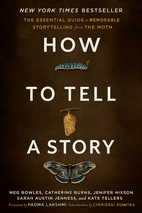
How to Tell a Story by Catherine Burns Book Cover

by Catherine Burns

Catherine Burns's How to Tell a Story distills The Moth's expertise into a practical guide for crafting and delivering compelling true stories, teaching structure, authenticity, and emotional connection for anyone seeking to share personal narratives aloud.

On Insta.page you also get an Apply This Book tool that lets you combine insights from up to 3 books to solve your specific situation.

Chapter mindmaps

Free preview: chapters 1–4 are fully interactive. Click any node to expand or collapse. Subscribe to unlock the rest.

Chapter 1: Chapter 1: Welcome to the Moth

Key concepts: Chapter 1: Welcome to the Moth

1. Chapter 1: Welcome to the Moth

The Universal Language of Stories

  • Storytelling evolved from primal survival communication to fundamental human connection
  • Stories transform fleeting experiences into eternal connections that build communities
  • Narratives explain our hearts, decode histories, and reveal shared humanity
  • Effective storytelling invites others to feel emotions and see through different perspectives

The Birth of The Moth

  • Founded in 1997 by George Dawes Green inspired by porch-side storytelling in Georgia
  • First event in NYC apartment with theme 'Finding a Place' despite initial logistical challenges
  • Core principles: uninterrupted listening, no distractions or one-upping
  • Grew from living room experiment to global movement with diverse storytellers
  • Founded on belief that everyone has a story worth hearing

Why True Stories Resonate

  • Allows listeners to step into someone else's shoes and witness history firsthand
  • Breaks down complex episodes into intimate, relatable scenes
  • Reveals extraordinary aspects in ordinary moments and everyday experiences
  • Evokes empathy, reflection, and shared humanity across diverse backgrounds
  • Preserves personal legacy while illuminating universal human experiences

The Neuroscience of Connection

  • Uri Hasson's research demonstrates 'speaker-listener neural coupling'
  • Brain activity synchronizes between storyteller and engaged listener
  • Mirroring occurs only with compelling and comprehensible stories
  • Scientific validation for the palpable unity felt during powerful storytelling

A Storyteller's Journey

  • Personal narratives can sustain identity and resilience during displacement and loss
  • Emotional transmission through storytelling creates powerful bonds between teller and listener
  • Storytelling serves as a lifeline that preserves cultural heritage and personal history
  • The emotional content of stories often transcends clarity of factual details

Building Empathy and Community

  • Shared listening experiences create bridges between diverse individuals and groups
  • Exposure to unfamiliar voices and perspectives challenges preconceptions and biases
  • Collective narrative experiences transform isolation into belonging and community
  • Stories have the power to cement new understandings and create cohesive social bonds

The Science of Connection

  • Authentic storytelling creates neural synchronization between teller and listener
  • This biological connection enhances emotional resonance and understanding
  • The neurological basis explains why stories create such powerful interpersonal bonds

Storytelling as Human Bond

  • Single narratives can unite diverse audiences across different backgrounds
  • Storytelling represents a fundamental human need for connection and understanding
  • The shared experience of listening creates common ground among strangers
  • This universal bond transforms individual stories into collective human experience

Chapter 2: Chapter 2: No Notes, No Net

Key concepts: Chapter 2: No Notes, No Net

2. Chapter 2: No Notes, No Net

The Transformative Power of Storytelling

  • Storytelling as journey of self-discovery and vulnerability turned strength
  • True personal stories create raw, authentic connections between people
  • Process builds confidence and helps tellers discover their authentic voice
  • Sharing personal journeys acts as 'medicine' for both teller and listener

Core Principles of Moth-Style Storytelling

  • Stories must be true and told in first person without notes
  • Narratives require stakes and personal transformation
  • Time limits force distillation to essential elements
  • Rules empower rather than restrict creative expression

The Director's Collaborative Process

  • Directors help uncover story heart through probing questions
  • Mining emotional significance from hesitations and stumbles
  • Structuring narrative arcs with vivid scenes and details
  • Providing honest feedback as first audience for emotional impact

StorySLAMs and Community Building

  • Open mic format with themed prompts and five-minute stories
  • Electric sense of community through shared laughter and tears
  • Diverse voices from all walks of life sharing experiences
  • Not every story lands perfectly - some create discomfort

Ethical Storytelling Guidelines

  • Emphasis on empathy and respect in narrative choices
  • Avoiding stories that reduce others to punchlines
  • Honoring rather than harming the human experience
  • Community workshops extend storytelling empowerment

Personal Story Unlocking Process

  • Viewing memories as pantry of potential stories
  • Embracing non-linear process of finding your voice
  • Ordinary moments often hold extraordinary lessons
  • Universal skill applicable to speeches and everyday conversations

StorySLAMs: Community Through Spontaneous Storytelling

  • Open mic format allows anyone to share five-minute stories based on themes
  • Audience-judged events create electricity between tellers and listeners
  • Reveals both breathtaking vulnerability and common storytelling pitfalls
  • Transforms strangers into supportive community through shared experience
  • Demonstrates storytelling's power to connect diverse human experiences

Ethical Storytelling: The Moth's Response to Harmful Narratives

  • Open mic format sometimes led to stories crossing ethical boundaries
  • Issues included reducing people to props and perpetuating harmful stereotypes
  • Encountered racism, sexism, ableism, and homophobia in some narratives
  • Created 'Don'ts' poster emphasizing empathy and respect for others' dignity
  • Established that storytelling requires honoring shared human experience

Community Workshops: Unlocking Universal Storytelling Potential

  • Expanded reach through workshops with diverse community groups
  • Participants often doubted they had stories worth telling initially
  • Guided sessions revealed cascades of hidden personal narratives
  • Reinforced core belief that everyone has meaningful stories to share
  • Transformed uncertainty into confidence through patient support

The Generous Act of Storytelling

  • Storytelling described as both courageous and generous act
  • Sharing experiences gifts listeners with self-discovery and connection
  • Fosters compassion and community beyond the stage
  • Enriches everyday interactions and bridges divides
  • Creates lasting impact through shared human understanding

Practical Storytelling: Embracing Your Narrative Journey

  • Memories serve as 'pantry' of ingredients for stories
  • Methods applicable to casual chats, toasts, and formal speeches
  • Process is non-linear and often full of surprising discoveries
  • Even forgotten moments can spark compelling narratives
  • Encourages exploration without pressure, trusting experiences matter

Chapter 3: Chapter 3: Mining for Memories

Key concepts: Chapter 3: Mining for Memories

3. Chapter 3: Mining for Memories

Finding Stories in Memories

  • Life experiences serve as treasure troves for storytelling material
  • Turning points and sensory details reveal glimpses of true self
  • Memories function like Russian nesting dolls - all experiences remain accessible
  • Personal moments contain clues to identity and universal themes

Testing and Refining Story Ideas

  • Speaking ideas aloud transforms vague thoughts into tangible narratives
  • Rejection is part of the process after proper consideration
  • Focus on emotions, secrets, and moments of discovery that resonate
  • Personal experiences often connect with others through shared understanding

Focusing on Specific Moments

  • Zoom in on single time frames to avoid rambling narratives
  • Use sensory details to paint vivid scenes and resurface memories
  • Shared themes transform personal experiences into connection points
  • Specific scenes serve as foundations for expanding into full stories

You Are the Main Character

  • Center stories on personal experiences and direct impact
  • Include others but tie back to your own journey and growth
  • Use trauma as context rather than the entire story focus
  • Balance hardship with insight and growth to maintain engagement

Inciting Incidents as Story Kickoffs

  • Unexpected events that break routine set narratives in motion
  • Wrong turns, chance encounters, or bold decisions create foundations
  • Interruptions to normal life provide compelling starting points
  • These moments create immediate engagement and narrative direction

Moments of Change and Epiphany

  • Perspective shifts fuel compelling storytelling
  • Change can occur suddenly or gradually through various experiences
  • Humbling moments, realizations, and kindness can transform narratives
  • Epiphanies reveal character development and personal growth

Decisions That Shape Narratives

  • Turning points hinge on choices made or avoided
  • Agency - what you did or didn't do - drives story momentum
  • Key decisions, especially difficult ones, form story cores
  • Small choices can reveal profound truths when properly framed

Embracing Vulnerability and Authenticity

  • Mistakes and embarrassment humanize stories and foster relatability
  • Vulnerability builds trust by sharing struggles and imperfections
  • Imperfection is universal and creates connection with audiences
  • Discomfort uncovers deeper truths and universal lessons

The Choice of Inaction

  • Inaction and decisions not made can shape lives as powerfully as active choices
  • Stories built around hesitation or silence carry deep emotional weight
  • Avoiding difficult conversations can lead to irreversible consequences and regret
  • Personal examples like Megan McNally's adoption decision illustrate the cost of procrastination

Embracing Mistakes and Embarrassment

  • Mistakes and embarrassing moments serve as fertile ground for compelling stories
  • Discomfort and shame often indicate the path to authentic connection
  • Vulnerabilities and stumbles make achievements more relatable than successes
  • Examples include Chenjerai Kumanyika's temp job failure and Rosanne Cash's album rejection

Vulnerability as a Storytelling Tool

  • Vulnerability creates trust and empathy between storyteller and audience
  • Brutal honesty about struggles forges genuine bonds and connections
  • Sharing imperfections and small mistakes makes even heroes relatable
  • Examples include Kate's parenting frustrations and astronaut Michael Massimino's Hubble repair mishap

Story Mining Techniques

  • Reflect on unforgettable moments and examine why they linger in memory
  • Analyze both decisions made and avoided, focusing on their consequences
  • Center stories on personal impact rather than external events
  • Focus on mistakes and recoveries that reveal growth and humor
  • Use trauma as context rather than the core of the story

Authentic Storytelling Principles

  • Lean into discomfort to uncover deeper truths and connections
  • Transform potential shame into shared humanity through vulnerability
  • Use personal stories to build empathy and relatability with audiences
  • Focus on how events changed you rather than just what happened

Chapter 4: Chapter 4: The Foundation

Key concepts: Chapter 4: The Foundation

4. Chapter 4: The Foundation

Stakes: The Narrative Pulse

  • Stakes create urgency and personal significance in stories
  • They answer why events matter to the storyteller
  • Stakes transform sequences into compelling narratives
  • Can range from life-or-death to seemingly trivial moments

Internal vs External Stakes

  • Internal stakes focus on emotional/psychological battles
  • External stakes deal with tangible obstacles and pressures
  • Most powerful stories blend both types of stakes
  • Examples include professional reputation vs personal identity

The What and Why Framework

  • Clarify what you wanted and why it was challenged
  • Stakes arise from problems, choices, or unexpected events
  • Highlight how moments jeopardize cherished values or relationships
  • Show why potential loss or gain resonated personally

Anecdotes vs Full Stories

  • Anecdotes are brief, amusing accounts for casual settings
  • Stories evolve and leave lasting impact through transformation
  • Full stories explore how events changed perceptions or relationships
  • Digging into why you repeat anecdotes reveals deeper themes

Big Little Stories

  • Seemingly minor events carrying profound emotional weight
  • Use everyday moments to reveal larger truths about identity
  • Examples include contests, objects, or routine activities
  • Show how small achievements can spark major transformations

Story Arc and Transformation

  • Tracks change from beginning to end of narrative
  • Answers who you were versus who you became
  • Focuses on emotional core beyond plot details
  • Essential for creating lasting impact and resonance

Storytelling Blueprint

  • Distill narrative into one sentence as roadmap
  • Capture essence of plot and arc without stating outright
  • Use guiding questions to refine stakes and transformation
  • Maintain clarity while ensuring depth and authenticity

The Concept of Big Little Stories

  • Stories that appear minor on the surface but connect to profound personal transformation
  • Requires genuine life-altering impact beyond surface-level excitement or celebrity encounters
  • Illustrated by Mmaki's award ceremony experience reshaping her self-perception and identity
  • Emphasizes depth of meaning over the scale of external events

Crafting Your Story's Arc

  • Every Moth story centers on change and evolution from beginning to end
  • Arc defines who you were versus who you became through the experience
  • Transformation can be physical, situational, emotional, behavioral, or attitudinal
  • Stakes depend on the significance of the change to engage audience investment
  • Without transformation, stories risk being mere recaps lacking emotional impact

Examples of Emotional Cores

  • Faith Salie's divorce dress selection reveals deeper need to be seen and acknowledged
  • Nikesh Shukla's cooking story transforms into connection with his mother's memory
  • Noriko Rosted's pet sitter narrative explores unexpected human connection
  • Revisiting past experiences uncovers patterns and personal revelations
  • Emotional depth transforms plot details into meaningful personal discovery

Distilling to One Sentence

  • Single-sentence summary acts as narrative roadmap and focus tool
  • Captures essence of plot and arc without being stated in the story itself
  • Changing one word can shift the entire story's focus and meaning
  • Helps define story angle: internal struggle, relationship evolution, or external conflict
  • Guides selection of supporting details and editing decisions

Director's Insights for Refinement

  • Identify stakes: what was lost or gained and why it mattered personally
  • Move beyond anecdote by exploring why the moment created lasting impact
  • Clearly define the transformation arc from beginning to end state
  • Use the one-sentence distillation to maintain narrative focus and clarity
  • Focus on emotional resonance rather than chronological event listing

Continue exploring How to Tell a Story